
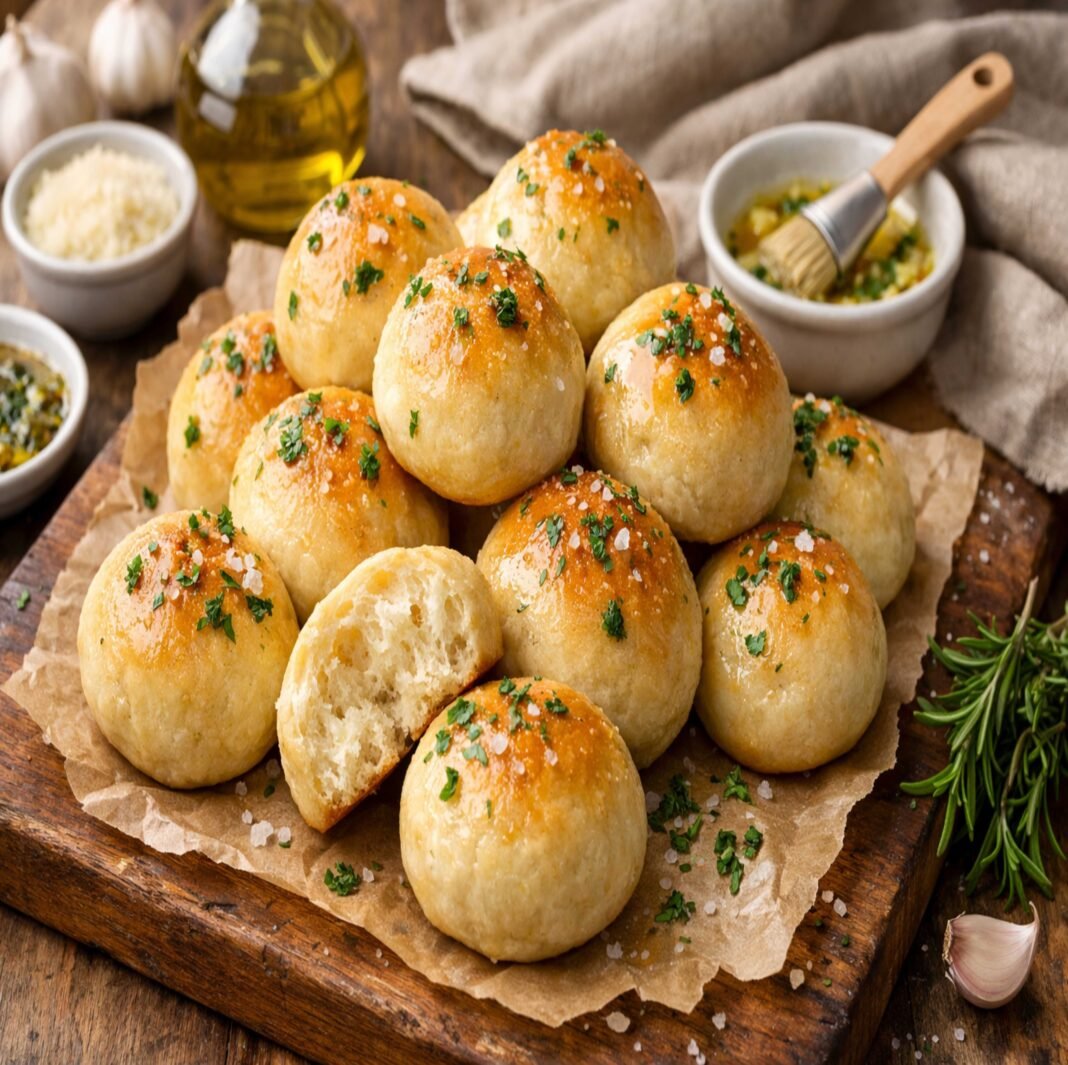

This quick dough balls recipe produces soft, golden rolls with a tender interior and delicate crust. Using everyday ingredients and a simple method, it’s perfect for busy kitchens or spontaneous baking sessions.
Prep Time: 10 minutes
Rest Time: 15–20 minutes
Bake Time: 12–15 minutes
Total Time: About 30 minutes
Yield: 8–10 dough balls
Freshly baked bread brings warmth and comfort to any table. While traditional bread recipes often require hours of proofing and preparation, this quick dough balls recipe delivers bakery-style results in around half an hour. With accessible ingredients, a clear method, and flexible variations, these dough balls are ideal for everyday meals, snacks, or last-minute entertaining.
Why This Recipe Works

Dough rising smoothly with visible elasticity
Image source: pixaby
This recipe works because it focuses on the essential mechanics of bread-making without unnecessary complexity. Fast-action yeast accelerates fermentation, while warm water activates the yeast efficiently. Kneading develops gluten, creating a stretchy structure that traps air and produces a light, airy crumb.
The short resting period allows the dough to relax, making it easier to shape while still achieving a good rise in the oven. These principles are widely supported by professional baking techniques, as seen in guides like Martha Stewart’s pizza dough collection, where simplicity and technique are prioritised over complicated ingredients.
When the dough feels smooth and elastic, it indicates proper gluten development. This tactile feedback is key for beginners, helping ensure consistent and reliable results every time.
Ingredients

Ingredients arranged with measuring tools
Image source: pixaby
- 250g strong white bread flour
- 7g fast-action yeast
- 1 teaspoon sugar
- ½ teaspoon fine salt
- 160ml warm water (38–43°C)
- 1 tablespoon olive oil
Optional toppings include garlic butter, herbs, sea salt, or grated cheese. Strong bread flour is preferred due to its higher protein content, which supports gluten formation and results in a softer texture.
If you want to refine shaping techniques, resources such as this dough cutting method guide can help ensure evenly sized portions for consistent baking.
Equipment
- Large mixing bowl
- Baking tray
- Parchment paper
- Clean kitchen towel
- Pastry brush (optional)
This recipe requires only basic kitchen tools, making it accessible for beginners. While a stand mixer can simplify kneading, hand kneading offers better control and helps develop an understanding of dough texture.
Method

Mixing, kneading, and shaping dough
Image source: pixaby
1. Combine flour, yeast, sugar, and salt in a bowl. Add warm water and olive oil, mixing until a soft dough forms.
2. Transfer to a floured surface and knead for 5–7 minutes until smooth and elastic.
3. Divide into equal portions and shape into balls by tucking edges underneath.
4. Place on a lined tray, cover, and rest for 15–20 minutes. Preheat oven to 200°C.
5. Bake for 12–15 minutes until golden. Brush with butter if desired.
For additional inspiration and variations, you can explore Flawless Food’s dough balls recipe, which showcases creative flavour additions.
Tips for Better Dough Balls
- Use warm—not hot—water to protect yeast activity
- Measure ingredients accurately for consistency
- Avoid overbaking to maintain softness
- Use minimal flour when shaping
- Allow space between dough balls
- Brush with butter immediately after baking for extra flavour
Common Mistakes to Avoid
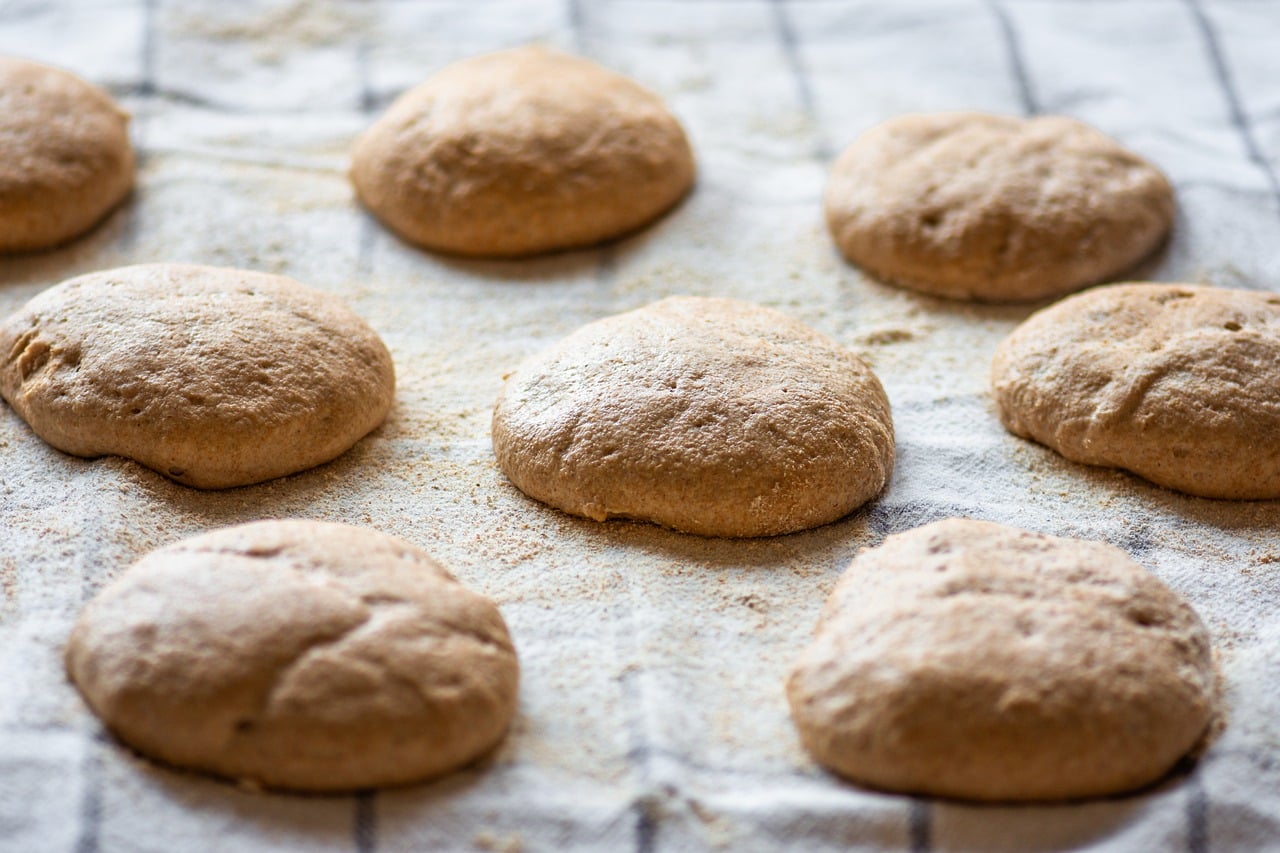
Dense vs properly risen dough comparison
Image source: pixaby
- Using inactive yeast
- Adding too much flour
- Insufficient kneading
- Over-resting dough
- Crowding the baking tray
- Using water that is too hot
Simple Variations
- Garlic butter topping
- Cheese-filled centres
- Herb-infused dough
- Chilli flakes for heat
- Air fryer version (180°C for 10–12 minutes)
For dessert pairings, explore creative ideas like those featured in Delish dessert recipes, which complement savoury starters beautifully.
Serving Suggestions
Serve warm with soups, pasta, or dips such as garlic butter or marinara. These dough balls also pair well with a variety of mains and sides.
For a complete meal, consider pairing with Mayak Eggs, Lincoln Sausage, or Oven Cabbage Steaks. You can also explore bold flavours with Chicken Satay Noodles for a satisfying meal combination.
Storage and Reheating

Storing baked dough balls properly
Image source: pixaby
Allow dough balls to cool completely before storing. Keep in an airtight container for up to two days or freeze for longer storage. Reheat gently in the oven to restore texture.
You can also prepare dough ahead of time, refrigerate, and bake when needed for convenience.
What Makes These Dough Balls Worth Making Again
This recipe stands out for its simplicity, speed, and reliability. It delivers consistent results without requiring advanced baking skills, making it ideal for both beginners and experienced cooks.
The versatility of the dough allows endless customisation, ensuring it remains a staple recipe in any kitchen.
Conclusion
This quick dough balls recipe proves that baking fresh, homemade bread doesn’t have to be time-consuming or complicated. With just a handful of everyday ingredients and a simple, structured method, you can create soft, golden rolls with a light, airy interior and a delicate crust in around 30 minutes. It’s an ideal solution for busy households, last-minute meals, or anyone looking to enjoy the comfort of freshly baked bread without the long wait.
Another key advantage is how approachable the recipe is. It doesn’t require specialised equipment or advanced baking knowledge, making it perfect for beginners while still delivering results that experienced cooks will appreciate. The short resting time and straightforward steps help build confidence, allowing you to develop essential bread-making skills without feeling overwhelmed.
In summary, this recipe combines speed, simplicity, and quality in a way that few bread recipes can match. It empowers you to bake with confidence, experiment with flavours, and enjoy consistently delicious results. Whether you’re preparing a quick family meal, entertaining guests, or simply craving fresh bread, these dough balls are a practical and rewarding choice you’ll return to again and again.
Author Bio
Editorial Team at Daily Lifestyle Guide is a dedicated group of food writers, recipe developers, and home cooking enthusiasts based in the UK. With a strong focus on practical, reliable, and approachable recipes, the team aims to make everyday cooking simple, enjoyable, and accessible for everyone—from beginners to experienced home cooks.
Each recipe is carefully researched, tested, and written with clarity in mind, ensuring consistent results across a wide range of kitchens and skill levels. The team combines traditional cooking knowledge with modern techniques to create dishes that are both time-efficient and flavourful, perfectly suited to busy lifestyles.
Their goal is simple: to inspire home cooks across the UK to enjoy the process of cooking while achieving delicious, dependable results every time.
Disclaimer
The information, recipes, and cooking guidance provided in this article are intended for general informational and educational purposes only. While every effort has been made to ensure accuracy, including ingredient measurements, cooking times, and temperature recommendations, results may vary depending on individual cooking skills, kitchen equipment, oven performance, altitude, and environmental conditions.
All recipes should be prepared with proper food safety practices. This includes ensuring that ingredients are fresh, surfaces and utensils are clean, and food is cooked thoroughly before consumption. Extra care should be taken when handling hot ovens, baking trays, and freshly baked items to avoid burns or injury.
If you have any food allergies, intolerances, or dietary restrictions, you are strongly advised to check all ingredient labels carefully before use. Substitutions should be made cautiously, and when in doubt, consult a qualified healthcare professional or nutritionist for guidance.
Always cook responsibly and enjoy your food safely.
Frequently Asked Questions
1. Can I make dough balls ahead of time?
Yes, shape them in advance and refrigerate until ready to bake.
2. Why didn’t my dough rise?
It is usually due to inactive yeast or incorrect water temperature.
3. Can I freeze dough balls?
Yes, freeze before or after baking for later use.
4. Do I need a stand mixer?
No, hand kneading works perfectly for this recipe.
5. How do I know they are fully baked?
They should be golden and sound hollow when tapped.
6. Can I use plain flour instead of bread flour?
Yes, but the texture may be slightly denser.
7. How long should I knead the dough?
About 5–7 minutes until smooth and elastic.
8. Can I add fillings inside dough balls?
Yes, cheese, garlic butter, or herbs work well.
9. What is the best oven temperature?
Bake at 200°C (400°F) for best results.
10. How should I store leftovers?
Keep in an airtight container for up to 2 days or freeze.