
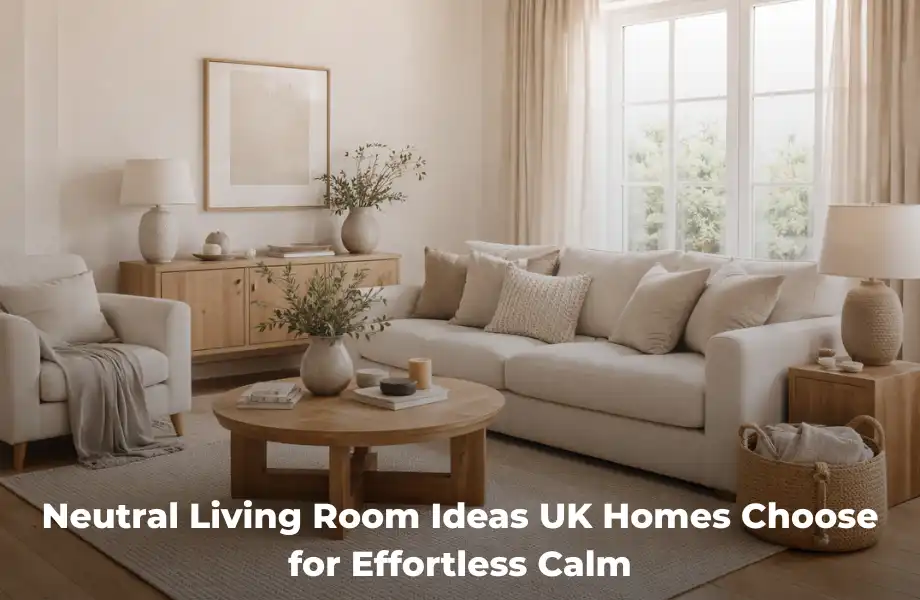

There are evenings in the UK that feel almost identical in every home. The rain taps softly against the window, the sky fades into that familiar grey, and the living room becomes the place where everything either feels calm… or slightly wrong. Sometimes it’s the colours that feel too sharp, sometimes it’s the space that feels a little too busy. And slowly, a thought begins to form: maybe it doesn’t need more decoration, maybe it needs less noise.
This is usually where neutral living room ideas UK homeowners are turning to start making sense. Not because neutrals are trendy, but because they change how a room feels the moment you walk in. A soft beige wall, a warm grey sofa, and gentle layered lighting can shift a space from overwhelming to grounding without changing its structure. In UK homes where daylight is unpredictable and winters feel long, this kind of calm becomes more than design — it becomes comfort. And once you notice how a neutral palette softens a room, it’s hard to go back to anything louder.
Why Neutral Schemes Work So Well in UK Homes
UK homes deal with a very specific kind of light. Some days are bright, but most of the year carries soft, filtered daylight that changes hour by hour. That’s where neutral living room ideas UK interiors rely on become especially effective. Neutrals don’t fight the light — they absorb it gently and reflect it back in a softer way, helping rooms feel open instead of closed in.
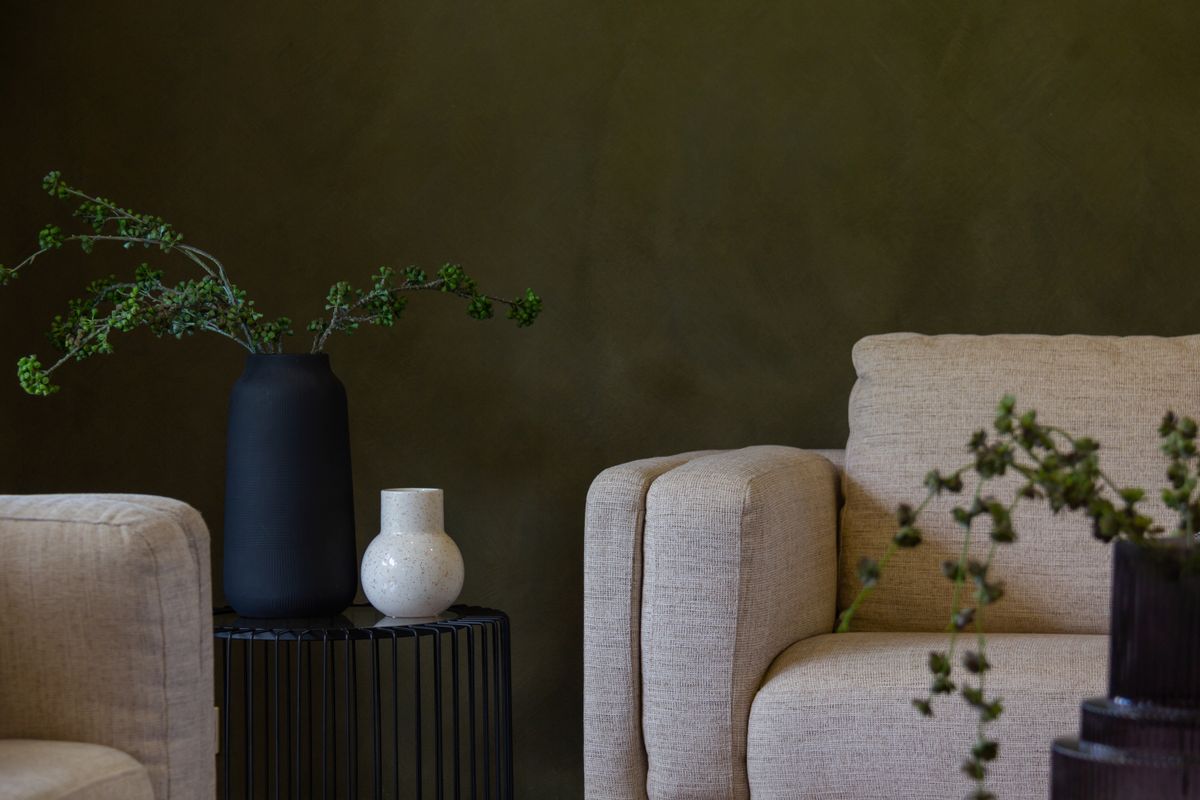
In many Victorian terraces and compact city flats, this effect becomes noticeable almost immediately after repainting. One homeowner once described switching to warm cream walls as “the room finally stopped feeling like it was holding its breath.” According to inspiration from Farrow & Ball, layered neutral tones help maintain depth while keeping spaces calm and balanced, especially in smaller rooms where light is limited. Instead of harsh contrast, neutrals create a gentle flow of brightness that shifts naturally throughout the day.
Beige, Cream or Greige? Choosing the Right Base
Choosing a neutral base often feels simple until it’s actually on the wall. Beige, cream, and greige may look similar on a sample card, but in real homes they behave very differently. Beige brings warmth and comfort, cream adds brightness and openness, while greige sits in the middle with a modern, balanced feel.
A couple renovating a small London flat once shared how switching from plain white to greige made the space feel “less temporary and more lived-in.” This is exactly why brands like Sharps recommend neutral foundations for long-term interior flexibility. Beige works beautifully in traditional homes, cream suits smaller rooms that need light, and greige fits modern spaces that want softness without warmth overload. The real decision is not just about colour — it’s about how you want the room to feel at the end of a long day.
Layering Neutrals for Depth and Warmth
A neutral room without layers can feel unfinished, almost like a quiet space waiting for something to happen. This is why layering is at the heart of neutral living room ideas UK designers often recommend. It’s not about adding more colour, but about building subtle variation within the same calm palette.
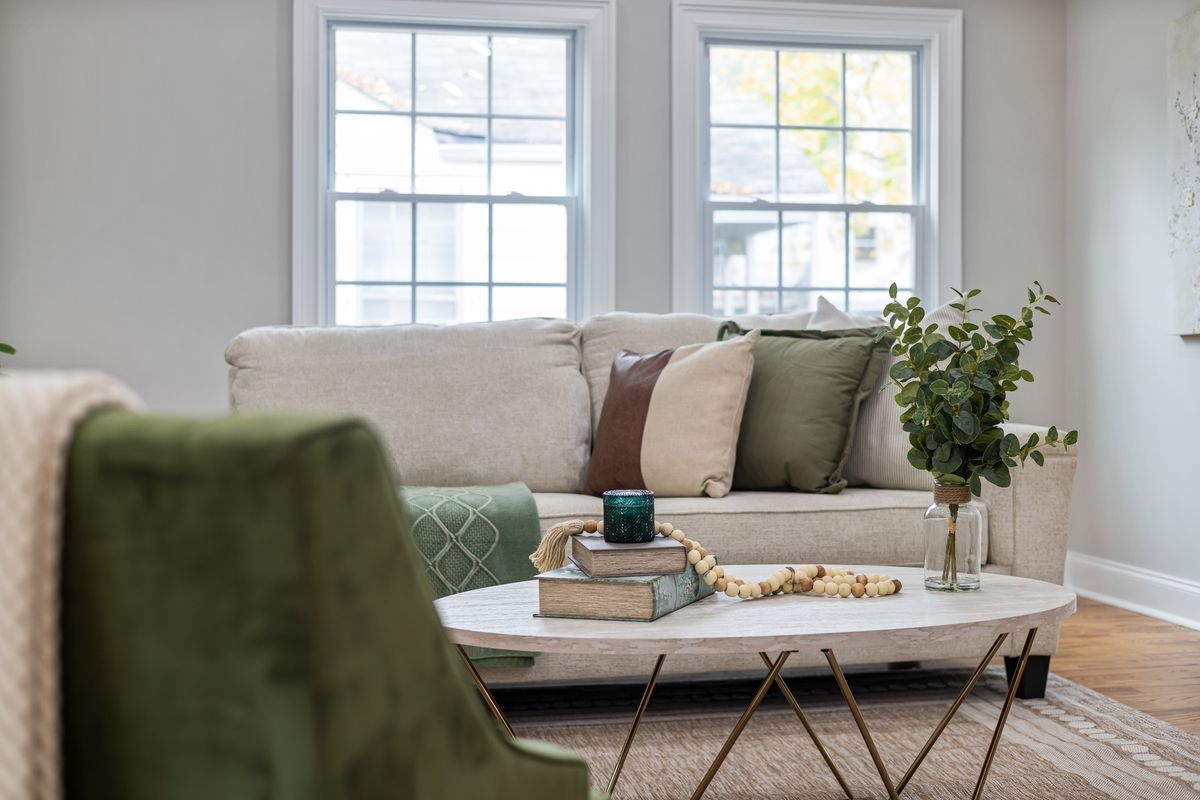
Light walls, a slightly deeper sofa tone, textured cushions, and natural wood accents all work together to create quiet depth. A family in Bristol once redesigned their lounge using only neutral shades and later said it felt like “the room finally started breathing properly.” As highlighted by Dulux, rich neutrals become most effective when multiple tones interact rather than relying on a single flat colour. That interaction is what makes a room feel designed rather than simply painted.
Texture: The Detail That Changes Everything
Texture is where neutral interiors quietly come alive. Without it, even the most carefully chosen colour palette can feel flat. Linen curtains moving in soft daylight, a wool rug underfoot, or a wooden coffee table catching warm light — these details change everything without adding visual noise.
In many UK homes, especially during long winters, texture becomes more important than colour itself. One homeowner described replacing smooth synthetic cushions with bouclé fabric as the moment her living room finally felt “warm in a way paint alone couldn’t fix.” According to DIY interior guidance from DIY.com, combining natural materials like wood, fabric, and stone is one of the most effective ways to build depth in neutral spaces. Texture doesn’t demand attention — it quietly holds everything together.
Accent Colours That Bring Subtle Life
Even the calmest neutral room needs small moments of personality. Accent colours are not meant to take over the space — they’re meant to gently support it. Think soft olive cushions, dusty blue ceramics, or warm terracotta details placed thoughtfully around the room.
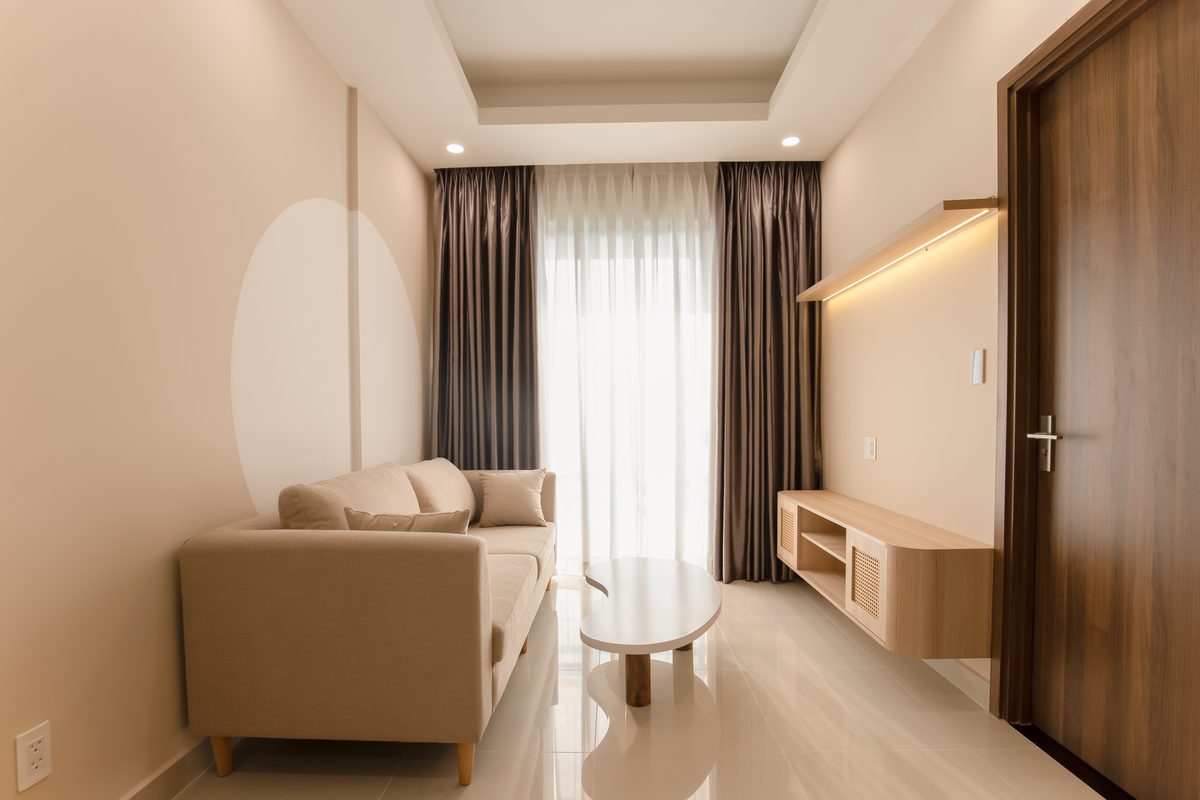
Many homeowners using neutral living room ideas UK interiors rely on often rotate accents seasonally while keeping the base unchanged. A living room can feel slightly warmer in autumn and lighter in spring without losing its identity. The key is restraint. A few repeated tones create rhythm, while too many colours can break the calm atmosphere completely.
Neutral Living Rooms in Small UK Spaces
Small UK living rooms often struggle with feeling both functional and open. This is where neutrals naturally excel. Light tones reflect available daylight, making even narrow terraces or compact flats feel less confined.
A London renter once described her small lounge as feeling “temporary and tight” until she switched to soft off-white walls and lighter furnishings. That simple change made the space feel significantly larger. Neutral living room ideas UK designers recommend are especially effective in north-facing rooms where natural light is limited.
If you’re also working on layout and storage, our guide to small living room TV unit ideas UK shows how functional furniture can blend seamlessly into neutral spaces without creating visual clutter.
Modern Minimalist Living Room Approach
Minimalism in UK homes is not about emptiness — it’s about intention. A modern neutral living room is carefully edited, not stripped bare. Clean furniture lines, hidden storage, and consistent tones help create a space that feels calm without feeling cold.
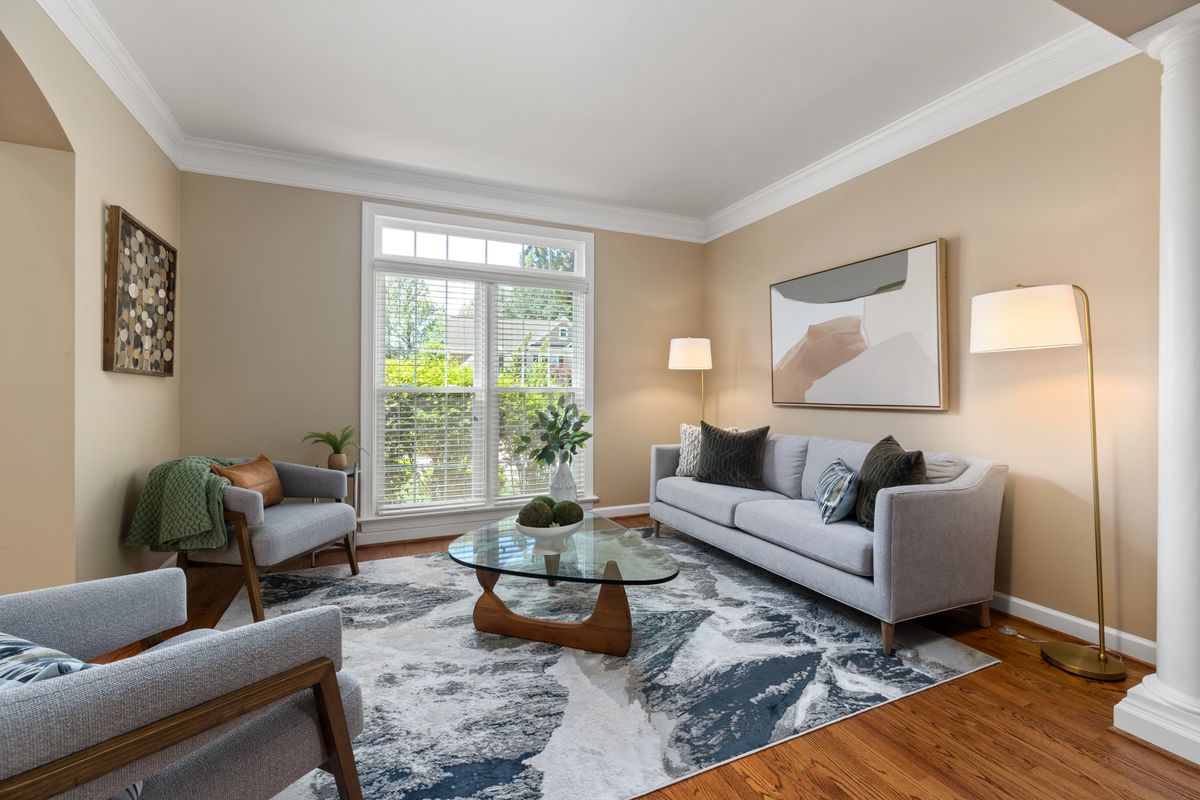
Many people describe this style as finally being able to “see their home clearly.” When surfaces are uncluttered and colours are balanced, the room feels more peaceful. Neutral living room ideas UK minimalists prefer focus on quality over quantity, allowing each piece in the room to feel purposeful rather than decorative clutter.
For more inspiration on functional styling, you can explore our cosy seasonal guide on cosy living room ideas for winter UK, which shows how comfort and neutrality can work together beautifully.
Lighting That Completes the Neutral Look
Lighting determines whether a neutral room feels warm or flat. In UK homes, where artificial lighting is used heavily during winter, this becomes especially important. Warm bulbs, layered lighting, and soft shadows all help enhance neutral tones.
A beige wall under soft lighting can feel inviting and cocooning, while under harsh lighting it can feel dull. That’s why designers often focus on layering light sources rather than relying on a single fixture. When lighting is balanced, textures and tones become richer without any change in furniture or paint.
Seasonal Living with Neutral Interiors
One of the strongest advantages of neutral living rooms is how easily they adapt throughout the year. In winter, heavier textures and deeper tones bring warmth. In summer, lighter fabrics and greenery refresh the space.
Because the base remains neutral, these seasonal shifts feel effortless. The room changes mood without changing identity, which is why neutral living room ideas UK homeowners follow continue to remain timeless and practical.
Conclusion
Neutral living room ideas UK homeowners are drawn to are not just about aesthetics — they are about creating spaces that feel calm, steady, and easy to live in. When colour becomes softer and texture becomes more important, a room naturally begins to feel more balanced and more personal. Whether you prefer warm beige tones, soft cream, or modern greige, the goal remains the same: to build a space that feels comfortable every time you walk into it. In a world that often feels fast and noisy, neutral interiors offer something rare — quiet simplicity that lasts.
Author Bio
The Editorial Team at Daily Lifestyle Guide is a UK-based home and lifestyle content group focused on making interior design simple, practical, and inspiring for everyday homeowners. The team writes with a strong focus on real UK living conditions, including small spaces, changing natural light, and seasonal comfort. Each guide is created to help readers make confident design choices without needing professional experience or large budgets. From cosy living room inspiration to functional small-space solutions, the Editorial Team aims to turn everyday homes into calm, personal spaces that feel good to live in all year round.
Disclaimer
This article is intended for general informational and inspirational purposes only. Interior design results may vary depending on room size, lighting conditions, paint brands, and individual styling choices. External links are provided for reference and additional inspiration, and we do not control or guarantee the accuracy of third-party content. Daily Lifestyle Guide may update or revise content over time to ensure accuracy and relevance. Readers are encouraged to adapt ideas to their own space and consult professionals where necessary for specific design or renovation decisions.
FAQs
What makes neutral living room ideas UK homes so popular?
They work well with UK lighting conditions and create calm, flexible interiors that suit both modern and traditional homes without going out of style.
How do I stop a neutral living room looking boring?
Use layered textures, subtle tone variations, and natural materials like wood and fabric to create depth without introducing bold colours.
Is beige or grey better for UK living rooms?
Beige feels warmer and more inviting in low light, while greige offers a balanced modern look that works in most contemporary homes.
Can small UK flats use neutral interiors effectively?
Yes, neutral tones reflect light and make compact spaces feel larger and more open, especially in darker or north-facing rooms.
What lighting works best with neutral interiors?
Warm white lighting works best because it enhances softness and prevents neutral colours from feeling cold or flat.
Do neutral rooms work year-round?
Yes, they adapt easily through seasonal changes using fabrics, textures, and small accent updates without requiring redesign.