


Have you ever walked into your living room and felt that something wasn’t quite right? Perhaps the furniture fits perfectly, but the space still feels off. Often, the missing piece is right under your feet. In compact British homes, a rug isn’t just decoration—it’s the key to making a small lounge feel cohesive, spacious, and inviting. Choosing the right rug can seem tricky, but with the right size, shape, and texture, your living room can be transformed. In this guide, we’ll explore small living room rug ideas UK homeowners love, combining style, practicality, and clever design tricks that make every square foot count.
Why Rug Size Matters in Small UK Living Rooms
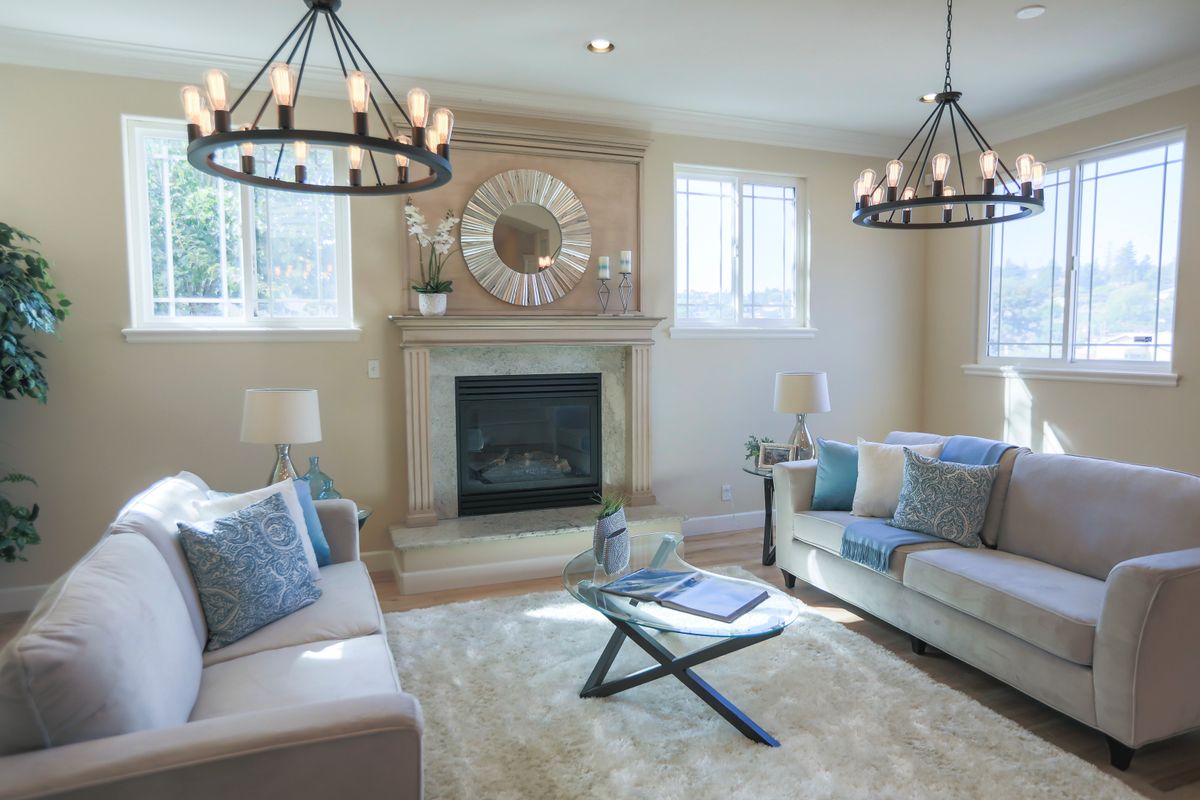
Picture a cosy flat in Manchester: the sofa is perfect, the coffee table sits just right, but the room still feels disjointed. The culprit? A rug that’s too small. According to Habitat, the size of your rug affects how unified and spacious your lounge feels. A rug should ideally sit under the front legs of your sofa and extend beyond the coffee table. This anchors the furniture and creates a clear, cohesive seating area. Skimp on size, and even a beautifully furnished room can look cluttered and fragmented. Measure carefully before buying and treat your rug as the foundation of your lounge décor.
Choosing the Right Shape: Round or Rectangular?
One chilly evening, a friend invited me into her London flat with a round rug under her L-shaped sofa. The room immediately felt softer and more open. Round rugs can soften sharp corners and improve movement, particularly in compact UK living rooms. La Redoute suggests experimenting with off-centre placements or layering smaller rugs for awkward layouts. Rectangular rugs work best in long, narrow lounges, echoing the room’s shape. The key is to match the rug to the room’s proportions, not the latest trend.
Neutral Rugs: Light, Airy, and Timeless
Neutral rugs act like a gentle backdrop, allowing your furniture to shine. Soft grey, cream, warm beige, or muted taupe reflect light, reduce visual weight, and blend seamlessly with various furniture styles. According to Rugs of Dorset, neutral tones are ideal for compact living rooms. A bold sofa or statement chair pops against a subtle rug, creating balance without overwhelming the space. Avoid dark or heavily patterned rugs in small rooms—they can visually shrink the area and make the lounge feel heavier.
Perfect Placement: Making Every Inch Count
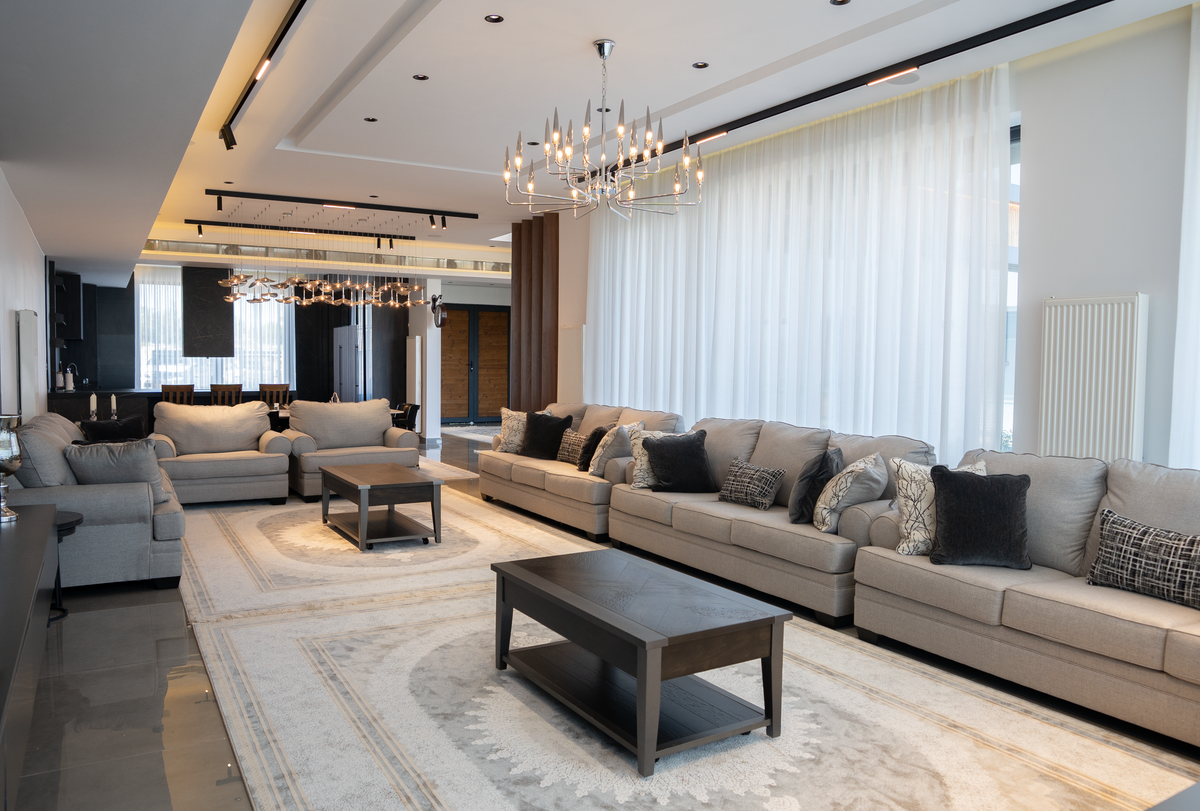
Rug placement is just as crucial as size. In many UK flats, rugs pushed flush against walls make a room feel cramped. Instead, centre the rug with your sofa, ensure the coffee table sits fully on it, and leave 20–30cm of visible flooring around the edges. According to Habitat, the right placement enhances flow and makes a narrow lounge feel more expansive. Even small adjustments can dramatically improve how a room looks and feels.
Patterned Rugs: Personality Without Clutter
Patterns add personality, but in small spaces, subtlety is key. Soft stripes or small geometric designs can make a room appear longer or more dynamic without overwhelming it. Layering a patterned rug over a neutral base adds depth while keeping the space cohesive. Rugs of Dorset notes that understated patterns introduce interest without clutter, perfect for minimalistic or Scandinavian-inspired interiors.
Texture and Comfort: Cozy Yet Compact
Imagine sinking your feet into a low-pile wool rug on a chilly morning—it’s an instant mood booster. Texture adds warmth and character without visually shrinking the room. Flatweave and low-pile rugs work best for high-traffic areas, while deep pile rugs offer luxury on wooden floors. La Redoute explains that lighter textures in small rooms maintain openness while still providing comfort. Choose materials based on lifestyle—wool is durable, cotton is easy to clean, and jute adds rustic charm.
Layering Rugs: Depth and Interest
Layering rugs in a small space can seem risky, but it can add depth and interest when done correctly. Place a smaller patterned rug over a larger neutral base to create visual dimension. According to Rugs of Dorset, layering similar tones with varied textures adds subtle contrast without making the room feel crowded. This approach works particularly well in open-plan flats, where you want to define seating zones without losing the sense of openness.
Integrating Rugs with Furniture Choices
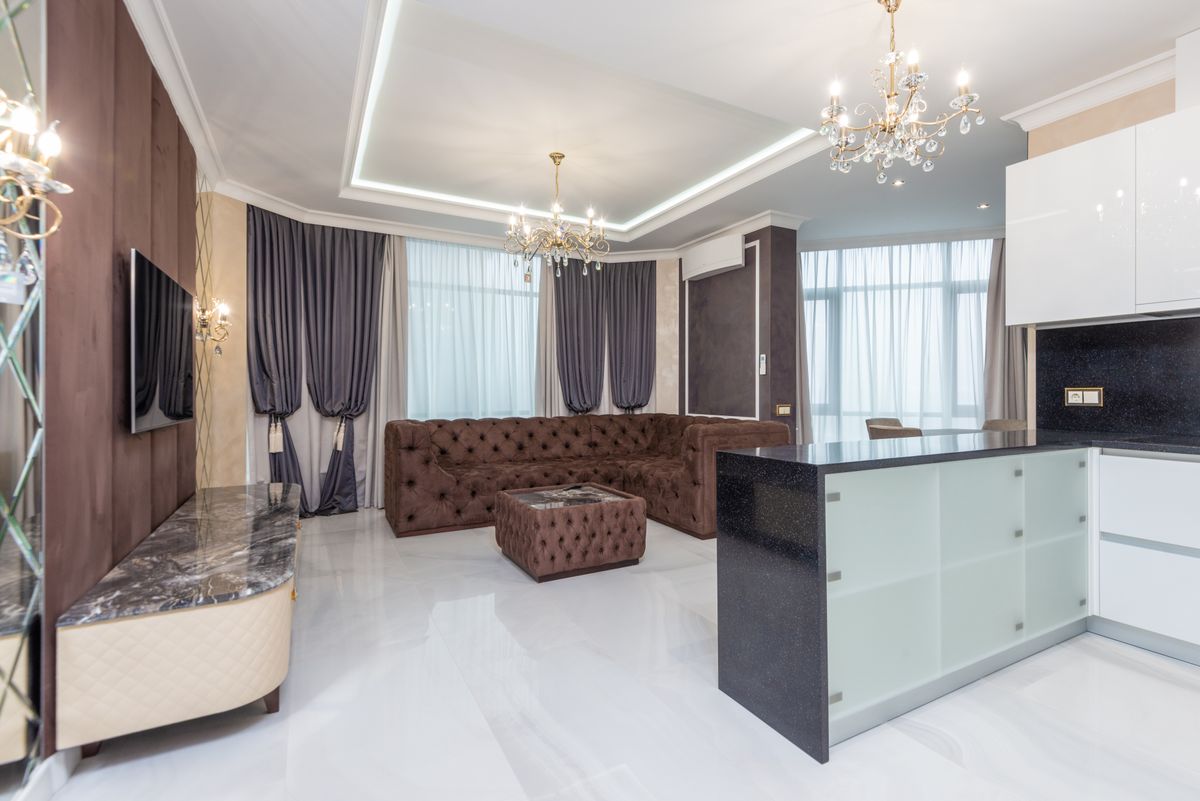
Your rug should complement major furniture pieces, not compete with them. A neutral rug works beautifully under a bold sofa, while a textured rug pairs well with minimalist pieces. UK homeowners can also consider how rugs interact with storage and TV units. Internal resources such as Sofa brands UK, How to fix sagging sofa cushions, and Durable sofa materials guide UK provide useful tips for choosing pieces that harmonise with your rug. Even a small living room can feel cohesive when each element complements the others.
Seasonal Swaps: Keeping Your Space Fresh
Changing rugs with the seasons can refresh your lounge without major renovations. Winter calls for warmer textures and deeper tones, while summer invites lighter flatweave or cotton rugs that brighten the space. Internal links like Utility room ideas UK show how seasonal styling can extend to other areas. Swapping rugs seasonally keeps your lounge feeling dynamic and fresh, proving that small changes underfoot can have a big impact.
Conclusion
Choosing the right rug in a small UK living room isn’t just about aesthetics—it’s about creating a space that feels larger, warmer, and balanced. By carefully selecting size, shape, texture, and placement, you can transform your lounge into a cohesive, inviting sanctuary. Your rug becomes the anchor that ties the room together, harmonising furniture, colour, and flow. Explore these small living room rug ideas UK homeowners love, and let your floor tell a story of comfort and style.
Author Bio
The Editorial Team at Daily Lifestyle Guide shares practical UK home décor advice, helping readers maximise compact spaces and create stylish, comfortable living rooms. Our guides cover everything from rugs to furniture selection, ensuring your home feels warm, functional, and beautifully styled.
Disclaimer
This article is for general inspiration and guidance. Rug sizes, materials, and styles vary by retailer, and individual results may differ depending on room layout and furniture. The advice provided reflects current information as of April 2026 and is intended to help readers make informed decisions. If you have updates, corrections, or suggestions, please contact us — we value reader feedback and continually refine our guidance.
FAQs
1. What size rug is best for a small UK living room?
Choose a rug that covers at least the front legs of your sofa and extends beyond the coffee table. A 160x230cm rug is typically ideal for compact spaces.
2. Can I use a round rug in a small lounge?
Yes. Round rugs soften corners, improve movement, and break up boxy layouts, especially under L-shaped or compact seating clusters.
3. Should rugs match the sofa colour?
Rugs should complement your sofa rather than match it exactly. Neutral tones or subtle patterns work best in small rooms.
4. Are thick rugs suitable for compact spaces?
Low-pile or flatweave rugs work better in small lounges, maintaining visual openness while providing comfort.
5. How can I layer rugs without cluttering the room?
Place a smaller patterned rug over a neutral base, or layer rugs of similar tones but different textures. Keep proportions controlled to avoid crowding.