
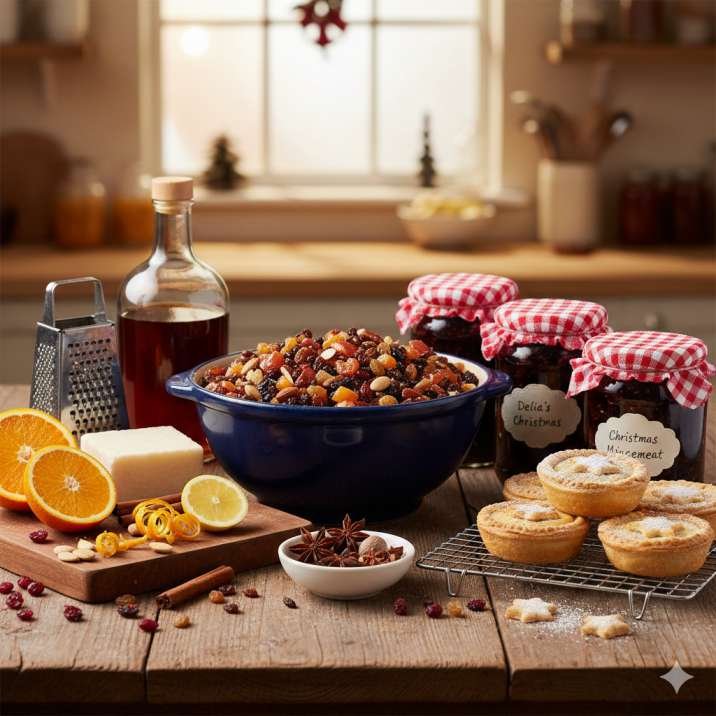

Traditional Christmas mincemeat is a British festive preserve made from dried fruits, apples, citrus zest, spices and alcohol. It is usually prepared weeks or even months ahead so the flavours can slowly develop and become rich and balanced. This guide brings together Delia Smith’s trusted slow-cooked method with modern variations, family traditions, storage advice and baking tips, giving you everything you need to make, mature and use homemade mincemeat with confidence throughout the Christmas season.
In Britain, mincemeat is closely linked to Christmas baking and often marks the moment when the festive season truly begins in the kitchen. The gentle warmth of citrus zest, spice and dried fruit slowly filling the kitchen signals a shift toward winter traditions and anticipation. For generations, British households have relied on traditional recipes to prepare mincemeat weeks or even months in advance, allowing the flavours to mature into something deeply rich and comforting. According to Delia Online, the slow maturation process is one of the most important parts of making traditional mincemeat.
Why Mincemeat Still Matters at Christmas
Despite the convenience of shop-bought jars, homemade mincemeat continues to hold a special place in British Christmas baking. One reason is control over ingredients. When you make mincemeat at home, you can adjust sweetness, spice levels and alcohol to suit your own taste. Another reason is tradition. Many families still make mincemeat every autumn as part of their Christmas preparation, and the process itself becomes part of the festive season.
Mincemeat is also connected to seasonal cooking traditions where food was prepared in advance and stored for winter. The mixture improves with time, meaning the flavour becomes deeper and richer the longer it matures. This slow process is very different from modern quick recipes and is one reason traditional mincemeat is still valued today. Read more about festive preservation methods in traditional cooking at Eating for Ireland.
What Traditional British Mincemeat Really Is
Many people are surprised to learn that modern mincemeat does not contain meat. Historically, mincemeat did include minced meat, fruit and spices, which helped preserve the meat during winter months. Over time, the recipe changed and became entirely fruit-based, which is the version used today.
Traditional British mincemeat is made from a mixture of dried fruits, apples, sugar, suet, citrus zest, spices and alcohol. The alcohol helps preserve the mixture and also adds flavour as the mincemeat matures. The result is a rich, sweet and slightly spiced fruit mixture used mainly in mince pies and other Christmas desserts.
What Makes Delia Smith’s Mincemeat Recipe Traditional
Delia Smith’s mincemeat recipe is considered traditional because it follows classic British proportions and uses a slow oven method rather than quick cooking. As reported by Delia Online, the slow method allows flavours to mature deeply and evenly.
This method also prevents fermentation and helps the mincemeat store for longer. The balance of dried fruit, apples, sugar, citrus and spice is carefully designed so no single flavour dominates. This is why the recipe is known for being reliable and well balanced.
Ingredients Explained and Why They Matter

Each ingredient in mincemeat has an important role. Dried fruits such as raisins, currants and sultanas provide sweetness and structure. Apples add freshness and prevent the mixture from becoming too heavy. Sugar adds sweetness and helps preserve the fruit.
Suet is a key traditional ingredient because it coats the fruit and gives the mincemeat its rich texture. Citrus zest adds brightness and spice adds warmth. Alcohol such as brandy or rum acts as both flavouring and preservative, helping the mincemeat mature over time.
Traditional Delia Smith–Style Mincemeat Recipe Method
Traditional mincemeat is not difficult to make, but it does require time and patience. The ingredients are first mixed together and left overnight so the fruit can absorb the flavours. The mixture is then cooked slowly in a low oven for several hours.
According to Delia Online, slow cooking helps the fruit soften and allows the fat to coat the mixture evenly. Once cooled, alcohol is added and the mincemeat is stored in sterilised jars to mature.
Storage, Safety and Shelf Life
Proper storage is very important when making homemade mincemeat. Jars must be sterilised and completely dry before filling. Once sealed, jars should be stored in a cool, dark cupboard.
As explained in Eating for Ireland, mincemeat improves with time and can last for many months if stored correctly. Once opened, jars should be refrigerated.
Ways to Use Homemade Mincemeat
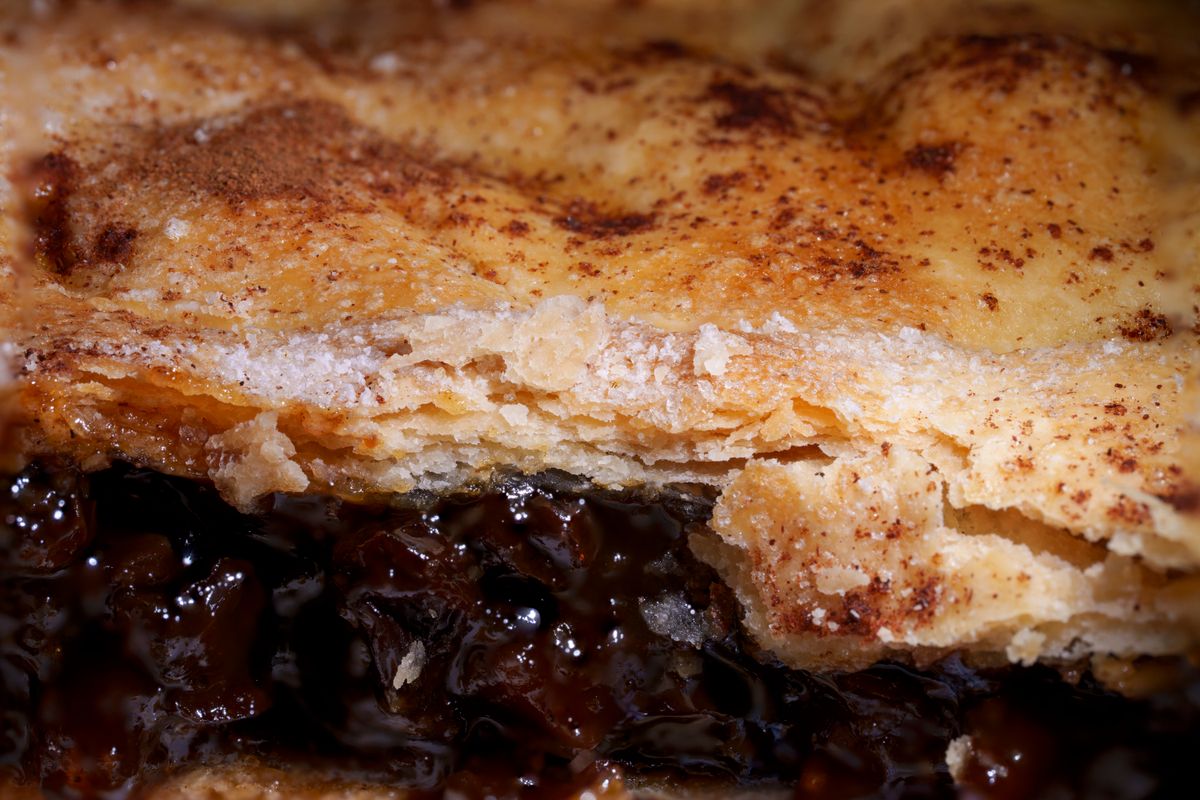
Mincemeat is most commonly used in mince pies, but it can also be used in many other desserts. It works well in tarts, turnovers, traybakes and festive desserts. Some people also use it as a topping for ice cream or pancakes.
If you enjoy traditional British baking, you may also like cupcakes in ice cream cones, lime cheesecake, big jaffa cake recipe, banana Biscoff cake, which are all classic British-inspired desserts.
Making Mincemeat a Family Tradition
For many families, making mincemeat is part of Christmas preparation and tradition. Children often help mix ingredients and fill jars, and the smell of citrus and spice fills the house.
Many people also make extra jars to give as gifts, making it both practical and meaningful.
Why Homemade Mincemeat Is Still Worth It
Homemade mincemeat is still popular because the flavour is richer, ingredients are better quality and the process connects cooking with tradition.
Conclusion
Traditional homemade Christmas mincemeat remains an important part of British festive baking, and Delia Smith’s recipe continues to be one of the most trusted methods. The slow preparation, balanced ingredients and time allowed for maturation create a rich and deep flavour that improves over time. While modern quick versions exist, the traditional slow method still produces the best results for mince pies and festive desserts.
Making mincemeat is not just about the recipe, but also about tradition, preparation and the start of the Christmas season. Whether made months in advance or closer to Christmas, homemade mincemeat adds flavour, tradition and meaning to festive baking.
Author Bio
Editorial Team – Daily Lifestyle Guide
The Daily Lifestyle Guide editorial team is a group of passionate writers, home cooks, and lifestyle content creators dedicated to bringing traditional recipes, modern cooking inspiration, and practical kitchen knowledge to readers across the UK. With a strong focus on clarity, reliability, and everyday usability, the team aims to make cooking approachable for beginners while still offering depth and value for experienced home bakers.
Our content is carefully researched using trusted culinary sources, historical food traditions, and modern cooking techniques. We specialise in classic British recipes such as festive preserves, traditional cakes, and seasonal home baking, ensuring that every recipe reflects both authenticity and practicality.
The editorial team regularly updates content to maintain accuracy, improve clarity, and reflect evolving cooking methods. Every article is written with the intention of helping readers enjoy the process of cooking just as much as the final result.
Disclaimer
This article is for informational and educational purposes only. Recipes, storage advice and preparation methods are based on traditional sources and cooking guidance. The Daily Lifestyle Guide editorial team may update or correct this content if needed.
Frequently Asked Questions (FAQs)
Is Delia Smith’s mincemeat recipe traditional?
Yes, it is considered traditional because it uses dried fruits, apples, suet, sugar, citrus, spices and alcohol, and it is cooked slowly and matured over time.
How long does homemade mincemeat last?
When stored in sterilised jars in a cool, dark place, homemade mincemeat can last up to one year. Once opened, it should be refrigerated.
Can mincemeat be frozen?
Yes, mincemeat freezes very well. Store it in airtight containers and thaw in the refrigerator before use.
When should I make mincemeat for Christmas?
Many people make it in October or November so it matures before Christmas.
Can I make mincemeat without alcohol?
Yes, but it will not last as long because alcohol helps preserve it.