
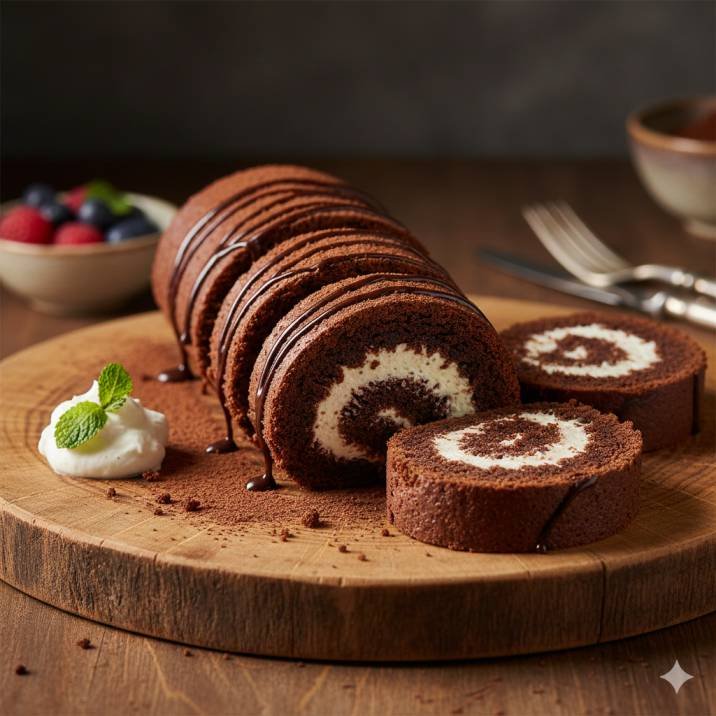

A brownie roll is a thin chocolate brownie baked flat, rolled while warm and filled with cream or chocolate, giving a rich cocoa flavour with a soft, flexible shape. Unlike sponge cake rolls, it delivers deep cocoa flavour with a soft, flexible texture. This recipe is designed to stop cracking while keeping the rich, indulgent texture of a classic brownie.
This brownie roll recipe is for bakers who want a strong chocolate flavour without problems like cracking, dryness or breaking. Baked thin and rolled gently while warm, it produces a soft, flexible brownie that holds its shape beautifully once filled. The method is straightforward, the ingredients are familiar, and tThe result looks impressive but is still easy to make. Whether served plain, filled with cream or dressed up for celebrations, this brownie roll delivers consistent texture, rich cocoa flavour and an impressive finish every time.
What Is a Brownie Roll?
Image source: pinterest.com
A brownie roll is a thin sheet of brownie-style batter baked in a shallow tray, then rolled into a spiral once warm. Although it may look like a Swiss roll, the texture and structure are very different. Swiss rolls are light and airy, while brownie rolls are richer, denser and more chocolate-focused.
The main challenge is making the brownie flexible enough to roll while keeping its fudgy texture. Too much flour creates stiffness; too little structure leads to tearing. This recipe balances flexibility and richness by using very little flour, plenty of cocoa and eggs for structure and softness.
Why This Brownie Roll Recipe Works
Image source: pinterest.com
Chocolate rolls often fail because they either crack badly or turn out dry and lacking flavour. This recipe avoids these problems by controlling moisture, building gentle structure and using the right timing. The batter acts like a thin brownie, using cocoa for rich flavour and eggs to keep it flexible without becoming stiff. Similar moisture-retaining principles are used in traditional British bakes such as this boiled cake recipe UK, where careful preparation helps keep the final bake soft and rich. By rolling the brownie while warm and allowing it to cool in shape, the texture stays supple and crack-free.
The Importance of Texture
Image source: pinterest.com
Texture is the defining factor in a successful brownie roll. The baked brownie should feel set but soft, with a dry-looking surface and no wet shine. Slight cracking on top is normal and even desirable — crackly surfaces are part of brownie character and can easily be hidden later with filling or dusting.
Bake time is very important. Brownie rolls cook much faster than standard brownies, and overbaking by just a few minutes can remove the flexibility needed for rolling. How the brownie looks and feels matters more than the exact baking time.
Key Ingredients and Their Roles
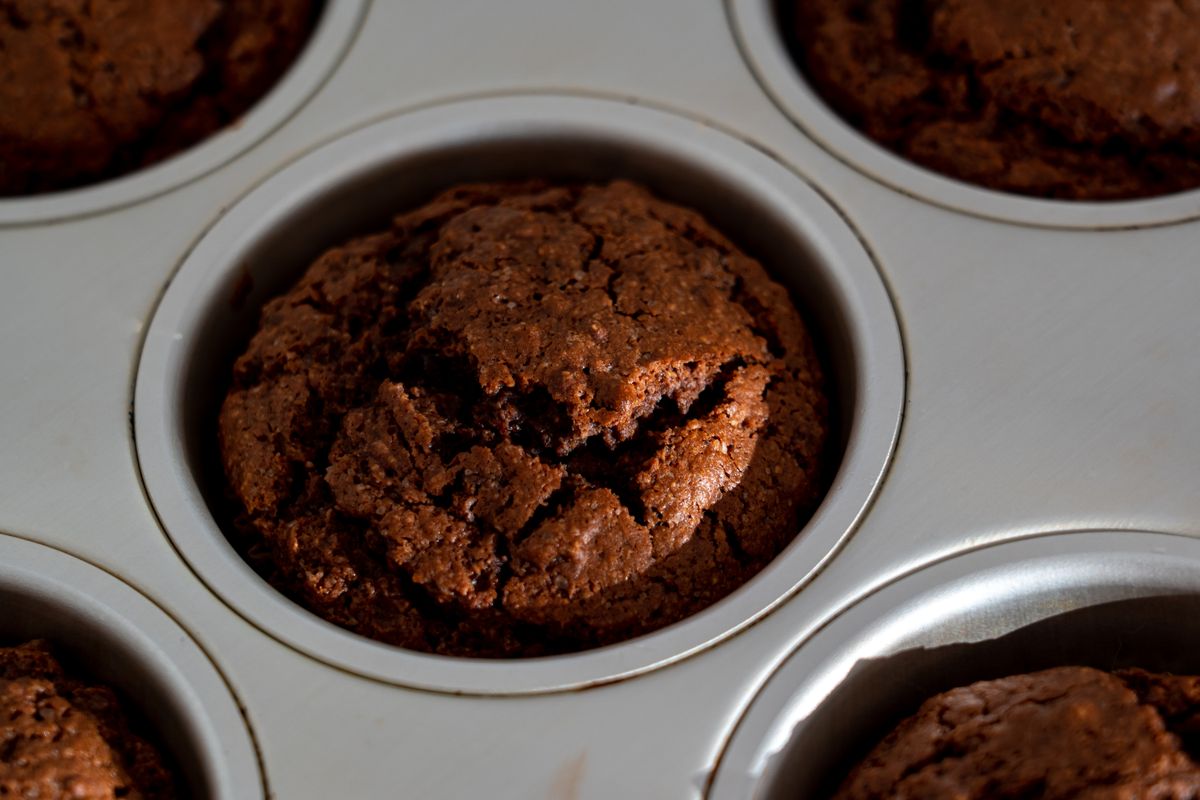
Image source: pinterest.com
Every ingredient in this recipe plays an important role in texture or flavour. Cocoa powder provides deep chocolate flavour without heaviness. Eggs create structure, elasticity and moisture retention. Sugar sweetens but also stabilises the batter. A small amount of oil keeps the crumb soft, while flour is used sparingly to prevent stiffness.
The filling is kept simple on purpose. Lightly whipped cream contrasts the dense brownie and keeps the dessert balanced rather than overly sweet. Optional toppings like cocoa powder or melted chocolate add a nice finish without overpowering the flavour.
Step-by-Step: How to Make a Brownie Roll
Making the Batter
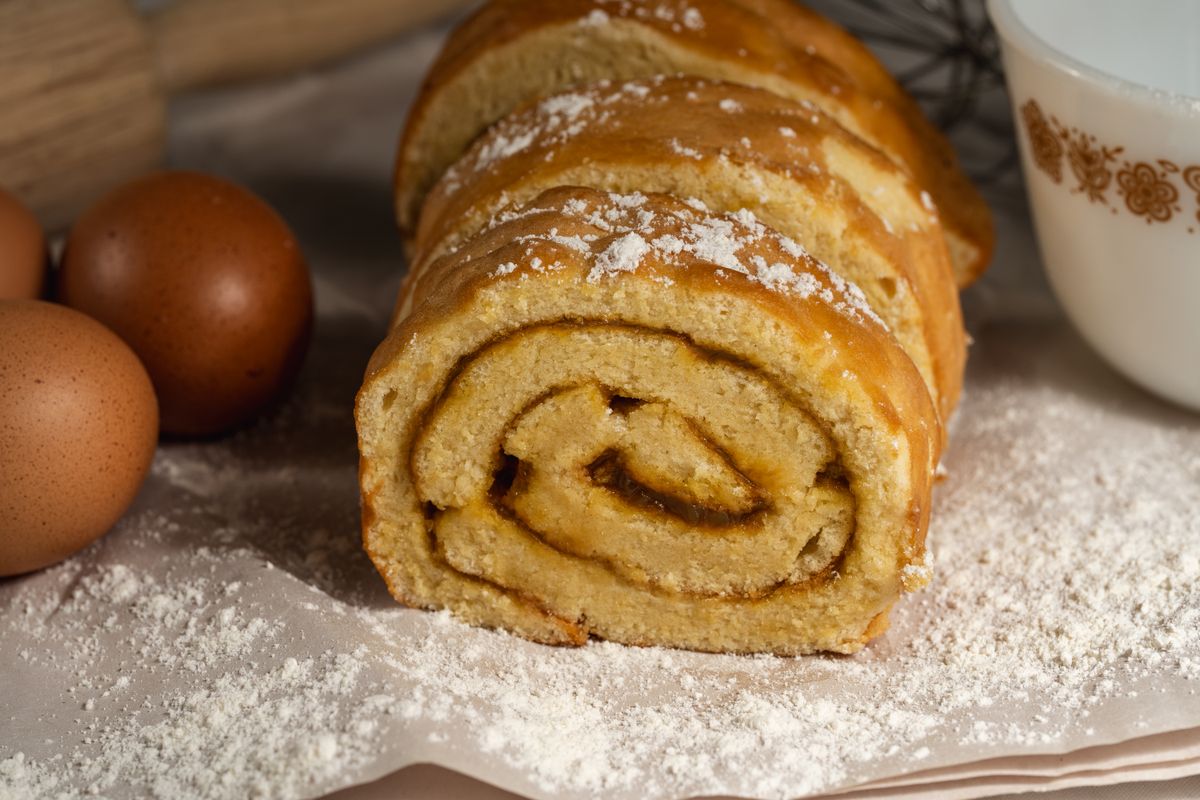
Image source: pinterest.com
The batter should resemble a smooth, pourable brownie mixture rather than cake batter. The eggs and sugar are beaten until pale and slightly thick, creating structure without adding too much air. Dry ingredients are folded in gently to avoid toughness.
Baking the Sheet
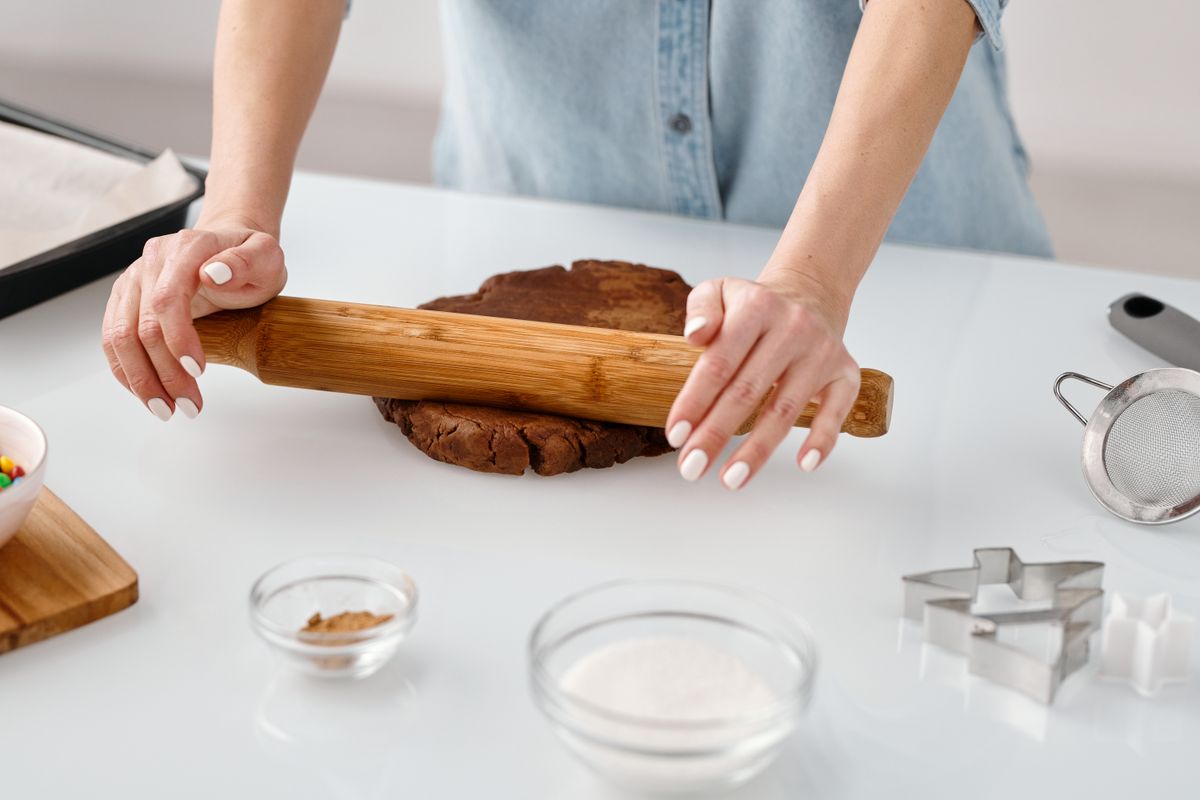
Image source: pinterest.com
The batter is spread evenly into a lined tray and baked just until set. The surface should spring back lightly when touched. This stage affects how well the brownie rolls, so it is better to slightly underbake than overbake.
Rolling Without Cracks
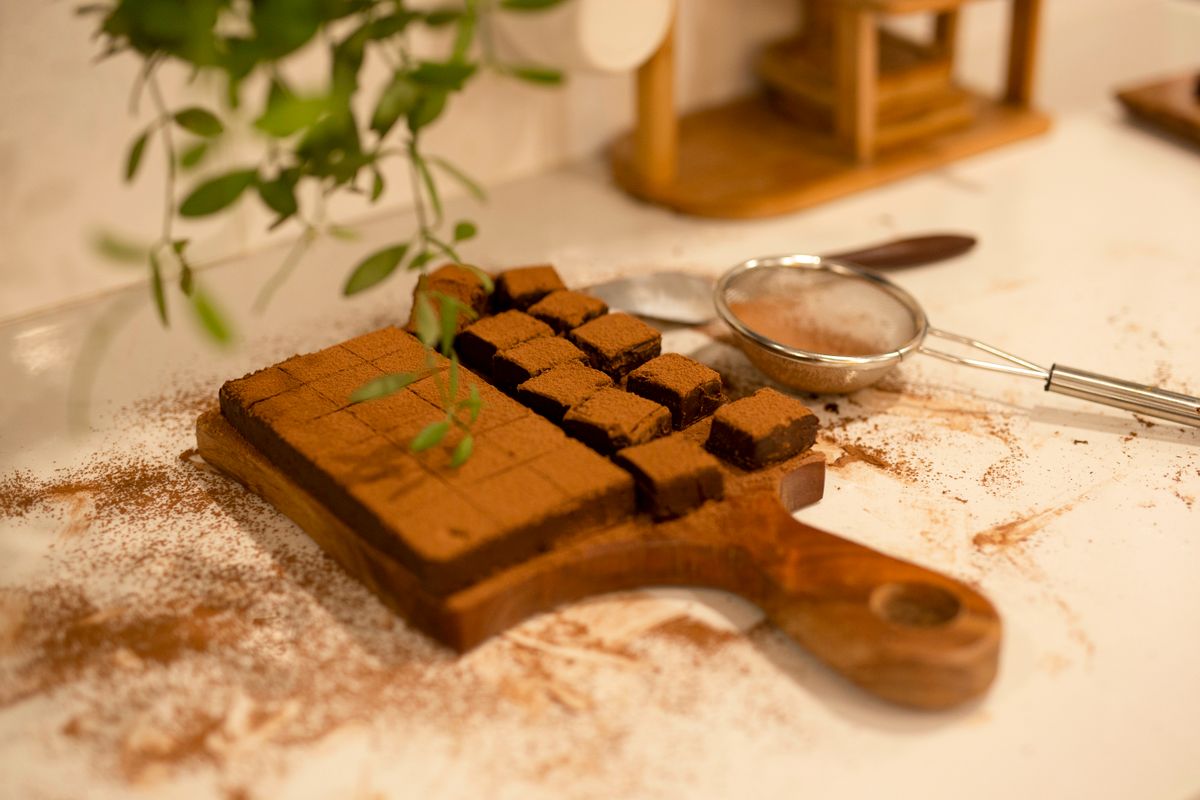
Image source: pinterest.com
Rolling must take place while the brownie is still warm, as this is when the structure is most flexible. Turning it out onto a cocoa-dusted towel prevents sticking and avoids white flour marks. Rolling from the short edge creates tighter spirals and reduces stress on the cake. Letting the brownie cool while rolled helps it keep its shape.
Filling and Assembly
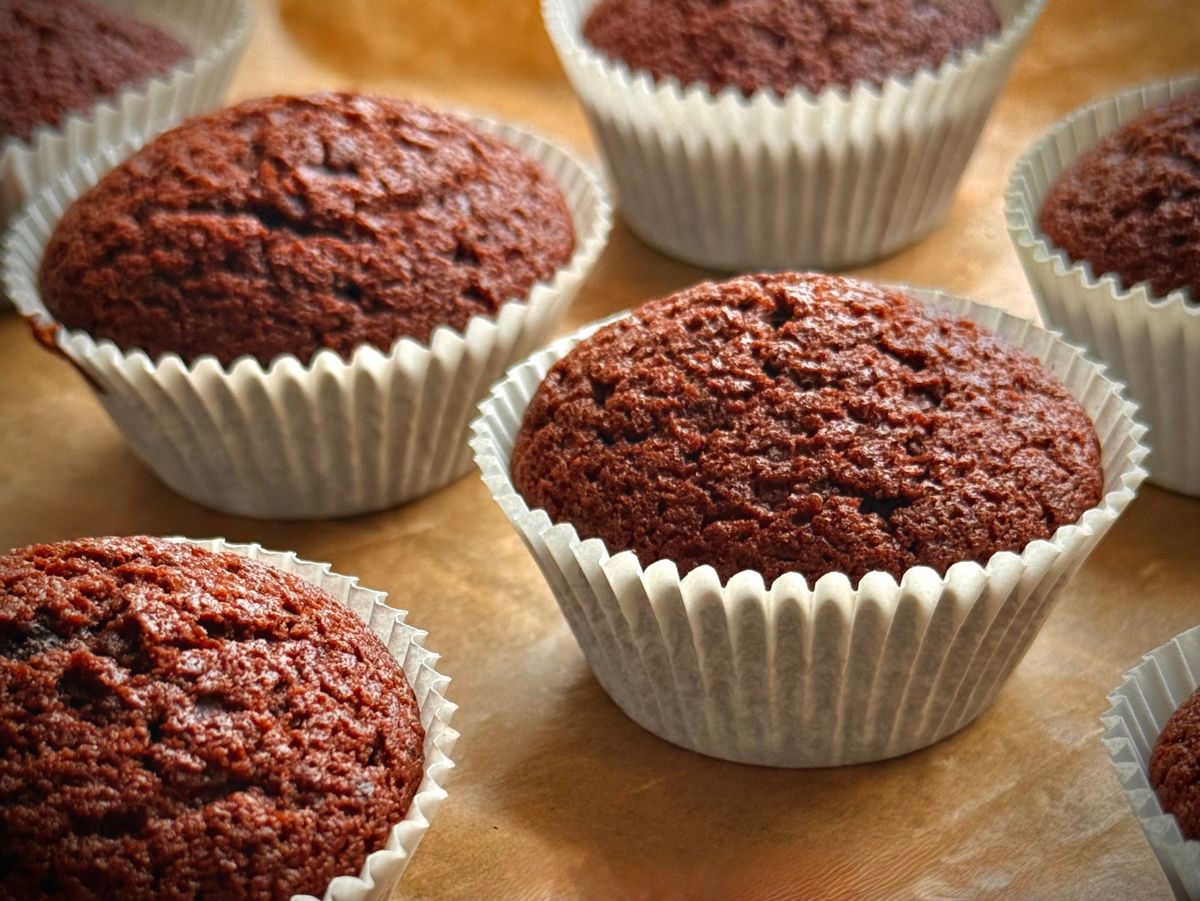
Image source: pinterest.com
Once fully cooled, the brownie is unrolled gently and filled. Overfilling is a common mistake — a thin, even layer works best. The brownie is then re-rolled, wrapped and chilled briefly to set before slicing.
Flourless & Alternative Versions
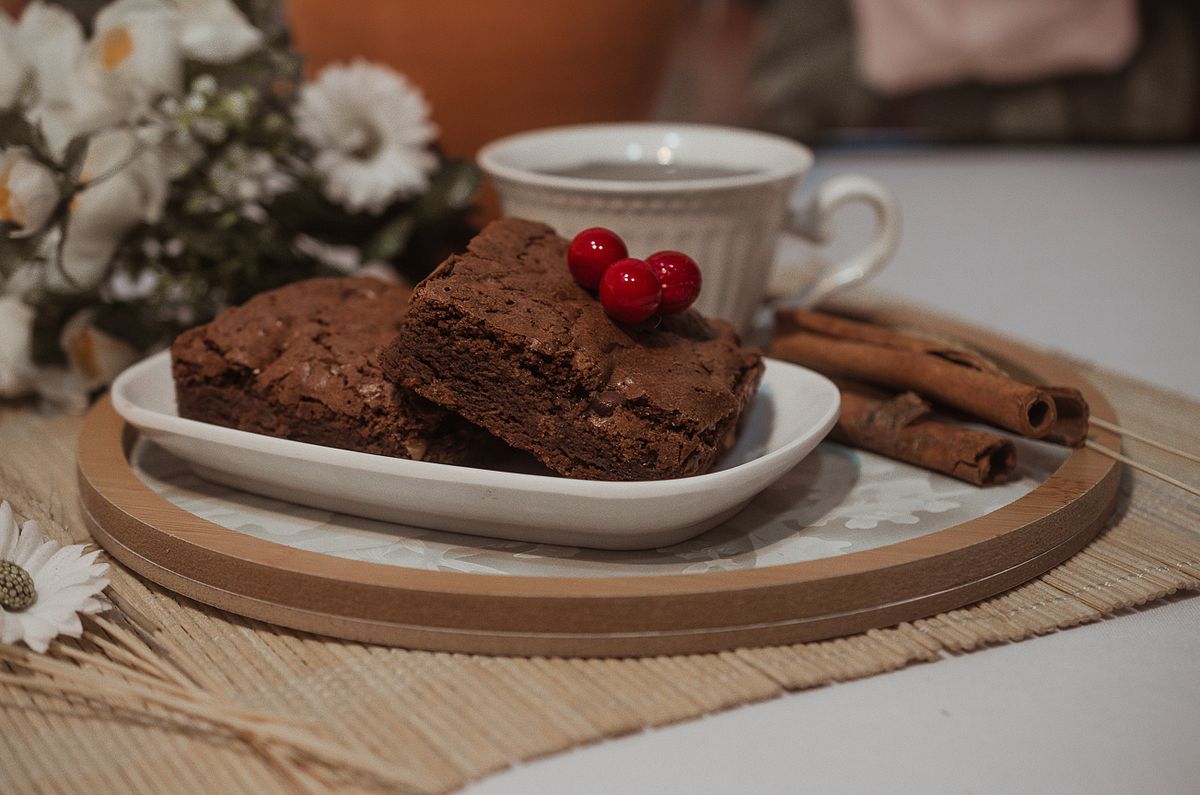
Image source: pinterest.com
Flourless brownie rolls depend on eggs and chocolate to hold their shape. In these versions, eggs are non-negotiable, as they provide elasticity and lift. Some flourless recipes add a little water when melting chocolate to improve moisture without adding extra fat, which works well when done carefully.
Blondie rolls, cheesecake brownie rolls and dietary-specific variations should be treated as fully developed alternatives rather than substitutions to maintain texture and reliability.
Make-Ahead and Storage Tips
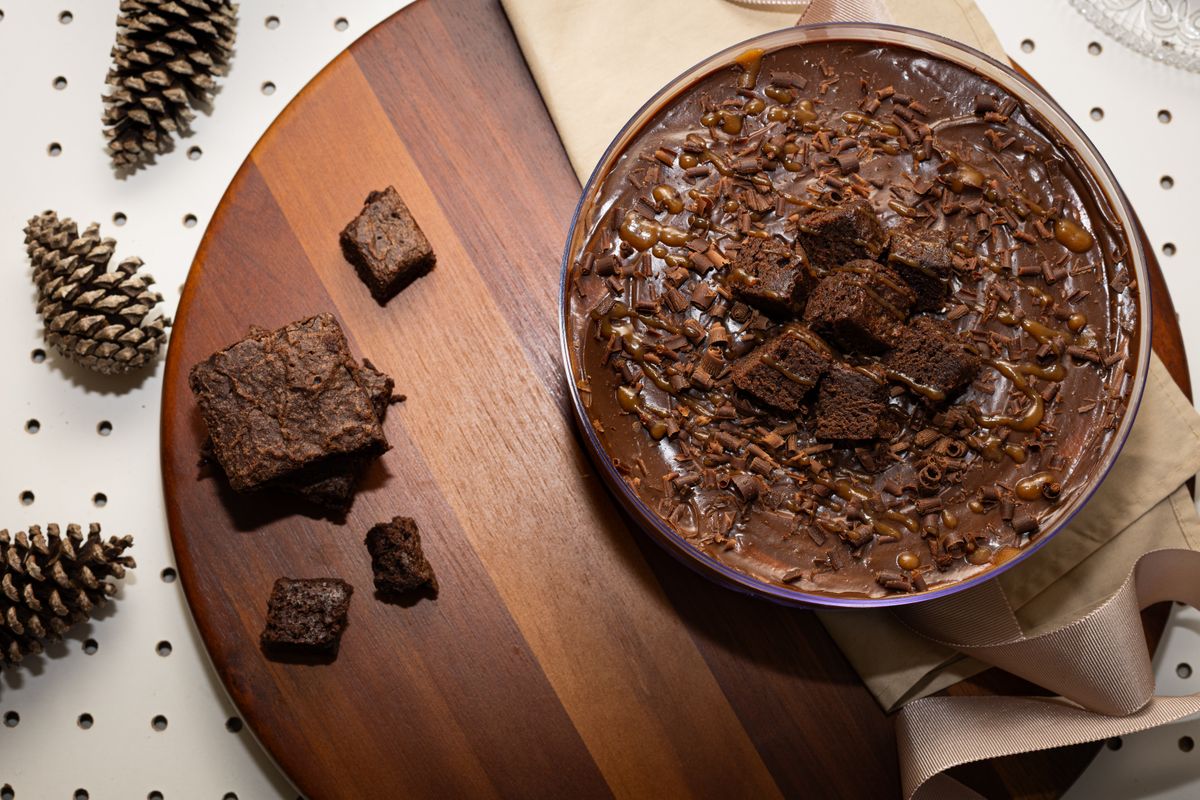
Image source: pinterest.com
Brownie rolls are well suited to advance preparation, making them practical for entertaining and planned baking. The brownie sheet can be baked, rolled and stored unfilled until the next day. Once filled, the roll should be refrigerated and consumed within three days. Unfilled rolls can be stored at room temperature, which helps preserve flexibility.
Common Mistakes to Avoid
Overbaking is the most common issue and leads directly to cracking. Rolling after the brownie has cooled also increases breakage. Too much filling can cause splitting, while expecting visual perfection at every stage can cause unnecessary frustration. Brownie rolls are forgiving, and small mistakes can easily be hidden with filling or decoration.
Brownie Roll Recipe – Easy Recipe Card
Image source: pinterest.com
Prep Time: 20 minutes
Cook Time: 12–16 minutes
Total Time: 1 hour (including cooling & filling)
Yield: 8–10 slices
Ingredients
Brownie Roll
½ cup plain flour
⅓ cup unsweetened cocoa powder
1 teaspoon baking powder
¼ teaspoon salt
4 large eggs
¾ cup caster sugar
3 tablespoons vegetable oil
1 teaspoon vanilla extract
Filling
1½ cups double cream, whipped until soft peaks
2 tablespoons icing sugar (optional)
½ teaspoon vanilla extract
Optional Topping
Cocoa powder or melted chocolate for dusting or drizzling
Instructions
Preheat the oven to 180°C (350°F). Lightly grease and line a shallow rectangular baking tray (approximately 15 × 10 inches) with parchment paper, leaving some overhang on the short sides to assist with rolling.
In a medium bowl, sift together the flour, cocoa powder, baking powder and salt. Set aside.
In a large mixing bowl, beat the eggs and caster sugar until pale, thick and slightly aerated. Add the oil and vanilla extract and mix until combined.
Gently fold the dry ingredients into the wet mixture until just combined. The batter should be smooth and resemble a thin brownie batter.
Pour the batter into the prepared tray and spread evenly into the corners. Bake for 12–16 minutes, or until the surface is set and springs back lightly when touched.
While the brownie is still warm, carefully lift it out using the parchment paper and place it onto a clean tea towel lightly dusted with cocoa powder. Gently roll the brownie from the short edge, using the towel to guide it. Leave rolled and allow to cool completely.
Once cooled, carefully unroll the brownie. Whip the cream with icing sugar and vanilla, then spread evenly over the surface, leaving a small border around the edges.
Re-roll the brownie gently, wrap lightly and chill for at least 30 minutes before slicing. Dust with cocoa powder or drizzle with melted chocolate before serving if desired.
Conclusion
This brownie roll recipe brings together everything chocolate lovers value in a dessert: deep cocoa flavour, soft fudgy texture and a rolled finish that looks impressive while remaining straightforward to make. By baking the brownie thin, rolling it while warm and keeping the filling simple, you avoid the common problems of cracking and dryness that affect many chocolate rolls. Whether you choose a classic cream filling or experiment with variations, this recipe is reliable, adaptable and well-suited to both everyday baking and special occasions. Once you master the technique, it becomes a dessert you can confidently return to again and again.
Frequently Asked Questions (FAQs)
Why does my brownie roll crack while rolling?
Cracking usually happens when the brownie is overbaked or rolled after it has cooled. Baking just until set and rolling while warm helps prevent this.
Is a brownie roll the same as a Swiss roll?
No. A brownie roll is denser and fudgier, while a Swiss roll is made from light sponge cake and relies on airiness rather than richness.
Can I make a brownie roll without flour?
Yes. Flourless brownie rolls work well when eggs are properly whipped, as eggs provide the structure and flexibility normally supplied by flour.
What is the best filling for a brownie roll?
Lightly whipped cream is the most balanced option, but chocolate ganache, Nutella or caramel-based fillings also work well depending on sweetness preference.
Can I make a brownie roll in advance?
Yes. You can bake and roll the brownie sheet a day ahead, then fill and re-roll it just before serving for best results.
Can a brownie roll be frozen?
Yes. Freeze the unfilled brownie roll for best texture, then thaw and fill before serving.