


Gothic bathroom decor uses dark colours, soft lighting, detailed designs and rich materials to create a bathroom that feels luxurious, calm and timeless. By combining black fixtures, vintage-inspired elements, warm lighting and textured surfaces, gothic bathrooms achieve a bold yet elegant balance between mystery and comfort.
Gothic bathroom decor is not about making the space feel dark or scary, but about creating depth, mood and elegant drama. Inspired by European and Victorian design, gothic interiors add richness and character to modern homes through thoughtful use of materials, lighting and layout.When applied thoughtfully, a gothic bathroom can feel indulgent, calming and visually striking rather than overwhelming. From sculptural clawfoot bathtubs to warm ambient lighting and layered textures, gothic design allows everyday routines to unfold in a space that feels intentional and expressive. This guide explores how to create a gothic bathroom that balances mystery with elegance, tradition with modern comfort.
What Is Gothic Bathroom Decor?
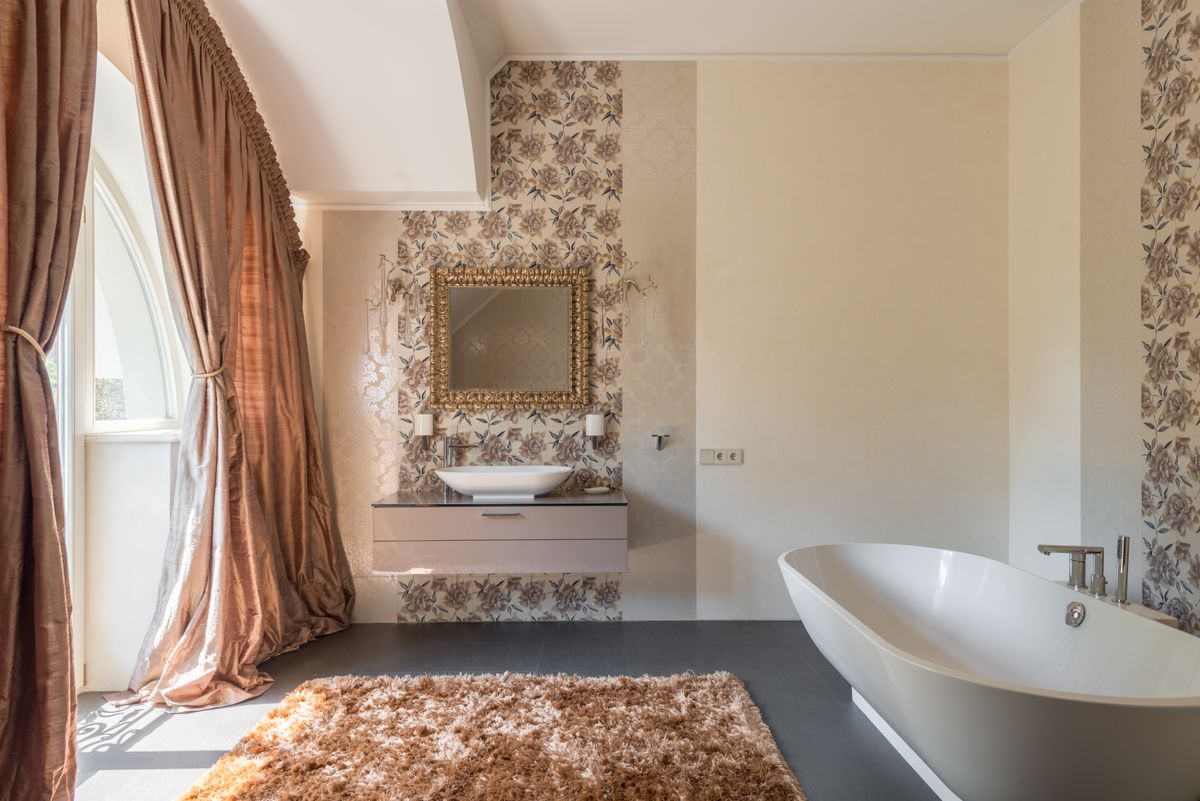
Image source: pinterest.com
Gothic bathroom decor is a style inspired by Gothic and Victorian design, historic interiors and strong visual contrast. It focuses more on depth, texture and mood rather than bright colours or simple design. Unlike modern bathrooms that prioritise stark white surfaces and clinical lighting, gothic bathrooms focus on richness—both visually and emotionally.
The style does not require medieval excess or theatrical props. Instead, it uses a controlled palette of dark colours, warm metallics, vintage silhouettes and layered materials to create a space that feels grounded, luxurious and timeless. When done correctly, gothic bathroom decor feels curated rather than themed.
Why Gothic Style Works So Well in Bathrooms
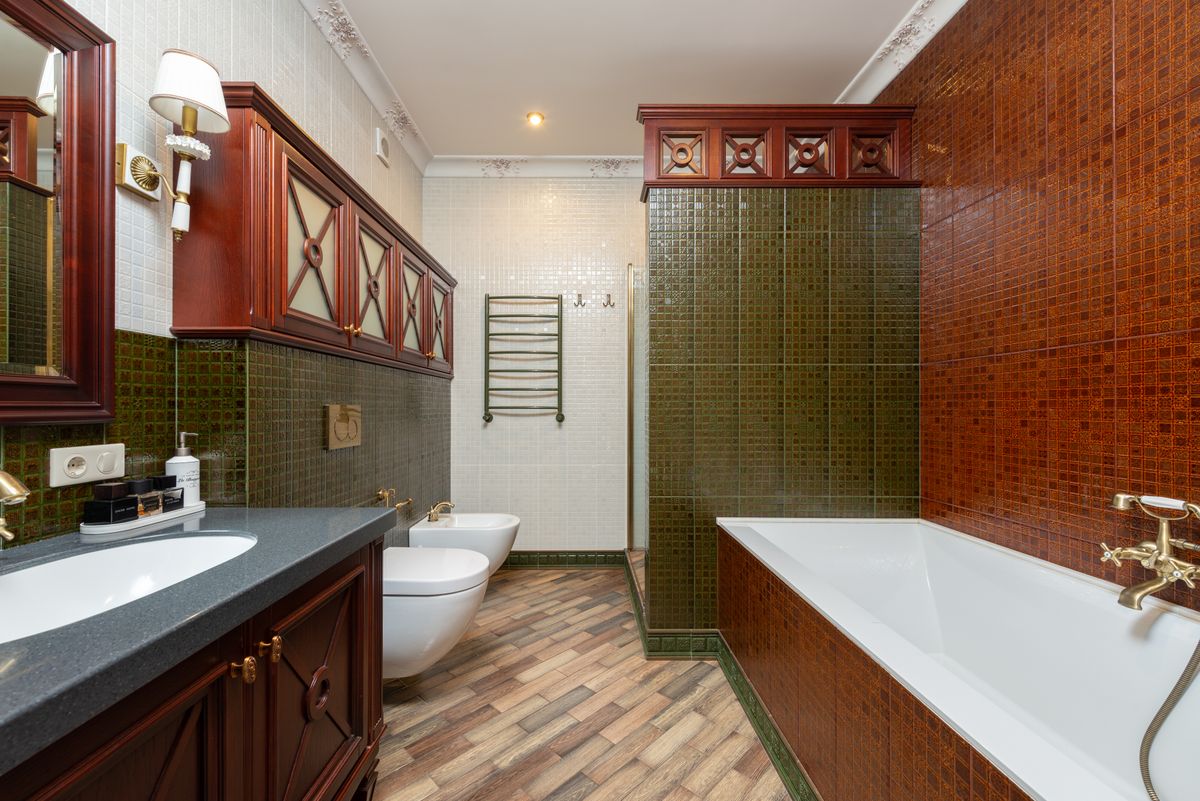
Image source: pinterest.com
Bathrooms work well with gothic design because they are private and enclosed spaces. The cocooning effect of darker tones enhances privacy and relaxation, while reflective materials such as mirrors, polished stone and metal fittings prevent the room from feeling heavy.
Gothic design also embraces ritual—long baths, candlelit evenings, slow routines—which aligns perfectly with the function of a bathroom. Rather than fighting the darkness, gothic decor uses it to create calm and focus, turning the bathroom into a retreat rather than a purely functional room.
The Importance of Atmosphere Over Darkness
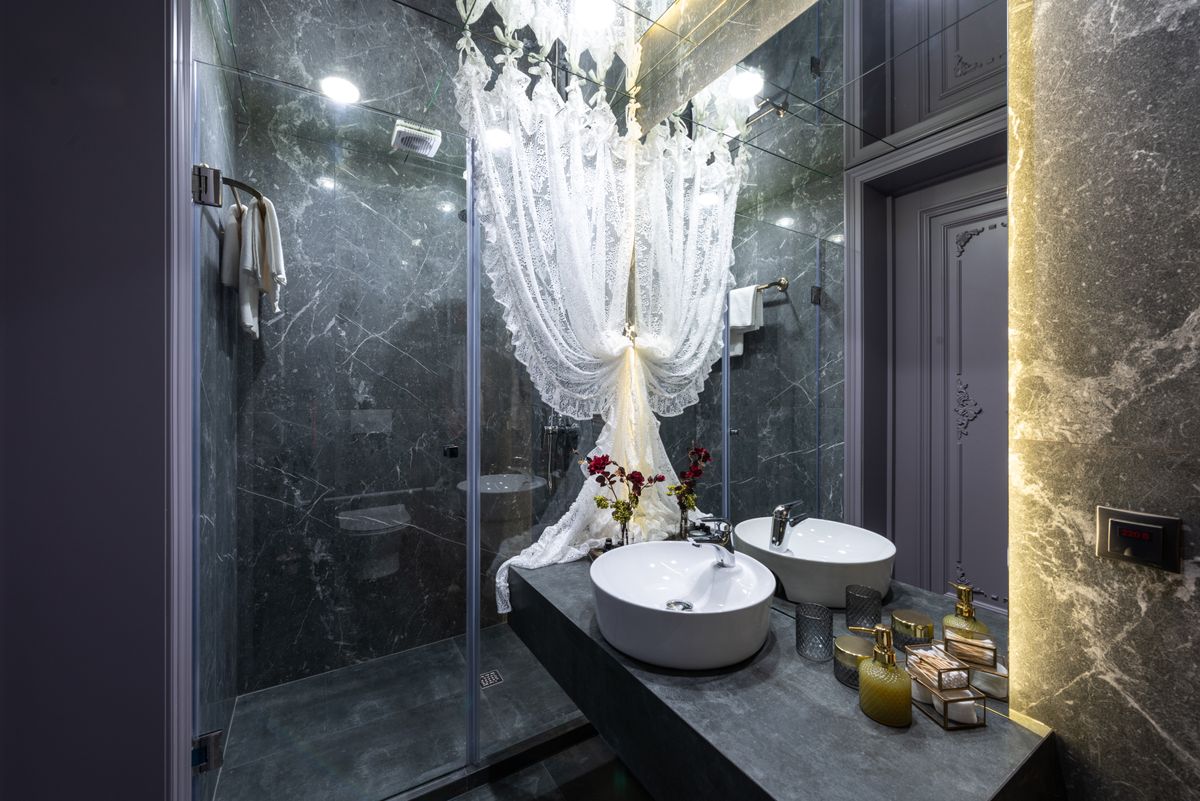
Image source: pinterest.com
Many people think gothic bathrooms must feel dark or gloomy, but this is not true. In reality, successful gothic spaces rely on contrast. Dark surfaces are balanced with warm lighting and reflective finishes to keep the space visually interesting.
Historic gothic architecture often featured enormous windows and filtered light through stained glass. In modern homes, this principle translates into warm lighting sources, layered illumination and indirect glow. The darkness becomes a canvas, not the final effect.
Colour Palettes That Define Gothic Bathroom Decor
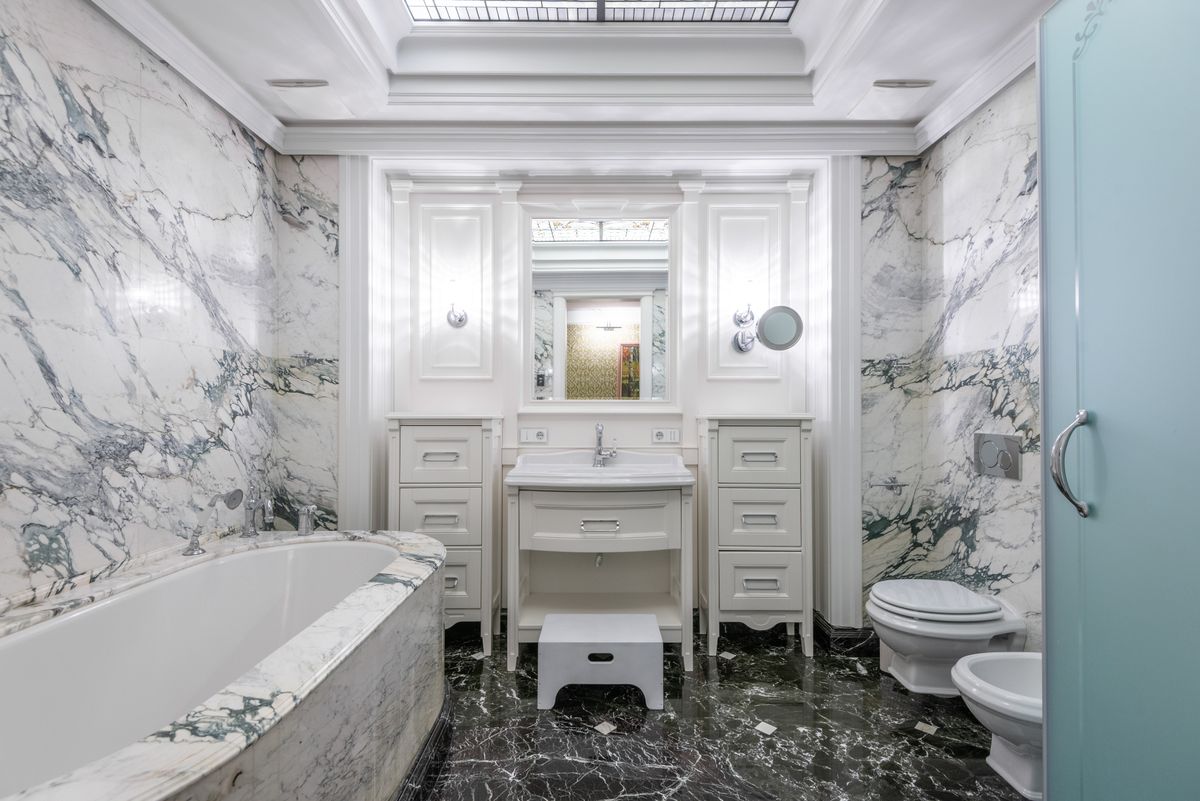
Image source: pinterest.com
Black is a popular gothic colour, but it is not the only choice. Deep charcoal, slate grey, burgundy, emerald green and midnight blue all work beautifully within gothic bathrooms. These tones add complexity and soften the harshness of pure black.
Lighter elements—such as white marble, cream ceramics or antique brass—provide contrast and prevent the space from feeling visually flat. Using fewer colours in a thoughtful way creates a stronger and more balanced look.
Black Bathroom Fixtures as Visual Anchors
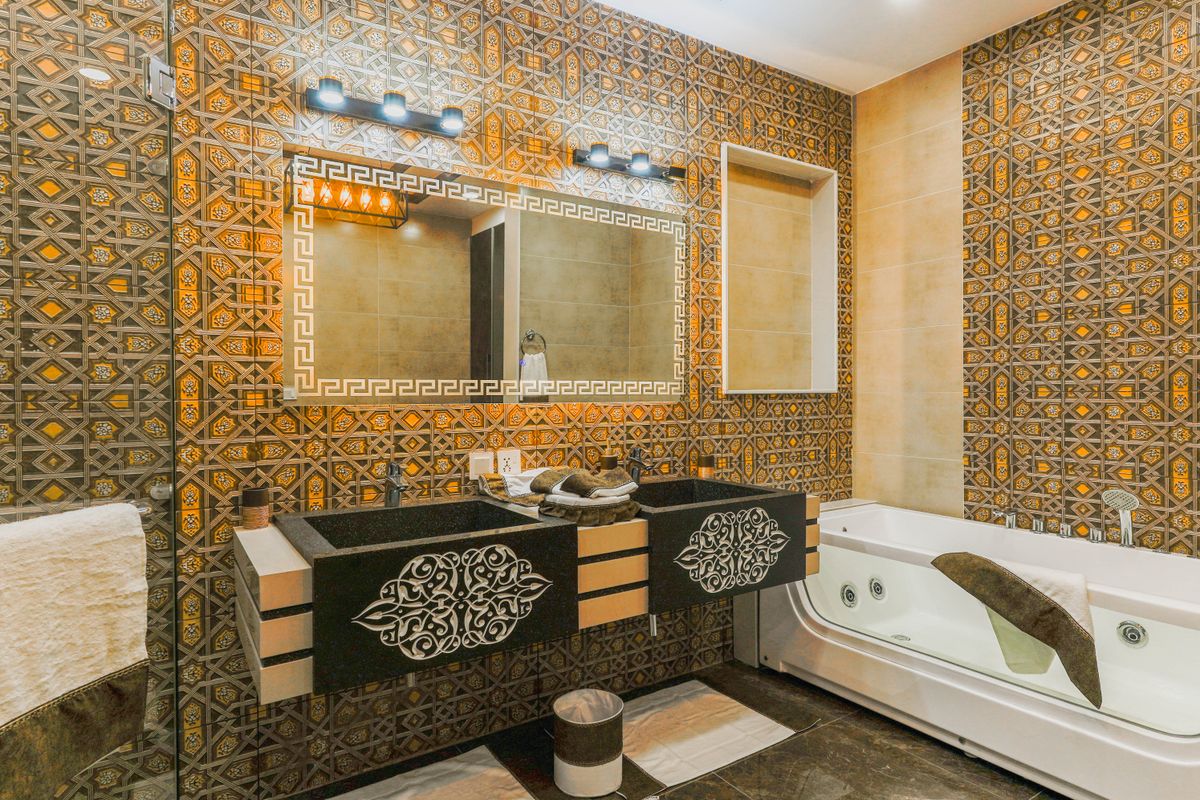
Image source: pinterest.com
Black fixtures are an important base element in gothic bathroom design. Basins, taps, showers and toilets in matte or satin black instantly ground the space and establish the gothic tone without needing excessive decoration.
Instead of fading into the background, these fixtures stand out and ground the design. Their strong silhouettes provide balance against softer materials such as wood, wallpaper or textiles, helping the bathroom feel composed and deliberate.
Dark Wood and Natural Materials
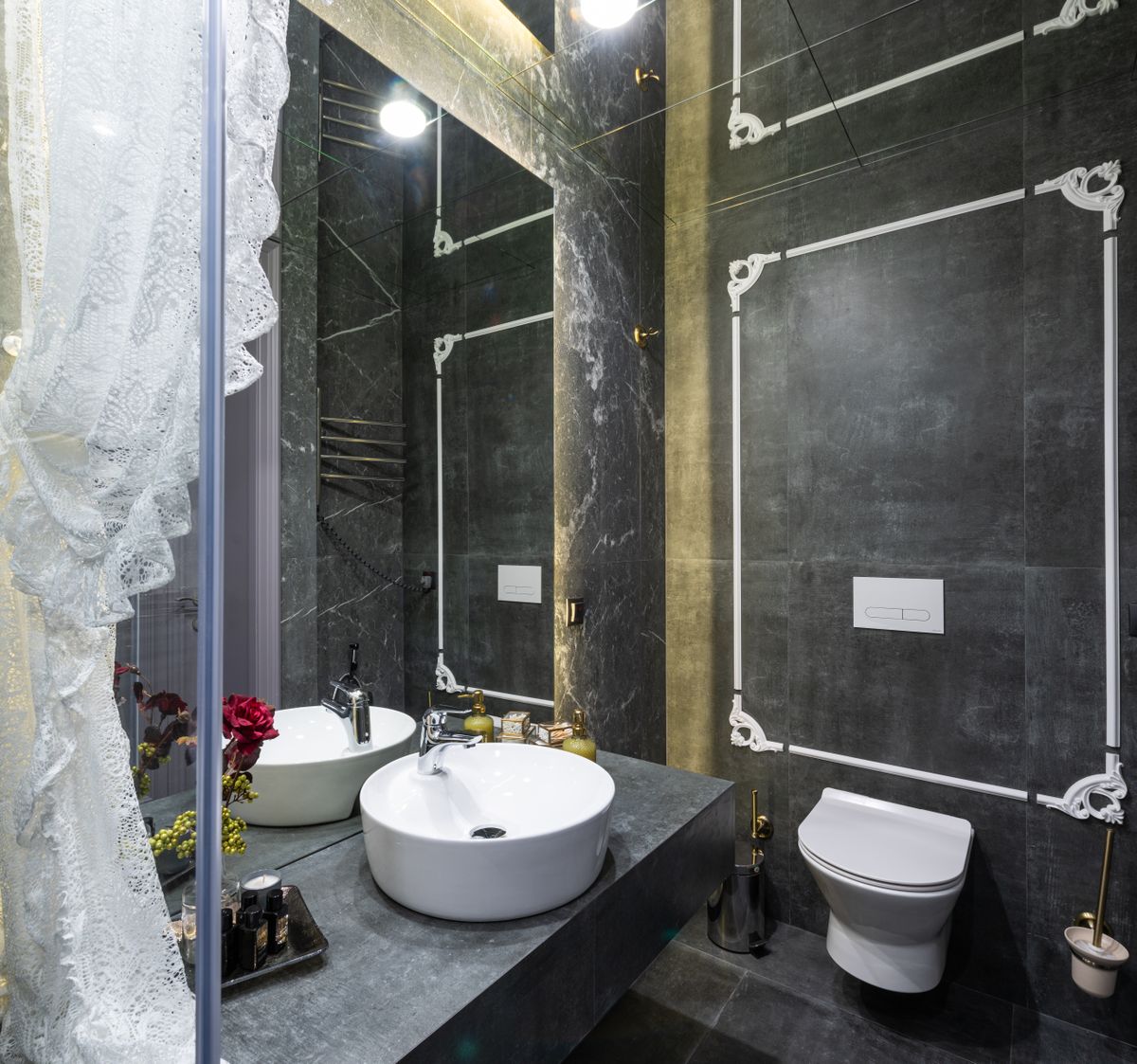
Image source: pinterest.com
Dark wood helps soften the look of gothic bathrooms. Vanities, shelving units and cabinets in walnut, mahogany or stained oak introduce warmth and organic texture that counterbalance metal and stone surfaces.
Natural materials stop the bathroom from feeling too cold or overly dramatic. It also echoes historic craftsmanship, reinforcing the sense of age and permanence that defines gothic design.
Scale, Proportion and Grandeur

Image source: pinterest.com
Gothic design often focuses on bold size and strong presence. Large architectural forms, tall windows and bold structures are central to its identity. This principle carries into gothic bathroom decor through oversized fixtures and confident proportions.
Freestanding bathtubs, large mirrors and generous basins enhance the feeling of opulence and visual weight. Even in small bathrooms, one large statement feature can make a big difference.
The Freestanding Bathtub as a Gothic Centrepiece
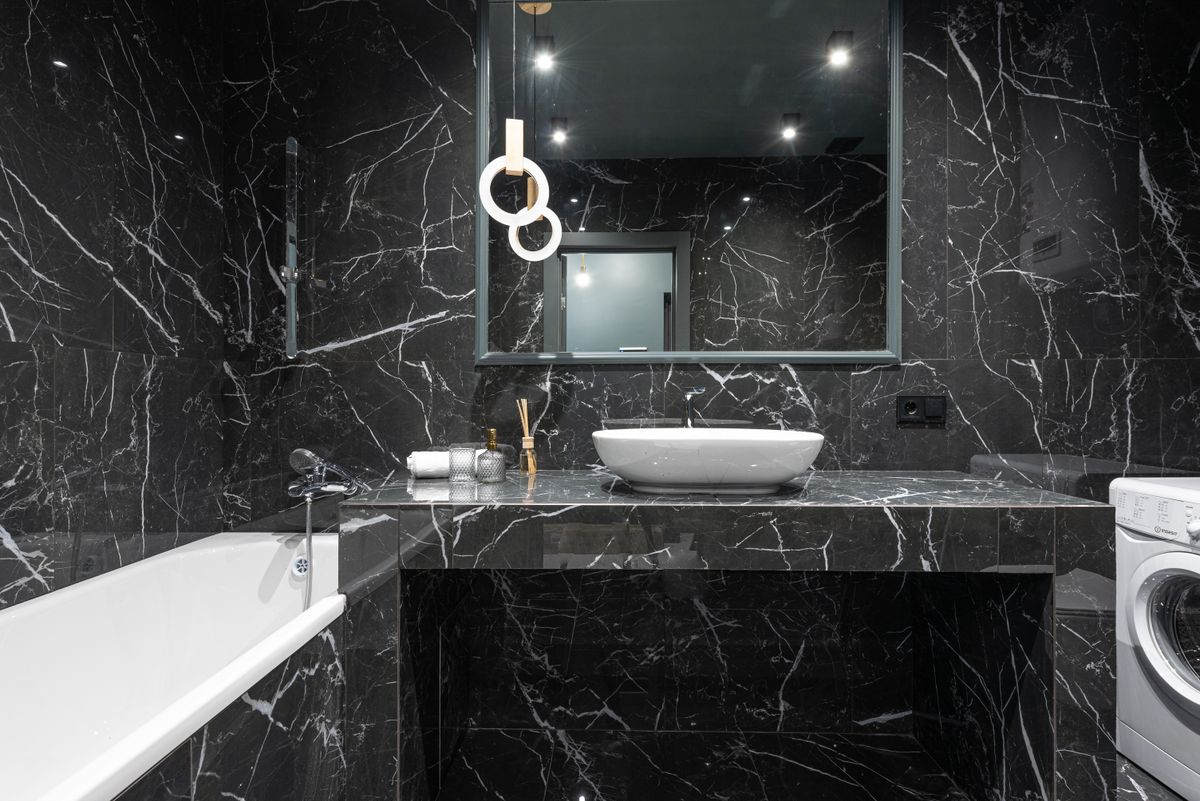
Image source: pinterest.com
A freestanding bathtub—particularly a clawfoot or roll-top design—is one of the most iconic elements of gothic bathroom decor. Its sculptural form introduces drama and elegance while referencing Victorian bathing rituals.
The bathtub should feel intentional, positioned as a focal point rather than pushed against a wall. Paired with vintage-style taps or exposed pipework, it becomes both a functional feature and a statement of style.
Ornate Details and Victorian Influence
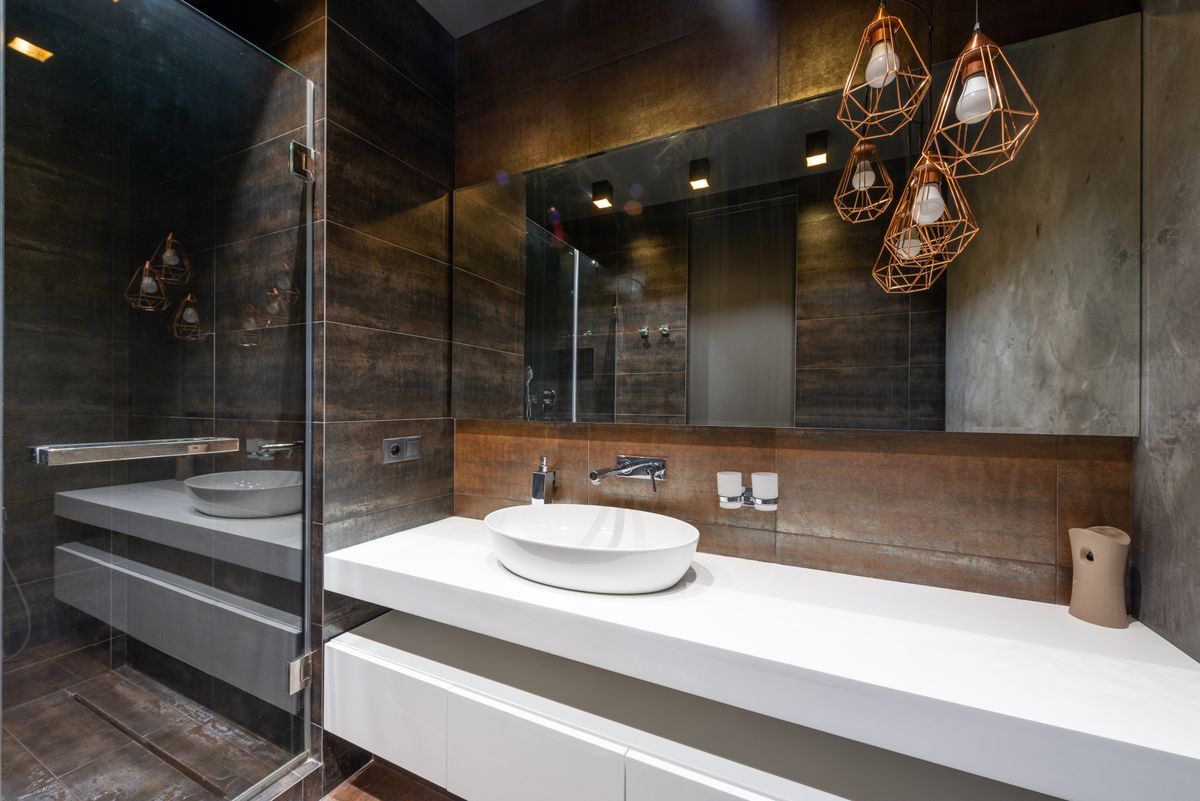
Image source: pinterest.com
Gothic bathrooms thrive on detail. Ornate mirrors, decorative towel rails, carved frames and vintage-inspired fittings add layers of visual interest and reinforce the historical roots of the style.
These details should feel curated rather than excessive. A single ornate mirror or a pair of decorative sconces often has more impact than multiple competing features.
Lighting: The Heart of Gothic Bathroom Design
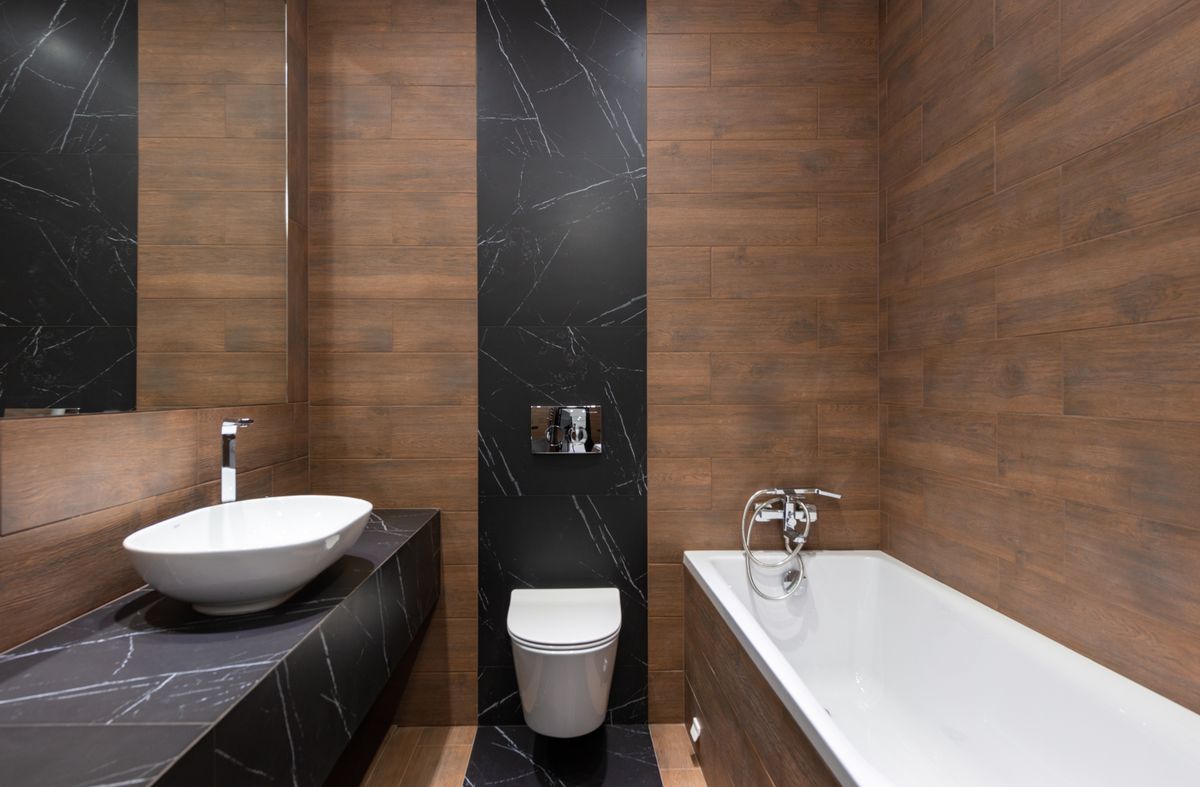
Image source: pinterest.com
Lighting decides whether a gothic bathroom feels luxurious or uncomfortable. Warm, indirect lighting is essential. Chandeliers, wall sconces and LED mirrors with warm tones provide glow without glare.
Candles, whether real or LED, add softness and ritualistic charm. Using different light sources helps change the mood from day to night, from practical brightness to evening ambience.
Wallpaper and Pattern in Gothic Bathrooms
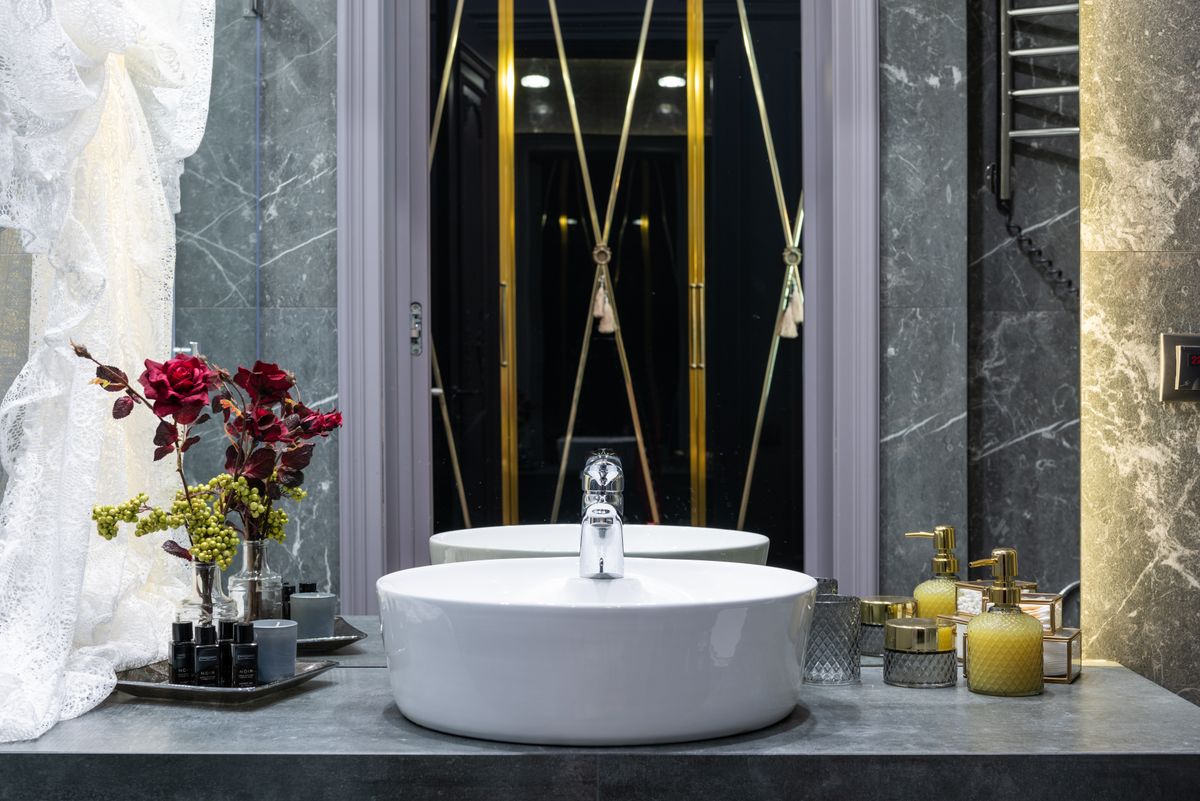
Image source: pinterest.com
Modern waterproof wallpaper has transformed what is possible in bathroom design. Gothic bathrooms can now feature intricate patterns such as dark florals, damask prints, botanical illustrations or subtle geometric motifs.
Wallpaper adds depth and character without changing the structure of the bathroom. Used on a single feature wall or above panelling, it creates visual richness while maintaining balance.
Plants and Organic Gothic Elements
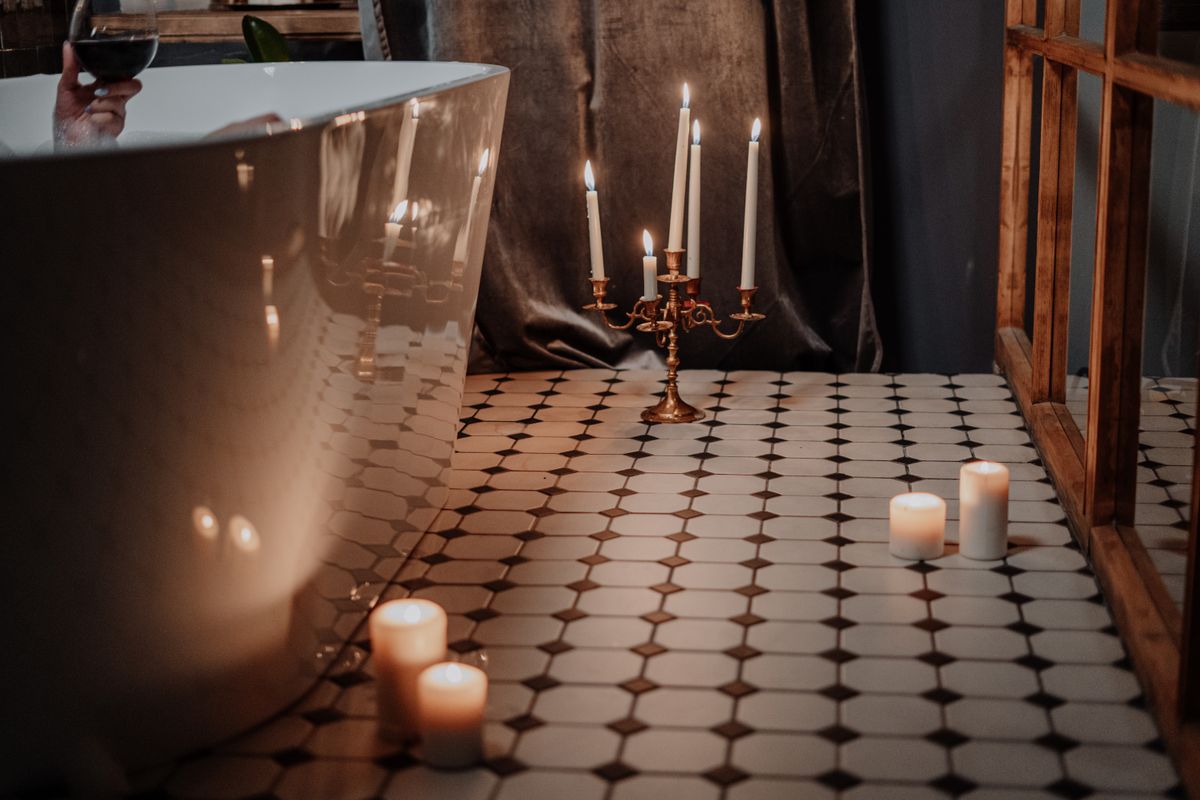
Image source: pinterest.com
Plants are a surprisingly important part of gothic bathroom decor. Trailing ivy, ferns and climbing plants soften hard surfaces and introduce movement. They also reference the natural motifs found in historic gothic art and architecture.
Hanging plants work particularly well, drawing the eye upward and enhancing vertical space while maintaining floor clarity.
Modern Gothic vs Victorian Gothic Bathrooms
Modern gothic bathrooms favour clean lines, restrained ornamentation and minimal clutter, while still using dark palettes and dramatic contrast. Victorian gothic spaces lean more heavily into decoration, pattern and antique detailing.
Both approaches are valid. The choice depends on personal preference and the architectural context of the home. Many successful bathrooms blend elements of both styles for a balanced result.
Gothic Bathrooms in Small Spaces
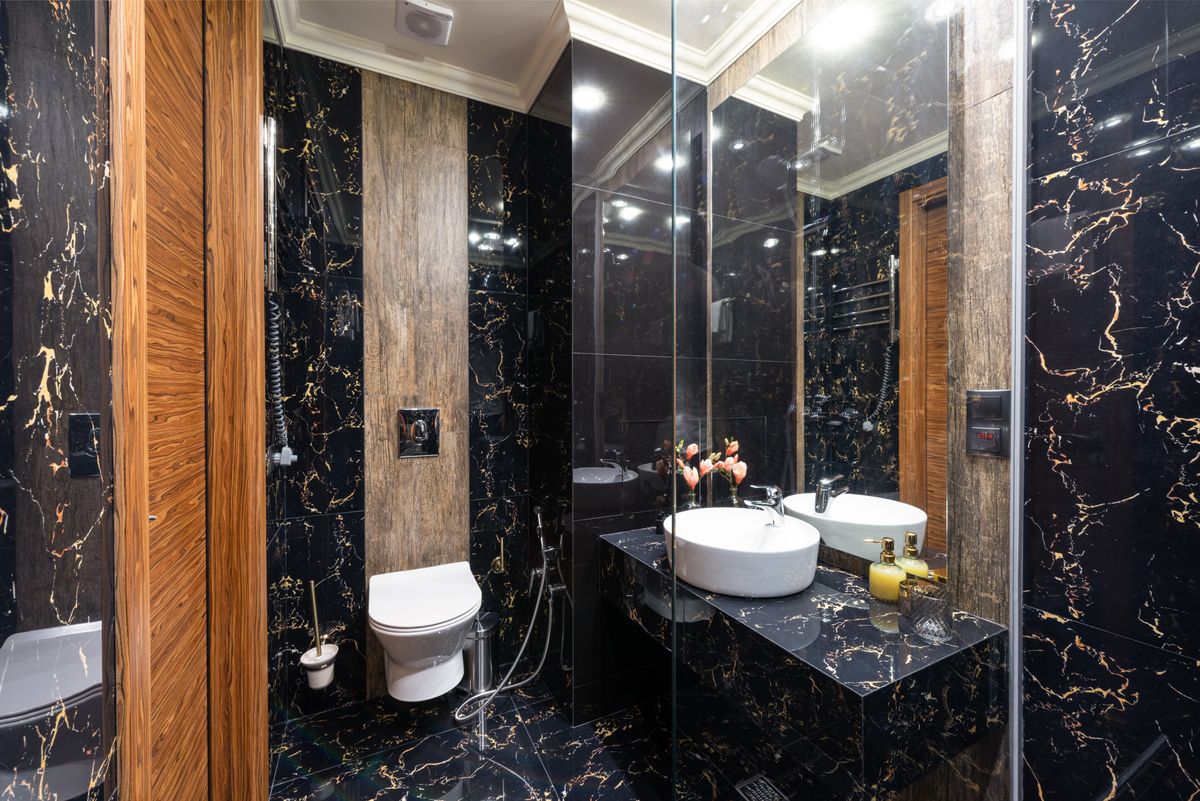
Image source: pinterest.com
Gothic decor can work beautifully in small bathrooms when applied selectively. Dark walls can make a small bathroom feel cosy and stylish instead of cramped.
Using mirrors, reflective tiles and warm lighting prevents visual heaviness. Limiting the palette and focusing on one or two statement features keeps the design cohesive.
Common Mistakes to Avoid
Adding too many gothic items can make the bathroom feel forced instead of natural. Gothic design benefits from breathing room and careful curation.
Another mistake is using harsh white lighting, which flattens textures and undermines the atmosphere. Warm, layered lighting is always preferable.
Conclusion
Gothic bathroom decor is about balancing dark colours with warmth, comfort and modern living. When designed carefully, a gothic bathroom becomes more than just a stylish space. it becomes a retreat that encourages slow moments and intentional rituals. By focusing on atmosphere, proportion, texture and lighting rather than excess, you can create a space that feels timeless rather than trendy. Whether you lean toward Victorian opulence or modern minimalism, gothic design offers the freedom to express individuality while maintaining elegance and depth in one of the most personal rooms of the home.
Frequently Asked Questions (FAQs)
What is gothic bathroom decor?
Gothic bathroom decor is a design style inspired by Gothic and Victorian interiors. It uses dark colour palettes, ornate details, vintage fixtures and warm lighting to create a dramatic yet elegant atmosphere that feels rich and timeless rather than gloomy.
Can gothic bathroom decor work in small bathrooms?
Yes, gothic bathroom decor can work beautifully in small bathrooms. Using dark colours alongside mirrors, reflective surfaces and warm lighting helps maintain depth and balance, creating an intimate and stylish space rather than making it feel cramped.
What colours are best for gothic bathroom decor?
The most effective colours for gothic bathroom decor include black, charcoal grey, deep green, burgundy and midnight blue. These are often balanced with lighter elements such as white marble, antique brass or soft metallic finishes.
How do I make a gothic bathroom feel warm and inviting?
Warm lighting is key. Layered light sources, warm LED mirrors, wall sconces and candle-style lighting soften dark surfaces. Natural textures like dark wood, stone and textiles also add warmth and comfort.
Do I need vintage fixtures for a gothic bathroom?
Vintage or vintage-inspired fixtures enhance the gothic look, but they are not essential. Modern fixtures with classic silhouettes, dark finishes or ornate detailing can still achieve a gothic feel when paired with the right materials and lighting.
Is gothic bathroom decor expensive?
Gothic bathroom decor does not have to be expensive. You can achieve the look through affordable changes such as wallpaper, lighting, accessories and paint, while investing in one statement piece like a mirror or bathtub if your budget allows.
What type of lighting suits gothic bathrooms best?
Gothic bathrooms benefit from warm, indirect lighting. Wall sconces, chandeliers, LED mirrors with warm tones and candles help create a soft glow that enhances atmosphere without harsh brightness.
Can gothic bathroom decor look modern?
Yes, modern gothic bathrooms combine clean lines with dark colour palettes and subtle ornamentation. By limiting decorative elements and focusing on texture and lighting, gothic decor can feel contemporary and refined.
Are plants suitable for gothic bathroom decor?
Plants work very well in gothic bathrooms. Hanging or trailing plants, such as ivy or ferns, add organic contrast and movement, softening dark surfaces while reinforcing gothic design’s connection to nature.
How do I avoid making my gothic bathroom look too dark?
Balance is essential. Pair dark walls or fixtures with reflective materials, warm lighting and lighter accents. Avoid using black everywhere—contrast creates depth and keeps the space elegant rather than oppressive.