


A curry pastry puff is a golden, flaky snack filled with a warm and spiced curry made from vegetables or meat. This guide explains how to make curry pastry puffs at home using ready-made puff pastry, including baking and frying methods, popular Asian styles, filling ideas, storage tips, and an easy recipe card.
Curry pastry puffs are a popular snack in many cultures because of their crisp, flaky pastry and flavourful curry filling. From Malaysian curry puffs and Thai karipap to Indian bakery-style veg puffs, this simple snack has taken many delicious forms. According to Rasa Malaysia, Malaysian curry puffs are often filled with potatoes, chicken, and curry spices wrapped in pastry and fried until golden. Today, many home cooks use ready-made puff pastry to make a quicker version at home without losing flavour or texture.
About Curry Pastry Puffs
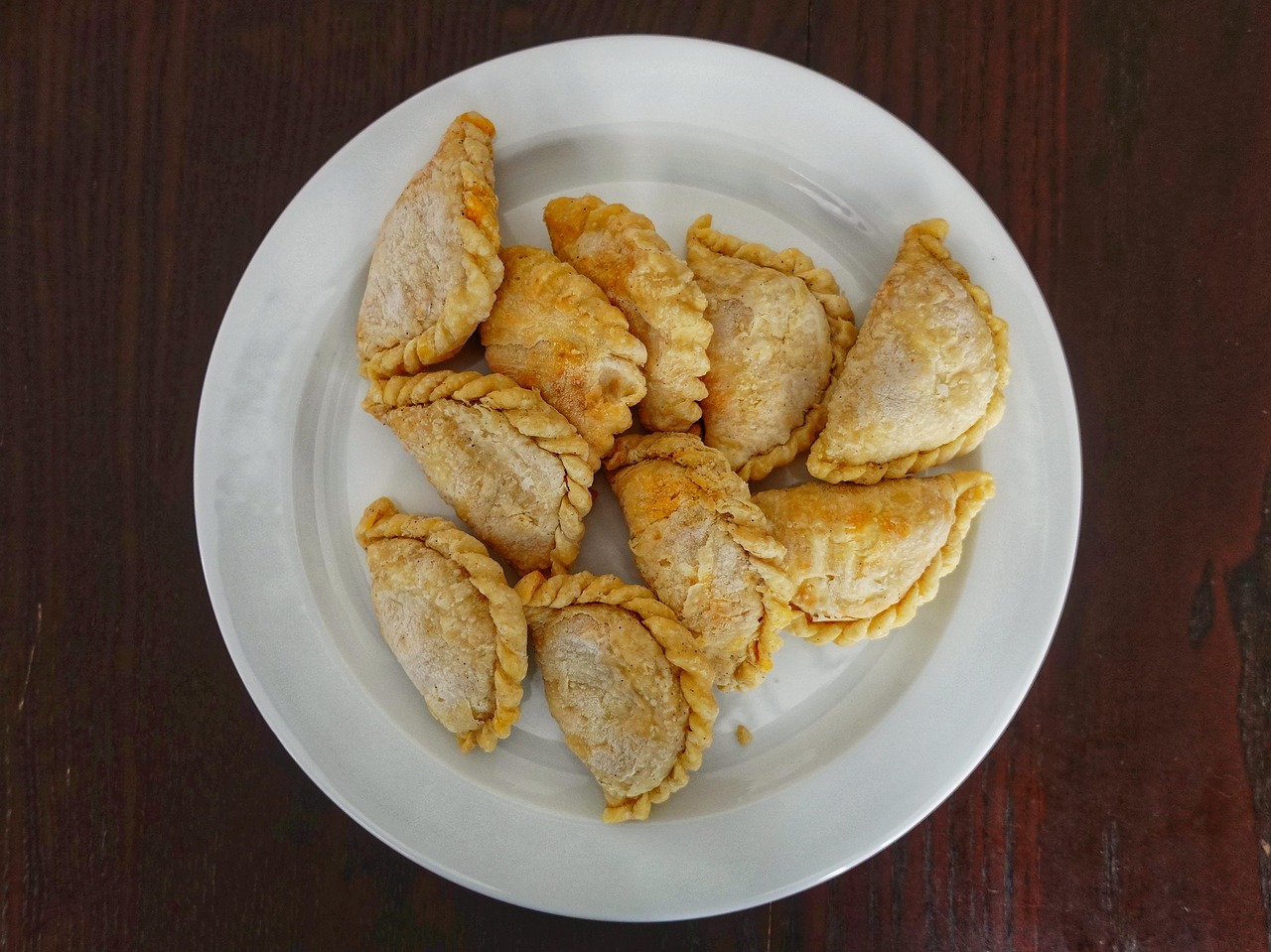
Flaky curry pastry puffs filled with spiced vegetable curry
Image source: pixaby
Curry pastry puffs are filled pastries made by wrapping cooked curry inside dough and baking or frying them until golden. While the basic idea is the same, the flavours and cooking methods vary by region. Malaysian versions often use curry paste and potatoes, Thai curry puffs may include sweet potatoes and layered dough, and Indian veg puffs are usually baked with spiced vegetables or paneer. These pastries are popular as street food, bakery snacks, party food, and lunchbox snacks because they are easy to carry and taste good warm or cold.
In many countries, curry puffs are folded into half-moon shapes or sealed with decorative edges. Some are deep-fried for extra crispiness, while others are baked for a lighter texture. No matter the style, the combination of flaky pastry and thick curry filling makes them very satisfying and comforting to eat.
Why You’ll Love This Curry Pastry Puff Recipe
This recipe is simple to follow and still delivers great flavour. Store-bought puff pastry saves time and gives reliable flakiness. The filling is cooked until thick, which helps keep the pastry crisp. You can easily adjust the spice level, change the vegetables, or add protein like chicken or paneer. This recipe works well for baking, frying, or air frying, so you can choose the cooking method that suits your kitchen.
Another reason people love curry pastry puffs is that they are great for meal prep. You can make a large batch, freeze them, and cook them later. They are also perfect for parties, picnics, packed lunches, and snacks because they are easy to hold and do not need plates or cutlery.
Puff Pastry and Filling Basics
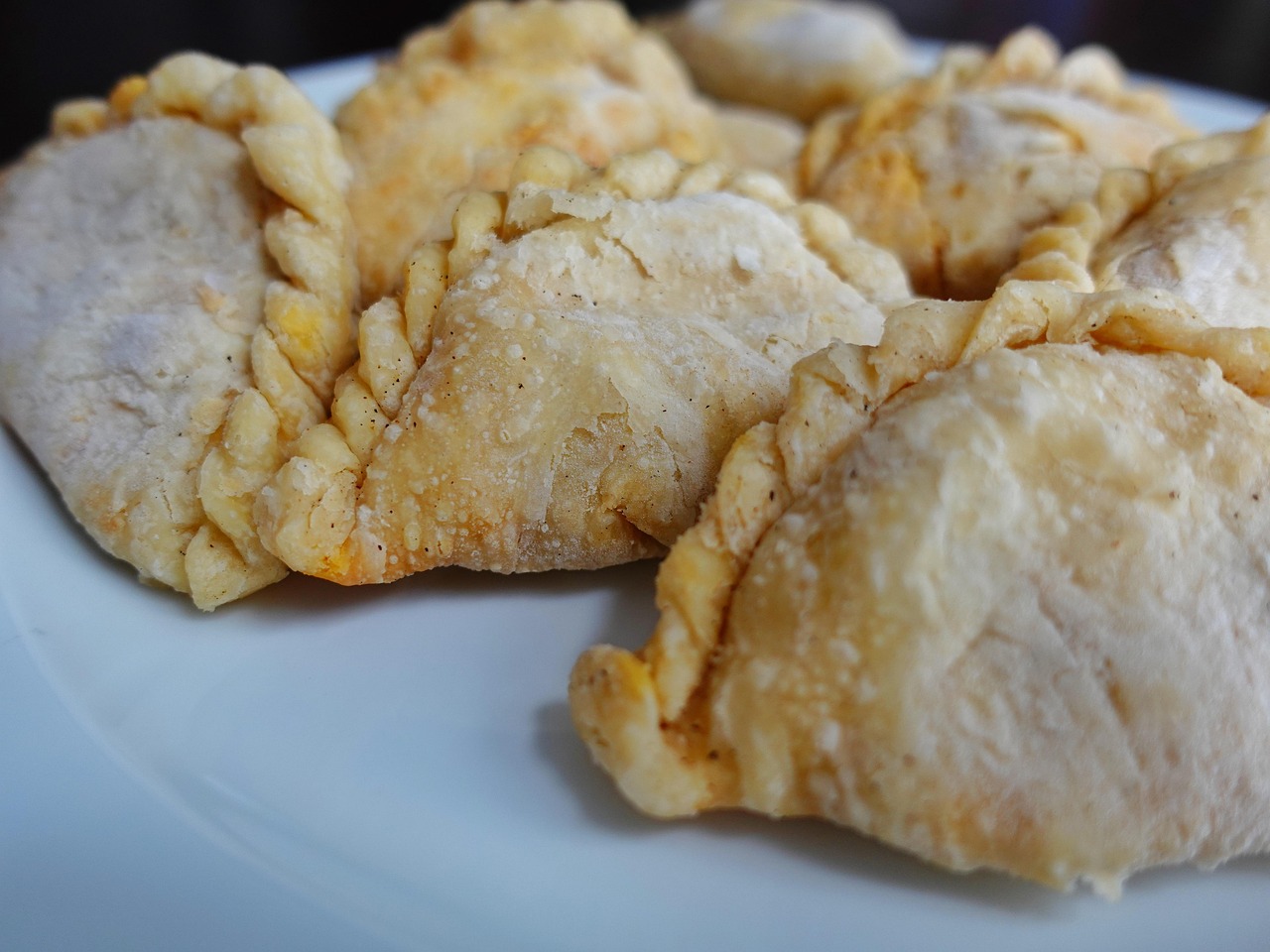
Preparing puff pastry and thick curry filling for curry puffs
Image source: pixaby
Puff pastry gives curry puffs their light, flaky texture. Keeping the pastry cold is important because it helps the layers puff properly during cooking. If the pastry becomes warm before baking, the butter layers can melt and the pastry may not puff properly. Always keep puff pastry in the fridge until ready to use.
The filling should always be thick and well-seasoned. Too much moisture can make the pastry soggy, so the curry should be cooked until most of the liquid has evaporated. Let the filling cool completely before adding it to the pastry. Hot filling can melt the pastry and make sealing difficult.
Curry Puff Styles You Can Try

Malaysian Thai and Indian curry puff styles
Image source: pixaby
Different regions have their own techniques and folding styles for curry puffs. As explained by Nyonya Cooking, traditional curry puffs are often sealed with a decorative crimped edge, which helps keep the filling inside during frying.
Sweet pastry versions are also popular in some regions, similar to traditional British recipes like Delia Smith mincemeat, which is used in sweet pastry pies and baked desserts.
You can try different styles such as Malaysian fried curry puffs, Thai curry puffs with sweet potato filling, Indian bakery-style vegetable puffs, or even baked chicken curry puffs. Each style uses slightly different spices and folding techniques, but the cooking process is very similar.
Choosing the Right Flavour Profile
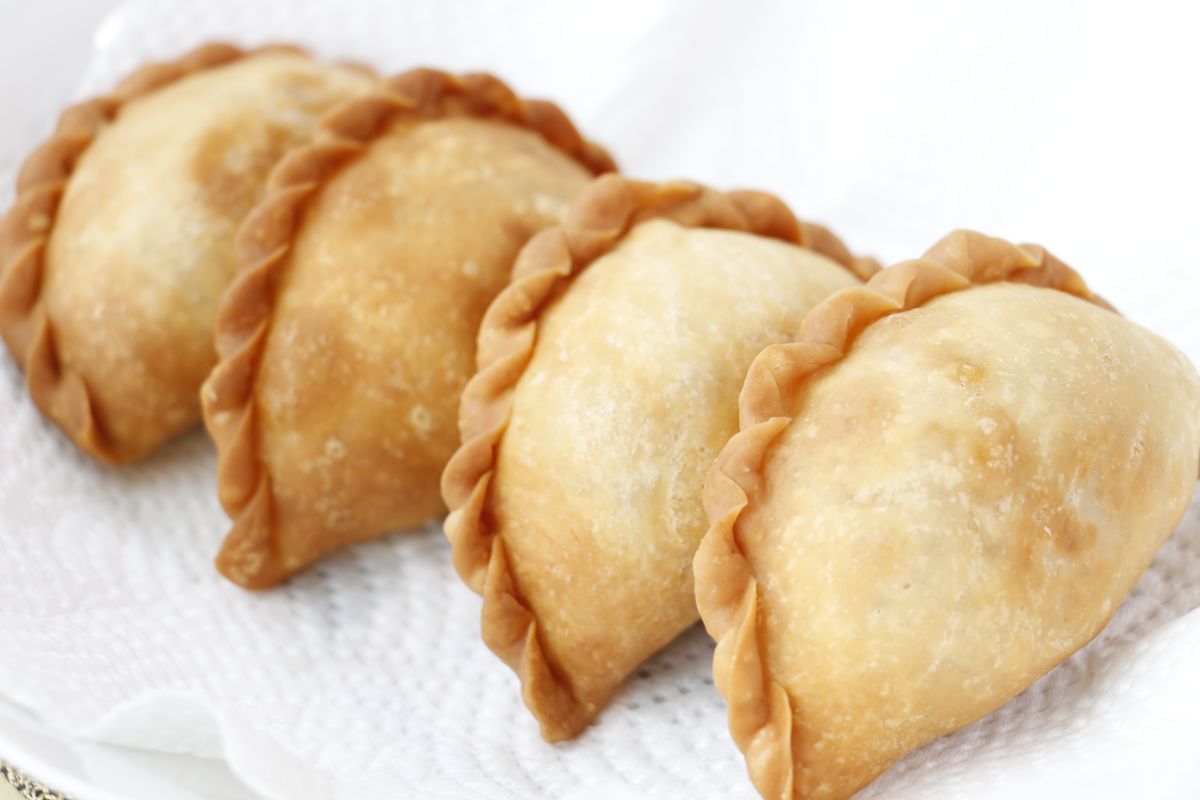
Curry spices and paste used for curry pastry puff filling
Image source: pixaby
Flavour profiles can range from mild to spicy depending on the curry paste or spice blend used. Many Thai-style curry puffs use curry paste with coconut milk for a slightly sweet and spicy filling, as shown in recipes from Marion’s Kitchen.
You can use curry powder for a simple and mild flavour, curry paste for a stronger and spicier flavour, or tandoori masala for a smoky flavour. Adding coconut milk makes the filling slightly creamy and balances the spices. You can also add herbs like coriander or spring onions for extra flavour.
Filling Ideas and Easy Variations
Potatoes, carrots, peas, cauliflower, green beans, bell peppers, and sweet potatoes all work well in curry pastry puffs. For protein, you can add chicken, beef mince, or paneer.
If you enjoy savoury pastry recipes like curry pastry puffs, you may also like this chicken vol-au-vent recipe, which uses flaky pastry filled with a creamy chicken filling.
For a different savoury filling idea, you could also try sausage-based fillings inspired by traditional British recipes such as this Lincoln sausage recipe.
You can also use leftover curry as filling, as long as it is thick and not watery. This is a great way to reduce food waste and create a new snack from leftovers.
How These Curry Pastry Puffs Come Together
The filling is cooked first and allowed to cool completely. Puff pastry is then cut into squares or circles, filled with curry, folded, sealed, and chilled before cooking. Chilling helps the pastry keep its shape and puff nicely during cooking.
After chilling, the pastry can be baked, fried, or air-fried until golden and crispy. The result is a flaky pastry outside with a warm and flavourful curry filling inside. Allow the puffs to cool slightly before serving because the filling will be very hot.
Baking, Frying, or Air Frying
Baking is the easiest and lightest option and is perfect for home cooking. Frying gives a deeper crisp and a more traditional street-food texture. Air frying is also a good option and uses less oil while still making the pastry crispy.
If baking, cook at a high temperature so the pastry puffs properly. If frying, make sure the oil is hot before adding the puffs. If air frying, cook in batches so the air can circulate properly around the pastry.
Storage and Make-Ahead Tips
Curry puffs are often made in batches and frozen before cooking so they can be baked or fried later. Many home cooks recommend freezing unbaked curry puffs so they keep their shape and pastry layers, as suggested in recipes on Food.com.
If you enjoy baking traditional pastries and desserts, you might also like this easy jam roly poly recipe, a classic British dessert.
Baked curry puffs can be stored in the fridge for a few days and reheated in the oven or air fryer. Avoid reheating in the microwave because the pastry may become soft instead of crispy.
Author Bio
Editorial Team – Daily Lifestyle Guide
The Daily Lifestyle Guide editorial team writes helpful, easy-to-follow articles focused on home cooking, lifestyle tips, home improvement, and everyday living for UK households. Our goal is to provide simple, practical guides that readers can use in real life, whether they are cooking a new recipe, improving their home, or building better daily habits.
Our team researches each topic carefully and creates content that is clear, reliable, and easy to understand. We focus on traditional recipes, modern cooking methods, home organisation, self-care, and simple lifestyle improvements that make everyday life easier and more comfortable.
All articles are regularly reviewed and updated by the editorial team to keep information accurate and useful. If new tips, recipe improvements, or updated information become available, this article may be updated to reflect the latest guidance and ideas.
Conclusion
Curry pastry puffs are a perfect mix of comfort and flavour. The flaky puff pastry and warm curry filling make them suitable for snacks, parties, or light meals. This recipe is flexible and can be adapted with different fillings, spices, and cooking methods. Once you learn the basic method, you can experiment with many different flavours and ingredients.
If you are cooking at home and have pets, remember that spicy foods like curry pastry puffs are not suitable for animals. Proper pet nutrition products such as Dechra dog food should be used instead of human food.
A curry pastry puff is a golden, flaky snack filled with a warm and spiced curry made from vegetables or meat. This guide explains how to make curry pastry puffs at home using ready-made puff pastry, including baking and frying methods, popular Asian styles, filling ideas, storage tips, and an easy recipe card.
Curry pastry puffs are a popular snack in many cultures because of their crisp, flaky pastry and flavourful curry filling. From Malaysian curry puffs and Thai karipap to Indian bakery-style veg puffs, this simple snack has taken many delicious forms. According to Rasa Malaysia, Malaysian curry puffs are often filled with potatoes, chicken, and curry spices wrapped in pastry and fried until golden. Today, many home cooks use ready-made puff pastry to make a quicker version at home without losing flavour or texture.
Frequently Asked Questions (FAQs)
What pastry is best for curry pastry puffs?
Ready-made puff pastry works best because it creates a light, flaky texture with minimal effort. It also saves time compared to making dough from scratch. Just make sure the pastry is kept cold before use so it puffs properly during baking or frying.
Can curry pastry puffs be baked instead of fried?
Yes, curry pastry puffs can be baked instead of fried. Baking is a healthier and easier option and still gives a crispy, golden result when cooked at a high temperature. Brushing the pastry with egg wash helps achieve a better colour.
Why did my curry pastry puffs turn soggy?
Soggy pastry usually happens when the filling is too wet or still hot when added. Always cook the curry filling until thick and let it cool completely before filling the pastry. Also avoid overfilling, as this can cause leaks.
Can I use leftover curry as filling?
Yes, leftover curry can be used as filling, but it must be thick and not watery. If the curry is too thin, cook it down further before using. Chilling the curry in the fridge also helps make it easier to handle.
Can curry pastry puffs be frozen?
Yes, curry pastry puffs freeze very well. It is best to freeze them before baking. Place them on a tray first, then transfer to a container once frozen. They can be cooked directly from frozen without thawing.
How do I reheat curry pastry puffs?
Reheat curry pastry puffs in an oven or air fryer to keep them crispy. Avoid using a microwave, as it can make the pastry soft and soggy instead of flaky.
Can I make curry pastry puffs vegetarian?
Yes, curry pastry puffs are easy to make vegetarian. You can use fillings like potatoes, peas, carrots, cauliflower, or paneer. Vegetable curry fillings are one of the most popular options.
Can I make curry pastry puffs in an air fryer?
Yes, air frying works very well. Cook at a slightly lower temperature than oven baking and make sure there is enough space between each puff so the air can circulate properly.
How long do curry pastry puffs last?
Baked curry pastry puffs can be stored in the refrigerator for up to 3–4 days in an airtight container. Reheat them in the oven for the best texture before serving.
What sauces go well with curry pastry puffs?
Curry pastry puffs pair well with sauces like sweet chilli sauce, tomato ketchup, mint chutney, or yoghurt-based dips. These sauces add extra flavour and balance the spices in the filling.