
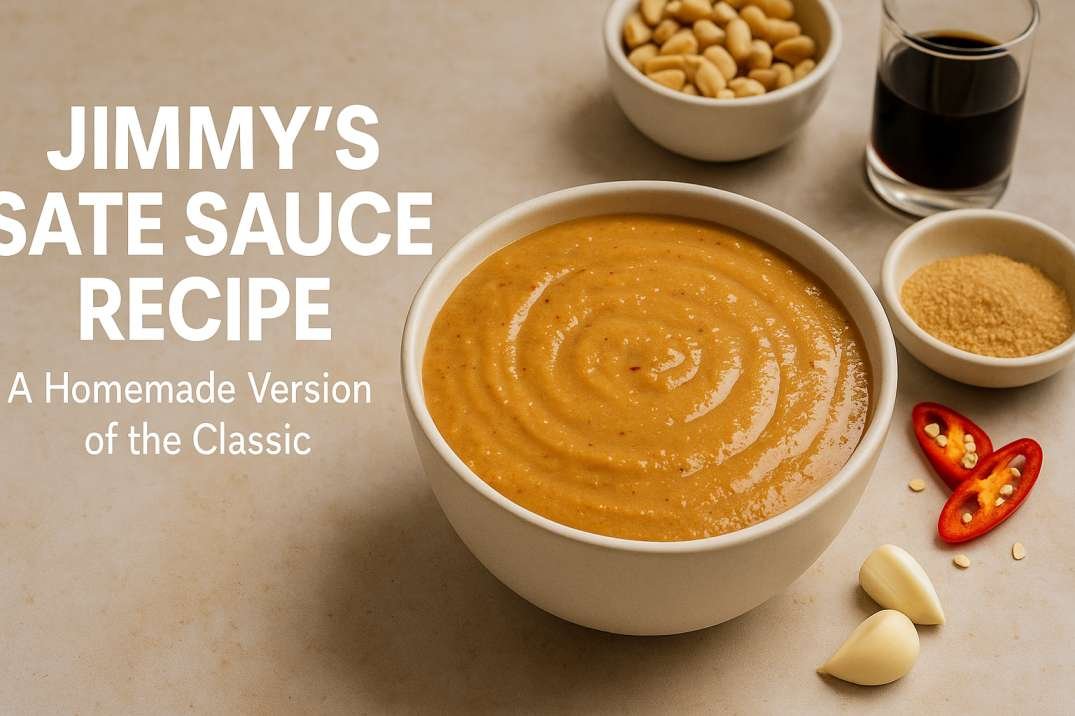

Jimmy’s Sate Sauce is widely recognised for its rich peanut flavour, gentle chilli warmth and exceptional versatility. This homemade version recreates the creamy, balanced flavour of Jimmy’s Sate Sauce using simple, easy-to-find ingredients without unnecessary additives.
Over time, Jimmy’s Sate Sauce has become a trusted staple in many kitchens, valued for its creamy peanut richness, subtle sweetness and mild, approachable spice level. While the commercial version is convenient, a homemade approach offers fresher ingredients, greater control over flavour and a more natural ingredient list. This Jimmy’s-inspired recipe captures the same warm, savoury and gently sweet flavour, without using additives or preservatives. Using roasted peanuts, cooked aromatics and simple seasoning, this sauce turns out smooth, flavourful and suitable for satay, noodles, stir-fries and dipping. It is an approachable, reliable method for home cooks seeking a flavourful alternative to the iconic jar.
Understanding the Flavour Profile

Image source: pinterest.com
Jimmy’s Sate Sauce has a well-balanced flavour, combining roasted peanut richness, savoury soy sauce, gentle sweetness and mild chilli that adds warmth without overpowering the sauce. A subtle acidic note adds balance, and coconut undertones contribute to its creamy body. These flavours are similar to traditional Indonesian satay sauces, which commonly use roasted peanuts, garlic, shallots, soy sauce, coconut milk and mild spices.
Recreating this balance at home relies on three core principles: well-cooked aromatics, a roasted peanut base and a gently reduced sauce that allows flavours to meld. This approach produces a flavour that is smooth, rounded and versatile.
Ingredients for a Homemade Jimmy’s-Style Sate Sauce
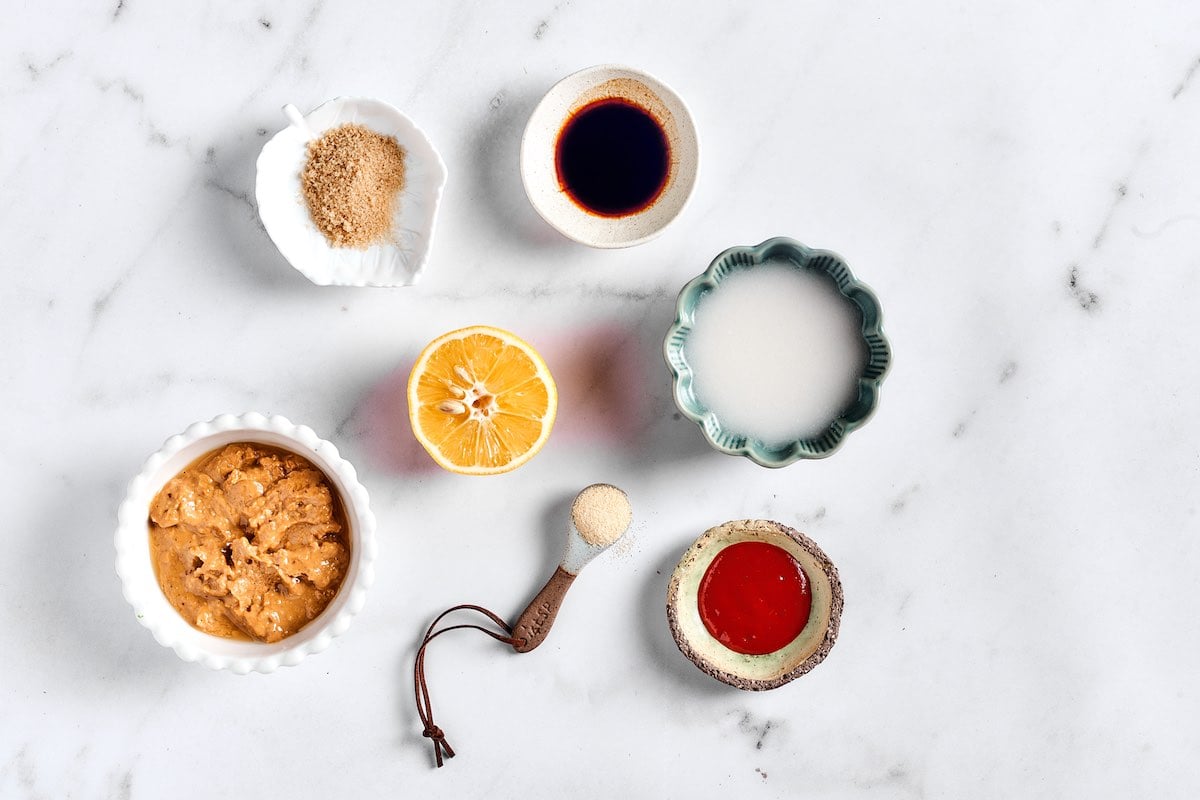
Image source: pinterest.com
A good homemade Jimmy’s-style sate sauce uses ingredients similar to traditional satay sauces while keeping the familiar flavour of the original Jimmy’s version.
Peanut Base
Roasted, unsalted peanuts provide body and richness. Blended into a paste, they deliver depth and texture. A small amount of peanut butter reinforces smoothness and helps bind the sauce.
Aromatics
Garlic, shallot and mild red chilli are essential. Cooking them gently releases sweetness and reduces harshness, a technique consistently used in Southeast Asian peanut sauce recipes.
Seasoning and Liquids
Soy sauce brings umami and salinity. Brown or palm sugar provides caramel notes. Coconut milk adds creaminess, while rice vinegar or lime juice introduces acidity for balance. Tamarind paste can also be used when a more Indonesian-style profile is desired.
Flavour Enhancers
Sesame oil deepens aroma. Stock or water helps adjust consistency. Optional ingredients like kecap manis, fish sauce or mild curry spices can change the flavour slightly, but they are not needed to achieve a Jimmy’s-style taste.
This combination produces a sauce that is full-bodied, mildly sweet, gently savoury and suitable for a variety of dishes.
Method: How to Make Homemade Jimmy’s-Style Sate Sauce

Image source: pinterest.com
The method below follows a proven, kitchen-tested approach commonly used in professional and home kitchens for preparing smooth, well-balanced peanut-based satay sauces.
1. Blend the peanut base
Place roasted peanuts in a food processor and blend until they form a coarse paste. This gives the sauce its natural thickness and roasted peanut flavour. For a smoother texture, blend longer, but avoid over-processing into a liquid butter.
2. Cook the aromatics
Warm a little neutral oil in a pan. Add finely chopped shallot, minced garlic and sliced red chilli. Cook gently until they soften and release fragrance. This step is important, as raw aromatics would make the sauce taste harsh and unbalanced.
3. Incorporate the peanut mixture
Stir the blended peanuts and peanut butter into the aromatics. The mixture will be thick, and the heat will help it combine evenly. Allow it to warm through for a minute or two.
4. Add the liquids
Pour in coconut milk, followed by soy sauce, rice vinegar or lime juice, and a small amount of sugar. Stir steadily until the mixture becomes cohesive. Add water or stock gradually to adjust the initial thickness.
5. Simmer to develop flavour
Reduce the heat and let the sauce simmer gently for five to ten minutes. Simmering allows the coconut milk and peanuts to combine properly and creates a smoother, more balanced flavour.
6. Adjust seasoning
Taste the sauce and adjust accordingly. More sugar will soften acidity, extra soy provides savouriness, and additional lime or vinegar brightens the overall profile. A few drops of sesame oil can increase aromatic depth.
7. Blend for final consistency (optional)
If you want a texture very close to the commercial product, blend the sauce briefly after cooking. This produces a smooth, glossy finish ideal for spreading or dipping.
Understanding the Correct Texture

Image source: pinterest.com
The ideal Jimmy’s-style sate sauce should be thick enough to cling to skewers, noodles or vegetables, yet smooth enough to pour or spoon without resistance. A common test is whether it coats the back of a spoon without dripping too quickly. If the sauce becomes thicker than desired, a little warm water or coconut milk will restore fluidity. If it is too thin, continue simmering until reduced. Adjusting the texture is normal when making sauces and does not require extra ingredients
Serving Suggestions
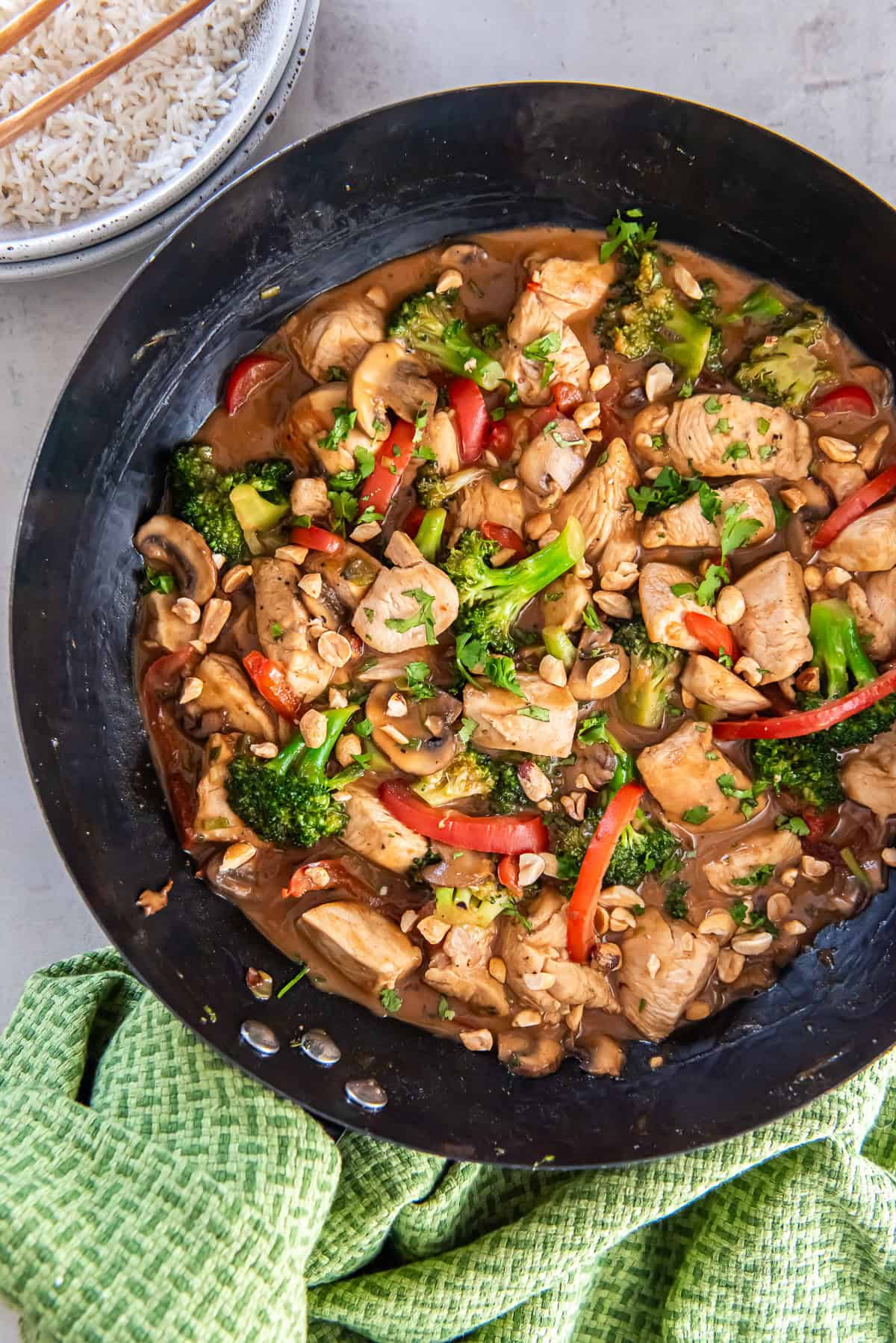
Image source: pinterest.com
Homemade Jimmy’s-style sate sauce is highly versatile and suits a wide range of dishes. It pairs particularly well with chicken satay, where the roasted peanut flavour complements grilled, charred meat. The sauce also works effectively in stir-fries, coating noodles, tofu, prawns or vegetables with a smooth, savoury finish.
As a dipping sauce, it is ideal for spring rolls, grilled skewers and steamed vegetables. When thinned slightly, it can be used for noodle bowls or rice-based meals.
The sauce also works well with lighter vegetable-based dishes, adding flavour without overpowering fresh ingredients. It also pairs surprisingly well with lighter rice dishes, such as a green risotto recipe, where the mild peanut richness contrasts beautifully with fresh herbs and vibrant green vegetables.
When used as a marinade, it adds a mild sweet and savoury flavour to chicken or pork, especially if left to rest before cooking.
Variations

Image source: pinterest.com
While this recipe aims to echo Jimmy’s flavour profile, home cooks may prefer to tailor the sauce to personal taste.
A spicier version can be achieved by adding more fresh chilli or incorporating chilli flakes. For a creamier texture, increase the amount of coconut milk or peanut butter. If you prefer an Indonesian-style profile, a small amount of kecap manis and a pinch of ground coriander or cumin provide added warmth and depth. For a vegan version, simply omit fish sauce and use tamari or soy sauce for seasoning. If a lower-sugar alternative is needed, natural sweeteners such as stevia or monk fruit may be used, though they will subtly alter the flavour.
These variations allow the sauce to suit different meals, dietary requirements and regional preferences.
Storage and Food-Safety Guidance

Image source: pinterest.com
Clear and careful storage advice is important for any recipe. Homemade peanut-based sauces should be stored in an airtight container in the refrigerator and consumed within 4 to 7 days to ensure food safety and optimal flavour. During refrigeration, the sauce may thicken; adding a splash of warm water or coconut milk will restore its original consistency.
For longer storage, the sauce can be frozen for up to three months. Freezing in small portions makes defrosting more convenient. Reheat gently on the stovetop, stirring occasionally to ensure even texture.
Because this recipe contains peanuts and may include soy or fish sauce, it is important to include an allergen notice. Peanuts are a major allergen, and soy is a common sensitivity. Some store-bought versions contain shrimp or shrimp extract. This homemade recipe does not, but readers should always check ingredient labels when making changes.
Troubleshooting

Image source: pinterest.com
If the sauce becomes too thick, thin it with a small amount of water, broth or coconut milk. If too sweet, increase acidity slightly. If too salty, a little sugar or additional coconut milk will restore balance. If the sauce tastes flat, an extra splash of soy sauce, a pinch of sugar or a small amount of lime juice can improve the overall profile. These adjustments are standard in sauce preparation and ensure a fine-tuned finish.
Recipe Card: Homemade Jimmy’s-Style Sate Sauce

Image source: pinterest.com
Preparation time: 10 minutes
Cooking time: 10 minutes
Total time: 20 minutes
Servings: 4–6 portions
Ingredients
1 cup roasted, unsalted peanuts, blended
3 tablespoons peanut butter
3 cloves garlic, minced
1 shallot, finely chopped
1 mild red chilli, sliced
½ cup coconut milk
2 tablespoons soy sauce
1 tablespoon brown or palm sugar
1 tablespoon rice vinegar or lime juice
1 tablespoon sesame oil
½ cup water or vegetable stock
Method
Blend peanuts to a coarse paste. Cook garlic, shallot and chilli in a little oil until softened. Stir in the peanut paste and peanut butter. Add coconut milk, soy sauce, sugar and vinegar or lime juice, then gradually add water or stock. Simmer gently for five to ten minutes, adjusting seasoning as needed. Blend for a smoother finish if desired.
Conclusion
A homemade version of Jimmy’s Sate Sauce offers the opportunity to enjoy the flavours of the well-known classic with fresh, straightforward ingredients and complete control over seasoning. By following the method outlined above and adjusting the flavours to suit your personal preferences, you can achieve a sauce that is rich, balanced and versatile enough for a wide range of dishes. This Jimmy’s-style sate sauce is a dependable addition to any kitchen, offering a fresh, flavour-rich alternative to the jarred product while giving home cooks full control over taste, texture and ingredients.
Frequently Asked Questions (FAQs)
Does this recipe taste identical to the commercial Jimmy’s sauce?
This recipe is a homemade interpretation designed to closely resemble the flavour and texture of the commercial product, while avoiding preservatives and processed ingredients. The factory-made version contains ingredients, oils and preservatives that are not replicated precisely here.
Can the sauce be made without coconut milk?
Yes. Water or stock may be used instead, though the texture will be less creamy.
What can I use the sauce for besides satay?
It is suitable for stir-fries, noodle bowls, dipping sauces, marinades and grilling glazes.
Is this recipe vegan?
It is vegan unless fish sauce is added. Use soy sauce or tamari for a fully plant-based version.
How long does homemade sate sauce last?
Refrigerate for 4 to 7 days or freeze for up to three months.