
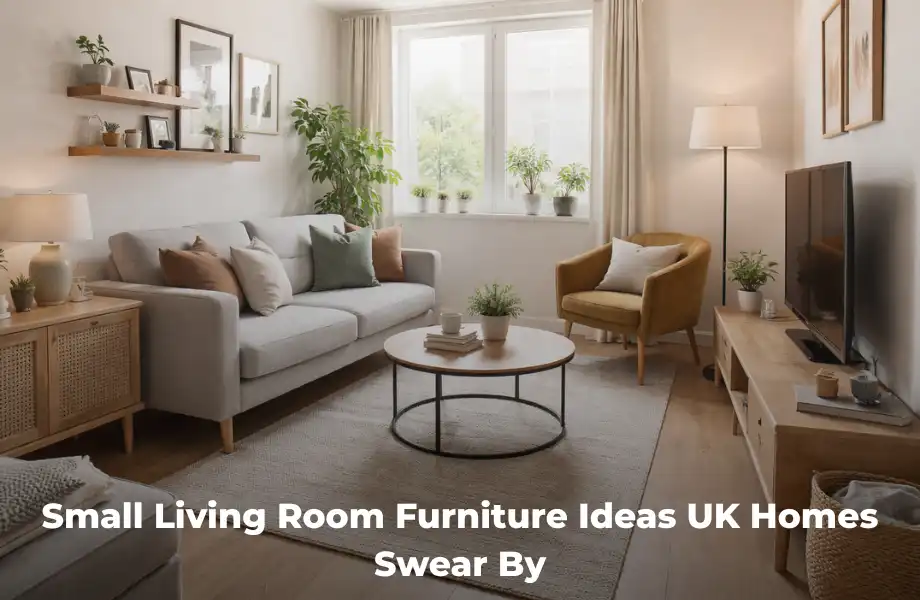

Last winter, I visited a friend in London who had just moved into a cosy flat. The space was charming, but her living room felt impossible. The sofa touched the TV unit, there was barely space to walk, and every corner felt cluttered. She laughed and said, “I love this place… but I don’t know how to live in it.” That moment is something many UK homeowners recognise. Small spaces can feel frustrating, even overwhelming. But here’s the truth—your room isn’t the problem. The way it’s set up is. With the right small living room furniture ideas UK homes rely on, even the tightest lounge can feel open, calm, and beautifully put together. You don’t need more space. You just need smarter choices that work with your home, not against it.
Start with Scale: Why Size Really Matters
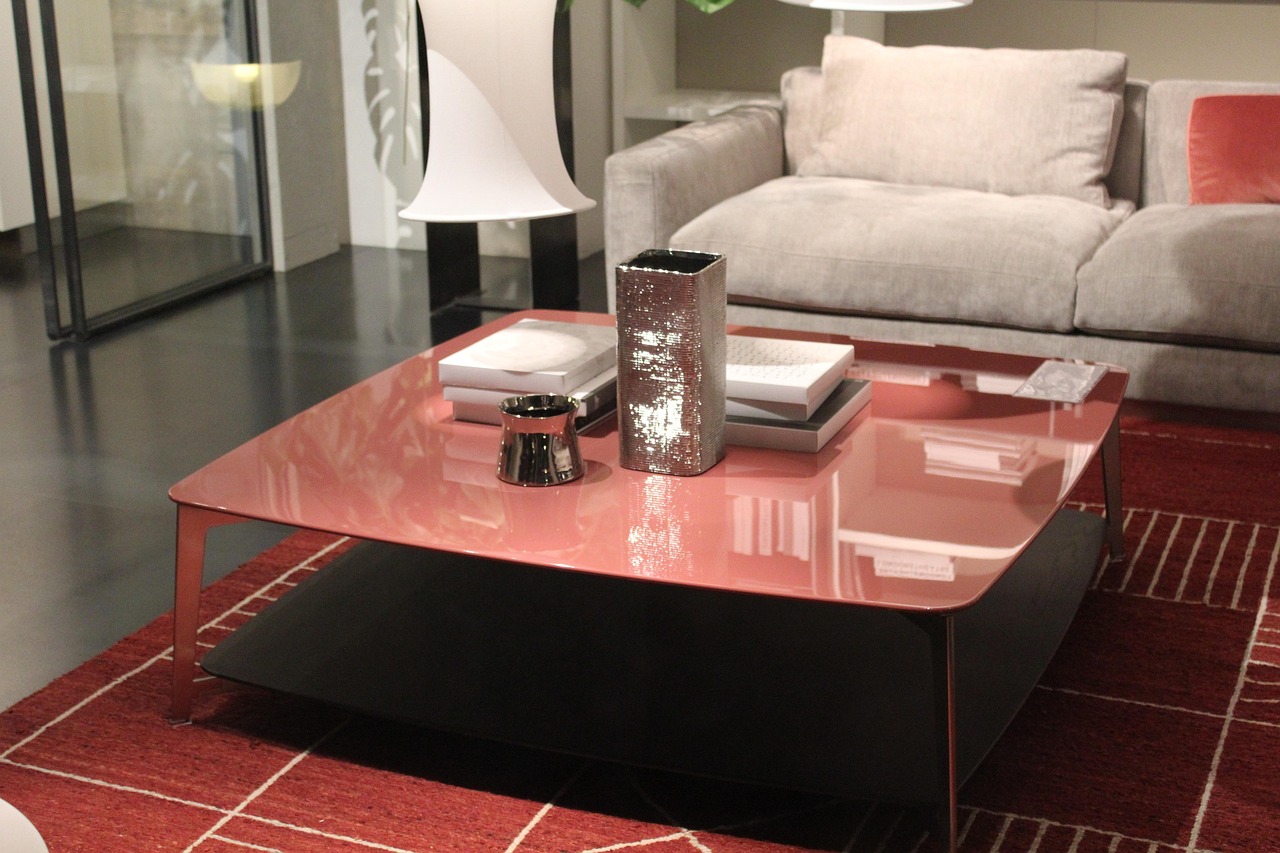
Choosing the right furniture size helps small living rooms feel more open and balanced.
Image source: pixaby
The first change my friend made was also the hardest—she replaced her oversized sofa. At first, it felt like a downgrade. But within a day, the room felt twice as big. That’s the power of scale. In many UK homes, especially terraces and flats, large furniture quietly eats up valuable space. It’s not always obvious until you step back and see how little room is left to move.
Choosing the right size furniture doesn’t mean sacrificing comfort. It means finding pieces that fit your space properly. Slim sofas, narrow arms, and raised legs create breathing room. You start to notice the floor again, and that alone makes the room feel lighter. According to House Beautiful UK, visually lighter furniture helps open up compact rooms and improves overall flow.
Before buying anything, measure your space carefully. Even a few extra centimetres can change how a room feels. If you’re unsure where to start, our small living room layout ideas UK guide walks through real layout examples that work.
Compact Furniture That Still Feels Comfortable

Compact furniture can still be stylish, comfortable, and space-efficient.
Image source: pixaby
One of the biggest myths about small spaces is that compact means uncomfortable. That’s simply not true anymore. My friend found a smaller sofa with a slightly reduced depth, and surprisingly, it felt just as cosy—if not more. The difference? It was designed for real living, not just showroom appeal.
Modern furniture brands are now creating pieces specifically for smaller homes. Sofas under 90cm deep, modular seating, and lightweight chairs allow flexibility without overcrowding the room. These pieces are easier to move, easier to arrange, and much easier to live with day-to-day.
As reported by West Elm, clean lines and simple shapes help prevent a room from feeling visually busy. This is especially important in smaller lounges where every piece stands out.
If you’re deciding between styles, our corner sofa vs standard sofa UK guide can help you choose what fits your layout best.
Why Multifunctional Furniture Changes Everything
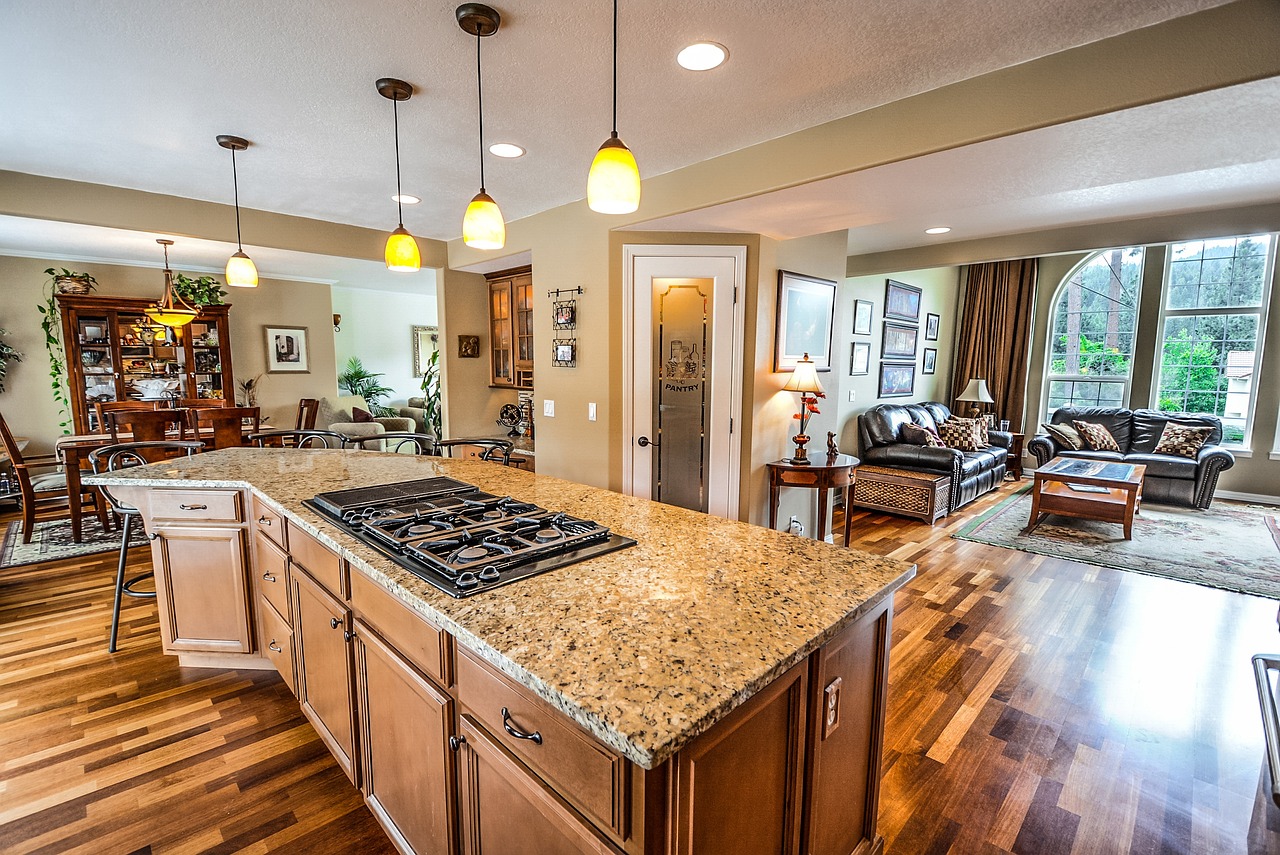
Multifunctional furniture for small living spaces
Image source: pixaby
A week later, my friend showed me her new coffee table. It looked simple—but it opened up to reveal hidden storage. Suddenly, the clutter was gone. Magazines, remotes, blankets—all neatly tucked away. That single piece changed how the room felt.
This is where multifunctional furniture becomes essential. In small UK homes, every item needs to do more than one job. A storage ottoman can replace extra cupboards. A sofa bed turns your lounge into a guest room. Nesting tables give you flexibility without taking up permanent space.
According to Habitat, dual-purpose furniture is one of the most effective ways to maximise space in modern homes.
It’s not about filling your room with clever gadgets. It’s about choosing pieces that quietly make your life easier every day.
Layout Matters More Than You Think
At one point, we moved her chair just slightly—angled instead of pushed flat against the wall. It sounds small, but it changed everything. The room suddenly felt intentional, not cramped.
Layout is often overlooked, but it has a huge impact. Start with your main piece, usually the sofa, and build around it. Keep pathways clear so you can move naturally. Choose one focal point, like a TV or fireplace, and arrange furniture to support it.
As stated by Furniturebox, even small layout adjustments can significantly improve flow and usability in tight spaces.
Don’t be afraid to experiment. Sometimes the best layout isn’t the most obvious one—it’s the one that feels right when you live in it.
Smart Storage Without the Clutter
One of the biggest struggles in small living rooms is storage. My friend used to stack things in corners, hoping they would disappear. They didn’t. They just made the room feel smaller.
The solution wasn’t more storage—it was smarter storage. Slim cabinets, vertical shelves, and hidden compartments helped her organise without adding bulk. Suddenly, the room felt calm instead of chaotic.
Blending storage into your design is key. When shelves match the wall colour or furniture feels built-in, it reduces visual noise. The room feels cleaner, even if the amount of storage stays the same.
For a more relaxed and inviting feel during colder months, our cosy living room ideas for winter UK guide shows how to combine storage with comfort.
Choosing the Right Coffee Table for Flow

Round and lightweight tables improve movement in tight spaces.
Image source: pixaby
At first, my friend’s square coffee table felt like a constant obstacle. We swapped it for a round one, and suddenly, moving around the room became effortless.
This is something many people don’t realise—shape matters just as much as size. Round tables soften the layout and remove harsh edges. They make small spaces feel more fluid and less restricted.
Glass or open-frame tables can also help. They allow light to pass through, which makes the room feel less crowded. Even something as simple as nesting tables can give you flexibility without taking up permanent space.
The goal isn’t to fill the centre of the room. It’s to support how you use the space every day.
Lighting and Furniture Work Together
One evening, we turned on a single overhead light—and the room felt flat again. Then we added a floor lamp in the corner and a soft wall light. Instantly, the space felt warm and inviting.
Lighting plays a huge role in how furniture is perceived. Even well-chosen furniture can feel heavy if the lighting is poor. Layered lighting—combining ceiling lights, floor lamps, and wall fixtures—adds depth and comfort.
Wall-mounted lighting is especially useful in small spaces because it frees up surface areas. This means fewer tables and more open space.
When furniture and lighting work together, the room doesn’t just look better—it feels better to spend time in.
Conclusion
By the time I left my friend’s flat, her living room felt completely different. It wasn’t bigger—but it felt like it. That’s the real power of thoughtful design. Small living room furniture ideas UK homeowners use aren’t about trends or expensive upgrades. They’re about understanding your space and making choices that support how you live. When furniture fits properly, serves a purpose, and allows room to breathe, everything changes. If your lounge feels tight right now, don’t rush to replace everything. Start small, adjust what you can, and build from there. You might be surprised how much space you already have—you just need to unlock it.
Author Bio
The Editorial Team at Daily Lifestyle Guide shares practical UK home décor advice, helping homeowners make smarter use of space while creating stylish and comfortable living environments.
Disclaimer
This article is for general inspiration and guidance. Trends and product availability may change over time. The editorial team may update this content to keep it accurate and useful.
FAQs
What is the best sofa size for a small UK living room?
A sofa under 90cm deep with slim arms usually works best. It provides comfort without taking over the room. Compact designs help maintain walking space and improve overall flow.
How much space should I leave between furniture?
Ideally, leave 60–75cm for walkways. This allows easy movement and prevents the room from feeling cramped or difficult to navigate.
Is multifunctional furniture worth it for small spaces?
Yes, it’s one of the best solutions. Storage ottomans, sofa beds, and nesting tables help reduce clutter while making your living room more practical.
Why do round coffee tables work better in small rooms?
Round tables improve movement by removing sharp edges. They create a softer layout and make tight spaces feel more open and flexible.
How can I make a small living room feel bigger?
Use lighter colours, raised-leg furniture, and smart layouts. Keep pathways clear and avoid overcrowding. Even small changes can make a big difference.