
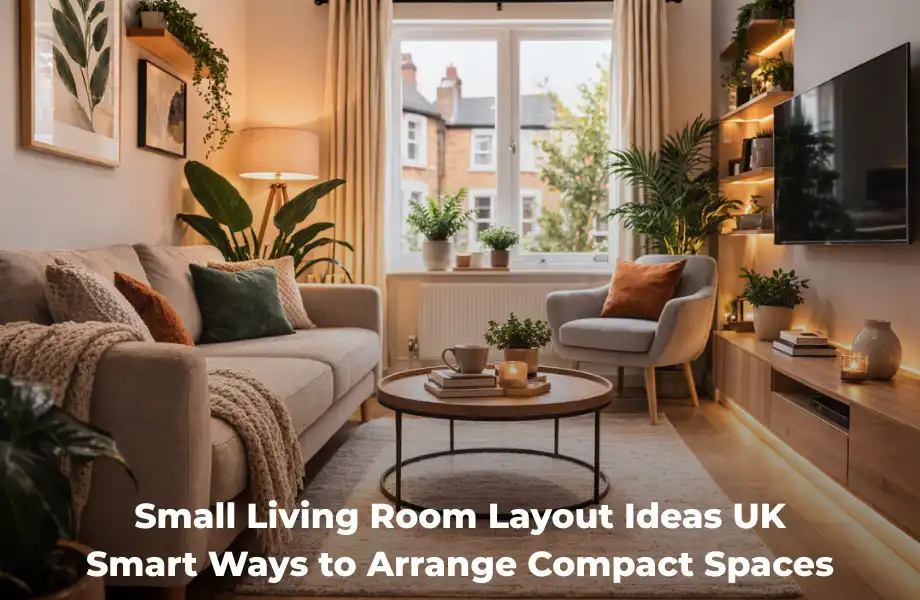

Ever measured your living room and still felt like it was smaller than advertised? You’re not alone. Many UK homeowners — from those in snug Victorian terraces to city apartments in Manchester or Birmingham — face the same puzzle. The living room isn’t just a room; it’s where you binge-watch series, host friends, let kids roam freely, and unwind after a long day. Yet, somehow, it never feels quite right.
That’s where smart small living room layout ideas UK come in. It’s not about cramming in more furniture. It’s about understanding the space, using it thoughtfully, and creating a room that breathes. Imagine a long, narrow lounge with a floating sofa that invites conversation or a cosy corner transformed into a reading nook. These aren’t just concepts—they’re practical solutions that make everyday life feel lighter, more comfortable, and welcoming, even during the grey winter months.
Let’s explore how you can turn your compact living space into a room that feels spacious, stylish, and perfectly suited to how you live.
Start With Function, Not Furniture
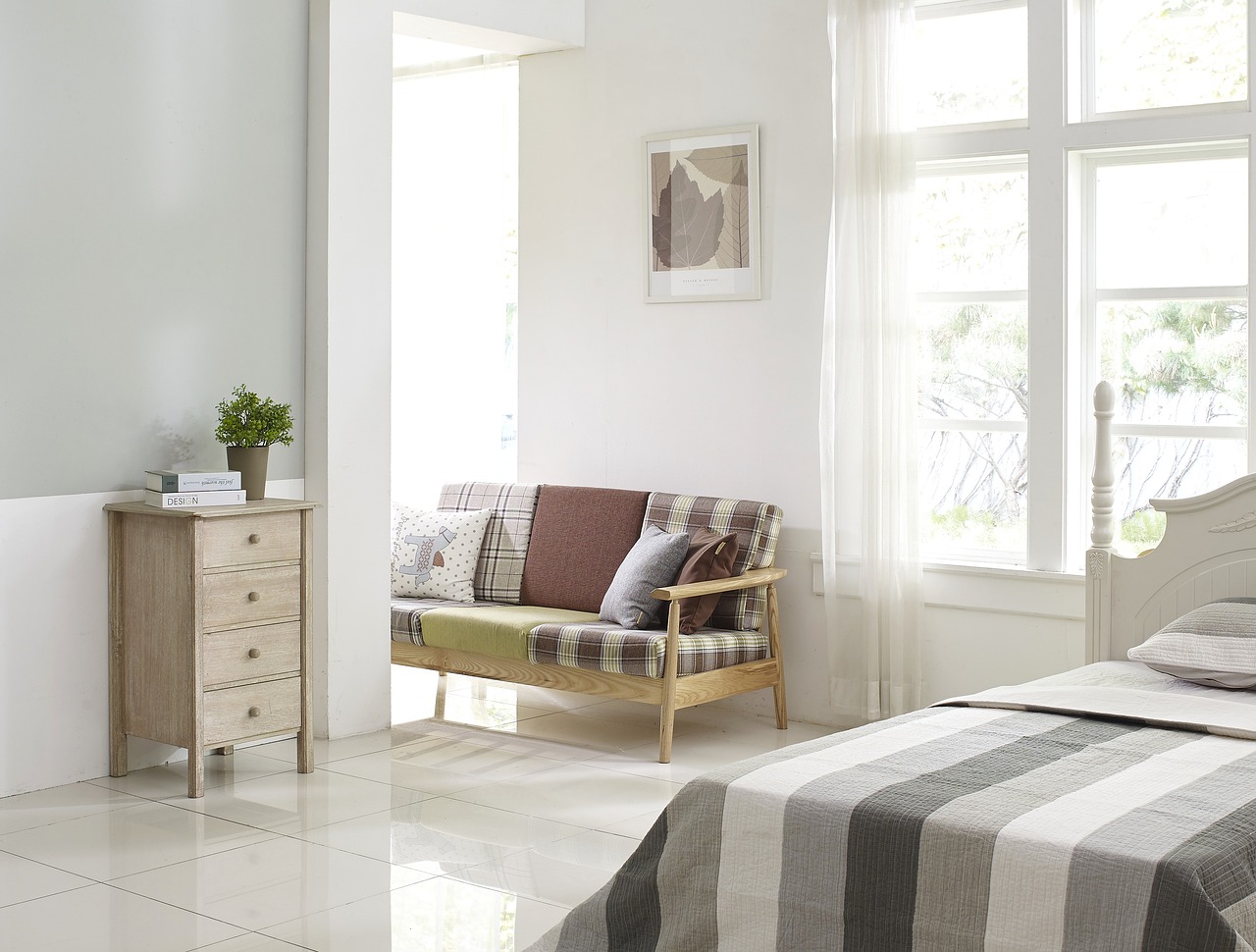
Designing your living room around how you live maximises space and comfort.
Image source: pixaby
Before you move a single sofa, ask yourself: what do you really do in this room? Is it your TV haven, a space for guests, or the hub for children’s play? Understanding the daily life of your living room transforms layout decisions from guesswork into clear, purposeful choices. For instance, a compact flat in central London may need flexible seating, while a suburban semi-detached might prioritise a large family gathering area.
Think of it like this: one family discovered that their “formal lounge” never got used, so they moved the sofa to face the window, creating a sunlit reading nook. The children even found extra floor space for toys. According to Ideal Home, designing with purpose is key in small spaces—it’s not about furniture quantity, but how each piece supports your lifestyle.
Layout Option 1: The Floating Sofa Approach

Pulling your sofa off the wall opens up space visually.
Image source: pixaby
Imagine walking into a narrow terraced living room. Instead of pushing the sofa against the wall, pull it slightly forward. This tiny shift can make the room breathe, creating an illusion of openness. Add a slim console table behind it, and the space instantly feels intentional and layered, rather than cramped.
This approach works beautifully in long rooms where depth matters more than width. One homeowner in Manchester found that just three inches away from the wall allowed a better flow, making even the tiniest terrace feel balanced. In extremely tight spaces—less than 2.5 metres wide—wall placement may still be necessary, but experimenting with the “floating” idea can open up unexpected possibilities. Barker & Stonehouse highlights this technique as a way to create visual interest without crowding.
Layout Option 2: Two-Seater + Armchair Combo
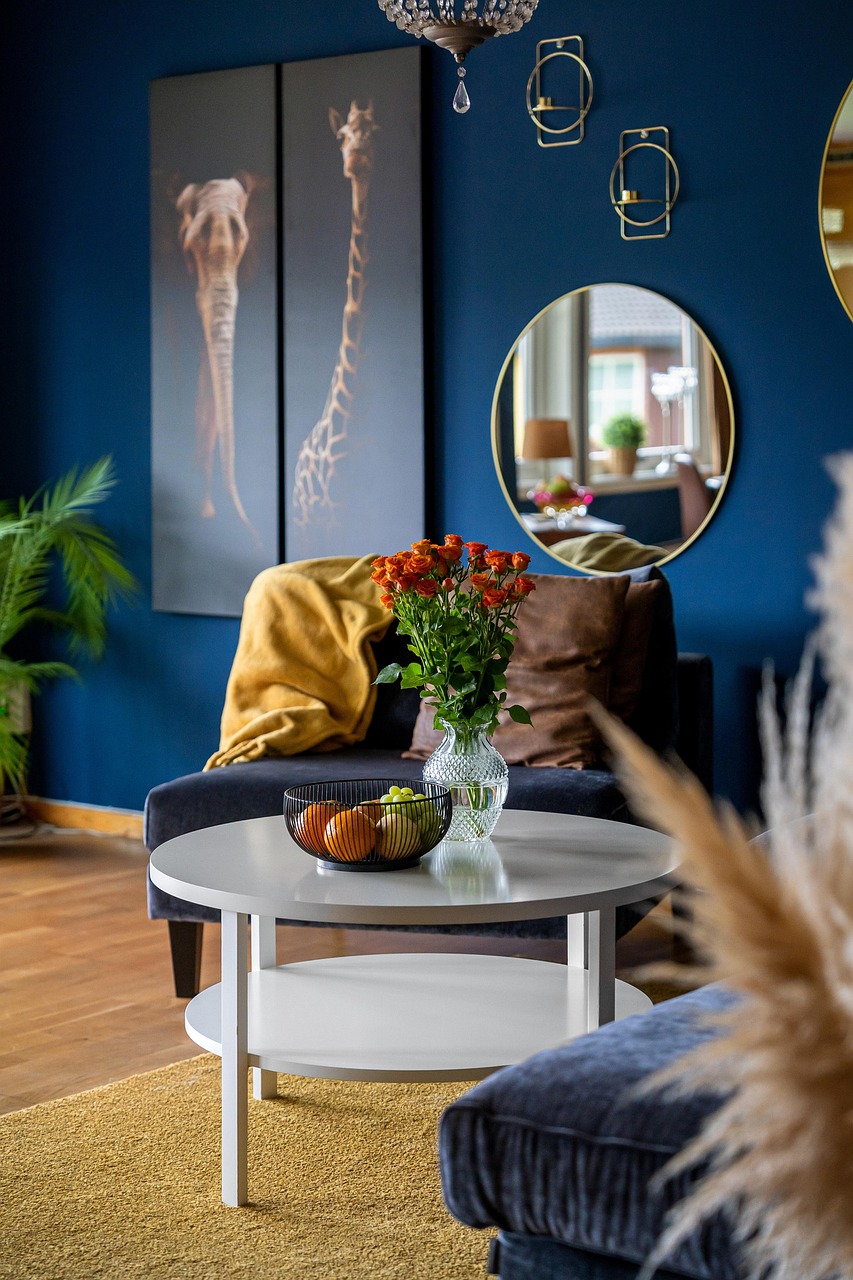
A two-seater plus armchair combo allows flexibility without crowding the room.
Image source: pixaby
Corner sofas are tempting, but they can dominate a compact lounge. A two-seater sofa paired with a slim armchair provides flexibility and encourages conversation. Angle the armchair slightly, and suddenly the room feels alive and inviting. One family in a Victorian bay-fronted lounge loved this setup—it gave them space for guests without feeling cramped.
This combination works in square rooms, rented flats with awkward corners, and even semi-detached houses with rectangular lounges. However, it’s less ideal for large gatherings needing seating for five or more. For support and comfort, consider checking out supportive seating options, which guide you on ergonomic arrangements in small spaces.
Layout Option 3: Zoned Open-Plan Living

Zoning creates balance and function in open-plan spaces
Image source: pixaby
Open-plan living can feel overwhelming in compact homes. Zoning the area creates order. Place the sofa inward to define the seating area, anchor it with a rug, and add a slim shelving unit as a subtle divider. This method gives each zone a purpose, making the room feel organised and comfortable.
One couple in a modern London flat transformed their small open-plan lounge into three distinct areas: seating, play, and work. According to Farrow & Ball, thoughtful zoning maintains flow while maximising functionality, even in the tiniest of layouts.
Choosing the Right Sofa Size Matters More Than You Think
Proportions are everything. Oversized furniture can overwhelm a small lounge. Consider slim arms or modular options. For instance, a loveseat in a studio flat can double as seating and lounging space without eating up square footage. One homeowner discovered that switching from a bulky three-seater to a compact two-seater with a narrow armchair created space for both play and relaxation. Our guide on sofa sizes explains how to pick the right dimensions for comfort and flow.
Layout and Lighting Go Hand in Hand
British homes often struggle with light, especially north-facing rooms. One cosy terraced lounge used low-back sofas near windows, mirrors opposite light sources, and floor lamps in darker corners. The result? A space that felt twice as large and welcoming. According to House & Garden, lighting can visually expand even the most compact rooms.
Make the TV Wall Work Harder
Mounting the TV frees up floor space. Beneath it, floating shelves or slim media units keep the area tidy. One semi-detached home transformed a cluttered corner into a functional media zone, allowing play and relaxation without crowding the room.
Storage Without Clutter
Clutter is the enemy of small spaces. Integrated storage—like ottoman coffee tables, sofas with compartments, or wall-mounted shelving—keeps things organised without crowding. Victorian homes benefit from vertical storage, but heavy shelving can backfire in narrow lounges. Smart storage creates flow and makes even a modest space feel intentional and calm.
The Rug Trick That Changes Everything
A rug that fits the front legs of sofas anchors the seating area and visually expands the room. Light colours brighten dark rooms, while subtle patterns maintain cohesion. One family noticed that simply switching to a larger rug made their narrow lounge feel far more connected.
Family-Friendly Small Layouts
For homes with children, durability and flexibility are key. Rounded coffee tables, washable fabrics, and defined play corners with storage baskets keep the lounge functional and safe. Maintaining a central open area allows quick tidying before guests arrive, keeping small spaces both organised and welcoming.
Conclusion
Transforming a compact lounge isn’t about more furniture—it’s about thoughtful, practical choices. By measuring carefully, considering proportions, using light wisely, and allowing natural flow, small living rooms in the UK can feel spacious, balanced, and welcoming. Smart small living room layout ideas UK homeowners adopt focus on life in the space, not just decoration. Start with purpose, and your room will tell a story of comfort, style, and function.
FAQs
What is the best layout for a small living room in the UK?
A two-seater sofa with a slim armchair is often ideal. It allows flexible seating and keeps the room feeling open while accommodating everyday activities.
How can I make a small UK living room feel bigger?
Use light colours, larger rugs, raised-leg furniture, and avoid blocking natural light sources to make the space appear larger and airier.
Are corner sofas suitable for small living rooms?
Slim corner sofas can work in square rooms but may overwhelm narrow terraces. Evaluate room shape before choosing.
Should furniture touch the walls in a small room?
Not always. Slightly pulling furniture from walls can make the layout feel balanced and visually spacious, especially in narrow lounges.
How can I add storage without cluttering a small living room?
Use ottoman coffee tables, sofas with built-in storage, and wall-mounted shelving to maximise space while keeping the room organised and functional.
Author Bio
The Editorial Team at Daily Lifestyle Guide shares practical interior advice tailored to British homes, helping readers design stylish, functional living rooms that suit real UK spaces and lifestyles.
Disclaimer
This content is for general guidance. Room sizes, layouts, and product suitability vary. For updates, corrections, or suggestions, please contact us so we can keep our advice accurate and helpful.