
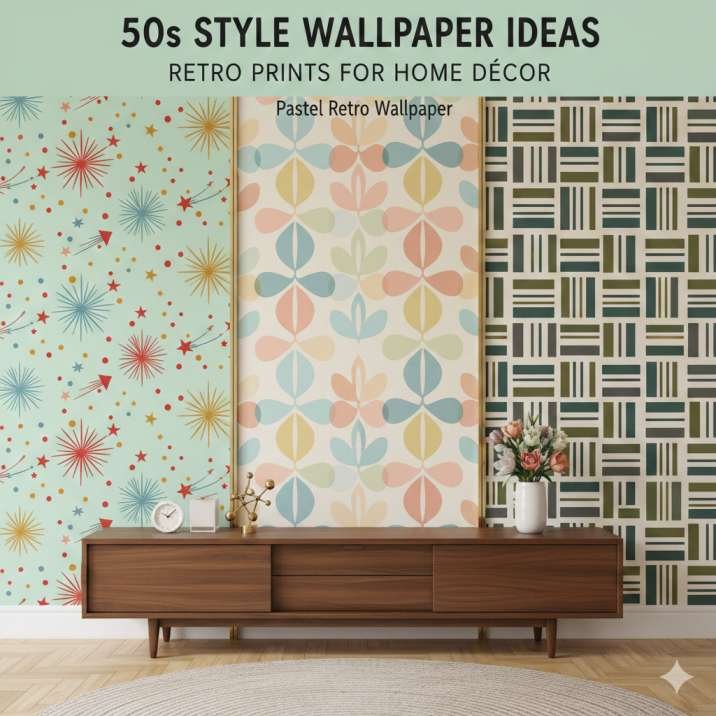

50’s style wallpaper blends atomic motifs, pastel tones, and mid-century geometric designs to create interiors that feel both nostalgic and modern. These retro patterns add warmth, character, and playful 1950s charm to kitchens, living rooms, and beyond.
50’s style wallpaper has seen a strong resurgence in recent years, driven by a growing appreciation for retro interiors that balance personality with timeless design. Valued for its playful patterns, expressive colour palettes and unmistakable mid-century character, this wallpaper style allows homeowners to add visual interest without sacrificing modern comfort. The 1950s brought a wave of optimism expressed through atomic motifs, soft pastels and bold geometric designs that continue to inspire modern interiors. Whether used on a feature wall, in a kitchen refresh or to add nostalgic warmth to a bedroom, 1950s wallpaper offers versatile designs that work beautifully in both vintage and contemporary interiors. This guide explores the most iconic patterns, styling ideas and room inspirations to help you bring authentic mid-century charm into your home with confidence.
What Defines 50’s Style Wallpaper?

Image source: pinterest.com
The 1950s marked a defining shift in interior design, shaped by post-war optimism, technological innovation and a widespread desire for brighter, more expressive living spaces that reflected hope, progress and modernity. After years of war-related austerity, homeowners were eager to embrace colour, playfulness and innovation. Wallpaper quickly became one of the most popular and affordable ways for households to modernise interiors and express personal style. Manufacturers responded with designs that captured the optimistic spirit of the era.
50’s wallpaper embraced both futuristic and natural influences. The world was entering the Space Age, and this excitement appeared in wallpapers featuring starbursts, boomerang shapes, atomic dots and other repeating motifs. Alongside this, pastel colours such as mint green, lemon yellow, blush pink and powder blue became symbolic of the decade. These hues were gentle yet vibrant and brought a cheerful ambience to kitchens, bathrooms, living rooms and nurseries.
Another defining element of 1950s wallpaper is the playful blend of geometry and abstraction. While previous decades favoured intricate florals or ornate Victorian patterns, the 50s moved toward cleaner lines, soft illustrations and a more casual artistry. Even nature-inspired wallpapers tended to be stylised rather than realistic, giving them an approachable and charming quality.
The Atomic Age Influence
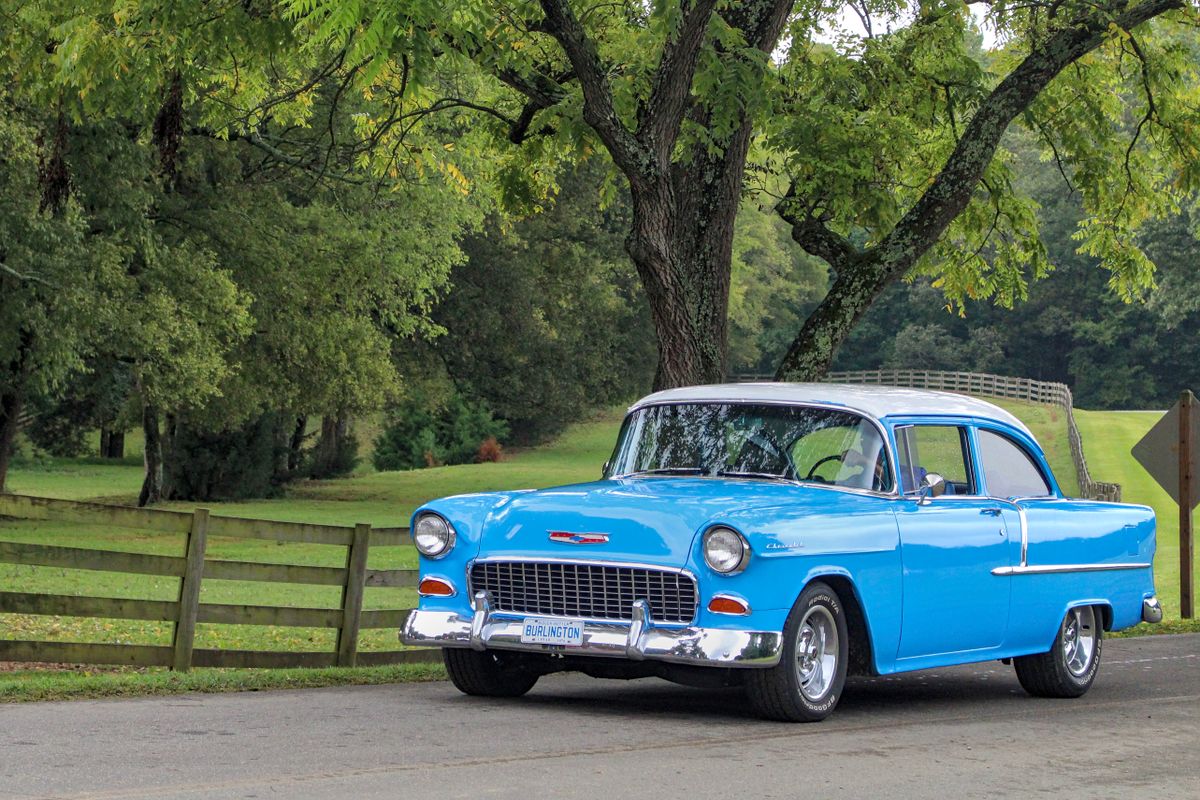
Image source: pinterest.com
One of the most iconic visual styles of the 1950s is the atomic pattern. Inspired by scientific discoveries, nuclear imagery and fascination with outer space, Atomic Age wallpaper feels as though it came directly from mid-century science textbooks and futuristic design labs. Starbursts, comet tails, connected orbs and angled lines create a playful, dynamic and slightly whimsical visual rhythm.
Atomic wallpaper is especially effective in spaces where you want to introduce strong visual character without depending on bulky furniture or excessive décor, allowing pattern and colour to become the focal point of the room. A living room feature wall covered in atomic motifs becomes an instant focal point, while a dining area or study gains personality without requiring bold furniture. These wallpapers pair beautifully with mid-century modern furniture, brass accents and tapered wood legs.
Atomic prints can vary widely—from subtle minimalist patterns to bold, high-contrast designs. This flexibility allows them to work in modern homes just as well as retro ones. A muted atomic wallpaper behind a sleek television stand or workspace, for example, bridges the gap between vintage and contemporary aesthetics.
Pastel Retro Wallpaper
Image source: pinterest.com
No decade embraced pastel colours quite like the 1950s. Pastel wallpaper was a staple in kitchens, dining rooms and bathrooms, creating spaces that felt airy, optimistic and emotionally comforting. Soft blues and greens were especially common in family areas, while blush pinks and buttery yellows made frequent appearances in bedrooms and hallways.
Pastel retro wallpapers are particularly valued in modern interiors for their ability to introduce colour gently, creating warmth and visual interest without overwhelming the space or competing with existing furnishings. They work exceptionally well in smaller rooms or areas with limited natural light, as the soft tones help reflect brightness and create a soothing effect. Modern homeowners often choose pastel retro wallpaper when they want a gentle vintage look without committing to a bold statement.
Pastels also complement a wide range of décor styles. They pair naturally with white cabinetry, chrome fixtures and mid-century kitchen appliances, but they also sit beautifully alongside rustic, Scandinavian or farmhouse elements. This versatility makes pastel wallpaper one of the most approachable and user-friendly 1950s styles for modern homes.
Mid-Century Modern Geometric Wallpaper

Image source: pinterest.com
The 1950s was the birth of mid-century modern design—characterised by clean lines, functional simplicity and purposeful artistry. This movement inspired many wallpaper designs featuring structured geometric shapes, repeating patterns and bold yet balanced arrangements.
Mid-century geometric wallpaper appeals to homeowners who want a retro aesthetic that feels refined rather than novelty-driven, offering clean structure, balanced repetition and long-lasting visual appeal. These wallpapers combine sophistication and nostalgia, making them especially suitable for living rooms, home offices and dining spaces. They complement wooden textures, minimalist furniture and metal accents, creating a stylish visual harmony.
Because these patterns are structured and visually balanced, they integrate seamlessly with contemporary design trends. A mid-century geometric feature wall behind a sofa or entryway console instantly elevates the entire room.
50s Diner-Inspired Wallpaper
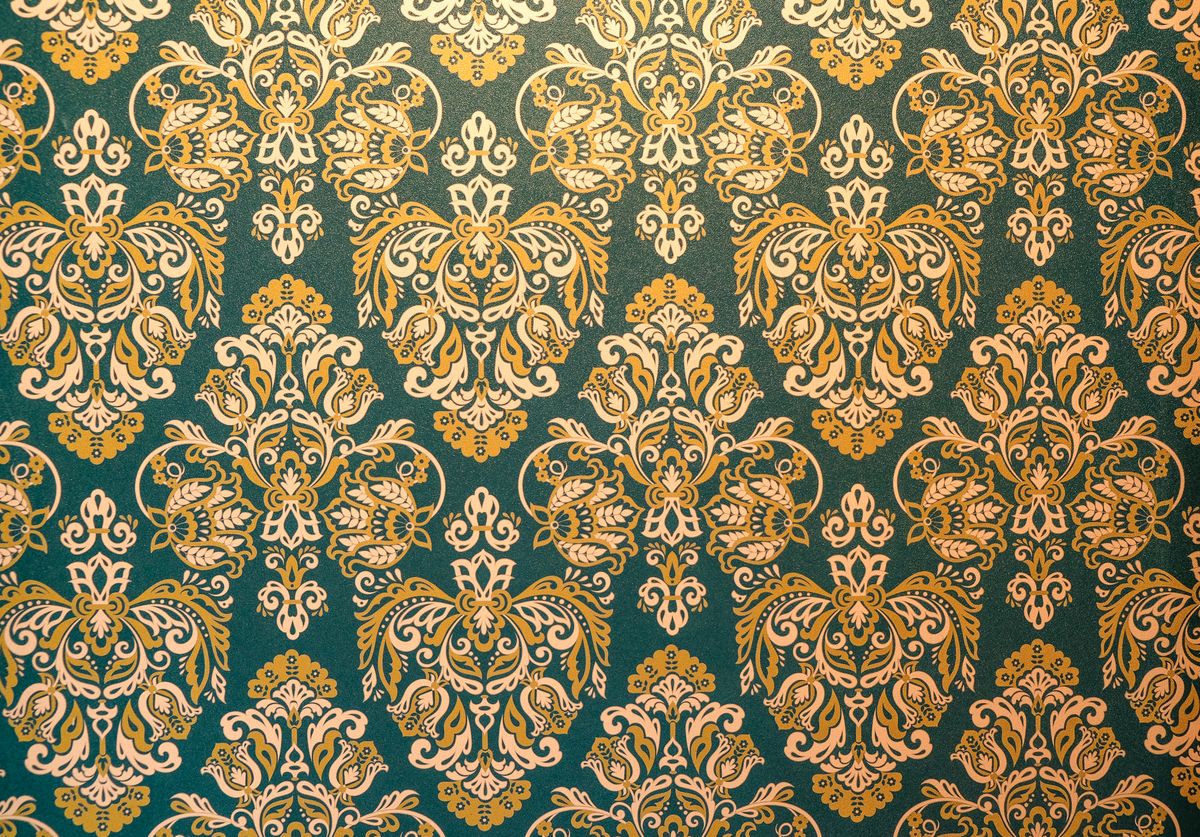
Image source: pinterest.com
The American diner aesthetic remains one of the most recognisable visual themes of the 1950s. Inspired by chrome accents, bold red-and-white colour palettes and checkered tiles, diner-style wallpaper continues to be a popular choice for kitchens and breakfast nooks.
Some diner wallpapers replicate classic patterns like black-and-white checkers, while others incorporate illustrations of milkshakes, neon signs or retro typography. For a modern interpretation, many designers opt for teal-and-cream patterns or minimalist grid wallpapers that evoke the diner feel without appearing too literal.
Diner-inspired wallpaper adds a lively and energetic atmosphere. When paired with retro bar stools, neon-style lighting or vintage appliances, the aesthetic becomes even more immersive.
Vintage Florals and Nature-Inspired Prints
Image source: pinterest.com
Although the decade is often remembered for its futuristic themes, the 1950s also embraced floral and botanical wallpapers. These designs typically featured small-scale prints, gentle colours and stylised illustrations. Bedrooms, hallways and cottages were common places for floral wallpaper, offering a softer alternative to atomic or geometric prints.
Vintage floral wallpaper works exceptionally well in modern homes when used thoughtfully. A single floral accent wall can soften contemporary furniture, creating a warm and inviting atmosphere.
How to Use 50’s Style Wallpaper in Your Home

Image source: pinterest.com
50s wallpaper can be applied to nearly any room. In living rooms, geometric or atomic prints create a strong focal point without needing elaborate décor. Kitchens benefit greatly from pastel wallpaper, which adds charm and a cheerful tone. Bathrooms become brighter and more welcoming when decorated with subtle atomic dots or light florals. Bedrooms suit softer patterns and calming colours, while children’s rooms thrive with playful, abstract shapes.
Styling Tips for a Modern Retro Look
Incorporating 50’s style wallpaper into a modern home works best when approached with balance and intention, allowing the wallpaper to stand out while maintaining a cohesive, uncluttered overall design. To enhance the retro look, consider pairing wallpaper with decorative accents like Celtic wall décor for added texture and personality. Clean-lined furniture lets wallpaper shine without overwhelming the room. Selecting colours that coordinate with flooring, upholstery and décor ensures cohesion. Adding small vintage elements, such as retro clocks, ceramics or mid-century lamps, enhances the mood while keeping the room functional and contemporary.
Where to Buy 50’s Style Wallpaper
Retailers offering authentic or reproduction 1950s wallpaper include Etsy, Wallpaper Direct, Wayfair, Spoonflower and Amazon. Each source has its strengths: Etsy for artisan designs, Wallpaper Direct for curated collections, Wayfair for affordability, Spoonflower for custom patterns and Amazon for quick options. Always consider thickness, material and installation type.
Pinterest search for inspiration:
Search: retro wallpaper stores, 50s wallpaper Etsy, mid century wallpaper shop
Conclusion
50’s style wallpaper remains timeless because it effortlessly blends nostalgic charm with modern versatility, offering long-lasting visual appeal that feels expressive rather than dated. From atomic starbursts to pastel kitchens and bold geometric prints, these designs offer endless ways to refresh your home while celebrating mid-century creativity. Whether used on a feature wall or throughout a room, 1950s wallpaper adds warmth, personality and visual interest without overwhelming your décor. With thoughtful styling and the right colour choices, this retro trend works beautifully in both traditional and contemporary interiors. Embracing 50s wallpaper allows you to honour design history while creating a space that feels stylish, expressive and uniquely yours.
Frequently Asked Questions (FAQs)
1. What is 50’s style wallpaper?
50’s style wallpaper refers to designs popular in the 1950s, including atomic starbursts, boomerang shapes, pastel colours and mid-century modern geometric patterns. These prints were inspired by post-war optimism and the Space Age, giving homes a playful yet stylish retro look.
2. What colours were used in 1950s wallpaper?
Pastel colours dominated 1950s wallpaper design. Common shades included mint green, powder blue, lemon yellow, blush pink and peach. Bolder colours such as teal, cherry red and black were used in atomic and geometric patterns to create striking visual contrast.
3. What patterns were popular in the 1950s?
The most popular 1950s wallpaper patterns included atomic starbursts, geometric lines, boomerang shapes, pastel florals, checkered diner-style prints and abstract space-inspired motifs. These designs reflected the era’s fascination with science, technology and modern living.
4. Can 50’s wallpaper work in a modern home?
Yes. 50’s style wallpaper works beautifully in modern interiors when balanced with clean-lined furniture, neutral colour schemes and thoughtful spacing, ensuring the retro elements feel intentional rather than overwhelming. Retro wallpaper adds personality, depth and colour without making a room feel outdated, especially when used on a feature wall.
5. Is retro wallpaper expensive?
Retro wallpaper varies in price depending on material, print quality and brand. Budget-friendly options are available on Wayfair and Amazon, while premium or custom 1950s reproductions from Spoonflower or Etsy may cost more but offer higher-quality finishes.
6. Where can I buy 50’s style wallpaper?
Popular places to buy 50’s style wallpaper include Etsy, Wallpaper Direct, Spoonflower, Wayfair and Amazon. These retailers offer a wide range of atomic, pastel and mid-century modern designs suitable for both vintage and contemporary homes.
7. What rooms look best with 50’s style wallpaper?
Living rooms, kitchens, dining areas and bedrooms all suit 1950s wallpaper. Atomic patterns work well in feature walls, pastels brighten kitchens and b