
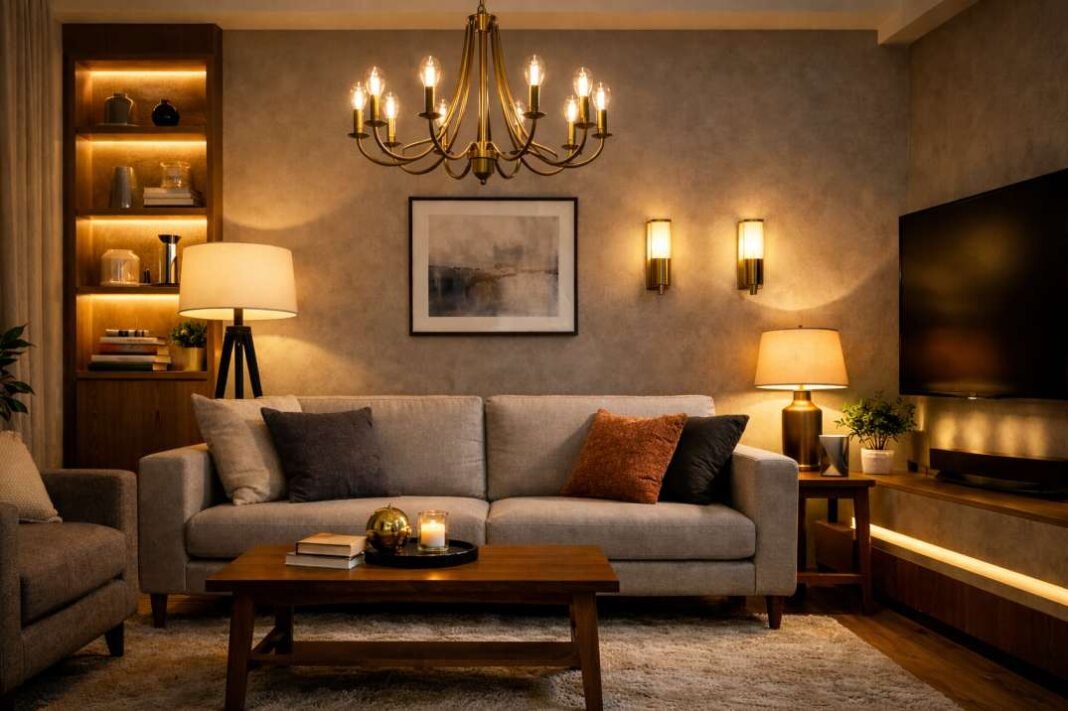

Living room decorating lights help create comfort, balance, and style in a space used every day. By combining layered lighting, thoughtful placement, and the right brightness, you can improve both the look and functionality of your living room while making it feel warm and inviting at all times.
Lighting can completely change how a living room looks and feels. A well-lit space feels welcoming, comfortable, and easy to use, while poor lighting can make even a beautiful room feel dull or uncomfortable. Living room decorating lights are not just about adding brightness; they are about shaping the mood of the space. Whether you are hosting guests, watching television, or relaxing with a book, the right lighting makes everyday moments more enjoyable. According to IKEA living room lighting ideas, layered lighting and multiple light sources help create a more comfortable and flexible living space. Another useful guide from Ideal Home small living room lighting ideas also highlights how proper lighting can visually expand compact spaces.
How the Right Lighting Transforms a Living Room
Lighting affects how we experience a living room more than most people realise. Soft, balanced lighting creates a calm and inviting environment, while harsh or uneven light can feel tiring and unpleasant. Light also changes how colours, textures, and furniture appear, especially during the evening. A living room is rarely used in just one way. During the day, it may need brighter light for activity, while evenings call for softer, more relaxed lighting. When lighting is flexible, the room feels comfortable at any hour.
Lighting is often one of the easiest ways to improve a home without major renovation. Small changes such as decluttering, simplifying décor, and improving lighting can make a big difference to how a home feels. Choosing the right furniture also plays a role in comfort and atmosphere, and resources like this sofa buying guide UK can help create a more balanced living space.
Essential Types of Living Room Decorating Lights
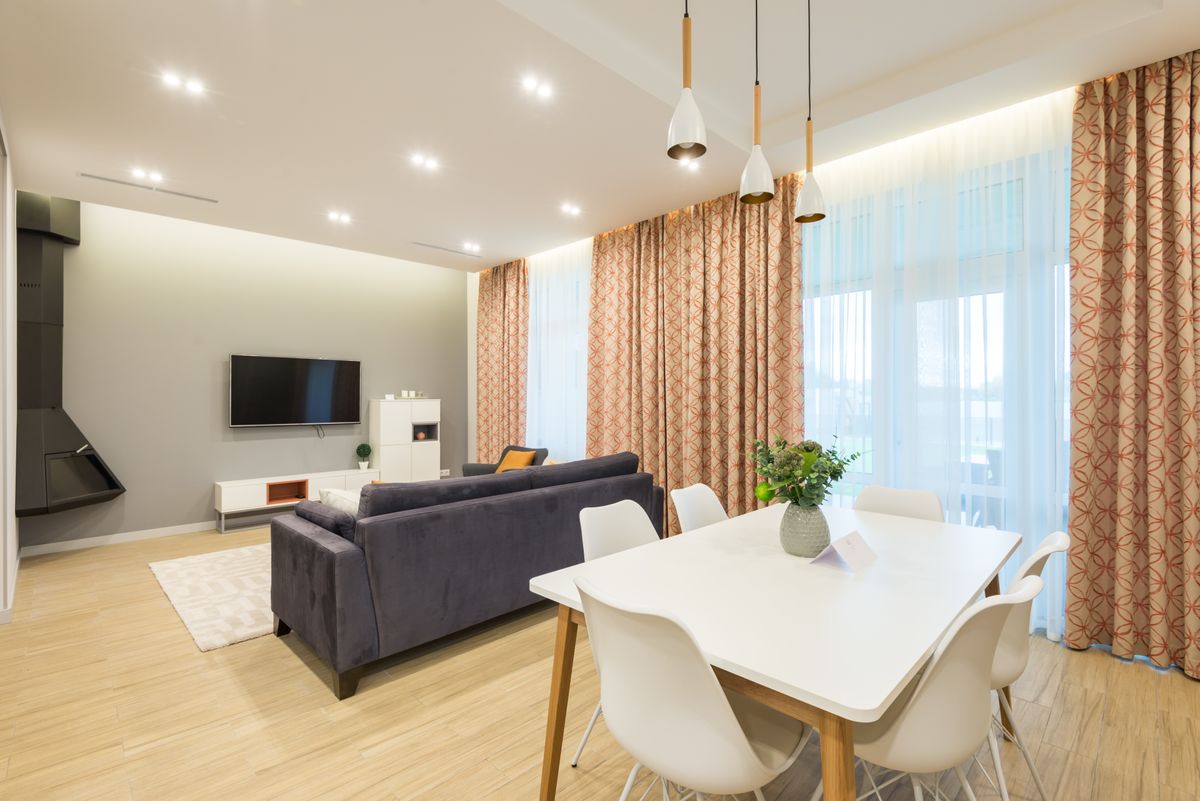
Image source: pinterest.com
Most living rooms look and function best when more than one type of light is used. Each lighting type plays a different role in the space. As explained in Lights.co.uk living room lighting ideas, combining ceiling lights, floor lamps, and wall lighting helps create balanced lighting throughout the room.
Chandeliers and pendant lights are often used as decorative centrepieces. Ceiling and flush-mount lights provide general lighting and help brighten the room evenly. Floor lamps add height and warmth, while table lamps create a cosy and personal feel. Wall lights and sconces add depth by lighting walls rather than the floor or ceiling, and LED strip lighting adds subtle ambience.
How to Layer Lighting for a Balanced Living Room
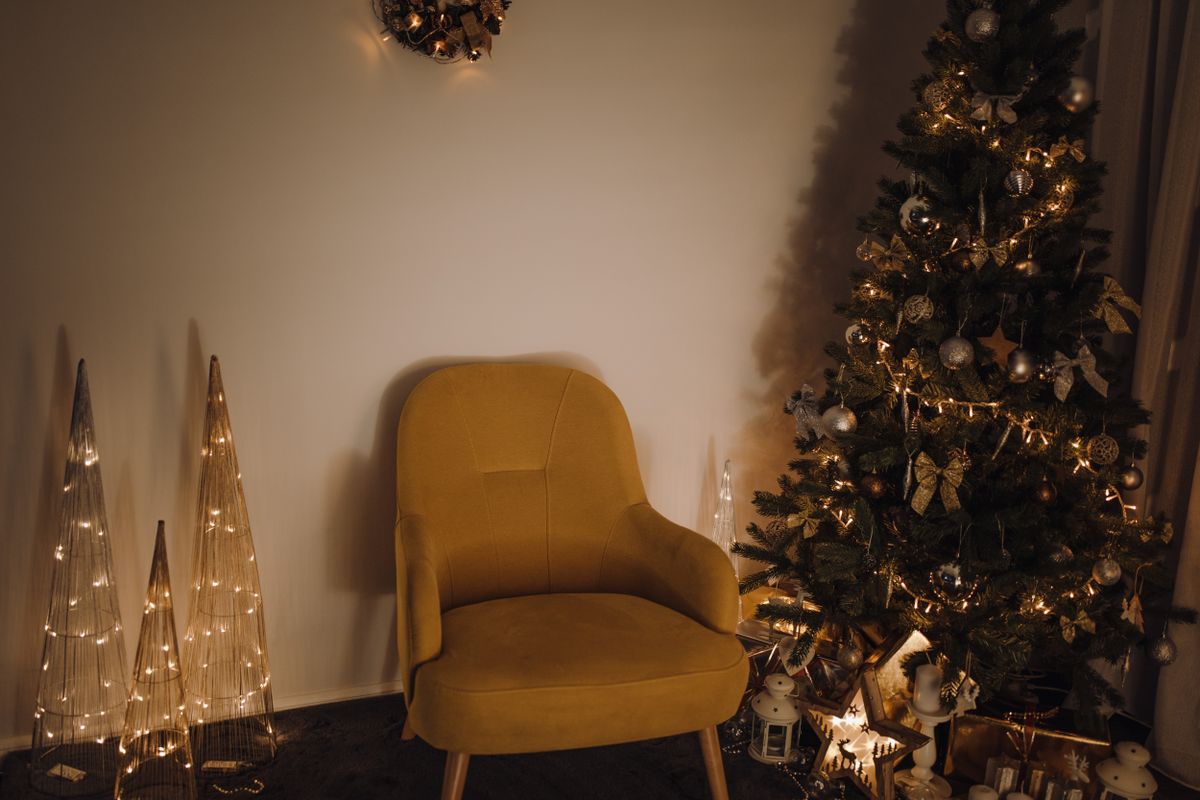
Image source: pinterest.com
Layered lighting is key to creating a comfortable living room. Using only one light source often results in flat or overly bright lighting. Layering allows the space to feel more natural and flexible. Ambient lighting provides overall brightness, task lighting focuses on specific activities like reading, and accent lighting highlights decorative features and adds atmosphere.
Lighting Ideas for Different Living Room Activities
Different activities need different lighting. For social gatherings or game nights, focused lighting above the coffee table or seating area keeps the space functional without being harsh. Reading areas benefit from adjustable floor or table lamps that direct light where it’s needed. For movie nights, dimmable wall lights or lamps with individual switches allow everyone to control their own comfort.
Good lighting also supports daily routines such as reading, planning, relaxing, or spending time with family. Creating a comfortable evening environment can help improve sleep and relaxation. Proper furniture selection also enhances comfort during these activities, and guides like how to clean leather sofa UK, how to clean a fabric sofa at home, and durable sofa materials guide UK help maintain a fresh and comfortable living space.
Choosing the Right Light Colour and Brightness
Light colour has a big impact on the atmosphere of a living room. Warm white light creates a cosy and welcoming feel, making it ideal for most living spaces. Cooler light can feel brighter and fresher but may be too harsh if used everywhere. Using different light tones in different areas works well.
Living Room Lighting Ideas Based on Room Size
In small living rooms, lighting should make the space feel open rather than crowded. Ceiling lights and wall sconces save floor space, while mirrors help reflect light and improve brightness. Larger rooms need multiple light sources to avoid dark corners and to define seating areas.
Smart and Modern Lighting for Today’s Living Rooms
Smart lighting offers convenience and flexibility. With app or voice control, brightness and colour can be adjusted easily to suit different moods or activities.
Decorative Details That Make Lighting Look Better
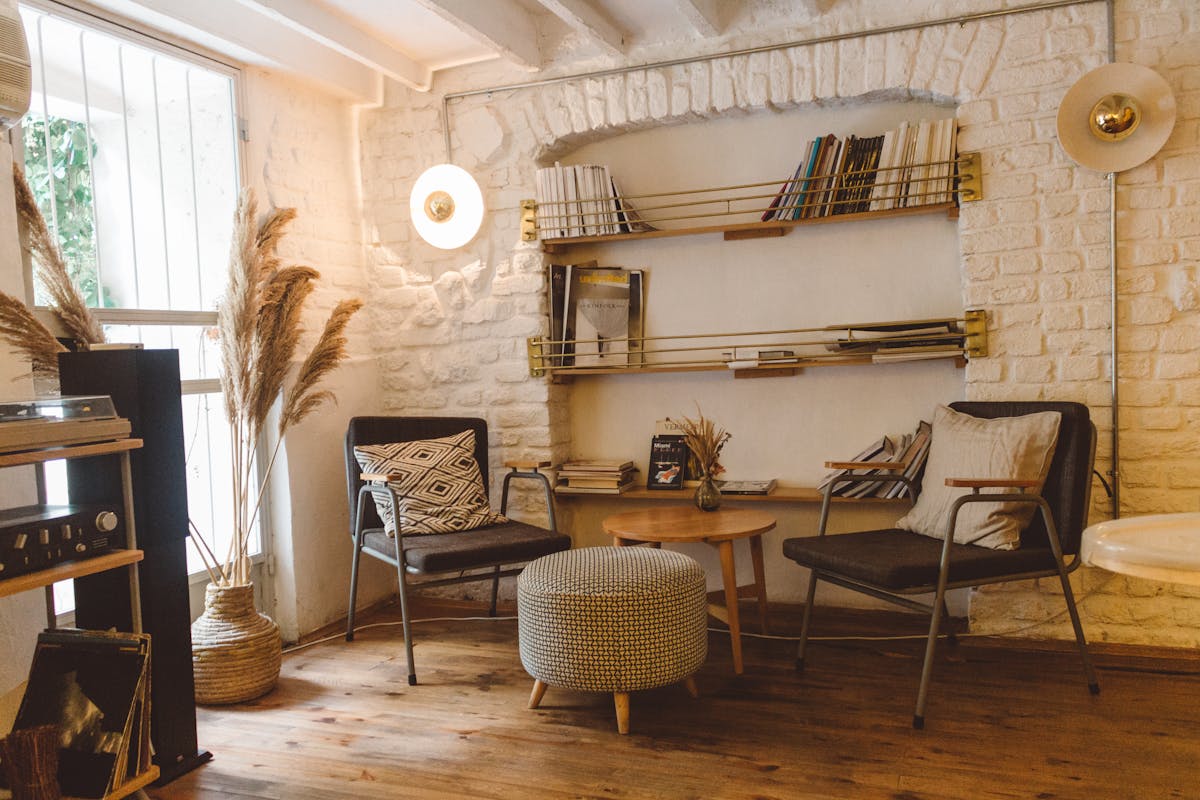
Image source: pinterest.com
Lighting design is not only about fixtures. Lampshades, textures, and finishes all influence how light feels in a room. Fabric or textured shades soften light, while woven or sculptural designs add visual interest.
Common Living Room Lighting Mistakes to Avoid
One common mistake is relying on a single ceiling light. This often creates harsh lighting and unflattering shadows. Another mistake is skipping dimmers, which limits flexibility. Lighting should support the décor, not compete with it.
Conclusion
Living room decorating lights play an important role in both comfort and design. By combining layered lighting, choosing the right brightness, and paying attention to placement and detail, a living room can feel welcoming at any time of day. Small improvements in lighting, home organisation, furniture care, and daily habits can significantly improve comfort and productivity at home.
Author Bio
Editorial Team – Daily Lifestyle Guide
The Daily Lifestyle Guide editorial team writes helpful and easy-to-understand articles for UK homes and everyday life. Our content focuses on home improvement, interior ideas, lifestyle tips, food guides, and practical advice that helps make daily living easier, more organised, and more comfortable. We research each topic carefully and aim to provide clear, simple information that readers can use in real life.
Our team regularly writes about home décor, lighting ideas, kitchen tips, cleaning guides, routines, self-care, and home organisation. We believe small changes in the home and daily habits can make a big difference to comfort, productivity, and wellbeing. That is why our articles focus on practical ideas that are affordable, realistic, and easy to follow for busy households.
Disclaimer
This article is for informational and home improvement guidance only. Lighting choices, electrical installations, and home improvements should always follow safety guidelines and professional advice where necessary. The editorial team may update this article if new information becomes available.
Frequently Asked Questions
What type of lighting is best for a living room?
The best lighting for a living room is a mix of ambient, task, and accent lighting using ceiling lights, floor lamps, table lamps, and wall lights.
How many lights should a living room have?
Most living rooms work best with multiple light sources instead of one central light to create balance and avoid shadows.
Are warm lights better for living rooms?
Yes, warm white lights create a cosy and comfortable atmosphere which is ideal for living rooms.
What lighting makes a living room look expensive?
Layered lighting, soft light tones, and decorative lampshades help a living room look more stylish and expensive.
Can LED strip lights be used in a living room?
Yes, LED strip lights are great for shelves, TV units, and ceiling edges to create soft ambient lighting.