


Last winter, a family in Manchester decided to refresh their small living room without buying anything new. They moved the sofa closer to the window, shifted a bookshelf into an empty corner, and suddenly the entire room felt brighter, warmer, and easier to live in. It’s funny how furniture can quietly shape the way we feel every day. A cramped layout can make even a beautiful home feel stressful, while the right arrangement creates calm and comfort. That’s exactly why this furniture placement guide UK matters so much today. Whether you live in a compact London flat, a suburban semi-detached home, or a cosy countryside cottage, smart furniture placement can completely transform how your rooms look and function. The good news is you don’t always need a big budget — sometimes, moving one chair changes everything.
Why Furniture Placement Changes the Feeling of a Room

A well-planned furniture layout can completely change the mood of a room
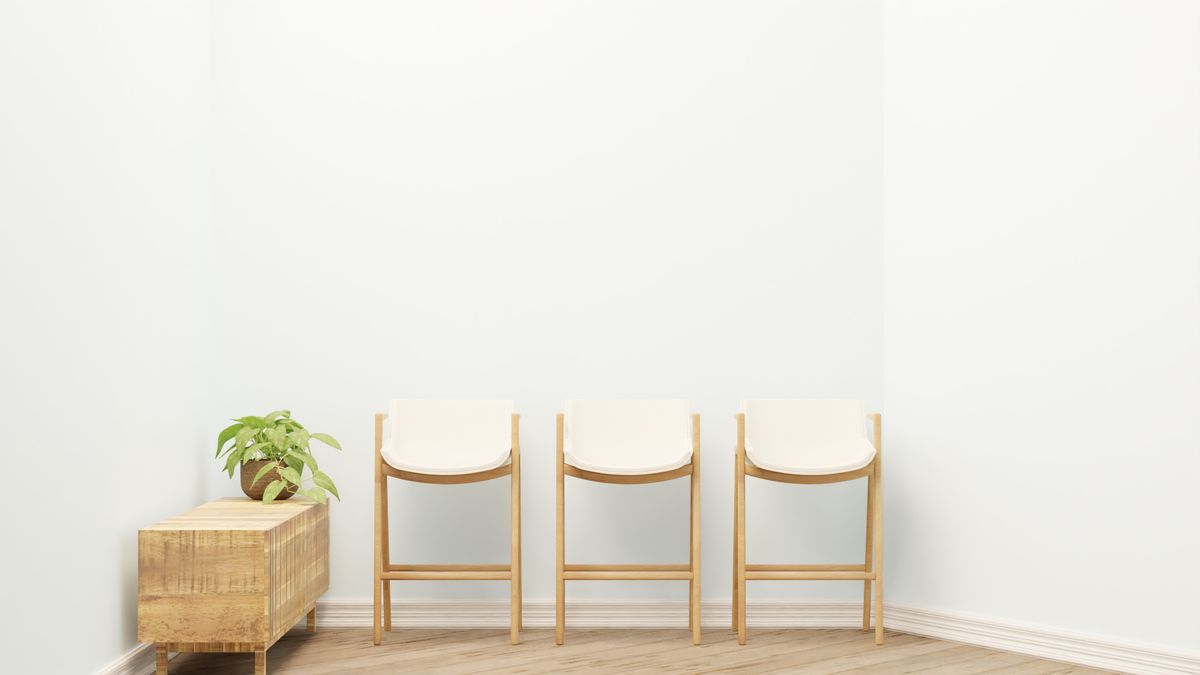
Image source: pixaby
Many people believe decorating is mostly about colour palettes or expensive furniture, but the truth often lies in placement. A beautifully designed sofa pushed against the wrong wall can make a room feel awkward and closed off. One couple in Birmingham realised this after struggling for months with a living room that never felt relaxing. The moment they repositioned their seating to encourage conversation instead of facing a blank wall, the space finally felt inviting.
Good furniture arrangement creates flow, comfort, and balance. According to House & Garden’s room layout advice, successful layouts focus on movement, natural light, and practical living patterns rather than simply filling empty spaces. This is especially important in modern UK home layouts where rooms are often smaller than older British properties.
When planning your furniture placement guide UK strategy, start by observing how you naturally move through the room. Notice where people pause, sit, or gather. Your furniture should support those habits instead of fighting against them. Even a small adjustment can turn a frustrating room into the favourite part of your home.
Living Room Furniture Placement UK Tips for Everyday Comfort

Comfortable furniture arrangement designed for modern British living rooms
Image source: pixaby
There’s something familiar about the classic British living room — a sofa facing the television, a coffee table squeezed into the middle, and barely enough room to walk through comfortably. Yet many homeowners are now rethinking that layout. A family in Leeds discovered their living room felt far bigger once they angled the armchairs toward each other instead of pointing everything at the TV.
One of the smartest living room furniture placement UK ideas is creating a conversation zone first. Position seating so people naturally connect while still allowing easy viewing if a television is present. This creates a room that feels social rather than mechanical.
As reported by Oak Furniture UK, leaving clear walking paths around furniture improves comfort and prevents rooms from feeling cluttered. This matters even more in compact British homes where every centimetre counts.
If you’re dealing with limited space, these small living room furniture ideas UK can help create a more open and practical setup without sacrificing style.
Small Room Furniture Arrangement Ideas That Actually Work
A small room can sometimes feel like a daily puzzle. You want storage, comfort, and style, but suddenly the room feels crowded after adding just one extra chair. A young renter in London solved this by floating furniture slightly away from the walls instead of pushing everything outward. Surprisingly, the room felt larger almost immediately.
One of the biggest myths in small room furniture arrangement is that all furniture should touch the walls. In reality, strategic spacing often creates better visual balance. Leaving a little breathing room behind furniture can make spaces appear wider and less cramped.
According to The Living House, using multifunctional pieces and avoiding oversized furniture helps maintain openness in compact interiors.
Homes across the UK are increasingly embracing flexible layouts, especially with remote working becoming common. These multifunctional living room furniture ideas show how dual-purpose furniture can improve both comfort and practicality in small spaces.
Bedroom Furniture Layout Ideas for Better Sleep and Relaxation

Peaceful bedroom arrangement designed for comfort and better sleep
Image source: pixaby
After a stressful workday, the bedroom should feel peaceful the moment you walk in. Yet many UK bedrooms become overcrowded with wardrobes, storage boxes, and awkward bedside tables. One homeowner in Bristol realised her room felt calmer simply by moving the bed away from direct alignment with the doorway.
Smart bedroom furniture layout ideas focus on creating visual calm. The bed naturally becomes the anchor of the room, so its placement matters more than any other item. Positioning it where natural light gently enters during the morning often creates a more relaxing atmosphere.
Data from Designer Furniture Gallery highlights how balanced layouts improve both room functionality and emotional comfort. While the article focuses on living spaces, the same principle applies beautifully to bedrooms.
Storage also plays a major role in bedroom comfort. Instead of overcrowding corners, use vertical storage or under-bed solutions to maintain clear floor space. A tidy layout quietly supports better rest, especially in smaller UK homes where bedroom dimensions can feel limiting.
Open Plan Furniture Placement Without Losing Cosiness
Open-plan living became hugely popular across the UK over the last decade, but many homeowners soon realised these spaces can feel cold or undefined if furniture isn’t arranged carefully. One family in Essex struggled with a giant kitchen-living area that looked stylish online but never felt cosy in real life.
The solution came through zoning. By positioning a sofa to separate the lounge from the dining area, the room instantly gained structure without adding walls. Rugs, lighting, and shelving units can also quietly define spaces while maintaining openness.
According to House & Garden, creating clear focal points prevents open-plan layouts from feeling chaotic or disconnected.
In many modern UK home layouts, furniture placement becomes the invisible architecture of the room. A dining table signals gathering, while a sectional sofa creates emotional warmth. The trick is ensuring each zone feels intentional while still flowing naturally into the next.
Corner Sofa Placement Ideas for Modern UK Homes
Corner sofas have become incredibly popular in British homes because they maximise seating without needing multiple pieces. Yet placing them incorrectly can overwhelm a room very quickly. A homeowner in Liverpool discovered this after positioning a large sectional directly across a narrow walkway, making the room feel blocked and heavy.
The best corner sofa placement ideas usually involve balancing openness with comfort. Instead of automatically pushing the sofa into a corner, consider how it affects movement and natural light. In some layouts, floating the sofa slightly away from walls creates a far more balanced look.
As reported by Oak Furniture UK, sectionals work best when paired with smaller accent furniture rather than bulky matching sets.
If your room feels crowded, adding lighter furniture pieces alongside a corner sofa helps maintain visual breathing space. Pairing this with clever space-saving furniture ideas UK can dramatically improve both storage and movement.
Dining Room Furniture Spacing That Feels Natural
Many dining rooms only come alive during holidays or family dinners, but the layout still affects everyday comfort. One family in Kent realised guests constantly bumped chairs because their dining table sat too close to the wall. After repositioning the table centrally, the entire room became easier to use.
Proper dining room furniture spacing ensures people can move comfortably without squeezing between chairs or walls. In smaller UK homes, extendable dining tables often provide flexibility without permanently dominating the room.
According to The Living House, maintaining open circulation areas improves both comfort and room functionality.
Lighting also influences furniture placement more than people realise. A centred pendant light naturally anchors the table and helps the room feel balanced. Even in compact dining spaces, thoughtful spacing creates a more welcoming atmosphere for everyday meals and special occasions alike.
Furniture Positioning Ideas That Improve Natural Light
Natural light changes everything in a home. Yet many people accidentally block windows with tall furniture, dark shelving, or oversized sofas. A couple in Glasgow noticed their living room always felt gloomy until they swapped a bulky cabinet for a lower storage unit near the window.
One of the smartest furniture positioning ideas is treating windows as visual assets rather than obstacles. Arrange seating to benefit from daylight instead of blocking it. Mirrors can also help bounce natural light deeper into rooms, especially during darker UK winters.
According to House & Garden, layouts that maximise natural light often feel larger and more emotionally uplifting.
Even subtle adjustments matter. Moving a reading chair closer to a window or replacing heavy curtains with lighter fabrics can completely change how a room feels throughout the day. Good furniture placement supports the home’s natural rhythm instead of competing with it.
Family Living Room Setup UK Ideas for Real Life
Perfect magazine layouts often ignore real family life. Toys appear, pets claim corners, and children turn sofas into obstacle courses. One parent in Nottingham finally stopped chasing perfection and redesigned the room around how the family actually lived every day.
The best family living room setup UK layouts balance comfort, safety, and flexibility. Durable furniture, rounded edges, and practical storage help maintain calm without sacrificing style. Creating zones for reading, relaxing, or children’s play also reduces visual chaos.
As reported by Designer Furniture Gallery, adaptable layouts help families use spaces more efficiently over time.
Modern British homes increasingly require rooms to serve multiple purposes — from home offices to entertainment areas. Furniture placement should evolve with your lifestyle rather than staying frozen in one arrangement forever. The most successful homes are rarely perfect; they simply work beautifully for the people living inside them.
Author Bio – DailyLifestyleGuide UK
DailyLifestyleGuide UK shares practical home improvement, interior styling, and lifestyle advice designed for modern British living. From smart furniture placement tips to space-saving home ideas, our goal is to help readers create homes that feel stylish, functional, and comfortable every day. We focus on realistic solutions for UK households, combining expert insights with relatable storytelling to make home design feel simple and achievable.
Disclaimer
This article is intended for informational and educational purposes only. While every effort has been made to ensure the information is accurate and up to date as of May 2026, home layouts and furniture needs vary depending on individual spaces and preferences. Readers should use their own judgment before making significant design or purchasing decisions. External sources referenced in this article remain the property of their respective publishers.
Sometimes, the biggest home transformation doesn’t come from buying new furniture at all. It comes from understanding how a room wants to function. A thoughtfully arranged sofa can encourage conversation, while a well-placed dining table can make everyday meals feel more connected. This furniture placement guide UK shows that smart layouts are less about perfection and more about creating spaces that support real life. Whether you’re rearranging a tiny flat or refreshing a growing family home, small changes often create the biggest emotional impact. Start with one room, move one piece at a time, and notice how your home begins to feel lighter, calmer, and more welcoming. Your perfect layout may already be waiting inside the furniture you already own.
FAQs
What is the best furniture placement for a small UK living room?
The best small room furniture arrangement focuses on clear walking space and multifunctional furniture. Avoid oversized sofas and keep layouts open by using compact seating and smart storage solutions. Floating furniture slightly away from walls can also make smaller UK living rooms feel larger.
How much space should be left between furniture pieces?
Most interior experts recommend leaving at least 60–90 cm of walking space between furniture. In compact UK homes, maintaining clear pathways helps rooms feel less crowded and improves everyday comfort and movement.
Is it better to place sofas against the wall?
Not always. While pushing furniture against walls is common in British homes, floating sofas slightly inward can sometimes create better balance and improve conversation areas. The ideal layout depends on room size, natural light, and traffic flow.
Why does furniture placement affect room comfort?
Furniture placement influences how people move, relax, and interact within a space. Poor layouts can make rooms feel stressful or cramped, while balanced arrangements improve comfort, light flow, and overall emotional wellbeing.
What are the best furniture positioning ideas for open-plan homes?
Open-plan furniture placement works best when rooms are divided into functional zones. Sofas, rugs, and lighting can subtly separate dining, lounging, and working areas without needing physical walls.
How can I improve room flow and spacing without buying new furniture?
Start by decluttering and rearranging existing pieces. Moving bulky furniture away from entrances or windows often improves room flow immediately. Small adjustments in spacing can dramatically change how open and welcoming a room feels.