
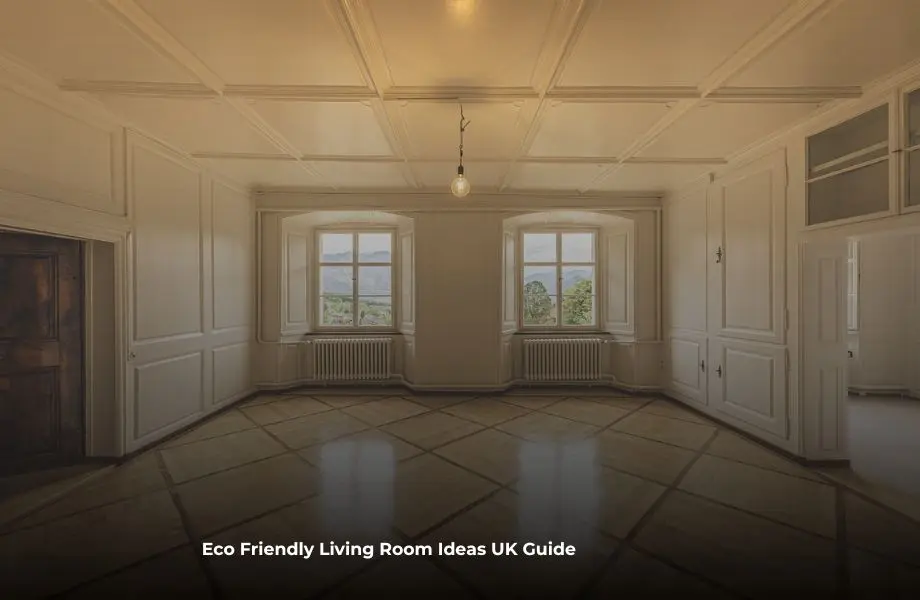

It started on a quiet Sunday morning, the kind where sunlight slips through half-open curtains and dust dances in the air. A simple thought crossed my mind while looking around the living room—why does comfort sometimes come at the cost of the planet? That question slowly turned into a journey of change. If you’ve ever sat on your sofa wondering how to make your home feel warmer, healthier, and more responsible at the same time, you’re already halfway into this story. In this guide on eco friendly living room ideas UK, we’ll explore how small, thoughtful choices can transform your space into something beautiful, sustainable, and deeply personal without losing style or comfort.
A Living Room That Started the Change
It often begins with a feeling rather than a plan. Imagine sitting in your living room one evening, noticing how fast furniture gets replaced or how much waste quietly builds up over the years. That’s exactly where the idea of sustainable living first takes root for many UK homeowners. Instead of chasing fast décor trends, more people are now choosing intentional design that lasts longer and impacts less. According to insights shared by the WWF UK on sustainable living, reducing consumption and reusing materials significantly lowers household environmental impact. This shift isn’t just practical—it feels personal. A living room becomes more than a styled space; it turns into a reflection of values, memories, and mindful decisions that grow over time rather than expire with trends.
Choosing Sustainable Furniture That Tells a Story
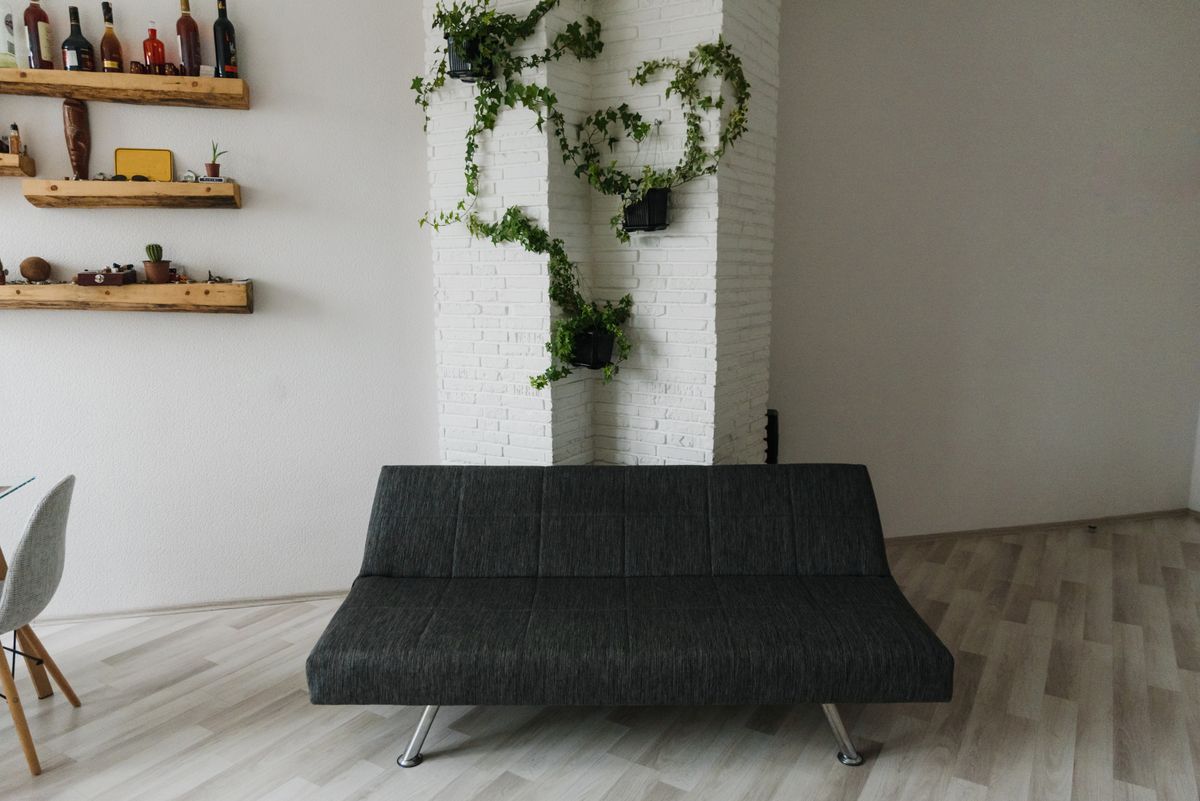
There’s something special about furniture that has lived a life before yours. A reclaimed wooden coffee table or a second-hand sofa often carries a charm that brand-new pieces cannot replicate. In many UK homes, sustainable furniture is becoming the heart of eco conscious design. Instead of mass-produced items, people are turning to durable craftsmanship and ethical sourcing. As highlighted by Energy Saving Trust’s guidance on sustainable homes, long-lasting materials reduce waste and resource consumption significantly. Choosing fewer but better pieces is not just environmentally smart—it creates a calmer, more meaningful living space. When you invest in furniture with a story, your living room slowly begins to feel less like a showroom and more like a personal journey built over time.
Natural Materials That Bring the Outside In
Close your eyes and imagine walking into a room filled with warm wood, soft linen, and earthy tones. That sense of calm is what natural materials bring into a living room. Across the UK, homeowners are embracing textures like jute rugs, bamboo accents, and organic cotton cushions to create grounding spaces. These materials not only look beautiful but also reduce exposure to synthetic chemicals often found in conventional décor. According to Statista’s environmental materials data, demand for natural and sustainable home products has steadily increased in recent years. The shift shows a growing awareness of how interiors affect both wellbeing and the planet. A naturally styled living room doesn’t shout for attention—it quietly comforts you every time you walk in.
Energy Efficient Lighting That Shapes Mood
Think of the last time your living room felt truly cosy. Chances are, lighting played a bigger role than you noticed. Switching to energy efficient lighting is one of the simplest yet most powerful eco upgrades. LED bulbs, warm dim lighting, and smart controls reduce electricity usage while creating inviting atmospheres. Many UK households are now rethinking how lighting affects both mood and energy bills. You can explore more inspiration in our guide on living room lighting ideas around your sofa. According to UK Government energy advice, switching to LED lighting can reduce energy use by up to 80% compared to traditional bulbs. Small adjustments like these quietly reshape both comfort and sustainability in everyday living.
Upcycling and Recycled Decor with Character
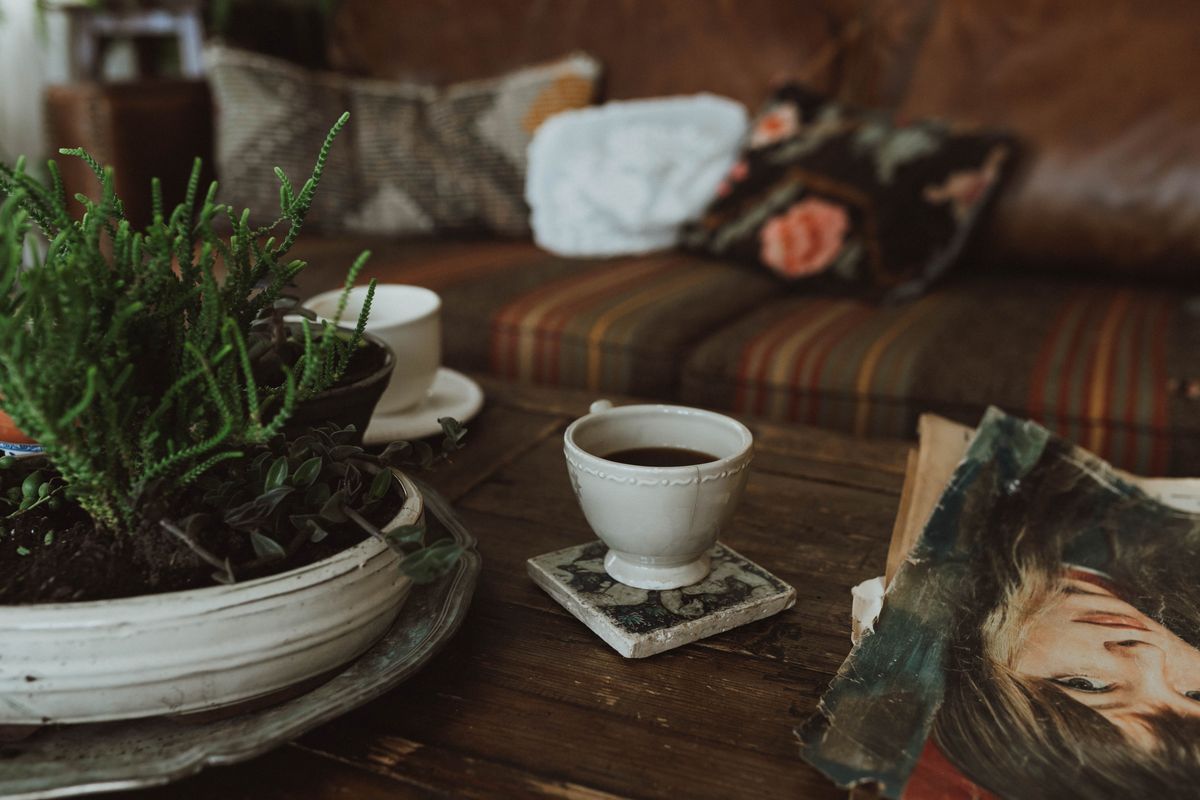
There’s a quiet joy in turning something old into something beautiful again. Upcycling has become a creative movement in UK homes, especially in living rooms where personality matters most. An old ladder becomes a bookshelf, glass jars become candle holders, and worn-out fabrics find new life as cushion covers. This approach not only reduces landfill waste but also adds individuality to your space. As reported by Plumbs’ eco-friendly home insights, reusing existing materials significantly lowers environmental impact while maintaining style. Each recycled piece carries imperfections that make it unique, reminding us that beauty doesn’t always come from newness—it often comes from reinvention.
Low Waste Styling and Minimal Living Comfort
A clutter-free room often feels like a deep breath. Low waste styling isn’t about empty spaces—it’s about intentional ones. In many UK homes, people are embracing minimalist approaches where every item has meaning or function. Instead of filling shelves with décor, the focus shifts to quality over quantity. You can explore related inspiration in our article on minimalist living room ideas UK. According to The Living House sustainable interiors guide, minimal design reduces consumption while improving emotional wellbeing. A thoughtfully styled space creates room to breathe, think, and relax without visual noise taking over daily life.
Eco Friendly Colour Palettes That Feel Alive
Colour has the power to change how a room feels before anything else. Earthy greens, soft neutrals, warm beiges, and muted blues are becoming popular choices in eco friendly living room design across the UK. These tones reflect nature and create a calming backdrop that never feels overwhelming. Many homeowners now pair these palettes with natural textures for a balanced look. You can also explore more ideas in our guide on living room colour ideas UK. According to Tapi Carpets’ conscious living trends report, nature-inspired colours are increasingly shaping modern interior preferences. These shades don’t just decorate a room—they emotionally anchor it.
Indoor Plants and Healthier Air at Home
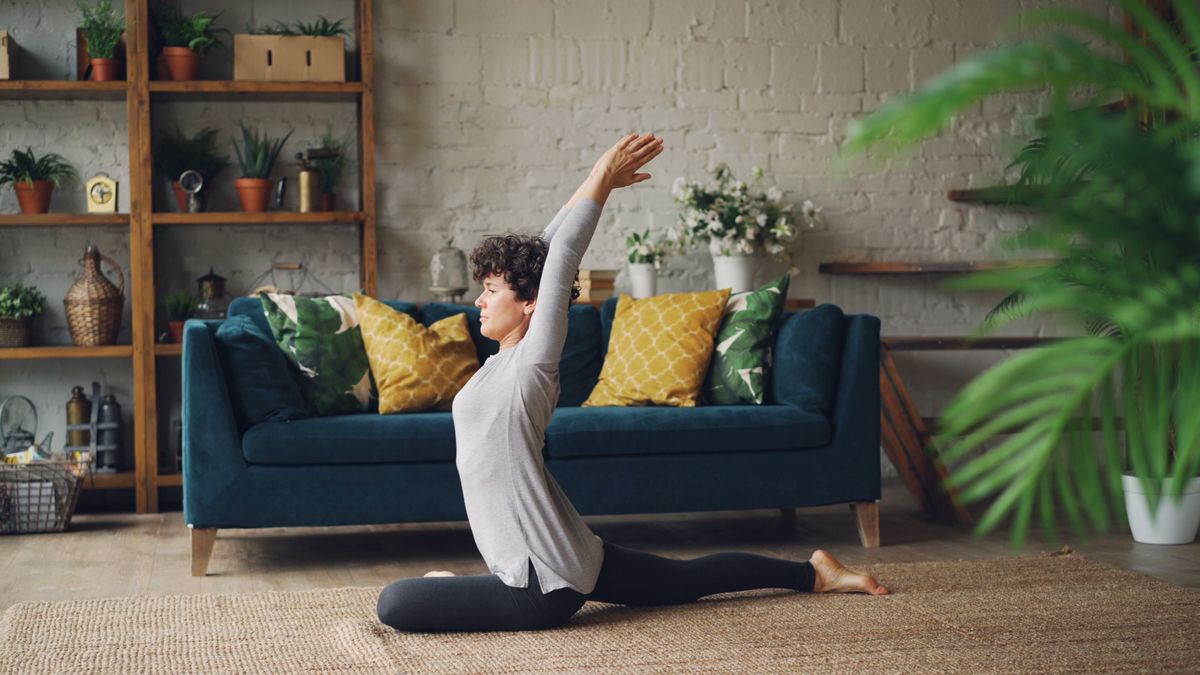
There’s a quiet transformation that happens when plants enter a living room. Suddenly, the space feels more alive, softer, and more connected to nature. From snake plants to peace lilies, indoor greenery has become a key part of eco conscious interiors in UK homes. Beyond aesthetics, plants help improve air quality and reduce indoor toxins. According to Energy Saving Trust’s home wellbeing insights, improving indoor environments contributes to better overall comfort and health. A single corner filled with greenery can change the entire emotional tone of a room, making it feel fresher and more grounded.
Smart Energy Habits for Everyday Living
Sustainability doesn’t stop at design—it continues in daily habits. Simple actions like turning off standby devices, using energy efficient heating, and improving insulation can significantly reduce environmental impact. Many UK households are now combining smart plugs and thermostats to better manage energy use. According to UK Government energy efficiency guidance, small behavioural changes can lead to noticeable reductions in household energy consumption. A living room becomes truly eco friendly when design and habits work together, creating a lifestyle that is both comfortable and responsible without feeling restrictive.
Conclusion: A Living Room That Grows With You
Creating eco friendly living room ideas UK is not about perfection—it’s about progression. Each small decision, from choosing natural materials to rethinking lighting or reusing furniture, slowly shapes a space that feels more connected to you and the world around you. Over time, your living room becomes less about decoration and more about intention, comfort, and care. It grows with your habits, your values, and your story. If there’s one takeaway, it’s this: sustainability isn’t a style you finish—it’s a way of living you keep building, one mindful choice at a time.
FAQs
What are eco friendly living room ideas UK homeowners can start with?
Start with small changes like switching to LED lighting, choosing second-hand furniture, and adding natural materials like wood or cotton. These eco friendly living room ideas UK homes benefit from are simple yet effective in reducing environmental impact while improving comfort and style.
How do sustainable living room ideas help the environment?
Sustainable living room ideas reduce waste, lower energy consumption, and promote the use of recycled or responsibly sourced materials. Over time, these choices help decrease your household’s carbon footprint and support more ethical production practices.
Is eco friendly interior design expensive?
Not necessarily. Many eco friendly interior design choices, like upcycling furniture or using energy efficient bulbs, are cost-effective. While some sustainable products may cost more upfront, they often last longer and save money over time.
What are the best materials for a sustainable living room?
Natural materials like bamboo, reclaimed wood, organic cotton, linen, and jute are excellent for sustainable living rooms. They are durable, biodegradable, and have a lower environmental impact compared to synthetic alternatives.
Can small UK homes also follow zero waste living room ideas?
Yes, even compact spaces can adopt zero waste living room ideas by focusing on minimal décor, multifunctional furniture, and reusing or repurposing items. Small homes often benefit even more from clutter-free, intentional design.
Why are eco conscious home design UK trends becoming popular?
Growing awareness of climate change and rising energy costs are driving eco conscious home design UK trends. People want homes that are healthier, more efficient, and aligned with sustainable living values without compromising on style.
Author Bio
Written by DailyLifestyleGuide UK, a lifestyle platform focused on practical, stylish, and sustainable home inspiration for modern UK living.
Disclaimer
This article is for informational and inspirational purposes only. While efforts are made to ensure accuracy, readers should verify sustainability claims and product suitability before making purchasing or renovation decisions.