
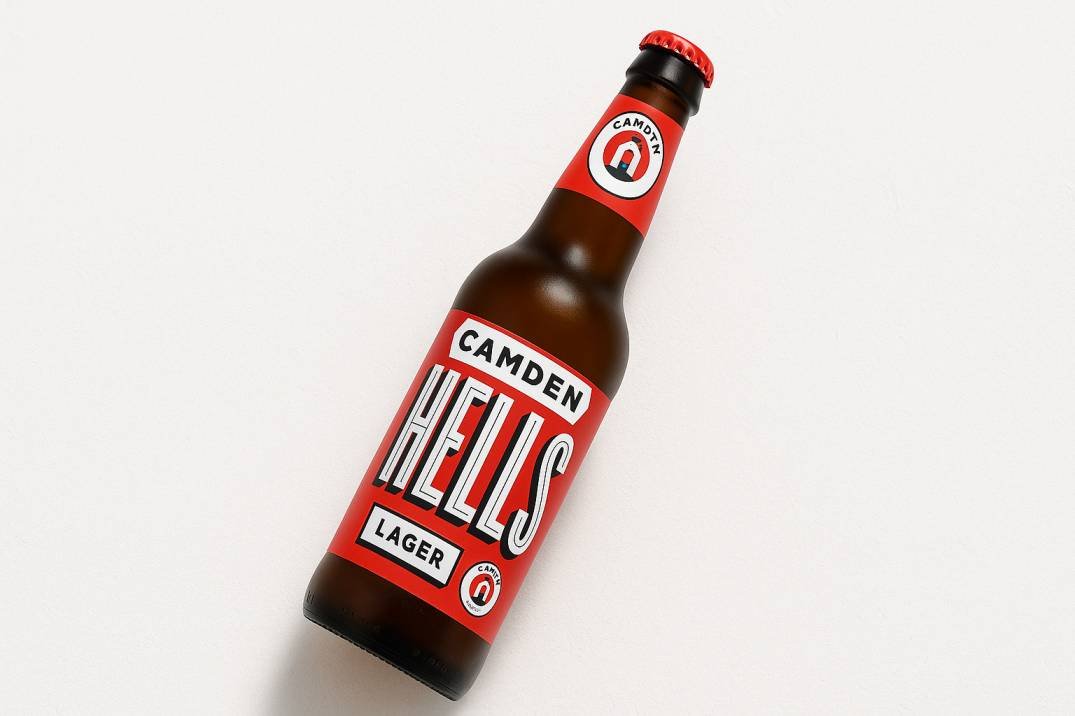

Camden Hells bottles feature a 4.6% ABV lager brewed by Camden Town Brewery in London, one of the UK’s most influential modern lager producers. A hybrid of German Helles and Pilsner styles, it is known for its crisp dryness, light citrus and bread notes, long maturation process, vegan-friendly brewing, and strong on-trade popularity across the UK.
Camden Hells bottles have emerged as a defining example of modern British lager, combining traditional European brewing discipline with the accessibility expected by today’s drinkers. Brewed by Camden Town Brewery in North London, Camden Hells is often described as crisp, refreshing and easy to drink, yet more refined than mainstream lagers. Its success has not come from bold experimentation or extreme flavours, but from balance, consistency and a clear understanding of what many drinkers want from a well-made lager. This article explores Camden Hells bottles in depth, examining how the beer is brewed, how it tastes, how it performs in the UK market, and why it continues to hold such a strong position.
Camden Town Brewery and Its Focus on Lager
Camden Town Brewery was founded in 2010, at a time when much of the UK craft beer movement was focused on ales, porters and hop-heavy IPAs. Lager, by contrast, was often overlooked because it requires precision, time and technical control. Camden chose to specialise in lager at a time when few UK craft breweries did, identifying a gap in the market for lagers that delivered both technical quality and broad drinkability.
This focus shaped the brewery’s identity. Rather than chasing trends, Camden concentrated on producing clean, well-executed beers that could be enjoyed by a wide audience. Camden Hells quickly became the brewery’s flagship and remains the beer most closely associated with its name. Over time, it has moved from a craft niche into the mainstream without losing its core identity.
A Lager Inspired by Helles and Pilsner Traditions
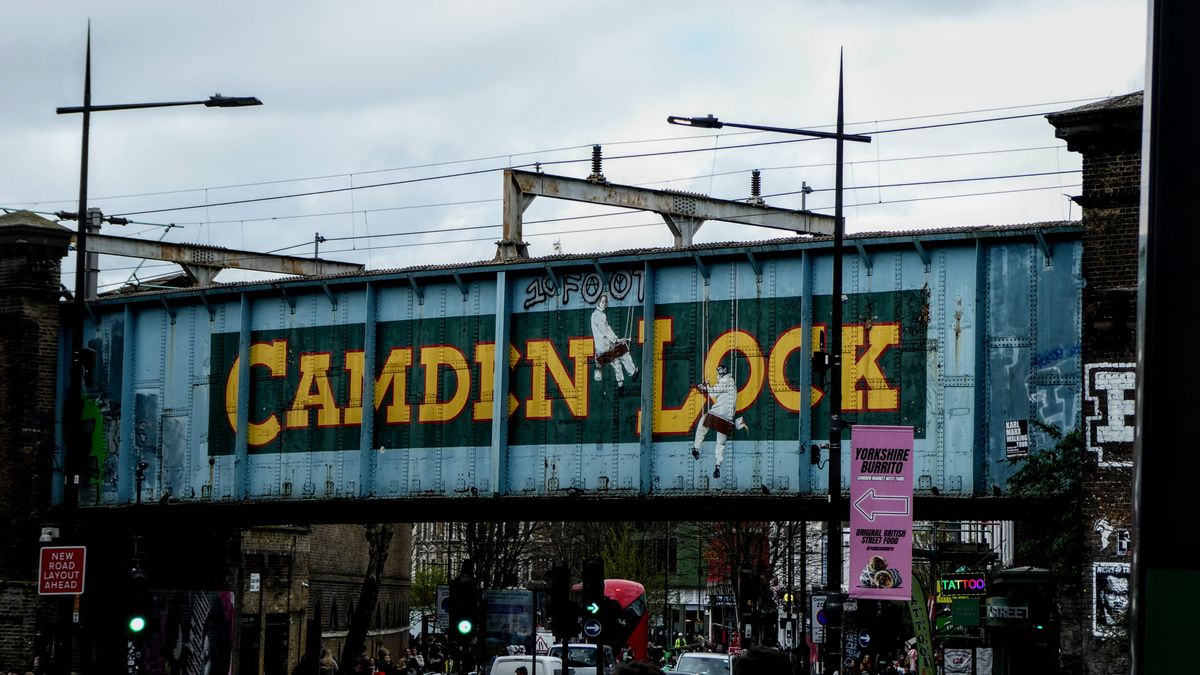
Image source: pinterest.com
Camden Hells is best understood as a modern hybrid of two classic German lager styles — Helles and Pilsner — combining the softness of one with the crisp finish of the other. Understanding this blend helps explain the beer’s character.
Helles lagers are typically pale, softly malty and balanced, with an emphasis on drinkability rather than bitterness. Pilsners, by contrast, are drier and crisper, with a more noticeable hop presence. Camden Hells draws elements from both. The result is a beer that feels refreshing and clean on first sip, yet rounded and gentle as it develops on the palate.
The name “Hells” reflects this stylistic combination, signalling inspiration rather than strict adherence to a single traditional style. It signals inspiration rather than imitation, allowing the beer to occupy its own space between traditions.
Alcohol Content and Drinking Strength
With an alcohol content of 4.6% ABV, Camden Hells bottles sit comfortably within the session lager category, making them suitable for extended social drinking without feeling heavy or overpowering. This level of alcohol allows the beer to be enjoyed over longer periods without becoming heavy or tiring.
Despite this moderate strength, many drinkers note that Camden Hells delivers a fuller mouthfeel and flavour presence than its ABV suggests. The balance of malt sweetness and hop bitterness creates the impression of a beer with more body, even though the alcohol remains restrained. This quality contributes to its popularity as a social beer, particularly in settings where multiple drinks may be consumed over time.
Brewing Process and the Role of Long Maturation
Image source: pinterest.com
One of the defining characteristics of Camden Hells is its long, slow maturation process, a traditional lagering method that allows flavours to stabilise, clarify and integrate naturally over time. Lager brewing requires fermentation at lower temperatures followed by extended conditioning, often referred to as lagering. This process allows unwanted flavours to dissipate and the beer to clarify naturally.
Camden Hells benefits from this patient approach. The extended maturation helps produce a clean finish, stable carbonation and integrated flavour profile. Unlike high-volume industrial lagers that prioritise production efficiency, Camden Hells reflects a brewing philosophy grounded in patience and technical control.
Flavour and Aroma Profile

Image source: istockphoto.com
Camden Hells bottles are widely described as clean and refreshing, but A more attentive tasting reveals layered but restrained aromatics. On the nose, the beer offers gentle citrus notes, often described as lemon, alongside pale malt and fresh bread aromas. There is also a light sharpness that hints at its Pilsner influence.
On the palate, Camden Hells opens crisp and dry before giving way to a gentle malt sweetness that balances the initial sharpness and leads into a clean, refreshing finish. The bitterness remains controlled and never aggressive, allowing the beer to finish cleanly. Some tasters also detect faint herbal or peppery hop notes, which add quiet complexity without disrupting the beer’s overall restraint.
This restrained subtlety is central to Camden Hells’ appeal and underpins its reputation as a dependable, repeat-drinking lager. It is not designed to surprise or challenge the drinker, but to remain interesting enough to return to repeatedly.
Mouthfeel, Texture and Carbonation
Image source: pinterest.com
In bottle form, Camden Hells tends to feel lively but composed. The carbonation is sufficient to lift the flavours and enhance refreshment, without creating excessive fizz. The body sits comfortably between light and medium, reinforcing the beer’s easy-drinking character.
When poured into a glass, the beer forms a clean white head that dissipates gradually, releasing aroma as it settles. The overall mouthfeel supports the beer’s role as a social lager, suitable for extended drinking rather than slow contemplation.
Bottles Versus Cans: Is There a Difference?
Although the beer inside Camden Hells bottles and cans is brewed to the same recipe, many drinkers report a different overall experience depending on the format. Bottles are often perceived as delivering a slightly crisper, cleaner impression, particularly when the lager is poured into a glass. This perception is influenced by serving ritual, temperature control and the visual appeal of glass, which many associate with more traditional or relaxed drinking occasions.
Glass bottles also carry strong cultural associations within the UK drinks market. Much like established cider brands such as Magners bottles, bottled lager is often linked to meals, table service and social settings where the drink is enjoyed more slowly. This ritual spans multiple beverage categories, from traditional lagers to modern alcoholic ready-to-drink options such as Dragon Soop bottle.
Cans, on the other hand, are valued for their convMost perceived flavour differences stem from serving conditions and psychological expectation rather than measurable variation in the beer itself. Ultimately, the choice between Camden Hells bottles and cans comes down to how, where and why the beer is being enjoyed.
Packaging and Visual Identity
Image source: pinterest.com
Camden Hells bottles use brown glass, which serves a practical purpose by protecting the beer from light exposure. This choice also reinforces the beer’s understated, confident branding. The label design is closely tied to Camden Town Brewery’s London identity and is instantly recognisable on shelves and in fridges.
Opinions on the packaging vary. Some drinkers appreciate its bold simplicity, while others feel the branding carries more confidence than the beer itself. This contrast has become part of the conversation around Camden Hells and adds to its recognisability within the crowded beer market.
Food Pairing and Drinking Occasions

Image source: pinterest.com
Camden Hells bottles are particularly well suited to food, largely because of their balance and restraint. The bread-like malt notes complement sandwiches and simple meals, while the clean finish works well with plant-based dishes such as falafel and grilled vegetables.
At barbecues, the beer refreshes the palate without overpowering delicate flavours. Its moderate bitterness and alcohol level make it a reliable choice across a range of cuisines, from casual pub food to lighter home-cooked meals. This versatility has helped cement its place as a go-to lager for social occasions.
Vegan and Vegetarian Suitability

Image source: pinterest.com
Camden Town Brewery states that it does not use animal-derived finings in its beers. As a result, Camden Hells is suitable for vegetarians and vegans. This makes it an accessible option for mixed-diet gatherings and reflects broader shifts within the brewing industry towards more inclusive production methods.
Availability and Distribution in the UK
Camden Hells bottles are widely available across the UK, both in retail and hospitality settings. This level of visibility places Camden Hells alongside widely stocked beer brands such as Cobra bottle, reinforcing its mainstream presence.This broad distribution reflects strong consumer demand and the beer’s established position within the on-trade sector.
The beer is sold as individual bottles, multipacks and as part of mixed selections, making it easy to access for both casual and regular drinkers.
Market Performance and Sales Leadership
Camden Hells has demonstrated consistent resilience within the UK craft beer market, maintaining strong sales performance even during periods of declining on-trade consumption. During periods when overall on-trade craft beer sales declined, Camden Hells retained its position as the best-selling craft beer by both value and volume.
Sales data consistently places Camden Hells ahead of competing craft lagers in both value and volume within the UK on-trade sector. This performance highlights the beer’s broad appeal and its role as a dependable choice for pubs and bars navigating uncertain trading conditions.
Popularity Versus Critical Reception
While Camden Hells enjoys widespread popularity, critical opinion is more nuanced. Some reviewers praise its balance and drinkability, while others argue that its hybrid nature leaves it stylistically ambiguous. Its stylistic positioning between Helles softness and Pilsner crispness creates broad appeal, though some critics view this middle ground as lacking distinction.
Ratings from independent reviewers typically fall in the low to mid 70 percent range, suggesting solid quality without universal acclaim. This balance between widespread popularity and measured critique ultimately strengthens Camden Hells’ credibility, positioning it as dependable rather than overstated.
Who Camden Hells Bottles Are Best Suited For
Camden Hells bottles are particularly well suited to drinkers who value consistency, balance and versatility. They appeal to those seeking a step up from mass-market lagers without venturing into experimental or high-intensity styles.
They may be less appealing to drinkers who prioritise bold flavours, high alcohol content or distinctive hop profiles. In this sense, Camden Hells is unapologetically mainstream in its ambitions, aiming to satisfy many rather than impress a few.
Why Camden Hells Remains Influential
Camden Hells occupies an important place in the evolution of British lager. It helped demonstrate that lager could be both technically sound and widely appealing without sacrificing quality. Its success influenced how breweries approached lager brewing and how consumers viewed the category.
Rather than chasing trends, Camden Hells focused on reliability and clarity of purpose. This approach has allowed it to remain relevant even as tastes and market conditions have shifted.
What Are Camden Hells Bottles?
Camden Hells bottles are the glass-packaged expression of Camden Hells Lager, the flagship beer produced by Camden Town Brewery. The beer is typically packaged in 330ml brown glass bottles, a format chosen to protect flavour stability while reinforcing a subtle premium identity. Brown glass helps protect beer from light exposure, which can cause flavour degradation, while also reinforcing the beer’s premium yet understated presentation.
The bottled version of Camden Hells is often associated with meals, picnics and relaxed social occasions. While cans have become increasingly popular for convenience, bottles continue to appeal to drinkers who prefer a more traditional beer-drinking experience, particularly when the beer is poured into a glass and enjoyed slowly.
Conclusion
Camden Hells bottles illustrate how modern lager can succeed through precision, balance, and consistency rather than intensity or trend-driven innovation. By blending Helles softness with Pilsner crispness, maintaining a moderate alcohol level and committing to long maturation, the beer delivers consistency rather than spectacle. Its strong market performance, wide availability and food-friendly character explain why it continues to dominate the UK craft lager conversation. While it may not excite drinkers seeking intensity or experimentation, Camden Hells succeeds by understanding its role. It is a dependable, well-made lager designed for social drinking, everyday enjoyment and sustained long-term relevance in the UK beer market.
Frequently Asked Questions (FAQs)
What is the ABV of Camden Hells bottles?
Camden Hells bottles have an alcohol content of 4.6% ABV. This places it in the mid-strength lager category, offering a balanced flavour without being too heavy.
Do Camden Hells bottles taste different from cans?
The beer itself is the same, but some drinkers feel bottles taste slightly crisper, while cans can feel a little softer due to differences in carbonation and serving style. Preference is largely personal.
Is Camden Hells Lager vegan?
Yes. Camden Town Brewery states that it does not use animal-derived finings, making Camden Hells suitable for vegetarians and vegans.
What style of lager is Camden Hells?
Camden Hells is a hybrid of German Helles and Pilsner styles, combining gentle malt sweetness with crisp dryness and balanced bitterness.
What size are Camden Hells bottles?
Camden Hells bottles are most commonly sold in 330ml brown glass bottles, available as single bottles or multipacks.
How many calories are in a bottle of Camden Hells?
A 330ml bottle of Camden Hells contains approximately 140–150 calories, which is typical for a lager of this strength.
Is Camden Hells considered a craft beer?
Yes. Camden Hells is widely regarded as a UK craft lager due to its brewing approach, focus on traditional lagering techniques, and its role in reshaping perceptions of modern British lager. brewed by Camden Town Brewery and recognised as one of the country’s best-selling craft beers.
Where can I buy Camden Hells bottles in the UK?
Camden Hells bottles are widely available in the UK, including supermarkets such as M&S, Tesco, and Waitrose, as well as online retailers and pubs.
Can Camden Hells bottles be recycled?
Yes. Camden Hells bottles are made from recyclable glass and can be disposed of through standard household glass recycling.
Does Camden Hells contain gluten?
Camden Hells is brewed with barley and contains gluten. It is not suitable for people with coeliac disease.
Is Camden Hells a strong lager?
Camden Hells is not considered strong, but many drinkers say it tastes fuller than its 4.6% ABV suggests due to its balanced malt and hop profile.
What food pairs best with Camden Hells?
Camden Hells pairs well with sandwiches, falafel, grilled vegetables, burgers, pizza, and BBQ foods, as its clean finish does not overpower food flavours.
Why is Camden Hells so popular in the UK?
Its popularity comes from a mix of consistent quality, clean taste, strong branding, wide availability, and leading on-trade sales performance in pubs and bars.