
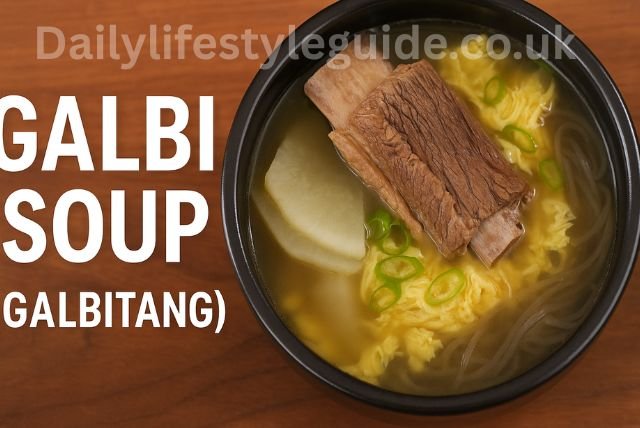

Galbi soup, or galbitang, is a traditional Korean beef short rib soup known for its clear broth and nourishing flavour. Slowly simmered with simple ingredients, it creates a comforting and balanced dish often served with rice and kimchi.
Galbi soup, known in Korean as galbitang, is a classic Korean beef short rib soup valued for its clear broth and deeply comforting nature. Slowly simmered ribs release rich flavour while careful preparation keeps the soup light in appearance and clean in taste.Although it looks light, galbitang is filling and nourishing, making it popular in winter, at family gatherings, and whenever comforting food is needed. Galbi soup comes from Korean royal court cuisine and reflects a cooking style that values balance, patience, and quality ingredients, creating a dish that is comforting but not heavy.
What Is Galbitang?
Galbitang is a traditional soup from Korean cuisine made from bone-in beef short ribs.The word galbi means ribs, and tang means soup. While the dish sounds simple, it needs careful preparation to be made correctly.Large ribs with thick cushions of meat are simmered gently with aromatics such as Korean radish, garlic, onion, and ginger, then lightly seasoned near the end of cooking.
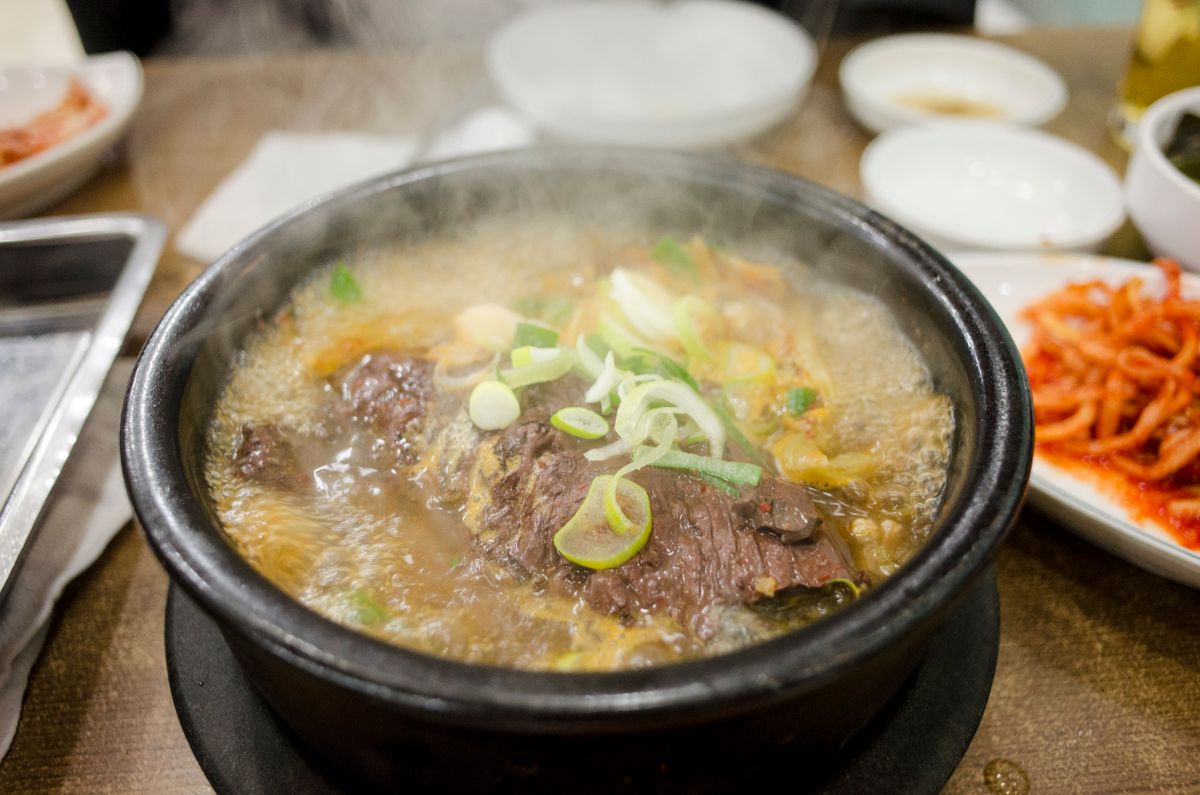
Galbitang is widely considered nourishing rather than heavy and is appreciated for both its comfort and nutritional value. Made with bone-in beef short ribs, the soup provides high-quality protein along with minerals released during the slow simmering process.
Its clear broth and light seasoning make it gentle on digestion while still delivering satisfying flavour. Because it is warm, hydrating, and substantial without being overly rich, galbitang is often enjoyed as a restorative meal, especially during colder months or whenever a strengthening, comforting dish is desired.
Ingredients and Balance
Galbitang uses only a few ingredients, and each one plays an important role. Each component plays a specific role. Beef ribs provide the foundation. Korean radish adds subtle sweetness and balance. Garlic, onion, scallions, and ginger add a gentle aroma without overpowering the broth. Korean soup soy sauce seasons the soup while preserving its colour, and Black pepper adds gentle warmth without making the soup spicy.
Optional ingredients such as mirin can soften the beefy edge of the broth, while starch noodles or eggs may be added near the end for texture. Some cooks use beef dashida to enhance flavour, though this is a personal choice rather than a requirement.
Choosing the Right Beef
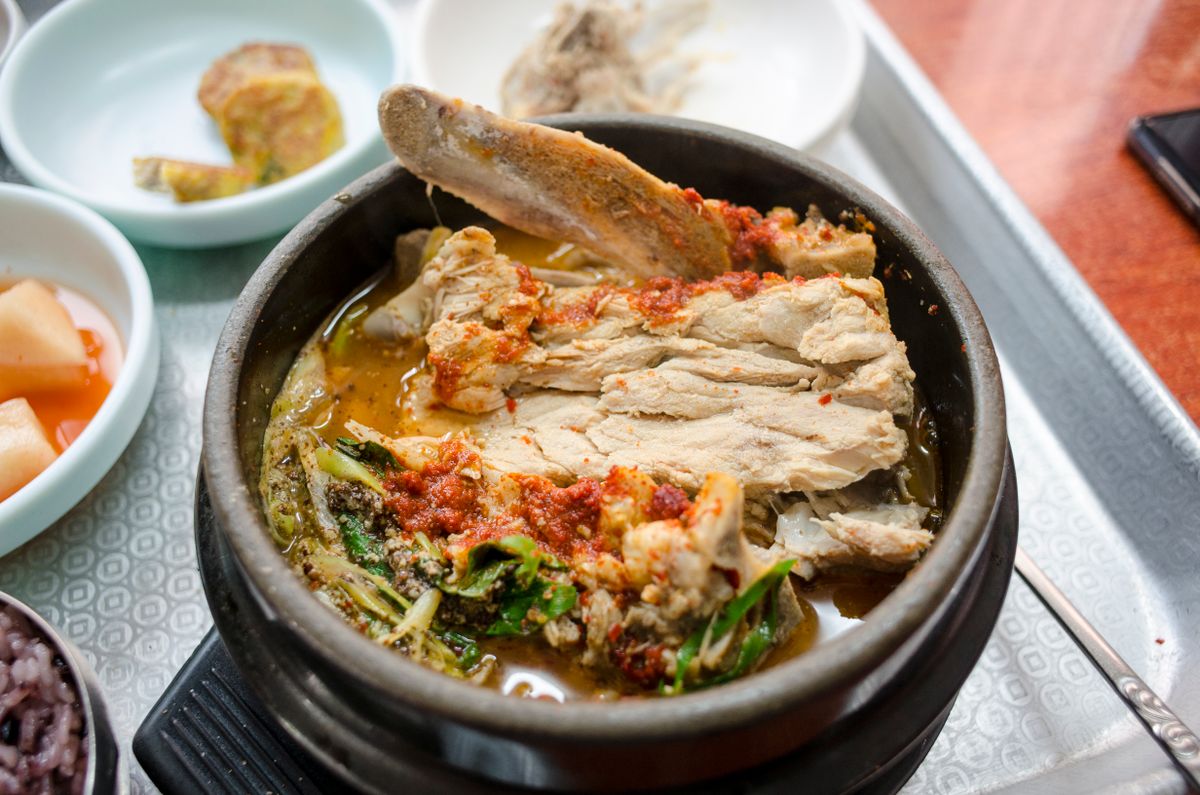
Traditional galbitang uses bone-in beef short ribs with generous marbling. These ribs add deep flavour from the bones and richness from the meat. As the soup cooks, collagen and minerals are released into the broth, and the meat becomes tender while staying on the bone.
Galbitang can also be adapted using more economical stew cuts. When prepared this way, the soup becomes closer to sogogimu-guk. The method remains similar, but the texture and presentation change. Both versions are common in Korean home cooking, and the choice usually depends on budget and occasion.
Easy Galbitang (Korean Beef Short Rib Soup) Recipe Card
Prep Time: 30 minutes
Cook Time: 2 hours
Total Time: 2 hours 30 minutes
Yield: Serves 4–6
Ingredients
1.3–1.5 kg bone-in beef short ribs
12–14 cups water
500 g Korean radish (mu), cut into large chunks
1 medium onion, halved
6–8 garlic cloves, whole
2–3 spring onions, white parts only
2–3 thin slices fresh ginger (optional)
½ teaspoon black pepper
For seasoning and finishing
2 tablespoons Korean soup soy sauce (guk-ganjang)
Salt, to taste
Freshly ground black pepper, to taste
80 g sweet potato glass noodles, soaked (optional)
2 eggs, lightly beaten (optional)
Chopped spring onions, for garnish
Instructions
Soak the beef short ribs in cold water for 30–60 minutes, changing the water once or twice. Drain well.
Bring a large pot of fresh water to a boil. Add the ribs and boil for 5–10 minutes. Drain, rinse the ribs thoroughly, and clean the pot.
Return the ribs to the clean pot and add the water, radish, onion, garlic, spring onions, ginger, and black pepper. Bring to a boil, skimming off any foam. Reduce the heat and simmer gently for 1½–2 hours until the meat is tender but still holding its shape.
Remove and discard the onion, garlic, ginger, and spring onions. Remove the radish, cut into bite-size pieces, and return it to the soup if desired.
If time allows, cool the soup and refrigerate until the fat solidifies on the surface. Remove the fat for a cleaner broth. Alternatively, skim while hot.
Bring the soup back to a gentle boil. Season lightly with Korean soup soy sauce and salt. Add the soaked noodles and cook for 3–5 minutes, then remove promptly.
If using eggs, slowly pour them into the boiling soup in one area to form soft clusters. Add chopped spring onions and black pepper. Serve hot with rice and kimchi.
How Galbitang Is Made
Making galbitang is not complicated, but it does require patience and attention.
The ribs are first soaked in cold water to draw out excess blood. They are then briefly boiled and rinsed to remove remaining impurities. This preparation ensures a clean base for the soup.
Once cleaned, the ribs are simmered with water and aromatics. The pot is brought to a boil, then reduced to a gentle simmer. During this stage, foam is skimmed away and the broth is monitored carefully.The goal is to develop flavour while keeping the broth clear.
After the meat becomes tender, the aromatics are removed. The broth is then seasoned lightly. Fat may be skimmed while hot, or the soup may be chilled overnight so the fat can be lifted off easily the next day.
If starch noodles are used, they are added briefly and removed promptly to prevent them from absorbing too much broth. Eggs may be added carefully to form soft clusters. The soup is then served hot with rice and kimchi.
How to Keep Galbitang Broth Clear
A clear broth is one of the defining qualities of well-made galbitang. Achieving this clarity depends on careful preparation rather than extra ingredients. The ribs should be soaked to remove excess blood, then briefly blanched and rinsed to eliminate impurities before simmering.
Once cooking begins, the soup should be kept at a gentle simmer rather than a rolling boil, as aggressive boiling can cloud the broth. Foam and surface fat should be skimmed regularly, and many cooks chill the soup overnight so hardened fat can be removed easily. These small but important steps help create a broth that looks clean, tastes refined, and allows the natural flavour of the beef to stand out.
Common Mistakes to Avoid
Cloudy broth usually results from skipping soaking or blanching or from boiling too aggressively. Over-seasoning early can mask the natural flavour of the beef. Leaving noodles in the broth too long can ruin texture. Expecting galbitang to be spicy by default misunderstands the dish entirely.
Spicy and Non-Spicy Versions
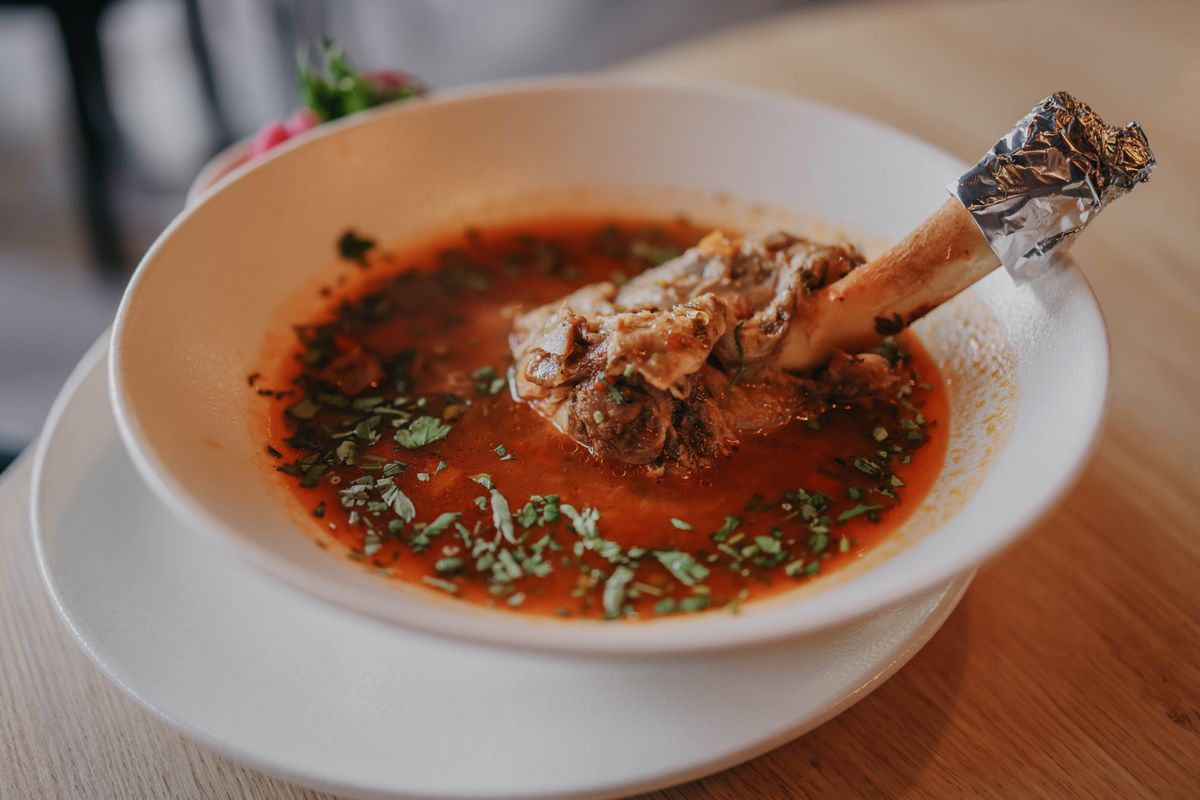
Traditionally, galbitang is non-spicy. This is the version most Koreans consider standard. However, spice can be added at the table rather than during cooking.
Some people stir in daedaegi, a spicy seasoning paste. Others add cubed radish kimchi directly into the soup, allowing the spice and fermentation to blend naturally with the broth. This method keeps the soup mild while allowing each person to adjust the flavour.
Luxury Variations
In restaurant settings or on special occasions, galbitang may be enhanced with premium ingredients such as abalone. Abalone is added near the end of cooking and requires only a few minutes. Other additions, including ginseng, jujubes, or chestnuts, connect the dish to traditional restorative cooking practices.
These additions make the soup feel more special without changing its traditional character.
How Galbitang Is Traditionally Eaten
Galbitang is served piping hot in a large bowl, allowing the aroma of the clear broth to be fully appreciated from the moment it reaches the table. It is typically accompanied by steamed white rice, which may be enjoyed separately or gently added to the soup to create a more substantial and satisfying meal.
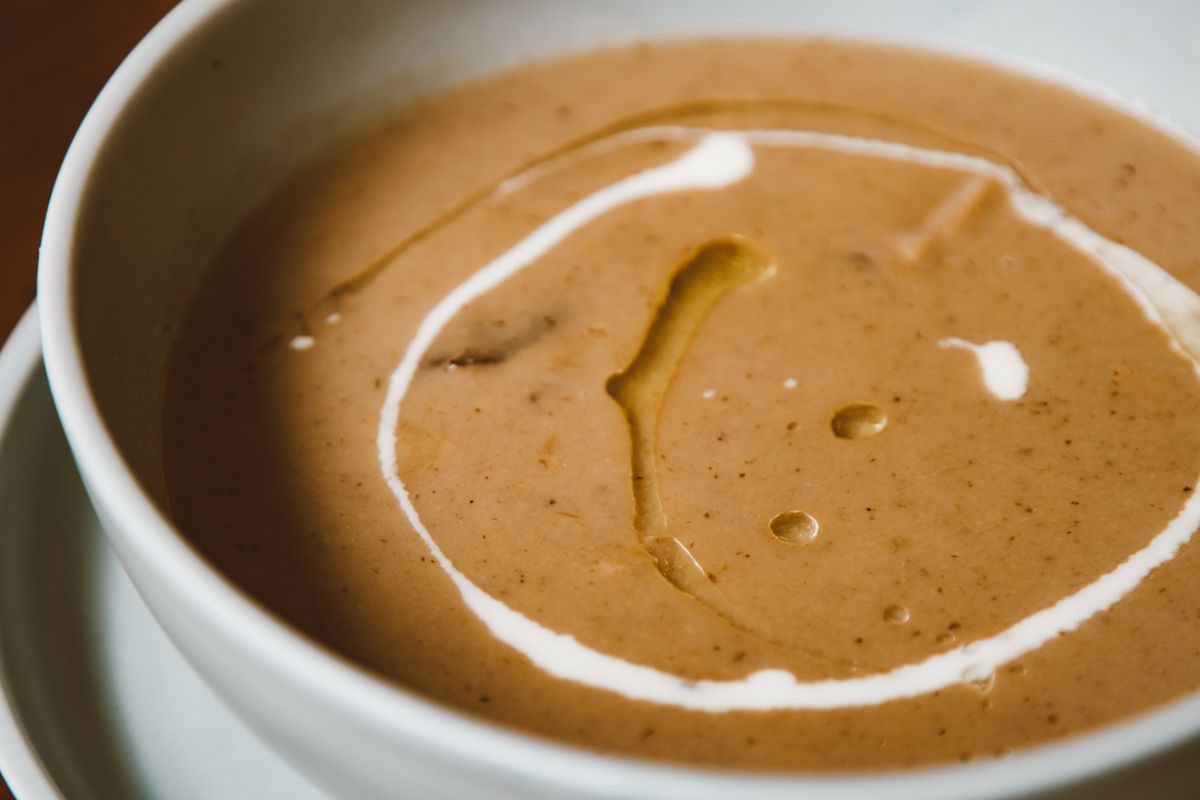
Seasoning is usually adjusted at the table rather than during cooking, giving each diner the freedom to tailor the flavour to their preference with salt, black pepper, or sometimes a small amount of soy sauce. The tender meat is separated from the bone using chopsticks or cut into smaller, bite-sized pieces with kitchen scissors for easier eating.
Kimchi is traditionally served alongside the soup and eaten between spoonfuls to refresh the palate. Its bright, fermented acidity balances the richness of the beef, preventing the meal from feeling heavy. Galbitang is meant to be enjoyed slowly, with alternating bites of rice, broth, and kimchi, creating a balanced and comforting dining experience that reflects the calm, thoughtful style of traditional Korean meals.
Why Kimchi Is Essential
Galbitang is rarely eaten without kimchi. The acidity and fermented flavour of kimchi balance the richness of the soup and refresh the palate. Cubed radish kimchi, or kkakdugi, is especially common and is often mixed directly into the soup as it is eaten.
For many Koreans, galbitang without kimchi feels incomplete.
Cultural and Historical Significance
In the past, galbitang was part of Korean royal court cuisine, known as gungjung yori. Beef was expensive and not easy to find, so serving short ribs in a clear soup was seen as a sign of wealth and status.
Even today, galbitang is considered a special dish. It is commonly served at weddings, milestone celebrations, and important family gatherings. The high cost of the ribs and the long cooking time make the soup feel special. This is not a quick or everyday dish. It is food made slowly and with care, You can make a traditional marengo chicken recipe prepared for special meals.
Galbitang Compared to Other Korean Beef Soups
Galbitang is often confused with other Korean beef soups, but the differences are important. Sogogimu-guk (소고기무국) uses smaller, more economical cuts of beef and is considered a casual, everyday soup. Although the flavours are similar, the eating experience is different. Galbitang is defined by its large rib bones, generous pieces of meat and its sense of occasion.
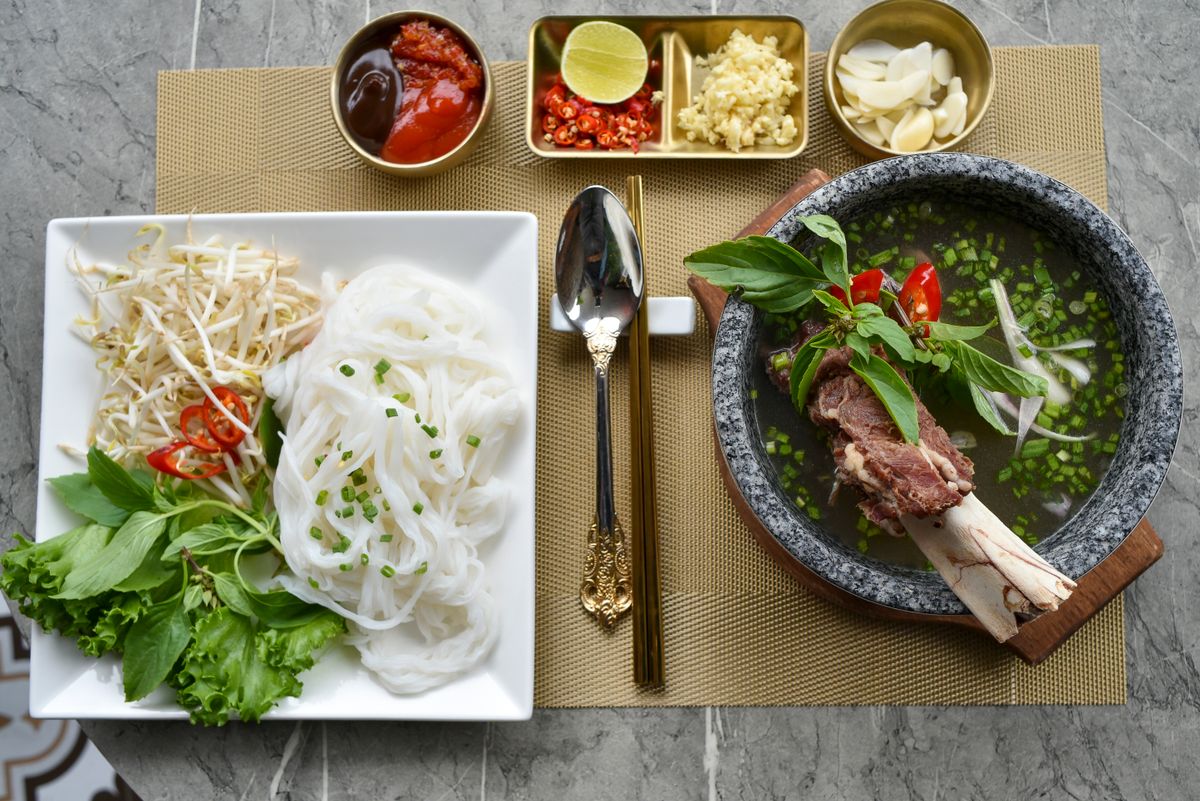
Other soups such as seolleongtang and gomtang rely on long boiling of bones to produce a milky broth. Galbitang, by contrast, is deliberately clear. This clear broth reflects a cooking style that focuses on balance and gentle flavours rather than strong ones.
Storage and Make-Ahead Tips
Galbitang stores very well. It keeps for several days in the refrigerator and freezes beautifully. Chilling the soup often improves flavour and makes fat removal easier. Many home cooks prepare galbitang in advance for this reason.
The Role of Korean Soup Soy Sauce
Korean soup soy sauce, known as guk-ganjang, is essential for authentic galbitang. It is saltier and lighter than regular soy sauce, so it seasons the soup without making the broth darker. If unavailable, light fish sauce or a very small amount of regular soy sauce may be substituted, but care must be taken to preserve the soup’s clarity and colour.
Conclusion
Galbi soup shows how simple ingredients, when cooked with care and patience, can create a deeply satisfying dish. Its clear broth, tender beef, and restrained seasoning reflect a cooking tradition that values balance over excess. Whether enjoyed as a celebratory dish or a comforting meal at home, galbitang offers nourishment that goes beyond flavour alone. Served hot with rice and kimchi, it provides warmth, strength, and familiarity in every spoonful. When traditional methods are followed and the soup is given enough time to cook, galbi soup becomes more than just a recipe—it becomes part of Korean food culture.
Frequently Asked Questions (FAQs)
What is galbi soup made of?
Galbi soup is made with bone-in beef short ribs simmered in water with Korean radish, garlic, onion, and scallions. The soup is lightly seasoned near the end, creating a clear broth with a rich, beefy flavour.
Is galbi soup the same as galbitang?
Yes. Galbi soup is the English name, while galbitang is the Korean name for the same dish. Both refer to the traditional Korean beef short rib soup with a clear broth.
Why is my galbi soup cloudy?
Cloudy galbi soup is usually caused by skipping the soaking or blanching steps, boiling the soup too aggressively, or not skimming impurities. Gentle simmering and proper preparation are essential for a clear broth.
How long should short ribs cook for galbi soup?
Beef short ribs should simmer for about 1½ to 2 hours. This allows the meat to become tender while keeping the broth clear and the meat attached to the bone.
Is galbi soup spicy?
No. Traditional galbi soup is non-spicy. Spiciness is added at the table using condiments like daedaegi or by mixing in spicy radish kimchi, allowing the base soup to remain clean and mild.
What is the difference between galbi soup and seolleongtang?
Galbi soup has a clear broth made from short ribs, while seolleongtang has a milky broth created by long-boiling beef bones. Galbitang focuses on clarity and large pieces of meat, whereas seolleongtang is creamy and bone-rich.
Can I make galbi soup in advance?
Yes. Galbi soup is ideal for making ahead. Refrigerating it overnight allows the fat to solidify on the surface, making it easy to remove and improving the soup’s clean flavour.
What do you serve with galbi soup?
Galbi soup is traditionally served with steamed white rice and kimchi, especially cubed radish kimchi (kkakdugi). These sides balance the richness of the soup and refresh the palate.
Can I add noodles to galbi soup?
Yes, sweet potato glass noodles (dangmyeon) can be added near the end of cooking. They should be removed promptly once tender, as galbi soup is not meant to be a noodle-heavy dish.
Is galbi soup healthy?
Galbi soup is considered nourishing and restorative. It provides protein, minerals from beef bones, and gentle digestion due to its light seasoning, making it popular during cold weather or recovery.