
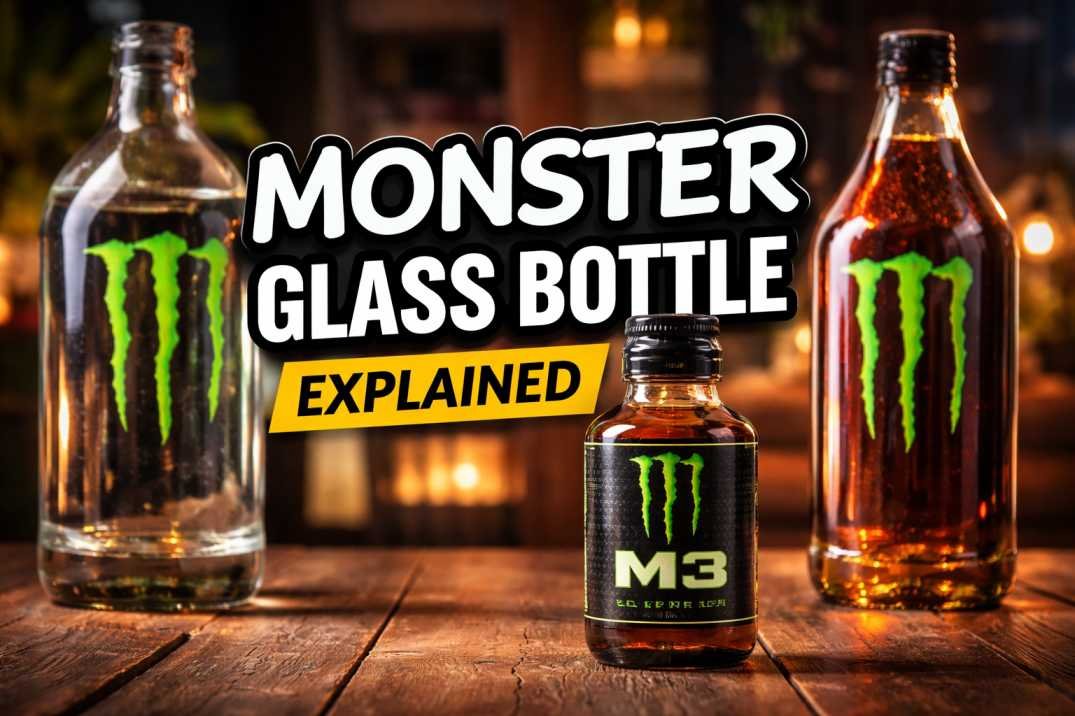

A monster glass bottle refers to a bold, oversized, or uniquely branded glass bottle, most commonly associated with rare Monster Energy releases such as the Japanese-exclusive Monster M3, as well as visually dominant decorative and premium packaging bottles. Known for concentrated formulas, premium glass packaging and collectible appeal, these bottles are used for drinking, décor, sustainability-focused packaging and brand-led experiences.
The phrase monster glass bottle has seen steady growth across search engines, collector communities, and design-focused platforms, yet many users remain unclear about what the term actually represents. Instead of referring to one specific product, the term is used broadly for glass bottles that stand out because of their large size, bold branding, strong contents, or eye-catching design. In many cases, the term is linked to rare Monster Energy glass bottles such as the Japanese-exclusive M3, while in others it describes oversized decorative bottles or premium glass packaging used to elevate user experience. This guide explores what a monster glass bottle truly is, why it has become popular, how it is used, and what to consider before buying one.
What Is a Monster Glass Bottle?
A monster glass bottle is not an official packaging term, but a popular way people describe glass bottles that feel bold or extreme in some way. The word “monster” is applied because the bottle stands out in some significant way, whether through size, strength, design or brand association.
In one context, the term refers to Monster Energy drinks packaged in glass bottles, which are rare compared to the brand’s globally recognised cans. These bottles often feature concentrated formulas, regional exclusivity or premium positioning. In another context, a monster glass bottle describes large-format or heavy-duty glass bottles that dominate a space visually, commonly used for décor, storage or display. In a third interpretation, the term applies to novelty or character-driven glass bottles designed to create emotional or experiential appeal.
What links all these meanings is strong visual impact. A monster glass bottle is designed to stand out and be noticed immediately.
Why the Term “Monster” Is Used
The word “monster” carries strong cultural associations, commonly suggesting something intense, oversized, powerful, or visually dominant. When applied to glass bottles, it reflects either physical scale or functional impact.
In decorative and storage contexts, the term often points to size. Large glass bottles with thick walls and substantial weight immediately feel dominant in a room. Their scale makes them visual anchors rather than background objects.
In branded beverage contexts, particularly with Monster Energy, the term reflects power and concentration. Products like Monster M3 are physically small yet deliver an intense energy hit, creating a contrast between size and effect. In this case, “monster” describes strength rather than dimensions.
Finally, in design-led concepts, the term reflects attitude. Bold graphics, dark glass, embossed logos and character illustrations all contribute to a bottle feeling dramatic or rebellious, aligning with the cultural meaning of the word.
Monster Energy Glass Bottles and Their Cultural Impact
Monster Energy is one of the most recognisable energy drink brands globally, yet glass bottle packaging remains a rare and highly distinctive part of its product identity. Most consumers associate Monster with aluminium cans, making any glass-bottled version instantly distinctive.
Glass packaging changes how people see the product, making it feel more premium, collectible and thoughtfully designed. When Monster Energy appears in a glass bottle, it is no longer just a convenience drink but a product meant to be noticed, discussed and often preserved.
This shift in perception is central to why the term “monster glass bottle” is so closely linked to the brand.
The Japanese Monster M3: A Defining Example
The most widely discussed monster glass bottle is Monster M3, a Japan-exclusive energy drink sold in a small glass bottle, typically around 150–160ml. Despite its compact size, M3 is formulated as a super-concentrated energy drink, designed to deliver the same energy boost as a full-size Monster can.
This contrast between compact size and powerful effect is central to its appeal and differentiates it from standard energy drink formats. The bottle looks small and refined, yet its contents are powerful. This approach fits well with Japanese consumer culture, where small but efficient products are highly appreciated.
Outside Japan, M3 has become a sought-after item among collectors and Monster Energy enthusiasts, largely due to its limited availability and unique presentation.
Concentration, Ingredients and Functional Design
Monster M3 is not simply a repackaged version of a standard Monster drink. Its formulation is deliberately intense, combining caffeine with functional ingredients such as taurine, guarana, ginseng extract, L-carnitine, L-arginine and inositol. It also delivers a full daily intake of several B-vitamins in a single bottle.
Because the drink is highly concentrated, the glass bottle usually has a resealable cap so it can be consumed slowly instead of all at once. This reinforces the idea that M3 sits closer to an energy shot than a casual beverage.
The glass bottle supports this positioning by conveying control, precision and premium quality.
Carbonation Technology and Sensory Experience
One of the most distinctive aspects of Monster M3 glass bottles is their carbonation method. Unlike most energy drinks that only use carbon dioxide, M3 uses both carbon dioxide and nitrous oxide for carbonation. This creates finer, softer bubbles, often compared to those found in champagne.
This creates a smoother texture and a more refined drinking experience. This choice reflects a deliberate focus on sensory quality rather than just stimulation, setting M3 apart from typical energy drinks that prioritise impact over experience.
Safety, Quality Control and the 2019 Recall
Glass packaging offers many benefits, but it also demands strict manufacturing standards. This became evident in March 2019, when Monster Energy Canada issued a recall for specific batches of Caffé Monster Salted Caramel sold in 405ml glass bottles.
The recall was triggered by the potential presence of glass fragments and was overseen by the Canadian Food Inspection Agency. Consumers were advised to return affected products identified through specific UPC codes.
Although it was a rare case, it shows why strict quality control is important when using glass bottles, especially for fizzy drinks. It also demonstrates transparency and accountability within the brand’s supply chain.
Glass Bottles as Premium and Sustainable Packaging
Glass bottles are now widely seen as a symbol of premium quality, sustainability and thoughtful design in the drinks industry. Unlike disposable packaging, glass conveys durability, craftsmanship and care, which is why many brands use it to elevate how their products are perceived. This is evident across both alcoholic and non-alcoholic beverages, where glass is often chosen to protect flavour integrity while also signalling a more premium experience. Well-known examples include craft beer brands such as camden hells bottles , which are frequently associated with glass packaging that enhances taste, presentation and brand identity.
Beyond perception, glass also supports sustainability goals. It is endlessly recyclable and well suited to reuse and return systems, making it a responsible alternative to single-use packaging. In this context, monster glass bottles fit naturally into a wider shift towards packaging that balances visual appeal, environmental awareness and long-term value, rather than treating bottles as purely disposable containers.
Oversized Monster Glass Bottles in Décor and Storage
Outside the beverage industry, the term monster glass bottle is frequently used to describe large, visually dominant glass bottles used in homes and commercial spaces.
These bottles are frequently repurposed as statement décor pieces, floor vases, refill containers, or visual centrepieces in residential and commercial spaces. Their appeal comes from how they visually anchor a room, replacing many small items with one strong design feature. In minimalist interiors, a large glass bottle can introduce texture and scale without clutter. In more eclectic spaces, it adds character and a sense of history.
Collectible and Vintage Glass Bottles
Collecting glass bottles is a long-established hobby, and Monster Energy glass bottles have found a place within this culture. Limited regional releases, discontinued formats and unique designs all contribute to collectibility.
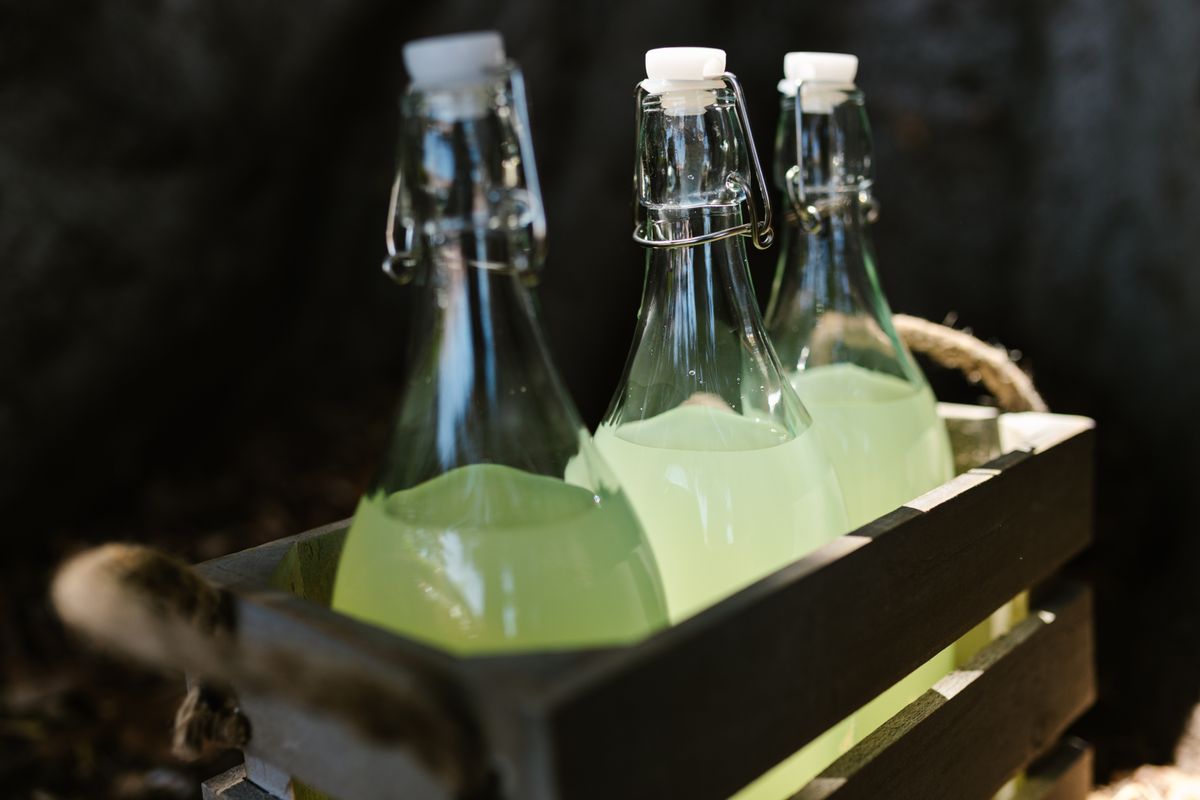
Collectors typically value originality, physical condition, intact labels and caps, regional exclusivity, and limited production history. Even small details, such as embossed bottle caps or unique carbonation methods, can make a bottle more desirable to collectors.
For many collectors, these bottles are cleaned, preserved and displayed rather than used, transforming everyday packaging into artefacts of brand history.
Concept Packaging and Experiential Design: Monster-licious
An interesting extension of the monster glass bottle idea appears in Monster-licious, a conceptual product range designed specifically for children and teenagers. Unlike standard Monster Energy drinks, this concept is caffeine-free and non-alcoholic.
What makes Monster-licious relevant is its age-segmented packaging strategy. Younger children receive aluminium cans, while older teens are given glass bottles shaped to resemble beer bottles. This design gives a “grown-up” feeling without alcohol or caffeine, showing how glass bottles can influence how people feel about a product.
The concept shows how monster glass bottles can function as experiential tools rather than just containers.
Character Design and Post-Consumption Collectibility
In Monster-licious, each flavour is represented by a custom monster character whose colour and shape reflect the fruit flavour. These characters appear across the entire packaging system, including bottles, cans, outer boxes and accessories.
Notably, the glass bottle caps are embossed with the flavour character and designed to be kept as collectibles. This extends engagement beyond consumption and encourages emotional attachment to the packaging itself.
Practical Uses of Monster Glass Bottles
Monster glass bottles serve multiple practical and aesthetic purposes across drinking, décor, storage, and collecting. As drink containers, they offer better flavour stability and a premium tactile experience. As décor items, they act as focal points that add personality and scale to a space. As collectibles, they preserve moments of brand history and design innovation.
Their versatility is one reason the term continues to attract interest across different audiences.
How to Choose the Right Monster Glass Bottle
Choosing the right monster glass bottle depends entirely on intent. Those seeking a functional bottle should prioritise food safety, ease of cleaning and weight. Those interested in décor should consider size, glass colour and how the bottle interacts with its surroundings. Collectors should focus on authenticity, condition and rarity.
A monster glass bottle is only valuable when it matches the reason you are buying it.
Care and Handling
Glass bottles, particularly large or pressurised ones, require careful handling. Sudden temperature changes should be avoided, and heavy bottles must be placed on stable surfaces. For collectible bottles, protection from direct sunlight and abrasive cleaning methods is essential to preserve labels and finishes.
Are Monster Glass Bottles Worth Buying?
The value of a monster glass bottle is subjective and depends heavily on personal intent, whether functional, decorative, collectible, or sustainability-driven. For some, it is a sustainable and stylish alternative to plastic. For others, it is a decorative object or a collectible with emotional or monetary value. What unites all these perspectives is the bottle’s presence and intentional design.
Conclusion
A monster glass bottle represents more than size or branding; it reflects a convergence of intensity, design and cultural meaning. From rare Japanese Monster M3 bottles to oversized decorative vessels and experiential packaging concepts, these bottles challenge the idea of packaging as disposable. They offer strength, sustainability and visual impact in equal measure. By understanding what they are and how they are used, monster glass bottles can be seen not as novelties, but as thoughtful choices that combine function, design, sustainability and strong visual appeal.
Frequently Asked Questions (FAQs)
What is a monster glass bottle?
A monster glass bottle is a bold or distinctive glass bottle, often referring to rare Monster Energy bottles like the Japanese M3, or oversized decorative glass bottles used for display, storage or collecting. The term usually implies strong visual presence, premium glass or concentrated content.
Are Monster Energy drinks sold in glass bottles?
Yes, although most Monster Energy drinks are sold in cans, certain regional and limited products have been released in glass bottles. The most well-known example is the Japanese Monster M3, which comes in a small, super-concentrated glass bottle.
What is Monster M3 and why is it popular?
Monster M3 is a Japan-exclusive Monster Energy drink sold in a compact glass bottle. It is popular because it delivers a highly concentrated energy boost in a small volume and is rarely available outside Japan, making it attractive to collectors.
Are monster glass bottles safe to use for drinking?
Glass bottles designed for beverages are generally safe to use if they are clean, undamaged and intended for food use. Decorative or collectible glass bottles may not be suitable for drinking and are better used for display purposes only.
Are monster glass bottles collectible?
Yes, many monster glass bottles, especially discontinued or region-exclusive Monster Energy bottles, are considered collectible. Their value often depends on rarity, condition, original labels and whether the bottle cap is intact.
Why do people prefer glass bottles over cans?
People often prefer glass bottles because they are perceived as more premium, reusable and recyclable. Glass also helps preserve flavour and does not interact with the drink in the way some plastics or linings can.
Are monster glass bottles environmentally friendly?
Glass bottles are considered environmentally friendly because they are 100% recyclable and can be reused multiple times. Returnable glass bottle systems further reduce waste and environmental impact.
Can monster glass bottles be used for home decor?
Yes, oversized or unique glass bottles are commonly used as home décor. They work well as statement pieces, vases, shelf displays or bar décor, especially in modern or minimalist interiors.
Where can I buy Monster Energy glass bottles?
Monster Energy glass bottles are usually found through online marketplaces, specialty import stores, collector groups or second-hand platforms. Availability depends on region and product rarity.
How should a monster glass bottle be cleaned and stored?
Monster glass bottles should be cleaned with warm water and mild detergent, avoiding abrasive materials. For storage, keep them on stable surfaces away from direct sunlight to prevent damage or fading.
Are all monster glass bottles the same size?
No, monster glass bottles vary widely in size. Some, like Monster M3, are small and concentrated, while others are large decorative bottles designed for display or storage.
Is Monster Energy suitable for children or teens?
Monster Energy contains caffeine and is not recommended for children or teenagers. Any caffeine-free or concept designs should not be confused with actual Monster Energy products.
Do monster glass bottles increase in value over time?
Some collectible Monster Energy glass bottles may increase in value, especially if they are rare, discontinued or in excellent condition. However, value depends on demand and collector interest.