
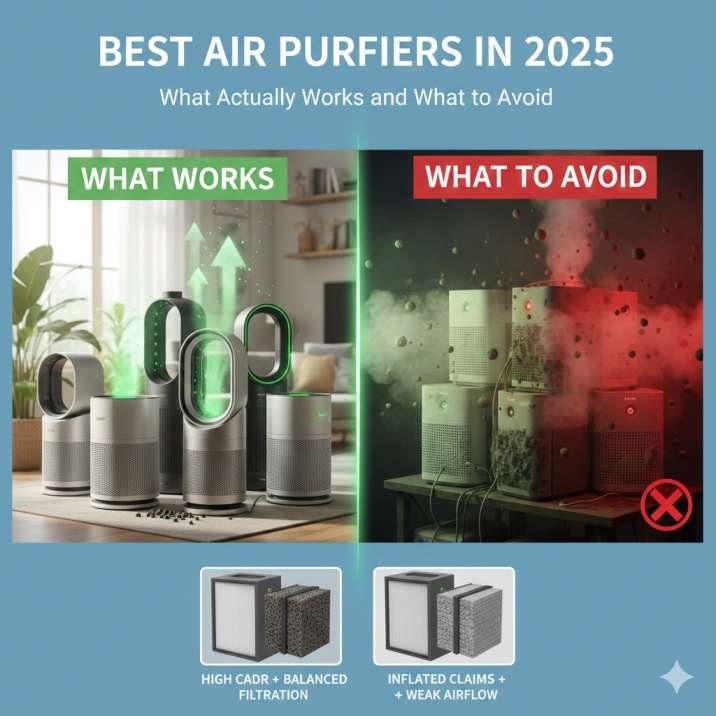

The best air purifiers combine strong airflow, reliable filtration, and quiet operation while staying affordable to run. Choosing the right size with proven performance helps improve indoor air quality and ensures consistent, noticeable results.
Effective air purifiers move air efficiently, capture tiny particles, and operate quietly. Many models look impressive on paper, but real-world performance is what truly matters. According to Ideal Home expert testing, airflow efficiency and filter quality make the biggest difference in everyday use. This guide explains what works, what to avoid, and how to choose a purifier that genuinely improves indoor air quality.
Brands Referenced in This Guide
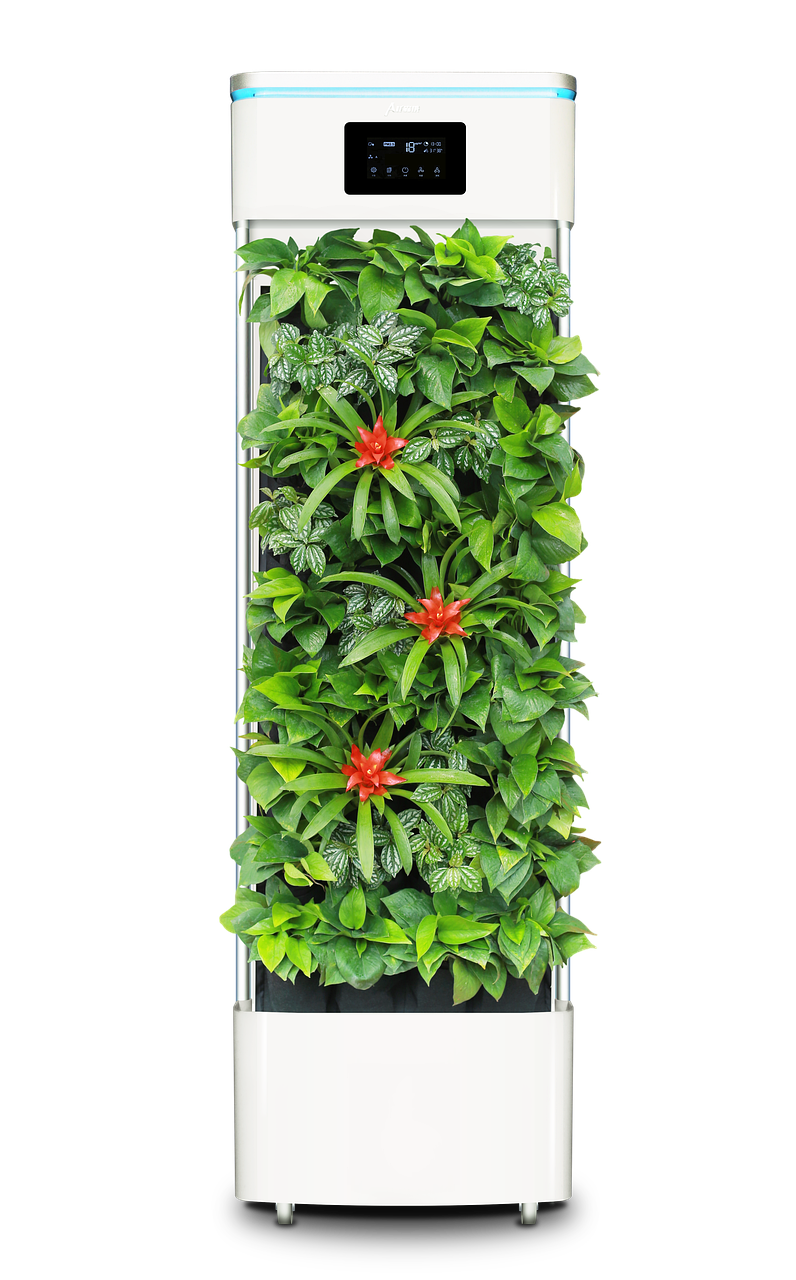
Popular Air Purifier Brands
This article focuses on real performance rather than marketing claims. For example, compact units like the Freshia air purifier show how smaller designs can still perform effectively when airflow is well engineered.
Independent testing shared by HouseFresh lab reviews highlights how airflow consistency often matters more than brand reputation alone.
Choosing the Best Air Purifiers for Your Space
The right air purifier always depends on your room size and how often you use the space. A quiet bedroom purifier behaves very differently from a high-power living room unit. In real homes, people often underestimate how much airflow is needed for noticeable improvement.
Guides like Ideal Home buying recommendations highlight that mid-sized purifiers are often the most balanced choice for UK households.
For example, if you’re comparing options, browsing through a trusted HEPA air purifier UK guide can help you understand how CADR and room coverage actually translate into real-life performance.
Special Situations That Require Stronger Filtration
Some homes deal with stronger challenges like smoke, cooking odours, or pollution near busy roads. In these cases, standard filters are not enough. You need higher activated carbon levels combined with HEPA filtration.
Community discussions such as Monzo community expert advice often highlight that carbon thickness is one of the most overlooked factors when choosing a purifier.
For users upgrading their setup, pairing a purifier with lifestyle improvements like BioZone air purifier insights helps create a more controlled indoor environment.
What to Avoid When Buying an Air Purifier
Many buyers fall into the trap of trusting inflated room-size claims. A purifier might say it covers a large space, but real airflow often tells a different story.
According to CleanAirKits performance analysis, many budget units reduce efficiency by limiting actual air exchange rates.
Another common mistake is ignoring long-term usability. A device that is loud or expensive to maintain is often abandoned within months.
Why Bigger Often Means Quieter
Smaller air purifiers often rely on fast-spinning fans to move air, which increases noise levels. Larger units can circulate air more slowly while still maintaining strong filtration performance.
This is why many expert-tested models highlighted by Ideal Home reviews recommend slightly oversized units for quieter long-term use.
In real life, a quieter purifier is more likely to be used continuously, which leads to better air quality over time.
Long-Term Costs Matter More Than Purchase Price
Running a purifier 24/7 is what actually improves indoor air quality. This means filter replacement costs and energy usage matter more than the initial price.
Real-world testing from HouseFresh comparisons shows that cheaper units often become expensive over time due to frequent filter changes.
Choosing a model with affordable, long-lasting filters ensures consistent performance without interruption.
Smart Features: Helpful but Secondary
Smart sensors and app controls are convenient, but they don’t replace core airflow performance. A well-built purifier with strong filtration will always outperform a feature-heavy but weak unit.
Expert reviews such as Monzo community discussions often emphasise that automation is useful, but not essential.
For styling your living space alongside better air quality, see ideas like men’s bedroom wall decor inspiration.
Why Many Air Purifiers Underperform
Many air purifiers underperform because their CADR ratings are not aligned with real-world usage. A device might technically cover a room but fail to cycle air frequently enough.
Reports from CleanAirKits research show that real air changes per hour are often much lower than advertised.
This is why understanding airflow matters more than marketing claims when selecting a purifier.
What Makes the Best Air Purifiers Effective
The best air purifiers balance airflow, filtration, and noise levels. True HEPA filters remain the gold standard for capturing fine particles like dust, pollen, and smoke.
According to HouseFresh testing data, consistent airflow is just as important as filtration quality.
For practical home setup guidance, combining purifier use with cleaner room layouts improves results significantly.
Conclusion
The best air purifiers are not defined by marketing but by real airflow performance, filter quality, and long-term usability. When these factors work together, indoor air becomes noticeably cleaner and healthier.
Whether you choose a compact model or a high-performance unit, consistency matters most. Cleaner air is built over time, not overnight.
For better home living ideas, exploring guides like the HEPA air purifier UK guide can help you make smarter choices.
Author Bio
Editorial Team – Daily Lifestyle Guide
The Daily Lifestyle Guide editorial team is made up of home, lifestyle, and wellness writers who focus on creating practical, real-world advice for everyday living in UK homes. Their work is inspired by real households, where small changes in air quality, home design, and lifestyle habits can make a noticeable difference in comfort and wellbeing.
Rather than writing from a purely technical perspective, the team blends research with everyday experiences—like noticing how dust builds up in busy family homes, how seasonal allergies affect sleep, or how modern living spaces often trap indoor pollutants without proper ventilation. These real-life observations help shape content that feels relatable and useful.
Disclaimer
This article is intended for general informational and educational purposes only. It is designed to help readers understand air purifiers, indoor air quality, and related home improvement topics in a simple and accessible way.
While every effort has been made to ensure the information provided is accurate, up to date, and based on reliable sources, product performance, specifications, pricing, and availability may change over time. Readers should always verify details directly with manufacturers or official retailers before making any purchase decision.
Daily Lifestyle Guide and its editorial team are not responsible for any decisions made based on the information provided, nor for any changes in product availability or performance over time. This article may be updated periodically to reflect new insights, trends, or product developments.
Frequently Asked Questions
What is the best air purifier in 2026?
The best purifier depends on room size, airflow, and filtration quality rather than brand alone.
Do air purifiers really work?
Yes, when properly sized and used continuously, they reduce airborne dust, pollen, and smoke effectively.
What size air purifier do I need?
Choose based on CADR ratings to ensure multiple air changes per hour for your room.
Are HEPA air purifiers worth it?
Yes, True HEPA filters are highly effective at capturing fine particles and improving indoor air quality.
Can air purifiers remove odours?
Yes, but only when they include strong activated carbon filters.
Should I run my air purifier all the time?
Continuous operation provides the most consistent improvement in air quality.
How often should filters be replaced?
Most filters last 6–12 months depending on usage and air quality levels.