
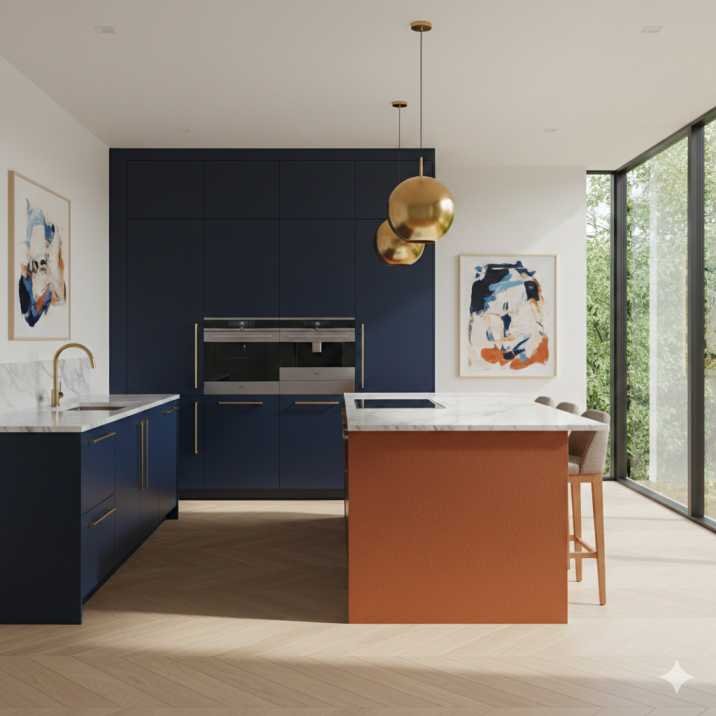

An orange and blue kitchen balances the calming depth of blue with the warmth and energy of orange. When used across cabinets, walls, lighting, and decor, this color combination creates a kitchen that feels modern, welcoming, and balanced instead of too strong.
An orange and blue kitchen is more than a trend; it is a smart color choice that combines warmth with calm. Blue introduces depth, stability, and a sense of order, while orange brings energy, comfort, and personality. When used carefully, these contrasting colors create kitchens that feel stylish, practical, and comfortable at the same time. Whether using dark blue cabinets with burnt orange accents or light blue spaces with small orange details, this color combination works well in many kitchen layouts and lifestyles. This guide explores how to use orange and blue together in ways that feel intentional, timeless, and genuinely livable.
15 Orange and Blue Kitchen Ideas (Simple & Practical)
- Dark Blue Cabinets with Burnt Orange Decor – Use navy cabinets and add orange through cushions, rugs or small decor items.
- Orange Kitchen Island – Keep cabinets blue and make the island orange for a bold focal point.
- Blue Cabinets with Orange Backsplash – Add orange tiles behind the counter for a warm contrast.
- Orange Bar Stools in Blue Kitchen – Easy and budget-friendly way to add color.
- Two-Tone Cabinets – Blue upper cabinets with orange lower cabinets.
- Terracotta Walls with Blue Units – Creates a warm and balanced look.
- Orange Lighting Fixtures – Pendant lights in orange shades add subtle warmth.
- Blue Kitchen with Orange Curtains – Soft way to introduce color.
- Statement Orange Appliance – Use an orange oven or fridge as a highlight.
- Minimal Orange Accents – Keep everything blue and add small orange decor.
- Open Kitchen Color Zoning – Use blue in cooking area and orange in dining space.
- Orange Seating Area – Add orange chairs or cushions.
- Mixed Textures – Combine wood, metal, and fabric with blue and orange.
- Small Kitchen Light Theme – Use light blue with soft peach tones.
- Seasonal Styling – Change orange decor seasonally for a fresh look.
The Emotional Balance of Orange and Blue in a Kitchen
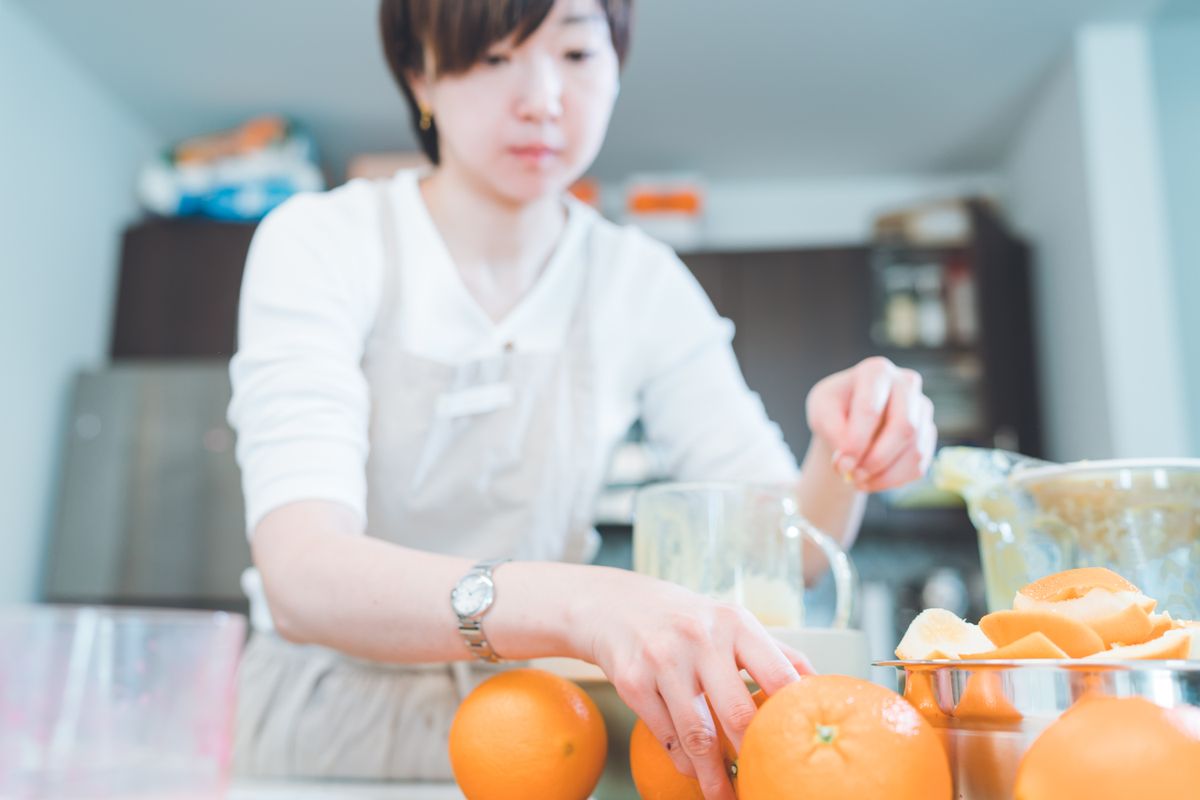
Image source: pinterest.com
Color affects how a kitchen feels before people notice its design. Blue naturally brings calm and structure, which is why it works so well on large surfaces such as cabinetry, islands, and walls. It helps kitchens feel calm and organised, especially in busy homes where the kitchen is used often.
Orange introduces a different emotional quality. It adds warmth, sociability, and a subtle sense of energy that makes kitchens feel welcoming rather than purely functional. When combined with blue, orange stops the kitchen from feeling cold or too serious. This color combination works best when the balance is right. Blue provides the foundation, while orange brings life and movement.
Dark Blue as a Confident Kitchen Foundation
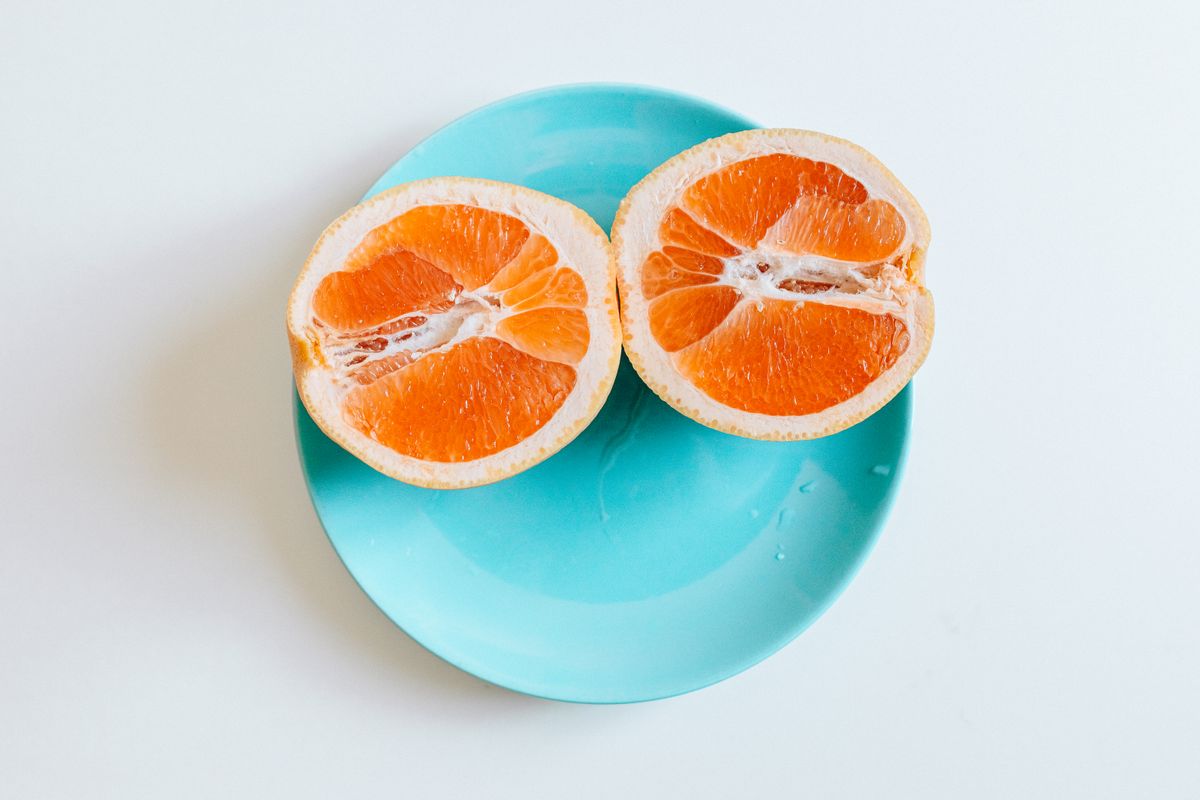
Image source: pinterest.com
Dark blue is popular in modern kitchens because it adds depth without being overwhelming. Shades like navy, midnight blue, and deep indigo feel elegant and grounded, aging more gracefully than trend-driven neutrals.
In an orange and blue kitchen, dark blue works best as the main base color. Cabinets or islands in deep blue establish visual structure, allowing orange to appear as warmth rather than dominance. This base color suits many styles, including modern kitchens and traditional designs with shaker cabinets.
Dark blue pairs naturally with light stone countertops, marble backsplashes, warm wood accents, and metal finishes, making it an adaptable base for introducing orange in many forms.
Choosing Orange Tones That Last
Image source: pinterest.com
Orange can feel intimidating if the shade is wrong. Bright, saturated orange may feel playful at first but can become overwhelming over time. Muted and earthy orange shades feel more elegant and last longer than bright tones.
Burnt orange, ochre, terracotta, goldenrod, and soft peach tones work especially well with blue. These shades add warmth without overpowering the space and adapt easily to changes in lighting and decor. Softer oranges suit smaller kitchens or spaces with limited natural light, while deeper tones add richness to larger, open kitchens.
The goal is for orange to complement blue, not dominate the space.
Cabinets That Define the Kitchen’s Character
Image source: pinterest.com
Blue cabinets are the most common and flexible choice for orange and blue kitchens. It provides a stable visual base while allowing orange to appear through accents that can be updated over time.
Some kitchens benefit from a bolder approach, such as orange lower cabinets paired with blue or white upper cabinets. Using orange on lower cabinets keeps the color from feeling overpowering while still adding character.
An orange kitchen island within a blue cabinetry scheme creates a focal point that works particularly well in open-plan homes. It stands out without taking over the space and helps the kitchen blend with nearby rooms.
Walls, Color Zoning, and Visual Separation
Image source: pinterest.com
Orange walls can transform a kitchen when used with intention. Instead of mixing both colors everywhere, many designs use blue and orange in separate areas.
Orange walls paired with blue cabinets allow both colors to stand independently. This separation helps the kitchen look natural rather than overdesigned. In kitchens with strong natural or artificial lighting, color-drenching the walls in a rich orange tone can create a warm, enveloping atmosphere. Blue elements then provide contrast and balance.
This approach looks stylish and intentional rather than overly decorative.
Backsplashes That Add Warmth Without Commitment
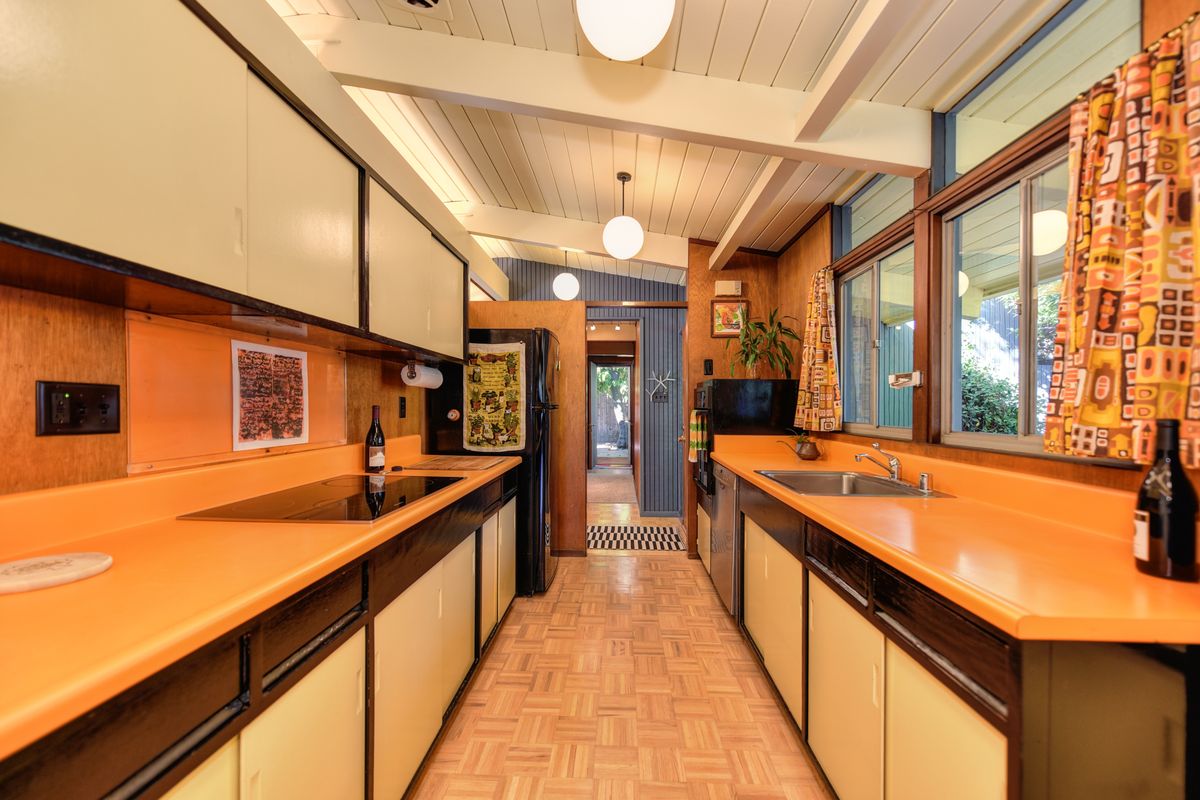
Image source: pinterest.com
A backsplash is one of the easiest and safest ways to add orange to a kitchen. It adds color where it is easily seen while keeping the rest of the kitchen simple and balanced.
Orange subway tiles, patterned backsplashes, or subtly textured surfaces bring warmth and visual rhythm. In open-plan homes, an orange backsplash can also act as a soft divider between the kitchen and adjacent spaces, adding definition without physical barriers.
When paired with dark blue cabinets and light countertops, this look feels polished and well planned.
Statement Appliances and Focal Features
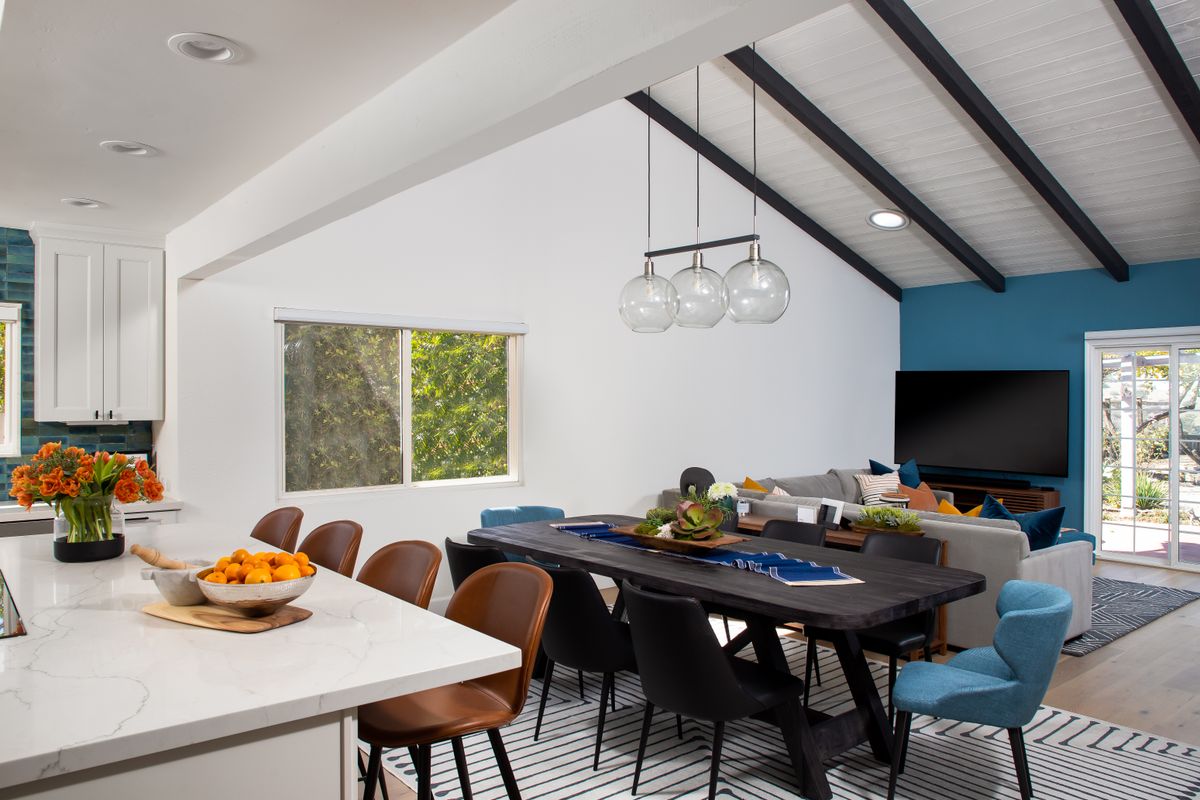
Image source: pinterest.com
For homeowners who want impact without permanent changes, orange appliances offer a distinctive solution. An orange range or stove becomes an immediate focal point, anchoring the design and setting the tone for the rest of the kitchen.
This works especially well in kitchens with dark blue cabinetry and natural materials such as wood or stone. Orange softens stainless steel and prevents the space from feeling too industrial, while still maintaining a modern edge.
Lighting and How It Shapes Color
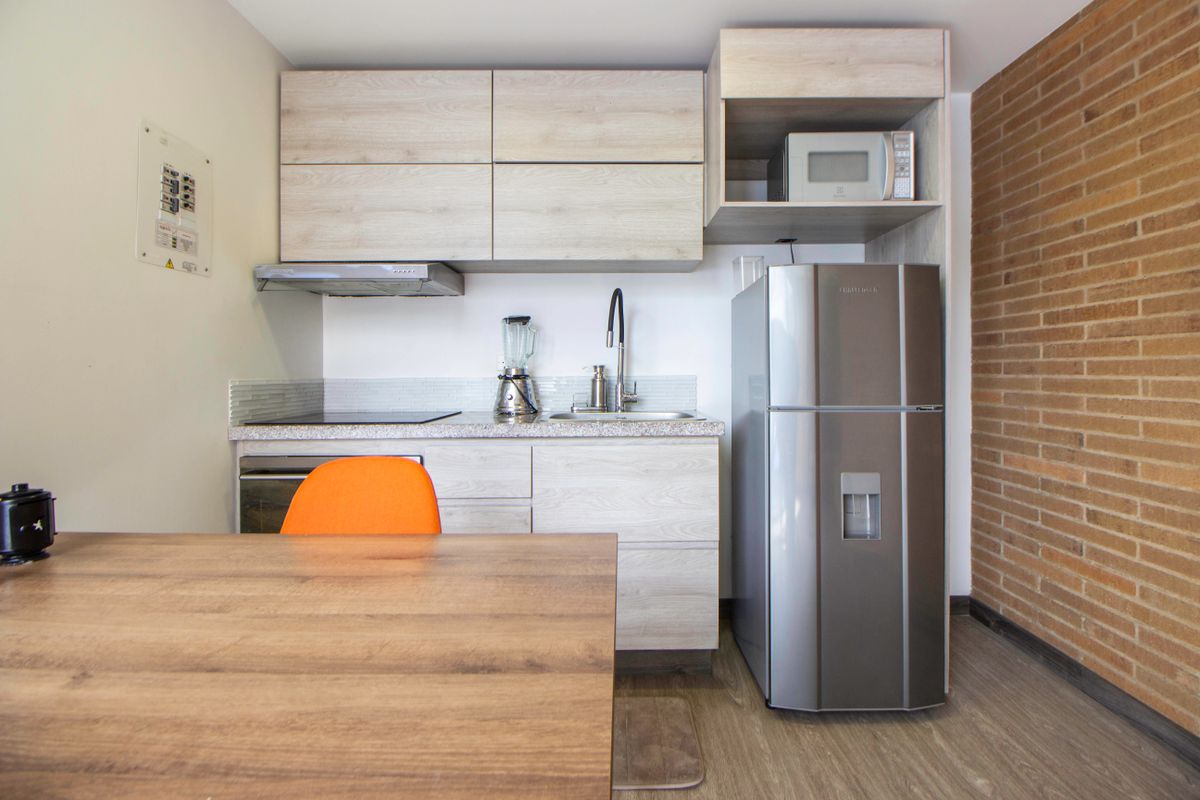
Image source: pinterest.com
Lighting plays a critical role in how orange and blue are perceived inside a kitchen. Natural daylight tends to enhance blue tones while softening warmer shades, whereas warm artificial lighting intensifies orange and reduces the coolness of deep blues. This means lighting alone can change the mood of a blue kitchen without changing its colors.
In many orange and blue kitchens, copper finishes play an important role in softening deep blue cabinetry and adding visual warmth. This approach is often seen in a blue copper kitchen, where metallic copper elements such as pendant lights, taps, or cabinet hardware help bridge the contrast between cool blue tones and warmer orange accents, creating a more balanced and refined look.
Warm-toned pendant lights, brushed metal finishes, and soft ambient lighting further help distribute warmth throughout the space. These elements make orange accents feel intentional rather than random.ens dominated by dark blue cabinetry and stone surfaces.
Seating, Banquettes, and Soft Touches
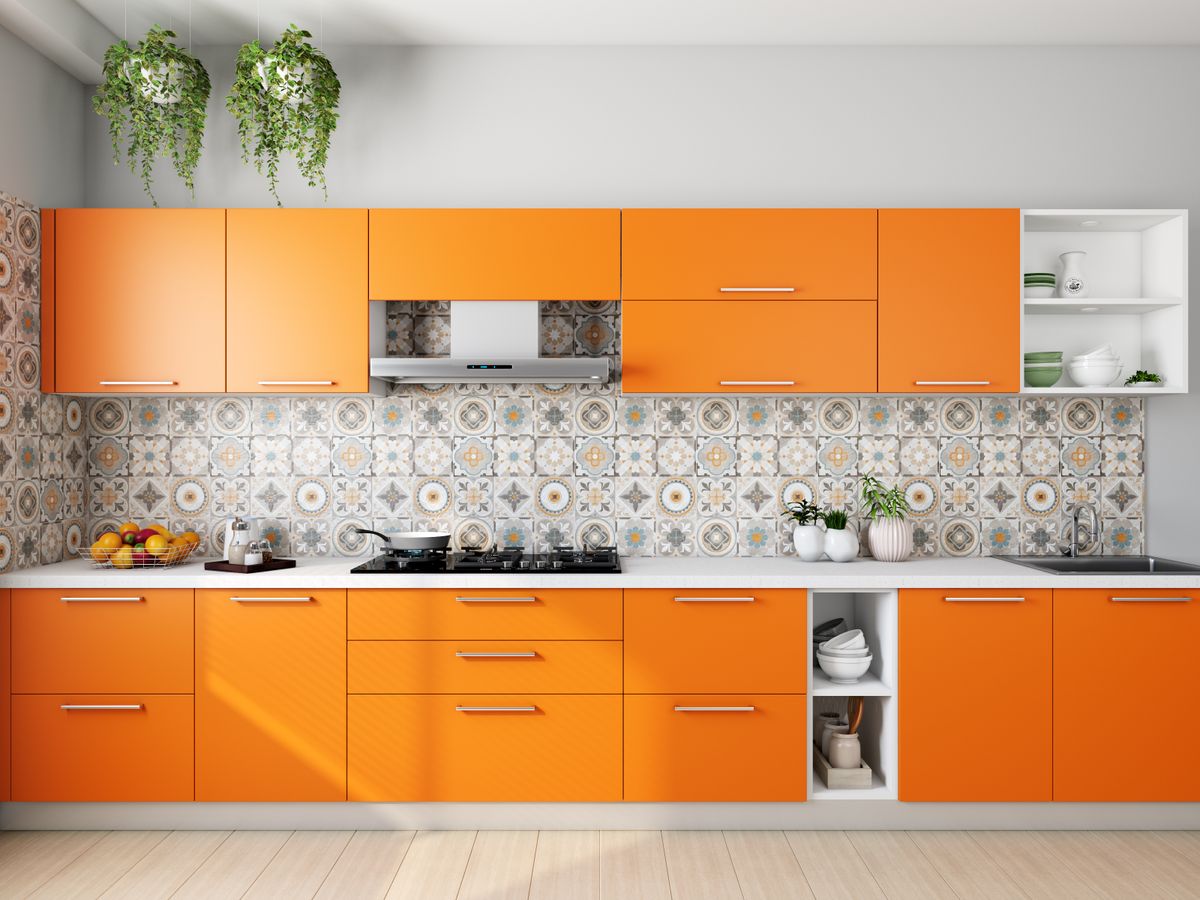
Image source: pinterest.com
Seating is one of the most natural ways to introduce orange. Bar stools, banquettes, and dining chairs add warmth and comfort while remaining flexible design elements.
In kitchens dominated by blue cabinetry and neutral surfaces, orange seating creates inviting moments where people naturally gather. Upholstered banquettes or cushions soften the space further, reinforcing the kitchen’s role as a social hub rather than just a workspace.
Texture as the Unifying Element
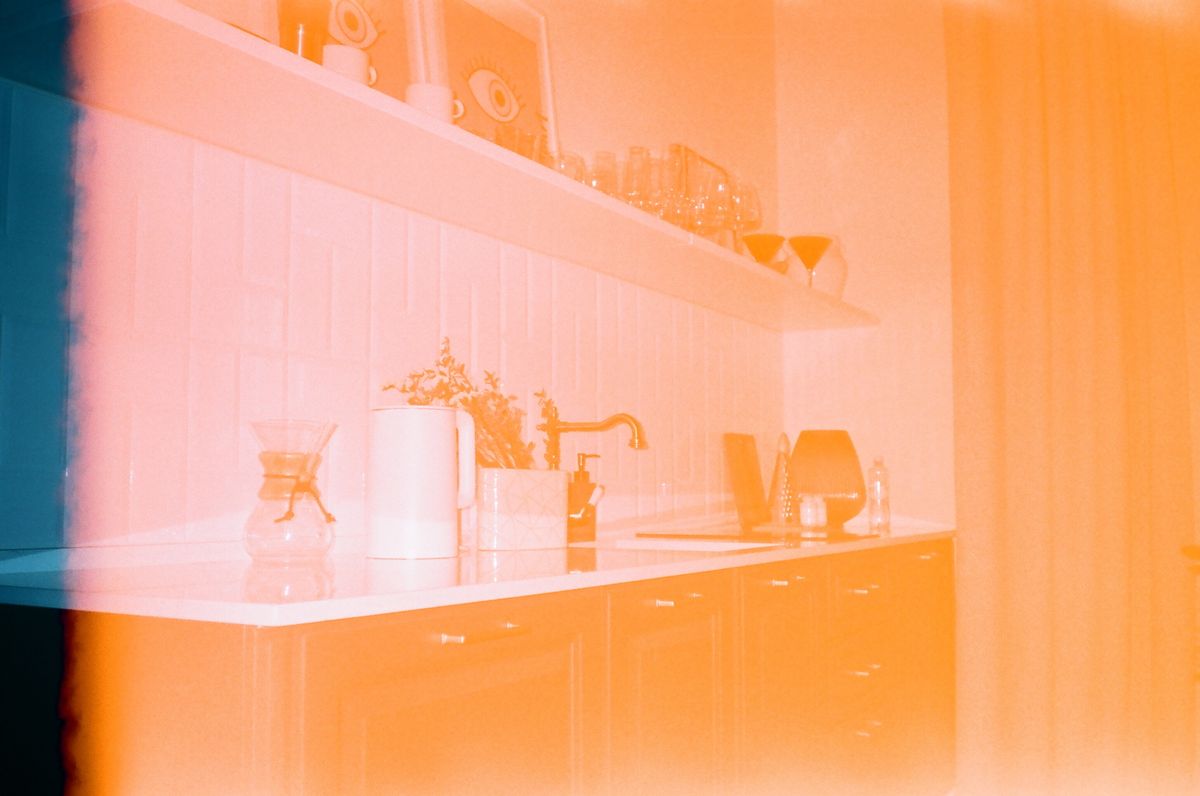
Image source: pinterest.com
Color alone does not create a successful kitchen. Texture helps orange and blue work together instead of looking dull.
Wood countertops, matte cabinetry, glossy tiles, upholstered seating, and woven accessories all contribute to depth. These material contrasts soften the visual impact of bold colors and make the kitchen feel layered and lived-in.
When textures are used properly, even bold colors look balanced and stylish.
Orange and Blue in Small Kitchens

Image source: pinterest.com
Small kitchens can use orange and blue successfully when the colors are balanced properly. Blue works best as the primary color, providing structure without visual clutter. Orange should appear in controlled doses through lighting, seating, or decor.
Lighter blues paired with muted orange tones keep the space feeling open. Natural light amplifies this effect, while reflective surfaces help prevent darker blues from feeling heavy.
Adapting the Palette to Different Kitchen Layouts
In galley kitchens, blue cabinetry creates continuity along narrow walls, while orange accents prevent the space from feeling tunnel-like. L-shaped kitchens benefit from orange focal points that draw attention to corners or islands. Open kitchens allow for more expressive use of both colors, especially when repeated subtly in adjacent spaces.
Understanding the layout helps decide where each color should be used most.
Seasonal Flexibility and Long-Term Appeal
One of the strengths of an orange and blue kitchen is its adaptability across seasons. In warmer months, lighter blues and softer orange tones feel fresh and airy. In cooler seasons, deeper blues paired with burnt or terracotta orange create a cozy, enclosed atmosphere.
Muted orange shades stay stylish longer than bright ones, and dark blue cabinets age well over time. This makes the combination practical for long-term living rather than short-term trends.
Rental-Friendly Ways to Use Orange and Blue
Even renters can embrace this palette without permanent changes. Removable backsplashes, peel-and-stick tiles, lighting, bar stools, textiles, and decor allow orange and blue to appear without altering the structure of the kitchen.
These temporary solutions still create visual impact while remaining reversible.
Common Design Pitfalls to Avoid
Overusing bright orange can overwhelm the space, while poor lighting can make blue feel heavy. Ignoring texture or relying solely on color without material contrast often leads to flat results. Successful kitchens rely on restraint, balance, and thoughtful placement rather than intensity.
Estimated Cost to Create an Orange and Blue Kitchen
The cost depends on how big the changes are:
- Decor changes (chairs, lights, accessories): £50 – £300
- Backsplash upgrade: £150 – £600
- Cabinet repainting: £500 – £1500
- Full kitchen redesign: £3000+
If you are on a budget, start with small decor items instead of changing cabinets.
How to Start (Beginner Friendly)
If you are new to this color combination, follow these simple steps:
- Start with blue as the main color
- Add orange in small accents
- Use neutral colors like white or wood to balance
- Avoid using too much bright orange
Conclusion
An orange and blue kitchen offers a rare balance of energy and elegance. Blue brings calm, depth, and structure, while orange adds warmth and personality, turning the kitchen into a space that feels both stylish and welcoming. Whether expressed through dark blue cabinetry with subtle orange accents or lighter interpretations with softer tones, this combination adapts to different layouts, styles, and lifestyles. When balanced with the right proportions, textures, and lighting, orange and blue work together to create kitchens that feel comfortable, stylish, and long-lasting.
Frequently Asked Questions (FAQs)
Is orange and blue a good color combination for a kitchen?
Yes, orange and blue work very well together in kitchens. Blue adds calm and structure, while orange brings warmth and energy. When balanced properly, the combination feels lively but not overwhelming, making it suitable for both modern and traditional kitchens.
Which shade of blue works best with orange in a kitchen?
Dark blue shades like navy, midnight blue, and indigo pair especially well with orange because they ground the space. Lighter blues such as sky or denim blue also work, particularly when combined with softer orange tones like peach or terracotta.
Will an orange and blue kitchen look too bold?
An orange and blue kitchen only looks too bold if both colors are used in large amounts. Most successful designs use blue as the main color and orange as an accent. This approach keeps the kitchen balanced and visually comfortable.
Is orange suitable for small kitchens?
Yes, orange can work in small kitchens when used carefully. Muted or soft orange tones work best, especially as accents. Pairing them with light or mid-tone blue helps keep the space feeling open rather than crowded.
Can orange and blue work in a traditional kitchen?
Absolutely. Blue shaker cabinets combined with subtle orange accents, such as lighting, seating, or decor, fit well into traditional kitchens. The key is choosing muted shades and classic materials like wood, stone, and subway tiles.
What are easy ways to add orange to a blue kitchen?
Simple ways include orange bar stools, pendant lights, small appliances, cushions, rugs, or decorative accessories. These elements add warmth without requiring permanent changes.
Are dark blue kitchen cabinets hard to maintain?
No, dark blue cabinets are generally easy to maintain. They tend to hide marks and wear better than lighter colors, especially when finished in matte or satin textures.
Can renters use orange and blue in their kitchens?
Yes, renters can use removable decor such as peel-and-stick backsplashes, lighting, textiles, and accessories to introduce orange and blue without making permanent changes.
Do orange and blue kitchens go out of style?
When muted tones and balanced proportions are used, orange and blue kitchens remain timeless. Dark blue acts like a neutral, and earthy orange shades age better than very bright hues.
What countertop colors work best with orange and blue kitchens?
Light stone, marble, quartz, and warm wood countertops work especially well. These materials balance the contrast between blue and orange and help the kitchen feel cohesive.