spot_img

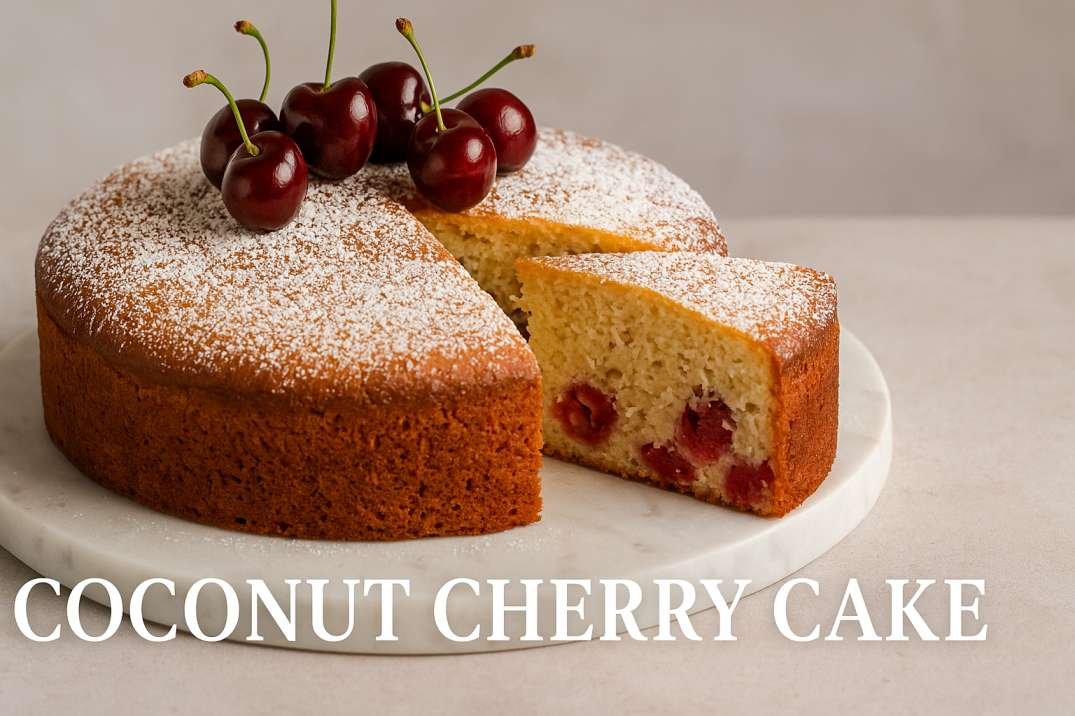
Coconut Cherry Cake Recipe – Moist, Easy and Full of Flavour

This coconut cherry cake is soft, moist and full of flavour, blending tender coconut with sweet cherries for a beautifully balanced bake. Simple to prepare and perfect for any occasion, it delivers a nostalgic, comforting taste with every slice—ideal for afternoon tea, family gatherings or anytime you crave homemade sweetness.

Coconut cherry cake is a classic bake that is easy to make and full of flavour. The softness of the crumb, the mellow sweetness of coconut and the bursts of juicy cherries make it a dessert that feels both nostalgic and indulgent. Whether you use fresh cherries or glace cherries, this recipe gives reliable results with very little effort. Suitable for afternoon teas, family treats or weekend baking, it pairs beautifully with warm drinks or a light dusting of sugar. With careful preparation and the right method, you can enjoy a consistently moist and flavourful coconut cherry cake every time.

Why Coconut Cherry Cake Remains a Classic

Why Coconut Cherry Cake Remains a Classic

Image source: pinterest.com

Coconut cherry cake has a long history in traditional home baking, cherished for its approachable method and satisfying flavour. Its popularity comes from the balance of flavours, with coconut adding warmth and cherries bringing a juicy freshness. This balance makes the cake versatile enough for casual gatherings yet refined enough for more formal occasions.

The cake also stands out for its reliability. Many recipes fluctuate in texture or flavour depending on technique, but coconut cherry cake remains consistent. The coconut maintains moisture throughout the bake, and the cherries distribute bursts of flavour without overpowering the crumb. Whether baked in a loaf tin or a round tin, the cake rises well and fills the kitchen with a lovely aroma.


Fresh Cherries vs. Glace Cherries

Fresh Cherries vs. Glace Cherries

Image source: pinterest.com

Choosing between fresh and glace cherries influences the character of the final cake. Fresh cherries bring natural juiciness, a slight tartness and a more delicate crumb. When prepared properly, they mix easily into the batter and add soft, juicy bites to the cake.

Glace cherries, however, offer a more traditional flavour and firmer texture. They are sweeter and keep their shape well while baking. To ensure they remain evenly distributed, they should be rinsed thoroughly to remove syrup, dried and cut into halves or quarters.

Both versions are equally enjoyable. The choice depends on your preference—fresh cherries create a lighter, fruit-forward cake, while glace cherries evoke the nostalgic charm of retro teatime bakes.


How Coconut Enhances Texture and Flavour

How Coconut Enhances Texture and Flavour

Image source: pinterest.com

Coconut does more for this cake than simply providing taste. Desiccated coconut helps the cake stay moist by holding moisture during baking. This keeps the crumb exceptionally soft for several days. Its gentle chewiness adds a pleasant contrast to the cherries, preventing the cake from becoming overly delicate or crumbly.

When using coconut milk (in dairy-free variations), the cake gains added richness without heaviness. Coconut milk blends seamlessly with eggs and sugar, yielding a smooth batter that bakes into a soft, melt-in-the-mouth texture. Using butter and regular milk gives the cake a more traditional texture and a stronger coconut smell.


Preparing the Cherries Correctly

Preparing the Cherries Correctly

Image source: pinterest.com

Cherry preparation plays a significant role in achieving an evenly textured cake. Fresh cherries must be pitted, halved and dried with a clean cloth or paper towel. Too much moisture can affect the texture and cause parts of the cake to sink. Once dried, tossing the cherries in a small amount of flour helps them stay suspended throughout the batter.

Glace cherries require rinsing to remove sticky syrup. This may seem like an unnecessary step, but skipping it often leads to clumps of cherries in the finished cake. After rinsing, they must be dried thoroughly. Cutting them smaller helps the cherries spread evenly through the cake.


Building the Perfect Batter

Building the Perfect Batter

Image source: pinterest.com

The key to achieving a moist, tender coconut cherry cake lies in gentle mixing and balanced ingredients. Overmixing can make the cake firm instead of soft. Instead, the batter should be combined just until no streaks of flour remain. The coconut will add bulk and texture, while the cherries should be folded in at the very end to avoid breaking them or staining the batter.

The batter should be thick but still easy to spread into the tin. A batter that feels dry may need a splash of milk, while a batter that feels loose can be improved with a spoonful of coconut.


Choosing the Right Tin and Lining Technique

Choosing the Right Tin and Lining Technique

Image source: pinterest.com

Coconut cherry cake performs well in both loaf and round tins, though each creates a different experience. A loaf tin yields a tall, classic slice with a slightly denser texture—ideal for serving with tea or coffee. A round tin produces a quicker-baking cake with a lighter crumb and more elegant surface, especially when dusted with icing sugar or topped with fresh cherries.

Regardless of the tin, lining it properly is essential. Grease the sides lightly, lay parchment across the bottom and allow the edges to extend beyond the rim so the cake can be lifted out easily. This helps the cake come out easily without breaking.


Baking Coconut Cherry Cake to Perfection

Baking Coconut Cherry Cake to Perfection

Image source: pinterest.com

Baking at a moderate temperature helps the cake rise evenly. A fully preheated oven prevents sinking and promotes an even crumb structure. The cake should be placed on the middle rack for balanced airflow. During baking, the surface will gradually turn golden, and the aroma will intensify.

Checking the cake a few minutes before the suggested baking time prevents overbaking. A skewer inserted into the centre should come out clean or with a few moist crumbs. Letting the cake cool in the tin for ten minutes helps it set without drying out. It can then be transferred to a wire rack to cool completely.


Serving and Presentation

Serving and Presentation

Image source: pinterest.com

This cake is easy to serve in many ways. It is delicious on its own, but small touches can elevate its presentation significantly. A light dusting of icing sugar creates a delicate finish that contrasts beautifully with the cake’s golden top. Fresh cherries arranged casually across the surface add vibrant colour and hint at the flavour inside. For a richer treat, serve it with vanilla ice cream, whipped cream or a light glaze.

If you enjoy warm, comforting flavours and classic home-style bakes, you may also like my cinnamon loaf cake recipe UK. It carries the same cosy sweetness but with a fragrant cinnamon twist, making it a perfect companion recipe to try next.


Make-Ahead, Storage and Freezing

Make-Ahead, Storage and Freezing

Image source: pinterest.com

Coconut cherry cake is great for making ahead because it stays moist for days. After baking and cooling, it can be stored at room temperature in an airtight container for up to three days. Refrigeration extends its freshness to five days, though the cake should be brought back to room temperature before serving to restore its soft texture.

The cake freezes exceptionally well. Whole loaves can be wrapped tightly in plastic wrap and placed in a second layer of foil. You can freeze slices separately and thaw them whenever needed. When stored correctly, the cake keeps for up to three months without compromising flavour or texture.


Common Mistakes and How to Avoid Them

Most problems with simple cakes happen because of technique, not ingredients. One of the most common issues is cherries sinking to the bottom. Drying them thoroughly and coating them in flour before folding them into the batter prevents this. Overmixing can lead to a dense, rubbery crumb, so it’s important to stop mixing as soon as ingredients combine.

Another frequent issue is dryness caused by overbaking. Checking the cake early and using visual cues rather than relying solely on timing helps avoid this. Failing to line the tin properly may cause sticking, while removing the cake too early from the tin risks breakage. Following the steps carefully helps the cake turn out well every time.


Coconut Cherry Cake – Easy Recipe Card

Coconut Cherry Cake – Easy Recipe Card

Image source: pinterest.com

Prep Time: 15 minutes
Cook Time: 45–55 minutes
Total Time: 1 hour
Yield: 8–10 slices

Ingredients

Dry Ingredients
1½ cups self-raising flour
1 cup desiccated coconut
1 cup glace cherries, rinsed, dried and halved
¾ cup caster sugar
¼ teaspoon salt

Wet Ingredients
½ cup softened butter
2 large eggs
½ cup milk
1 teaspoon vanilla extract

Instructions

Preheat the oven to 180°C (350°F). Grease and line a 1lb loaf tin with parchment paper. Rinse the glace cherries thoroughly under cold water to remove excess syrup, dry them well and cut into halves or quarters.

In a large mixing bowl, combine the flour, desiccated coconut, sugar and salt. Add the softened butter and rub it into the dry mixture using your fingertips until it resembles fine breadcrumbs.

Beat the eggs and milk together, then pour the mixture into the bowl of dry ingredients. Stir gently until the batter is just combined. If the mixture appears thick, add a small splash of milk.

Coat the cherries lightly in a spoonful of flour, then fold them into the batter. Spoon the mixture into the prepared tin and smooth the top. Bake for 45–55 minutes or until a skewer inserted into the centre comes out clean.

Allow the cake to cool for ten minutes before transferring to a wire rack to cool completely.


Conclusion

A well-prepared coconut cherry cake brings together the best qualities of home baking: a tender crumb, warm coconut notes and vibrant cherry pieces in each slice. It is a straightforward yet memorable recipe that feels special without demanding complex techniques. Whether baked in a loaf tin or round pan, the cake remains moist, evenly textured and delicately sweet. It slices neatly, stores well and tastes wonderful on its own or with simple toppings. For relaxed afternoons, small gatherings or moments when you want a comforting homemade treat, this coconut cherry cake is always a satisfying and dependable choice.

Frequently Asked Questions (FAQs)

1. Why do cherries sink in coconut cherry cake?
Cherries often sink when they are too wet or heavy for the batter. To prevent this, dry them thoroughly and coat them lightly in flour before folding them into the mixture. This step helps them stay suspended and ensures even distribution throughout the cake.

2. Can I use fresh cherries instead of glace cherries?
Fresh cherries work beautifully in this recipe, especially during the summer. They must be pitted, halved and dried well before use. Tossing them in a spoonful of flour prevents sinking and keeps the crumb balanced.

3. Should I rinse glace cherries before baking?
Yes. Glace cherries are coated in sticky syrup, and rinsing removes the excess sweetness that can cause them to clump together. Drying them thoroughly keeps the texture light and prevents streaking in the batter.

4. Can I use shredded coconut instead of desiccated coconut?
Shredded coconut can be used, but it will create a slightly chewier texture. Desiccated coconut absorbs moisture more efficiently, resulting in a tender crumb. If using shredded coconut, reduce the quantity slightly.

5. How can I make this cake dairy-free?
To make a dairy-free version, replace the butter with a plant-based alternative and use coconut milk or another non-dairy milk. Coconut milk actually enhances the flavour and richness of the cake while keeping the texture soft.

6. How do I keep the cake moist for several days?
Coconut cherry cake stays moist naturally due to the coconut, but storing it correctly is essential. Once cooled, keep it in an airtight container at room temperature for up to three days. For longer storage, refrigerate or freeze the cake.

7. Can I freeze coconut cherry cake?
Yes, this cake freezes extremely well. Wrap the whole cake or individual slices tightly in plastic wrap followed by foil. When stored properly, it will keep for up to three months. Thaw at room temperature for best results.

8. Why is my coconut cherry cake dry or crumbly?
Dryness typically comes from overbaking. Every oven varies, so start checking the cake a few minutes before the suggested bake time. Too much flour or insufficient liquid can also create a crumbly texture.

9. Can I make this cake without eggs?
You can replace eggs with yoghurt, buttermilk or a commercial egg replacer. The texture will be slightly denser, but the cake will still bake well. A dairy-free yoghurt works too if you want to keep the cake entirely plant-based.

10. Can I use frozen cherries?
Frozen cherries may be used but must be thawed fully and dried well to remove excess moisture. Adding them frozen can create wet pockets in the cake and affect the crumb.

11. What size tin is best for coconut cherry cake?
A 1lb loaf tin works best for the classic version, creating a tall, traditional shape. A 22 cm round tin is ideal if you prefer a softer, wider cake with a more delicate crumb.

12. Is coconut cherry cake the same as cherry coconut loaf?
Yes, both terms refer to similar cakes. The main difference is shape. A loaf cake bakes in a rectangular tin with a taller rise, while a round cake bakes more quickly and has a lighter texture.

13. What can I serve with coconut cherry cake?
The cake is delicious on its own, but it pairs well with whipped cream, vanilla ice cream or a light dusting of icing sugar. For a richer finish, a simple glaze or cherry topping works beautifully.

14. Can I add other flavours to this cake?
Lemon zest, almond extract or a splash of coconut essence can be added for extra depth. Some bakers enjoy adding white chocolate chips or chopped nuts for additional texture.

15. How do I know when the cake is baked perfectly?
The top should turn golden and spring back lightly when touched. A skewer inserted into the centre should come out clean or with a few moist crumbs. Allowing the cake to cool in the tin for ten minutes helps it set properly.


spot_img

Must Read

Related Articles

LEAVE A REPLY

Please enter your comment!
Please enter your name here