
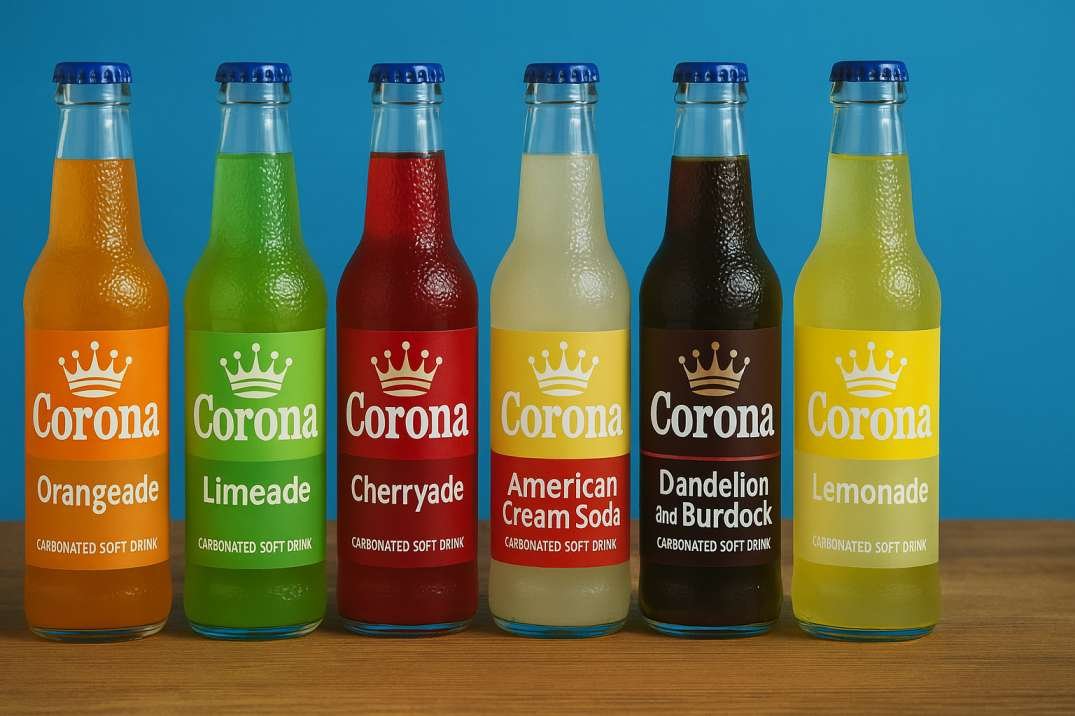

Corona Pop Bottles were once a popular part of everyday life in Wales and across Britain. Made by Thomas & Evans Ltd, the brand became well known for its colourful flavours, glass bottles and door-to-door delivery service. From its origins in South Wales to its national expansion, Corona shaped generations of family memories.
Corona Pop Bottles are an important part of Welsh and British history. They were more than just fizzy drinks for many families. The brand started in South Wales in the late 1800s and slowly grew from a small mineral water company into a well-known national name. Its colourful drinks, glass bottles and weekly home deliveries made Corona a regular feature in many family homes. Although production ended in the late 1990s, Corona continues to be remembered with affection for the role it played in everyday life. This article explores its complete story, from origins to legacy.
Early Beginnings: A Drink Born in the Rhondda Valley
Corona’s story begins in the late nineteenth century in the industrial Rhondda Valley of South Wales. The area was mainly made up of coal mines and working-class communities, where many people went to pubs to relax after long and difficult shifts. This was also the period when the temperance movement gained influence, encouraging families to reduce alcohol consumption. This created a growing demand for affordable, refreshing drinks that did not contain alcohol.
William Thomas, an established grocer with several successful shops, recognised the potential for drinks that offered purity, flavour and an alternative to beer. William Evans, who had trained under Thomas and later became his business partner, shared the same idea. Together they founded Welsh Hills Mineral Waters in the 1890s, drawing natural water from the hills surrounding Porth. Their first factory opened in 1897 and was dedicated to producing mineral water, ginger beer and simple fruit-flavoured soft drinks.
In the early years, most of the work was done by hand. Workers mixed the drinks, added carbonation, filled bottles manually and handled large containers used to prepare ginger beer. Working conditions were tough, with long hours, hot temperatures from boiling water and the risk of bottles breaking, which meant workers needed protective clothing. Despite these challenges, Thomas and Evans built a business rooted in quality, consistency and the promise of safe, enjoyable soft drinks for working families.
The Rebranding to Corona

Image source: pinterest.com
By the 1920s, the company had outgrown its local identity and sought a name that would resonate beyond Wales. After an internal competition, the company chose the name “Corona,” which comes from the Latin word for “crown.” This change was supported by a new logo showing seven glass bottles arranged in the shape of a crown. This design helped show Corona as a quality brand while still connecting it to its Welsh origins.
The rebranding coincided with technological improvements in bottling. Corona continued using Hiram Codd’s marble-stopper bottles, which were reusable and capable of retaining carbonation more effectively than traditional cork stoppers. Their distinctive design became one of the brand’s trademarks and a memorable part of its identity.
The newly named Corona positioned itself as a family-friendly, hygienic and affordable soft drink. Advertising campaigns highlighted the purity of the water, the cleanliness of production and the freshness of the flavours. The timing was ideal: families sought inexpensive luxuries, and Corona provided exactly that.
Rapid Expansion Across Wales and the United Kingdom

Image source: pinterest.com
Between the 1920s and 1930s, Corona soft drinks grew from a local Welsh drink into a well-known national brand. New factories opened in Tredegar, Pengam, Maesteg and Bridgend, working alongside the main factory in Porth. Together, these factories supplied drinks to homes, shops and social venues across South Wales and other parts of Britain.
Corona also built a strong delivery network with more than eighty depots nationwide. By the late 1930s, the company was producing over 170 million bottles each year and providing jobs for hundreds of people in factories, transport and sales.
A key part of Corona’s success was its door-to-door delivery service. Drinks were first delivered by horse-drawn carts and later by motor lorries. The colourful red and gold Corona vehicles became a familiar sight, and many families, especially in mining areas, looked forward to the weekly visit of the “pop man.” Even during World War II, when fuel was limited, Corona continued delivering drinks and expanded quickly once the war ended.
The Flavours That Defined Corona

Image source: pinterest.com
Corona’s success was built on its colourful variety of flavours, each one crafted to appeal to families and children. Orangeade quickly emerged as the flagship drink, known for its bold colour and sweet, citrus taste. Lemonade, produced in both clear and yellow versions, remained one of the most popular choices across generations.
Other flavours included limeade, raspberryade, cherryade, grapefruit, ginger beer and dandelion and burdock. Most of these drinks were made with real fruit flavours and sugar, helping Corona build a reputation for quality and freshness. In the 1930s, Corona introduced American cream soda, a creamy vanilla-flavoured beverage that added new variety to its offerings.
A major innovation came in 1950 with the launch of Tango, a citrus drink developed by Corona that later evolved into one of Britain’s best-known soft drink brands. The launch of Tango showed that Corona could adapt to changing tastes and create new drinks for younger customers.
Manufacturing Progress and Distribution Efficiency

Image source: pinterest.com
The Porth factory remained the heart of Corona’s operations for most of its history. It developed into a modern facility with bottle-washing units, carbonation systems, bottling lines and packaging equipment. The use of returnable glass bottles, which customers exchanged for a small deposit, helped keep costs low, improve hygiene and reduce waste long before this became common practice.
Distribution remained one of Corona’s strongest assets. The company maintained consistent delivery schedules and wide coverage, ensuring that its products were readily available in shops, homes and events. Its efficiency in both production and distribution contributed significantly to its growth and national visibility.
Advertising and Public Image

Image source: pinterest.com
Corona spent a lot of money on advertising during the mid-1900s, especially after it was bought by the Beecham Group in 1958. National television campaigns portrayed Corona as a cheerful, family-oriented brand. Advertisements often featured children enjoying their favourite flavours and families sharing Corona bottles at picnics, parties and mealtimes.
One of the most memorable aspects of Corona’s advertising history was the slogan “Every bubble’s passed its FIZZical!” This line became widely recognised and contributed to the brand’s sense of fun and personality. Television commercials featuring British entertainer Dave King further elevated the brand’s profile and helped it reach audiences beyond Wales.
Even as competition increased, Corona kept a strong brand image through its colourful bottles, cheerful adverts and well-known delivery trucks. Its branding emphasised tradition, trustworthiness and the simple pleasure of enjoying a fizzy drink at home.
Acquisitions and the Decline of the Brand

Image source: pinterest.com
The 1958 acquisition by the Beecham Group allowed Corona to expand nationally, but it also marked the beginning of difficult transitions. During the 1970s and 1980s, supermarkets became popular, and people started buying drinks directly from stores instead of using home delivery services. People stopped relying on home deliveries, making Corona’s traditional delivery system less effective. At the same time, multinational corporations such as Coca-Cola and Pepsi began dominating the market with large advertising budgets, advanced production methods and widespread availability.
In 1987, Beecham sold its soft drinks division to Britannia Soft Drinks (later Britvic), which resulted in the closure of the historic Porth factory. Production was moved to Bolton in Lancashire, which ended Corona’s long connection to its Welsh roots. Despite continued production under new management, the brand struggled to retain its identity and customer base. Rising production costs, competition and changing consumer preferences drove sales down sharply, leading to the complete discontinuation of the brand by the late 1990s.
The Afterlife of the Porth Factory
Image source: hbpl.co.uk
Following the closure of the Porth factory, the site remained unused until 2000 when it was transformed into The Pop Factory, a music and television production centre. The conversion breathed new life into the historic building, which had once produced millions of Corona bottles each year. The Pop Factory hosted live music performances, television recordings and cultural events, helping to preserve the site’s industrial significance.
In 2012, the charity Valleys Kids acquired the property and redeveloped it into The Factory, a creative hub featuring music studios, art galleries, event spaces and community facilities. The transformation continues to support local arts, heritage projects, youth initiatives and small businesses. Architectural elements such as the original Welsh Hills Works inscription were preserved to honour the site’s historical roots.
Corona’s Cultural Legacy

Image source: pinterest.com
Even decades after its final bottle was produced, Corona remains deeply embedded in Welsh cultural identity. For many, Corona Pop Bottles evoke memories of childhood treats, community gatherings and the excitement of the weekly pop delivery. The drink became a symbol of working-class life in the coal-mining valleys and a reminder of the social bonds that defined these communities.
Corona often appears in media discussions, nostalgia features, radio interviews and heritage exhibitions. Vintage bottles, crates and advertising materials are highly collected, not only for their aesthetic appeal but for the history they represent. The brand also contributes to tourism and local history projects, helping to preserve memories of Wales’s industrial past.
Corona’s story shows how a simple fizzy drink can play an important role in community life. While the brand no longer exists, its influence continues through storytelling, memorabilia and the enduring significance of its original factory site.
Conclusion
Corona Pop Bottles remain a lasting symbol of Welsh ingenuity, community life and the evolution of British soft-drink culture. From its origins in a small Porth factory to its peak as a nationwide brand, Corona shaped family traditions and created memories that still resonate today. Even though changing habits and strong competition ended the brand, Corona still lives on in people’s memories and nostalgia, preserved artefacts and the continued use of the old factory as a creative hub. Corona’s legacy shows how a simple household drink can become an important part of cultural identity and local history.
Related Reading
While Corona Pop Bottles represent a nostalgic era of British soft-drink history, today’s beverage landscape includes far stronger and more modern options. If you’re interested in seeing how contemporary drinks compare to classic favourites like Corona, you may want to explore the Dragon Soop Bottle. This high-caffeine, flavour-intense drink reflects the shift toward bold, energy-focused beverages that appeal to a new generation of consumers.
Frequently Asked Questions (FAQs)
1. What were Corona Pop Bottles?
Corona Pop Bottles were carbonated soft drinks produced by Thomas & Evans Ltd in Porth, South Wales. They were known for flavours like orangeade, lemonade, limeade and cream soda, and became popular for their distinctive glass bottles and door-to-door delivery service across Wales and the UK.
2. Are Corona Pop Bottles still made today?
No. Production of Corona soft drinks stopped in the late 1990s after the brand was phased out by Britannia Soft Drinks, later Britvic. Only vintage bottles and memorabilia are available today.
3. Where can I buy vintage Corona Pop Bottles?
Vintage Corona bottles, including original Codd bottles with marble stoppers, can often be found on platforms like eBay, Etsy, antique fairs, collectors’ markets and vintage memorabilia shops. Prices usually range between £5 and £25 depending on the condition.
4. Who founded Corona soft drinks?
Corona was founded by William Thomas and William Evans in the 1890s. They originally operated as Welsh Hills Mineral Waters in Porth before rebranding their soft drink range as “Corona” in the 1920s.
5. What flavours did Corona drinks come in?
Popular flavours included orangeade, lemonade, raspberryade, cherryade, limeade, dandelion and burdock, ginger beer, grapefruit and American cream soda. Orangeade became the brand’s signature flavour.
6. Why did Corona Pop Bottles become so popular?
They became popular due to their affordability, weekly door-to-door deliveries, wide flavour variety and hygienic glass bottles sealed with Hiram Codd’s marble-stopper system. The drinks were also promoted as family-friendly alternatives during the temperance movement.
7. Why did Corona soft drinks stop being produced?
Corona declined due to the rise of supermarkets, the end of door-to-door delivery models, increased competition from global brands like Coca-Cola and Pepsi and changing consumer habits. After several ownership changes, the brand was discontinued in the late 1990s.
8. Was Corona soft drink related to the Corona beer brand?
No. Corona Pop Bottles had no connection to the Mexican beer brand. They were a British soft drink brand established decades earlier.
9. What happened to the Corona factory in Porth?
The Porth factory closed in 1987. In 2000, it was converted into The Pop Factory, a music and TV production venue. Later, in 2012, it became The Factory, a creative arts and community hub operated by Valleys Kids.
10. What is the value of Corona memorabilia today?
Vintage bottles, crates, labels and promotional items can hold value for collectors. Prices vary from £5 to £50+ depending on rarity, bottle type and condition. Early Codd bottles are usually the most sought-after.
11. Did Corona launch any other popular drinks?
Yes. In 1950, Corona introduced Tango, a citrus drink that later became one of Britain’s most recognisable soft drink brands. Tango remains in production today under Britvic.
12. Why were Corona bottles sealed with a marble?
The marble-stopper system, invented by Hiram Codd, used bottle pressure to seal the drink. This method kept the carbonation intact and made bottles reusable, which was cost-effective and environmentally friendly for the time.
13. What did the weekly Corona delivery service involve?
Corona salesmen delivered bottled drinks directly to homes using horse-drawn carts and later motorised lorries. Families returned empty bottles for a small deposit refund and purchased new drinks each week. This service helped Corona build strong community ties.
14. What was the meaning behind the name “Corona”?
“Corona” is Latin for “crown.” The name was chosen in the early 1920s to represent quality, and the logo featured seven glass bottles arranged like a crown.