
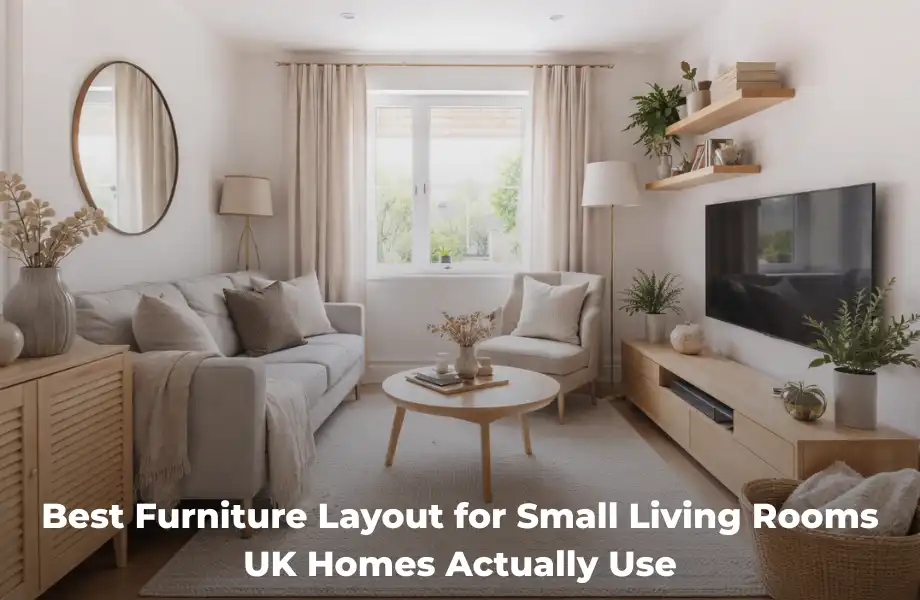

You walk into your living room after a long day, drop your keys on the table, and something just feels… off. The sofa you loved in the showroom suddenly feels too big. The coffee table gets in the way every time you move. And somehow, even though everything is “nice,” the room feels cramped. If that sounds familiar, you’re not alone. Many UK homeowners face this exact frustration. The truth is, it’s rarely about buying better furniture — it’s about placing it better. The best furniture layout for small living rooms UK homes need isn’t complicated, but it does require intention. Once you understand how layout shapes movement, light, and comfort, everything changes. Suddenly, the same room can feel bigger, calmer, and easier to live in. Let’s walk through how to make that shift happen.
Why Layout Matters More Than Furniture
Think about the last time you walked into a room that just felt right. Chances are, it wasn’t the sofa or the rug that made the difference — it was how everything was arranged. In small UK living rooms, layout quietly controls how you move, where your eyes go, and even how relaxed you feel. A poorly placed sofa can block light, while a well-positioned one can open up the entire space.
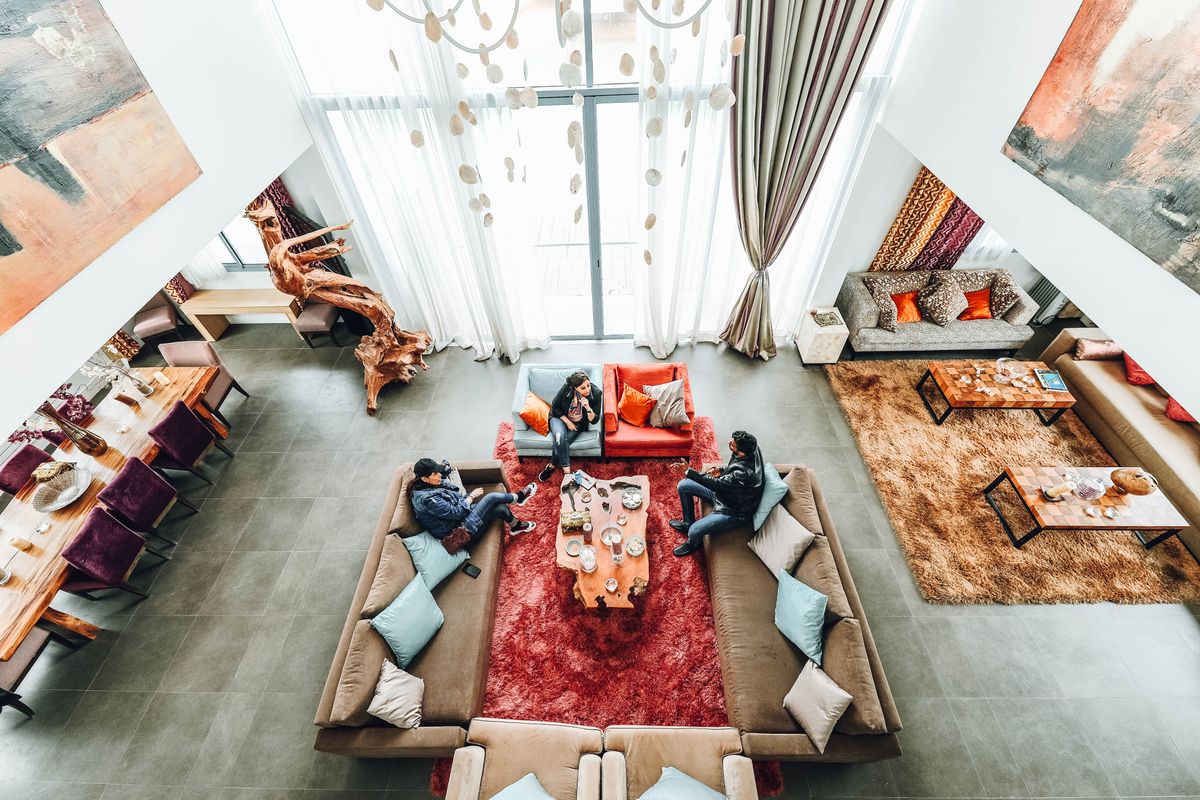
According to House Beautiful UK, thoughtful furniture placement can make even the smallest rooms feel more open and functional. Imagine walking into your lounge and seeing a clear path instead of obstacles. That first impression matters more than we realise. When your layout works, the room breathes. When it doesn’t, even expensive furniture can feel like clutter.
Before moving anything, stand at your doorway and look in. That simple moment often reveals what needs to change.
Start With a Focal Point That Feels Natural
Every well-arranged room tells a quiet story, and that story always starts somewhere. In most UK homes, it’s the fireplace, the TV, or a bright window. But the mistake many people make is trying to give everything equal importance. The result? A room that feels confused.
Picture a narrow terrace living room where the TV sits on one wall and a fireplace on another. If both compete for attention, the layout feels unsettled. Instead, choose one focal point and let everything else support it. As reported by Laura Jayne Design, anchoring your layout around a single feature creates a stronger sense of balance and calm.
Once you’ve chosen, position your sofa to face or gently angle towards it. This small decision instantly gives the room direction. It’s like giving your space a purpose instead of letting it drift.
How Zoning Can Transform a Small Space
In many UK flats, one room has to do everything. It’s a place to relax, work, watch TV, and sometimes even eat. That’s where zoning becomes powerful. Instead of seeing your living room as one tight space, you start seeing it as a series of small, purposeful areas.
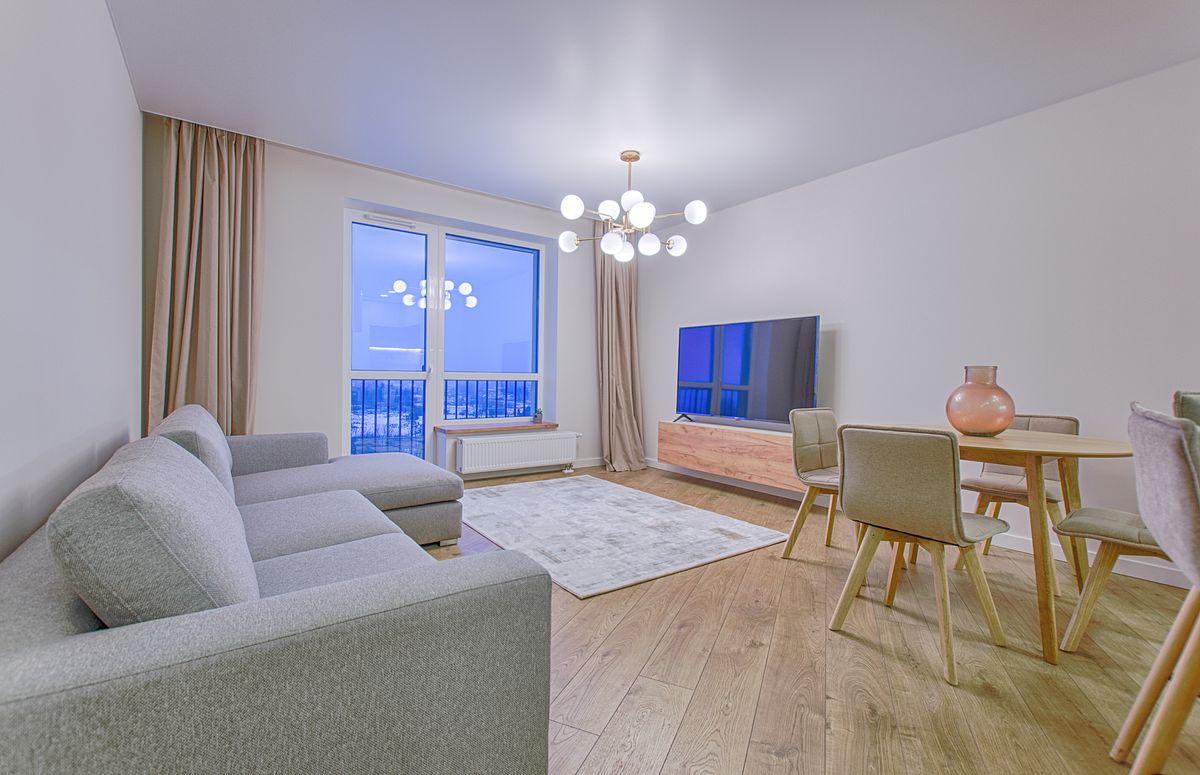
As stated by Dulux, simple changes like placing a rug under your sofa or adding a floor lamp can visually separate spaces without making the room feel crowded. Imagine a small reading corner by the window, softly lit, while the main seating area stays focused around the TV.
This doesn’t require extra furniture. It’s about using what you already have more thoughtfully. When done right, zoning makes your room feel bigger because it feels organised, not chaotic.
Why Multi-Functional Furniture Changes Everything
If you’ve ever wished your living room could magically expand, the next best thing is furniture that works harder. In small UK homes, every piece needs to earn its place. A bulky coffee table that only holds mugs might not be worth the space it takes.
Now imagine replacing it with an ottoman that stores blankets, or a sofa that turns into a bed when guests stay over. Suddenly, the room feels more flexible. According to House Beautiful UK, multi-purpose furniture is one of the easiest ways to maximise limited space without sacrificing comfort.
If you’re exploring this idea, our multifunctional living room furniture UK guide shares practical options that fit real homes.
It’s not about adding more. It’s about choosing smarter.
Making Narrow Living Rooms Feel Wider
Narrow living rooms are a common challenge in British homes, especially in older terraces. At first glance, they can feel limiting. But with the right layout, they can actually feel elegant and cosy.
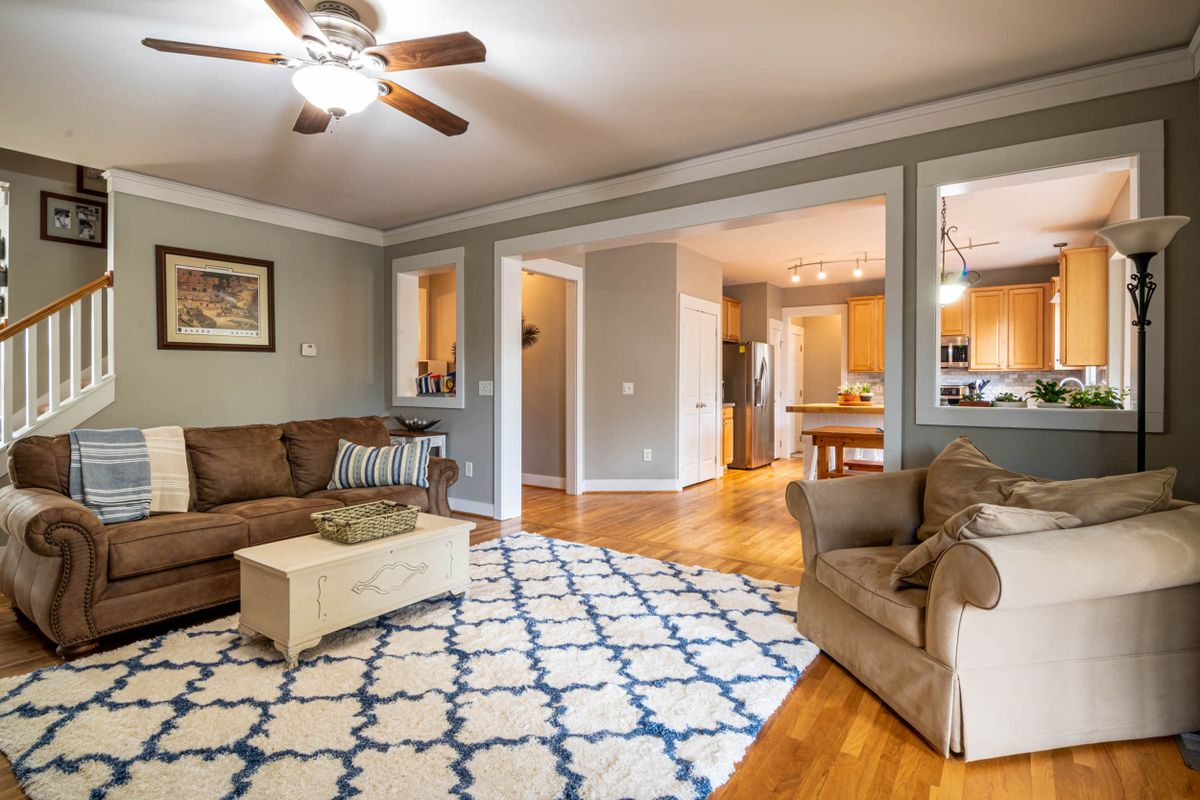
Imagine walking into a long, slim room where the sofa runs neatly along one wall, leaving a clear path through the space. Compare that to a room where furniture cuts across the width, blocking movement. The difference is immediate. As highlighted by Laura Jayne Design, keeping furniture aligned with the room’s natural shape helps maintain flow and prevents visual clutter.
Adding slim tables or wall-mounted storage can further open up the space. If storage is becoming an issue, our living room storage furniture ideas UK article explores smart solutions that don’t disrupt layout.
Sometimes, it’s not about changing the room — it’s about working with it.
Open-Plan Layouts Need Clear Boundaries
Modern UK homes often blend living, dining, and kitchen spaces into one open area. While this feels spacious, it can quickly become messy without a clear layout.
Picture a sofa floating slightly away from the wall, subtly marking where the living area begins. A rug beneath it anchors the space, while a dining table sits just beyond. According to Dulux, using furniture placement instead of walls is key to defining zones in open-plan homes.
If your space extends into other areas, like a converted garage, our garage conversion ideas UK guide can help you plan layouts that feel connected yet organised.
Open-plan living works best when each area has a clear purpose without feeling separated.
Small Layout Mistakes That Make Rooms Feel Smaller
Sometimes the biggest problems come from small habits. Pushing all furniture against the walls, blocking windows with tall units, or filling every corner with decor can slowly shrink the room without you noticing.
Imagine a space where light struggles to enter because a large cabinet sits in front of the window. Now picture the same room with that cabinet moved aside. The difference in brightness alone can transform how spacious it feels. As reported by House Beautiful UK, preserving natural light is one of the simplest ways to improve small room layouts.
Editing your space — removing or repositioning items — is often more powerful than adding new ones. The goal isn’t to fill the room. It’s to let it breathe.
Conclusion
A small living room doesn’t have to feel limiting. With the right approach, it can become one of the most comfortable and inviting spaces in your home. The best furniture layout for small living rooms UK homeowners achieve comes down to simple, thoughtful choices — clear pathways, balanced focal points, and furniture that works with the space instead of against it. When you start seeing your room differently, everything shifts. Try moving just one piece today and notice how it changes the feel of the space. Sometimes, that small change is all it takes to transform your entire living room.
FAQs
What is the best layout for a small living room in the UK?
The best layout usually places the sofa along the longest wall and keeps pathways clear. Focus on one focal point, like a TV or fireplace, and arrange furniture around it to maintain flow and balance.
How can I make my small living room look bigger?
Use light colours, keep furniture minimal, and allow natural light to flow. Position furniture to avoid blocking windows and create clear walking paths to make the space feel more open.
Is multi-functional furniture worth it for small spaces?
Yes, it’s very useful. Items like storage ottomans or sofa beds save space and reduce clutter, making your layout more flexible and efficient.
Should furniture be against the wall in small rooms?
Not always. Slightly floating furniture away from walls can create depth and improve the overall balance of the room, making it feel more thoughtfully arranged.
What type of sofa is best for a small UK living room?
A compact two-seater or a well-sized corner sofa works best. The key is choosing a size that fits the room without blocking movement or making the space feel crowded.
Author Bio
The Editorial Team at dailylifestyleguide shares practical UK home décor advice, helping readers maximise space and create stylish, comfortable living rooms tailored to modern British homes.
Disclaimer
This article is for general guidance. Layout suitability may vary depending on your home. Our editorial team may update this content to reflect new trends and insights.