
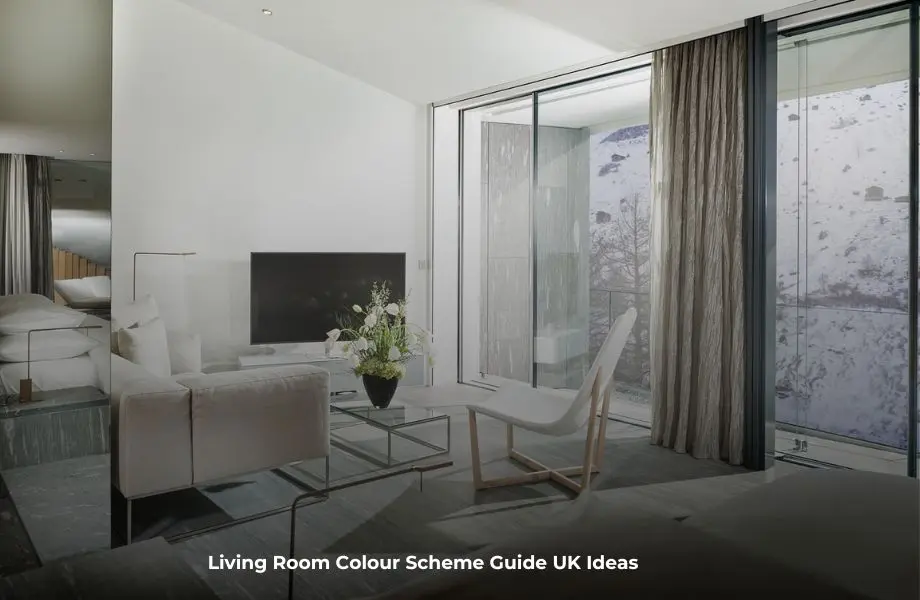

There’s a moment many UK homeowners know too well—you’re sitting in your living room, cup of tea in hand, suddenly noticing the walls feel a little tired, a little dull, almost like they’ve lost their warmth over time. That’s exactly where the journey of a living room colour scheme guide UK begins. It usually starts with a feeling rather than a plan: wanting your space to feel calmer, brighter, or simply more “you.” Maybe it was a rainy London afternoon when you first thought about repainting, or a visit to a friend’s beautifully styled home that sparked inspiration. Whatever the trigger, colour has a powerful way of changing not just rooms, but moods and memories. In this guide, we’ll walk through expert-backed ideas, real UK design trends, and storytelling-inspired colour approaches that help you turn your living room into a space that truly feels like home.
Why Colour Schemes Shape the Heart of UK Living Rooms
In many British homes, the living room is more than just a space—it’s where conversations linger after dinner, where rainy Sundays feel comforting, and where life quietly unfolds. Choosing the right colour scheme isn’t just about paint; it’s about shaping those everyday emotions. Interior designers often say colour sets the emotional “temperature” of a room, and that idea becomes especially important in the UK, where natural light can be soft, grey, and ever-changing. According to inspiration insights shared by Farrow & Ball living room ideas, deeper tones can create intimacy while lighter shades help reflect limited daylight. Imagine stepping into a room painted in muted sage or warm stone—it instantly feels grounded, like a quiet escape from the outside world. That’s the power of colour: it silently tells your home how to feel before you even say a word.
Finding the Mood: From Cosy Corners to Modern Calm
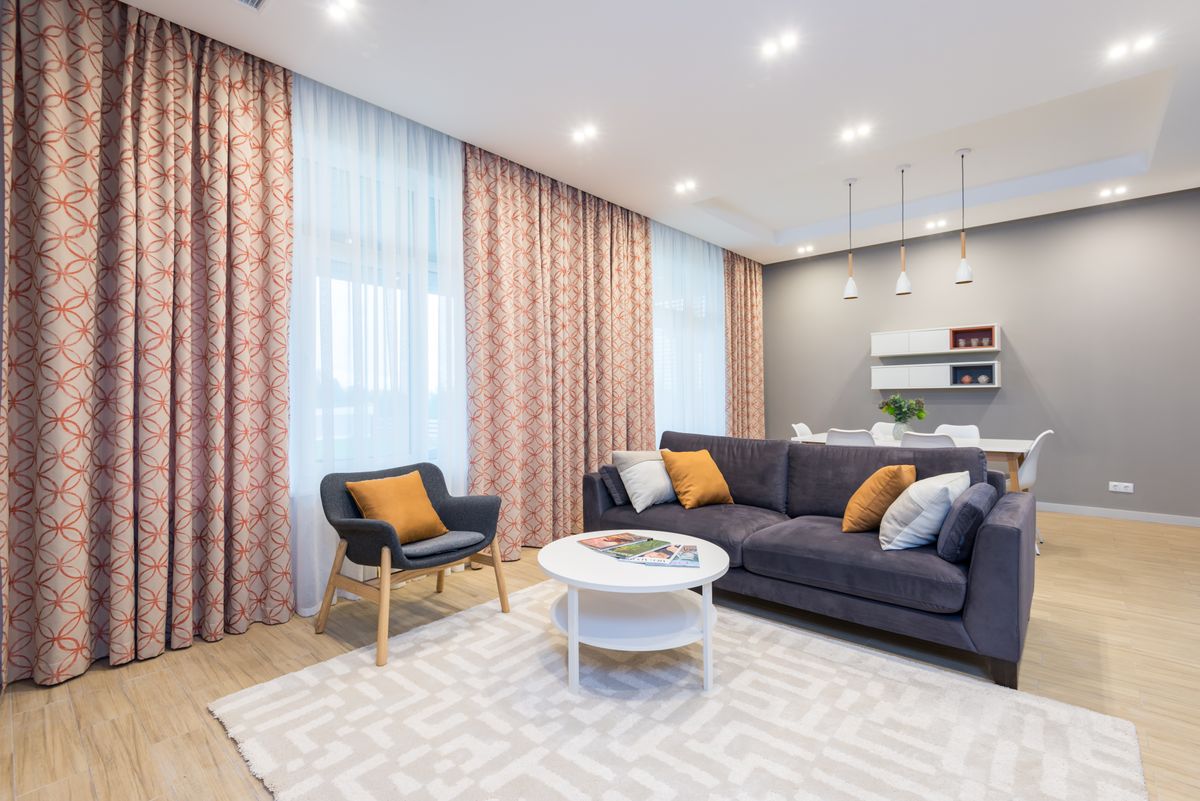
Every living room begins with a feeling you want to live in. Some homeowners crave a cosy, cocoon-like space where evenings feel slow and comforting, while others lean toward sleek, modern calm with crisp lines and airy tones. This emotional decision often becomes the foundation of a living room colour scheme guide UK journey. Picture a young couple moving into their first flat in Manchester—they choose soft greys and muted blues to create a peaceful, contemporary vibe that feels uncluttered after busy workdays. On the other hand, a family in a countryside cottage might lean into warm terracotta and earthy greens for a lived-in, welcoming feel. As highlighted by LuxDeco interior inspiration, colour choices should reflect lifestyle first, aesthetics second. When mood leads design, the room naturally begins to feel more personal and emotionally aligned with everyday life.
Neutral Palettes: The Quiet Foundation of UK Homes
Neutral colours often act like the quiet backbone of British interiors, offering flexibility and timeless appeal. Walk into many UK homes and you’ll notice shades of warm white, beige, soft taupe, or gentle grey forming the base of the living room. These tones don’t demand attention—they support everything else in the room, from furniture to lighting to personal décor. According to Sharps living room colour inspiration, neutral palettes remain popular because they adapt easily as styles change over time. Imagine a homeowner in Birmingham who starts with a simple cream backdrop; over the years, they can shift cushions, rugs, and artwork without ever repainting. That’s the beauty of neutrals—they evolve with your life. In the often-cloudy UK climate, these tones also help reflect available daylight, making spaces feel more open and breathable.
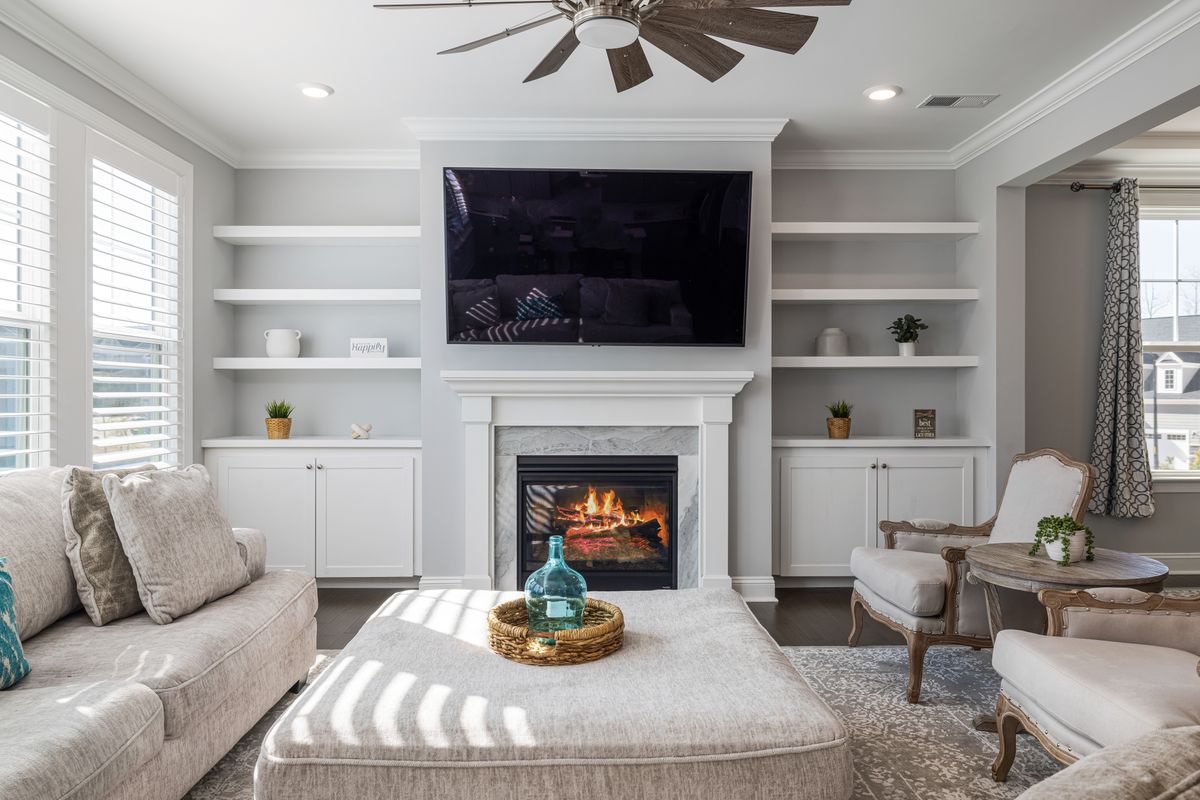
Internal inspiration can also be found in minimalist living room ideas UK, where simplicity and soft tones create a calm, clutter-free environment that feels instantly relaxing.
Small Living Rooms: Making Colour Work in Tight UK Spaces
In many UK cities like London or Bristol, living rooms often come with a challenge—limited space. But colour can completely transform how large or small a room feels. Lighter shades like soft ivory, pale grey, or muted pastel tones help visually expand walls, creating the illusion of openness. A small flat in East London, for instance, can feel twice its size with the right palette and placement of colour. As noted by Brushstrokes Decorators, strategic colour zoning can also help define areas without physical barriers. Picture a compact living room where one wall is slightly deeper toned, subtly separating the seating area from a reading nook. This is where design meets storytelling—colour quietly guides how a space is experienced, not just seen. Even the smallest rooms can feel intentional and thoughtfully designed.
You can explore more layout inspiration in living room lighting ideas around your sofa to enhance depth and atmosphere in compact spaces.
UK Interior Trends 2026: Nature-Inspired Living Spaces
Across the UK, 2026 interior trends are leaning heavily toward nature-inspired palettes that reconnect homes with the outdoors. Think earthy greens, clay browns, soft sand tones, and calming blues that echo the British countryside. This shift reflects a growing desire for wellbeing-focused living, where homes feel like restorative spaces rather than just functional rooms. Designers featured by Sharps UK design trends highlight how homeowners are moving away from stark minimalism toward warmer, grounded environments. Imagine walking into a living room in Leeds where moss green walls are paired with natural oak furniture—it immediately feels balanced and calming, almost like a countryside retreat indoors. This trend isn’t just aesthetic; it’s emotional. It reflects how people want their homes to support mental clarity and relaxation in an increasingly fast-paced world.
Warm Colour Stories: Creating Emotional Depth at Home
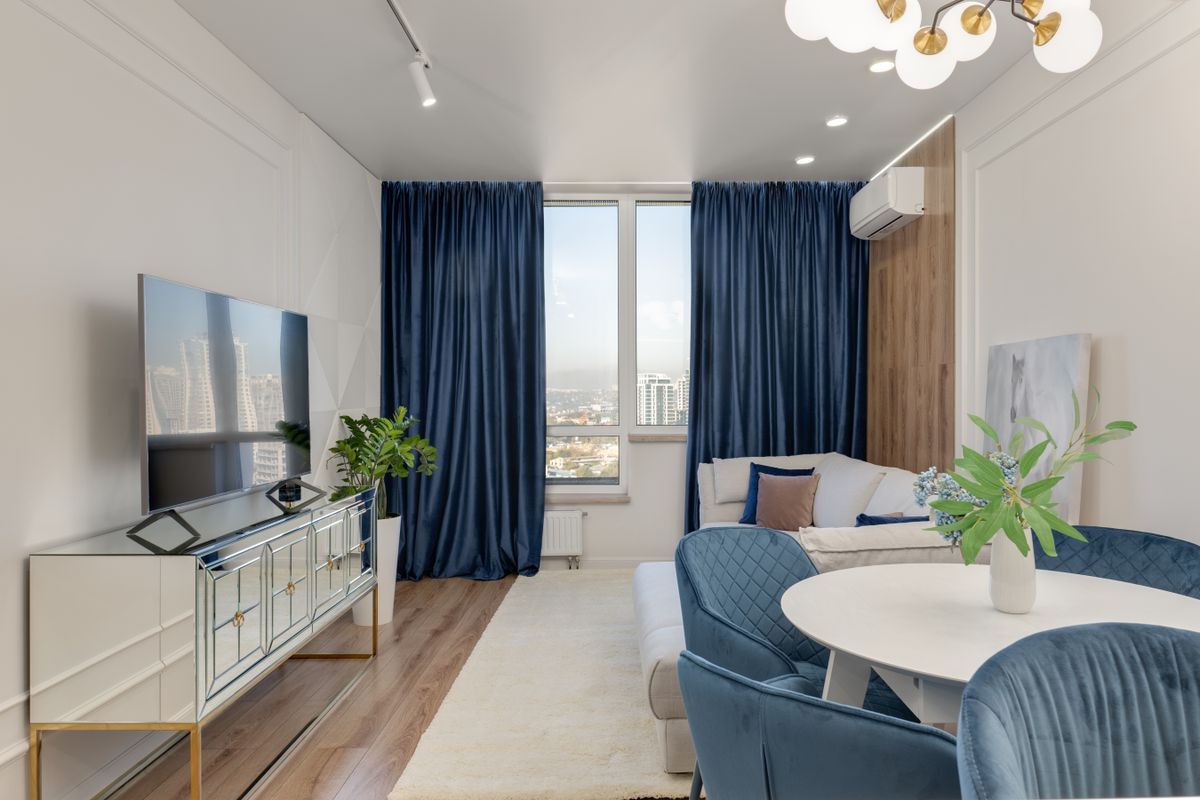
Warm tones have a way of telling stories inside a home. Shades like terracotta, soft amber, dusty rose, and warm beige create spaces that feel lived-in and emotionally rich. These colours often remind people of shared meals, late-night conversations, and quiet winter evenings. According to LuxDeco design insights, warm palettes are becoming increasingly popular for UK interiors because they balance elegance with comfort. Imagine a living room in a Victorian terrace where burnt orange cushions sit against cream walls, and the entire space feels like a gentle embrace after a long day. Warm colours don’t shout—they invite. They make a room feel like it has a memory, even if you’ve just moved in.
Accent Walls and Bold Choices: Adding Personality to UK Homes
Sometimes a room needs a moment of surprise—a wall that stands out just enough to tell a story. Accent walls are a popular choice across UK interiors for homeowners who want personality without overwhelming the entire space. A deep navy wall behind a sofa or a forest green panel in a neutral room can completely shift the atmosphere. As highlighted by professional decorators in the UK, bold colour choices work best when balanced with softer surroundings. Imagine a couple in a Glasgow apartment choosing a rich charcoal accent wall to frame their artwork collection—it instantly becomes a focal point that reflects their personality. Accent colours are not about excess; they’re about intention, adding depth and character in just the right measure.
Lighting and Colour: The Hidden Relationship in UK Homes
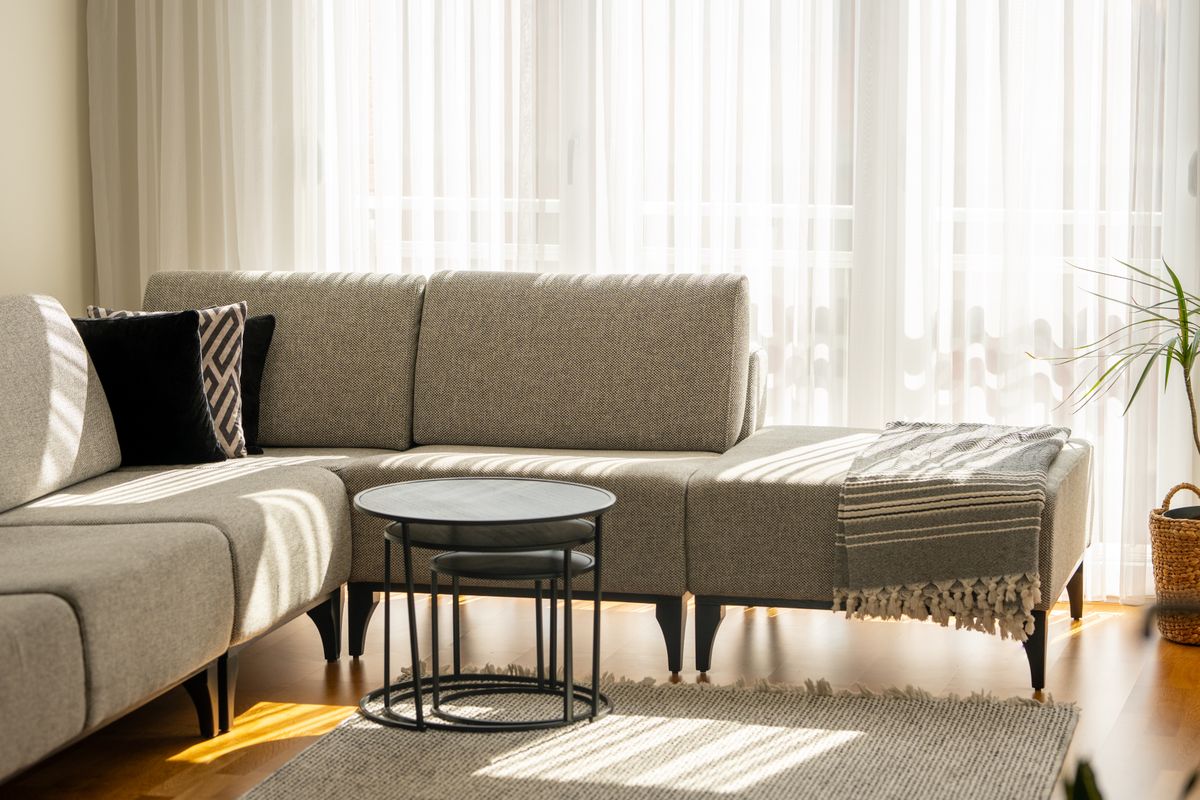
Colour never exists alone—it always interacts with light. In UK homes, where natural light shifts constantly throughout the day, this relationship becomes even more important. A soft grey wall can look warm in morning sunlight but cooler and moodier by evening. That’s why designers often test paint samples in different lighting conditions before committing. According to UK interior lighting insights, combining layered lighting with thoughtful colour choices can completely transform how a room feels throughout the day. Imagine a living room that feels bright and energetic in the morning, then soft and intimate at night—all without changing a single piece of furniture. Lighting and colour together create atmosphere, shaping how a space responds to real life rather than just design theory.
For more inspiration, explore lighting ideas around your sofa to see how illumination enhances colour depth and mood.
Bringing It All Together: Designing a Living Room That Feels Like You
At the heart of every successful design lies one simple truth—your living room should feel like your story. Whether you lean toward soft neutrals, bold accents, or nature-inspired tones, the right colour scheme becomes a reflection of your daily life. The living room colour scheme guide UK isn’t about following strict rules; it’s about understanding how colour shapes emotion, memory, and comfort. Maybe your space becomes a quiet escape after long workdays, or a vibrant hub for family gatherings—either way, colour sets the tone. As trends evolve, what remains constant is the need for homes that feel personal and grounding. When you choose colours with intention and feeling, your living room stops being just a room—it becomes a lived experience.
Explore more ideas at living room reading corner ideas to add personality and warmth to your space.
Author Bio
dailylifestyleguide for uk is a lifestyle and home inspiration platform focused on modern UK living. It shares practical, trend-driven, and easy-to-understand interior ideas for everyday homeowners.
Disclaimer
This article is for informational and inspirational purposes only. Colour preferences, interior results, and design outcomes may vary depending on individual spaces, lighting conditions, and materials used.
FAQs
What is the best living room colour scheme for UK homes?
The best living room colour scheme for UK homes often depends on natural light and room size. Soft neutrals, warm greys, and earthy tones are popular because they adapt well to changing daylight. These shades also create a timeless base that can be updated easily with décor and seasonal accents.
How do I choose a living room colour scheme in the UK?
Start by considering your lifestyle and mood. If you want a calm space, go for muted tones. For energy and personality, consider warmer or bolder shades. The living room colour scheme guide UK approach suggests testing colours in different lighting before finalising your choice.
Are neutral colours still popular in UK living rooms?
Yes, neutral colours remain extremely popular across UK interiors. They provide flexibility, make small rooms feel larger, and allow easy updates through furniture and décor. Neutrals also work well with both modern and traditional British home styles.
What colours make a small UK living room look bigger?
Lighter shades like off-white, pale grey, and soft pastels help reflect light and create the illusion of space. Avoid overly dark tones on all walls, but you can still use accents to add depth without shrinking the room visually.
How do lighting and colour work together in living rooms?
Lighting changes how colours appear throughout the day. Natural light can make colours feel softer, while artificial lighting can warm or cool tones. In UK homes, layered lighting is often used to ensure colours look balanced at all times.
What are trending living room colours in the UK for 2026?
For 2026, UK trends are moving toward earthy greens, warm neutrals, and nature-inspired palettes. These colours reflect a growing desire for calming, wellbeing-focused interiors that connect indoor spaces with the natural world.