
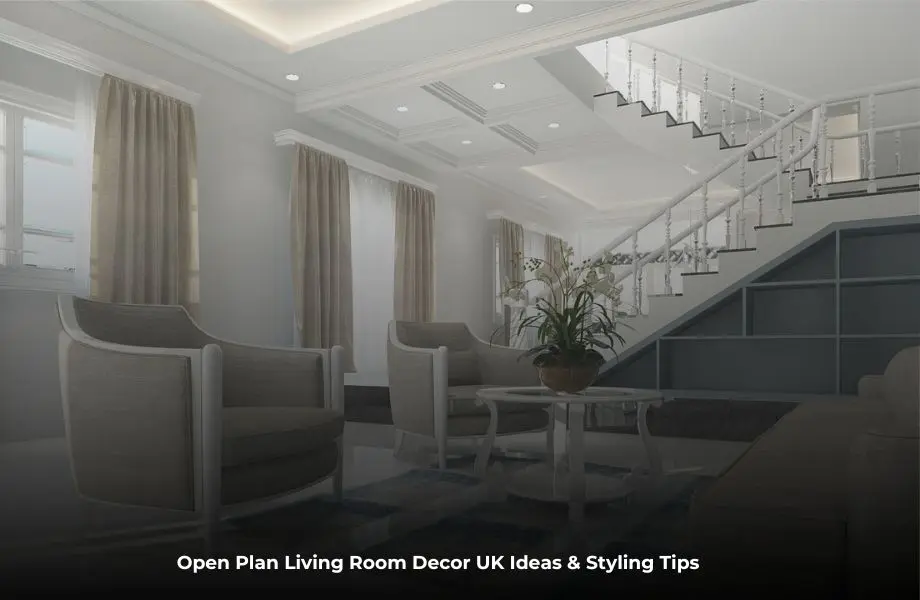

There was a moment, not long ago, when I walked into a tiny city apartment and felt instantly closed in—the sofa felt too close, the walls felt like they were slowly leaning in, and even the light seemed shy. The owner smiled and said, “I just wish I could make my small living room look bigger.” That simple wish is more common than you think. Many homes today, especially in cities, struggle with compact spaces that need to feel open, calm, and inviting. The good news is that with the right design thinking, even the smallest room can feel airy and spacious. In this guide, we’ll explore practical yet beautifully creative ways to transform a tight space into something that feels open, breathable, and full of life.
Turning a Cramped Space into a Calm Retreat
The journey of transforming a small living room often begins with a feeling rather than a design plan—a sense that the space just isn’t working. Imagine walking into a room where every object feels slightly too big, yet somehow perfectly placed in the wrong way. This is where thoughtful design steps in. According to design insights shared by Forbes, spatial perception is deeply influenced by layout clarity and visual balance rather than square footage alone. One homeowner once shared how simply removing a bulky coffee table made their room feel “like it could breathe again.” That emotional shift is what good design is about. By rethinking how you move through the room and what truly needs to stay, you begin to create a living space that doesn’t feel smaller—it feels intentional, calm, and surprisingly open.
Letting Light Do the Heavy Lifting
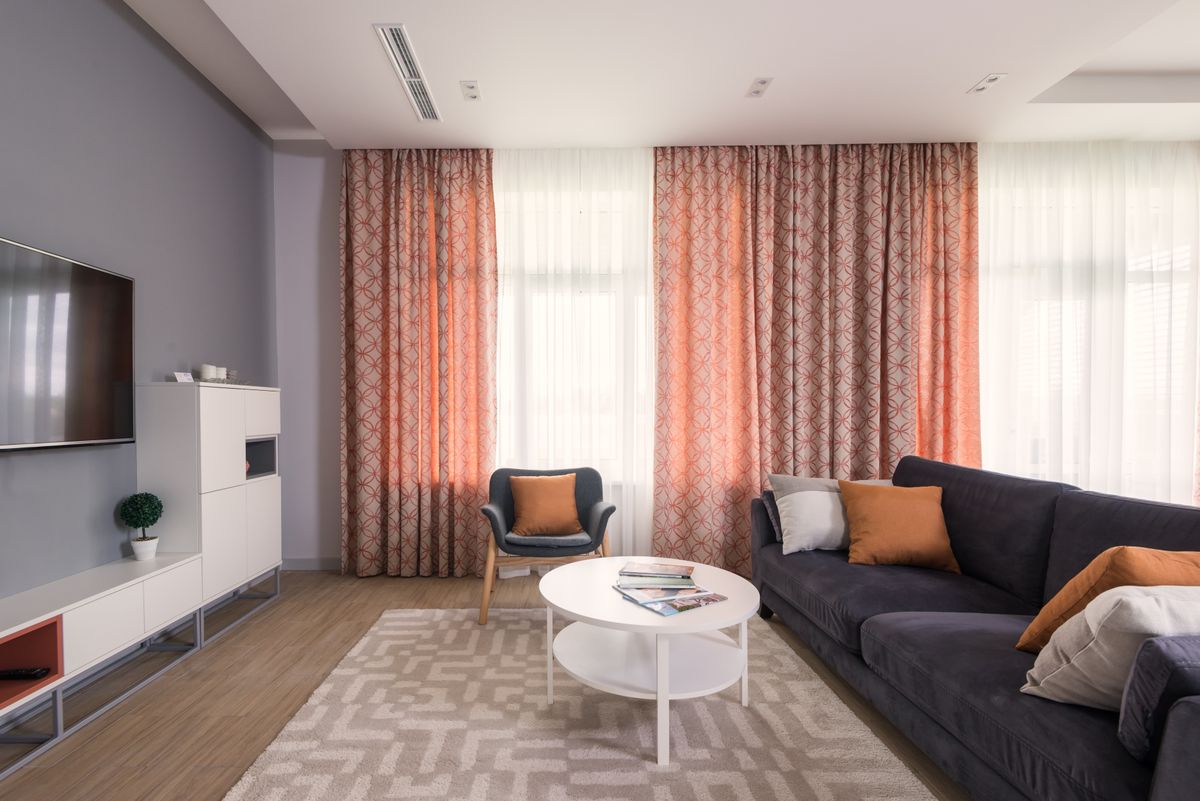
There’s something almost magical about how light can change a room’s personality. A once-dim corner can suddenly feel like part of the main space when natural light is allowed to flow freely. Many interior designers emphasize this transformation, and according to BBC, natural lighting plays a key role in improving both mood and spatial perception in homes. One small apartment owner once swapped heavy curtains for sheer linen panels and described the change as “removing a filter from my life.” That’s the power of light—it doesn’t just brighten a room, it expands it visually. Pairing natural light with strategically placed mirrors across windows or light sources creates depth, making walls feel further apart than they actually are. In small lounge design ideas, this trick is often the simplest yet most effective starting point.
Furniture That Moves With Your Life, Not Against It
In a small living room, furniture can either feel like a friend or a barrier. The difference lies in scale and flexibility. Picture a sofa that feels just right—not oversized, not overwhelming—paired with a coffee table that can be tucked away when needed. This is where space-saving living room furniture becomes essential. As highlighted in research by Statista, demand for multifunctional home furniture has steadily increased as urban living spaces shrink globally. One renter shared how a nesting table set completely changed their lifestyle, allowing them to host friends without permanently sacrificing space. Choosing pieces that serve more than one purpose—like storage ottomans or foldable chairs—creates a rhythm in the room where everything has a role, but nothing dominates.
Layouts That Guide the Eye, Not Block It
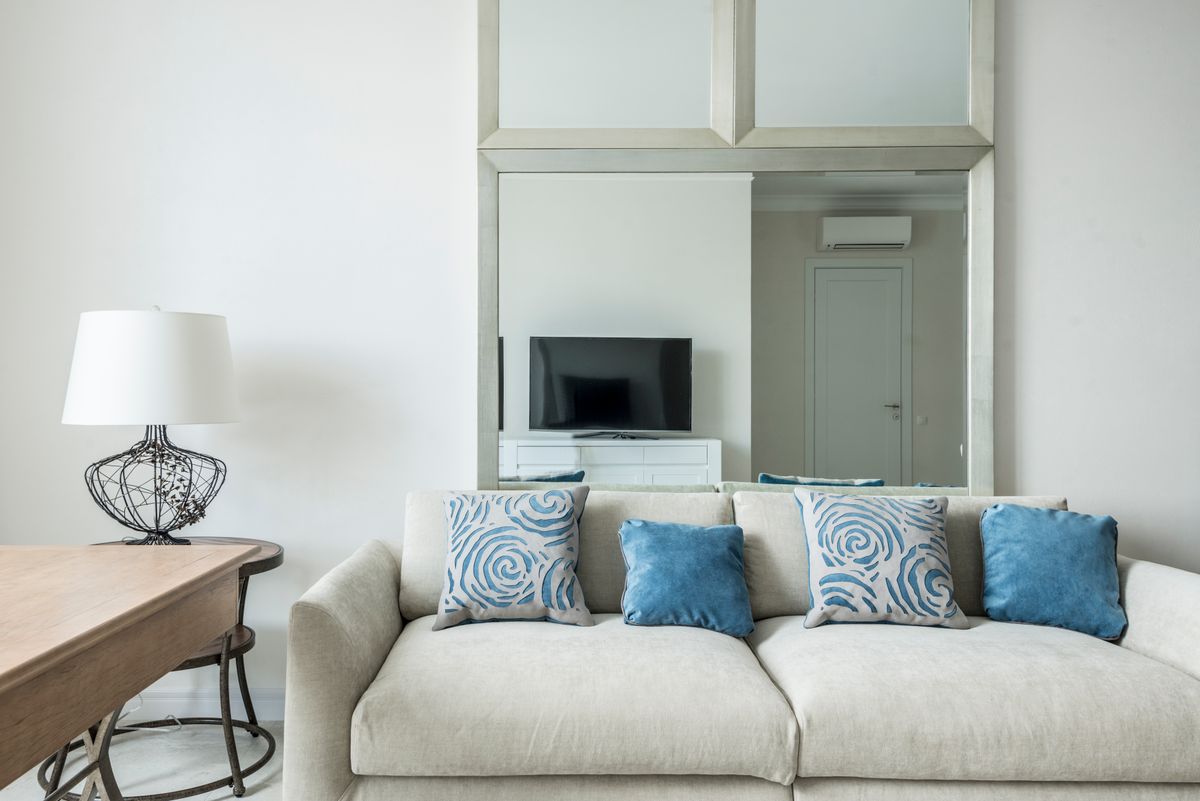
A small living room often feels tight not because of its size, but because of how everything is arranged within it. Think of layout as storytelling—where your eye travels matters just as much as what you place in the room. A tiny lounge layout that keeps walking paths open and avoids blocking sightlines instantly feels larger. One family I spoke with shifted their sofa away from the wall and noticed something surprising: the room suddenly felt “less boxed in.” According to expert insights from Homes & Gardens, floating furniture arrangements can create depth and visual breathing space. When designing, always consider movement—how someone enters, sits, and looks around the room. The goal is not to fill space, but to guide it gently.
Colour Choices That Quietly Expand the Room
Colour has a quiet influence that most people underestimate. Walk into a room painted in soft neutrals, and it often feels larger even before you measure it. Light tones reflect more natural light, making walls visually recede. Many modern small apartment living room decor ideas focus on whites, creams, and muted pastels for this reason. Designers often refer to this as an “optical illusion interior design” technique. A homeowner once painted a deep navy feature wall and balanced it with warm whites elsewhere, describing the result as “depth without heaviness.” It’s not about avoiding colour—it’s about using it with intention so the room feels layered rather than closed.
Lighting Layers That Build Emotional Space
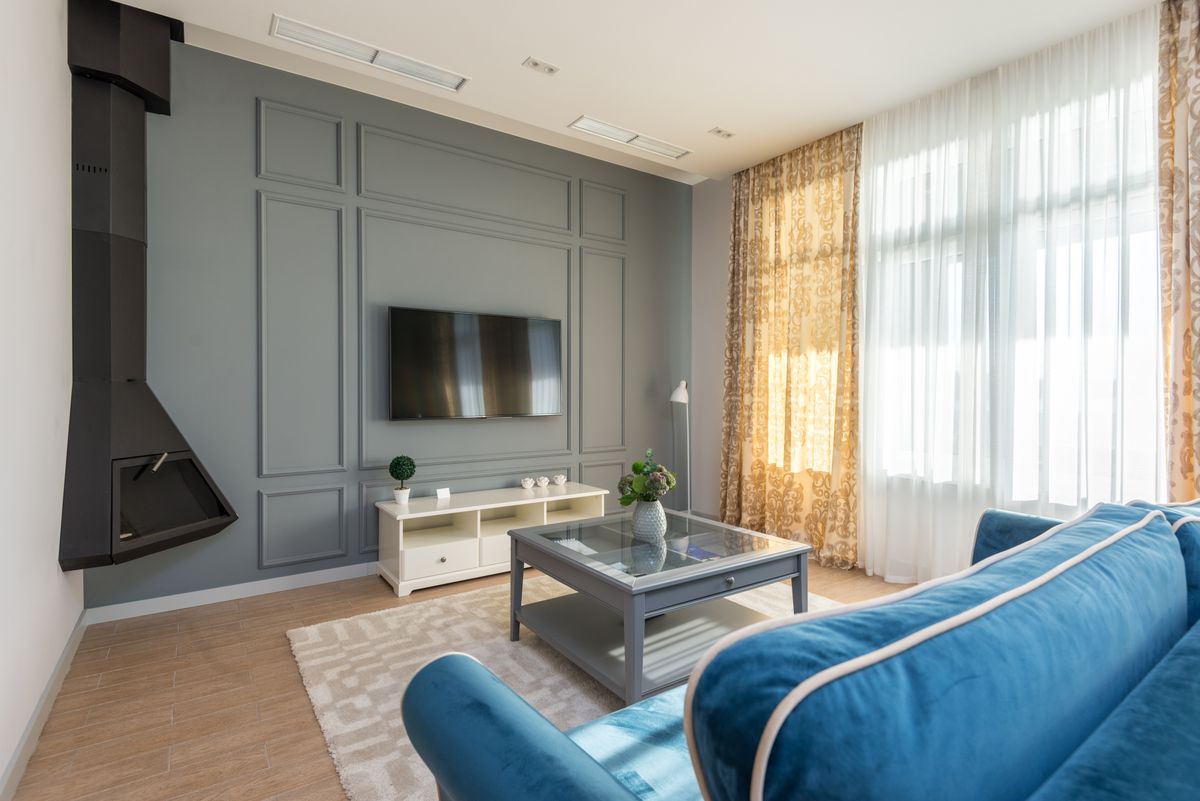
Lighting is never just functional—it shapes emotion. A single ceiling bulb can flatten a room, while layered lighting can completely redefine it. Think of a soft floor lamp glowing near a sofa, paired with warm table lights and subtle ceiling lighting. According to Willow & Hall, layered lighting is one of the most effective ways to make compact spaces feel welcoming and spacious. I once visited a small flat where the owner used warm lighting in corners that were previously ignored. Suddenly, those corners felt like intentional design features rather than empty gaps. For more inspiration, you can explore living room lighting ideas around your sofa to see how lighting placement can transform even the smallest setup.
Minimalism That Feels Like Freedom, Not Restriction
Minimalism often gets misunderstood as emptiness, but in reality, it’s about clarity. A small living room filled with only meaningful pieces feels lighter, both visually and emotionally. One homeowner described decluttering their space as “finally hearing my room again.” Minimalist living room ideas focus on reducing excess while highlighting what truly matters—comfort, function, and personality. Even removing a single unnecessary chair can change how spacious a room feels. If you want deeper inspiration, explore minimalist living room ideas UK to see how simplicity can completely reshape compact interiors.
Creating Zones That Tell Small Stories
Even the smallest living room can have multiple identities if it’s designed thoughtfully. A reading corner tucked near a window, for example, can instantly give the room more purpose and dimension. This approach to small space interior design helps break visual monotony. According to insights from YouStock, dividing a small room into functional zones improves both usability and perceived size. One apartment owner shared how adding a compact armchair and lamp transformed an unused corner into their favorite evening retreat. If you’re exploring similar ideas, living room reading corner ideas can help you design a cozy yet space-efficient nook.
Finishing Touches That Create Optical Depth
The final layer of design often comes from the smallest details—mirrors, textures, and carefully chosen décor. Mirrors reflect not just light but perspective, making walls feel further apart. Soft rugs can define areas without closing them in. Even artwork placement can influence how spacious a room feels. Many modern small living room ideas rely on subtle optical illusion interior design techniques to enhance depth without adding clutter. One designer once said, “A small room is never about limitation; it’s about suggestion.” When you combine these finishing touches thoughtfully, the room begins to feel less like a box and more like a curated experience.
Conclusion: Small Spaces That Feel Surprisingly Big
At its heart, learning how to make a small living room look bigger is not about tricks—it’s about understanding how space, light, and emotion work together. From smart furniture choices and layered lighting to mindful decluttering and thoughtful colour use, every decision shapes how the room feels. What once felt tight and limiting can become open, warm, and deeply personal. The real transformation happens when you stop seeing size as a restriction and start seeing it as an opportunity for creativity. With the right balance, even the smallest living room can feel like the most comforting place in your home.
Author Bio
Dailylifestyleguide UK is a lifestyle-focused platform dedicated to sharing practical home improvement, interior design, and everyday living ideas. The content is created to help readers in the UK and beyond make smarter, more stylish, and functional lifestyle choices with simple, easy-to-follow guidance.
Disclaimer
This article is for informational purposes only. While every effort is made to ensure accuracy and usefulness, readers should consider their personal needs and preferences before making design or lifestyle decisions.
FAQs
What is the easiest way to make a small living room look bigger?
The easiest way is to maximise natural light and reduce visual clutter. Light colours, simple furniture, and open layouts instantly create a more spacious feel. Adding mirrors also helps reflect light and expand the room visually without structural changes.
How do you decorate a small living room without making it crowded?
Focus on fewer but meaningful décor pieces. Choose slim furniture, avoid heavy patterns, and keep surfaces clear. This helps maintain flow while still adding personality to the space.
Does lighting really make a small room look bigger?
Yes, lighting plays a major role. Layered lighting with lamps, soft ceiling lights, and natural daylight can remove shadows that make rooms feel smaller, creating depth and openness.
What colours make a small living room look bigger?
Light shades like white, cream, soft grey, and pastel tones work best. These colours reflect more light and visually push walls outward, making the room feel more open.
Are mirrors effective in small living room design?
Absolutely. Mirrors create an illusion of depth and reflect both natural and artificial light. When placed strategically, they can make a compact room feel almost double in size.