
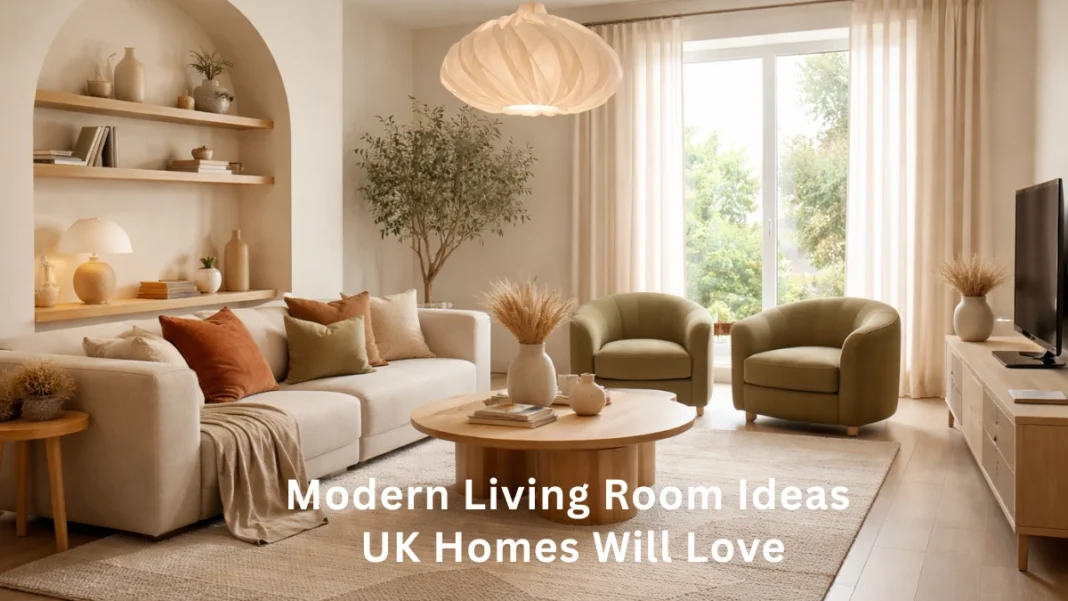

It starts on a quiet Sunday morning in a typical UK home. The kettle is boiling, light is slipping through the curtains, and the living room suddenly feels different — not broken, not outdated, just quietly ready for change. You notice the sofa feels less inviting than it used to, the colours seem slightly colder, and the space that once felt “good enough” now feels like it needs warmth, softness, and personality. This is where modern living room ideas 2026 begin — not in luxury showrooms, but in everyday British homes where life actually happens. Across the UK, people are slowly reshaping their spaces with warmer tones, softer furniture, and layouts that finally match how they live today. And without even realising it, you start seeing your own home differently too — not as something to replace, but something to gently evolve.
A Shift Toward Warmer Colour Stories
There’s a quiet moment when a room stops feeling wrong and starts feeling emotionally unfinished. That’s usually when colour becomes the first change. According to House & Garden, natural and layered interiors are becoming central to modern UK design. Cool greys are fading, replaced by clay, olive, warm beige, and soft earthy tones that feel more human in everyday light.
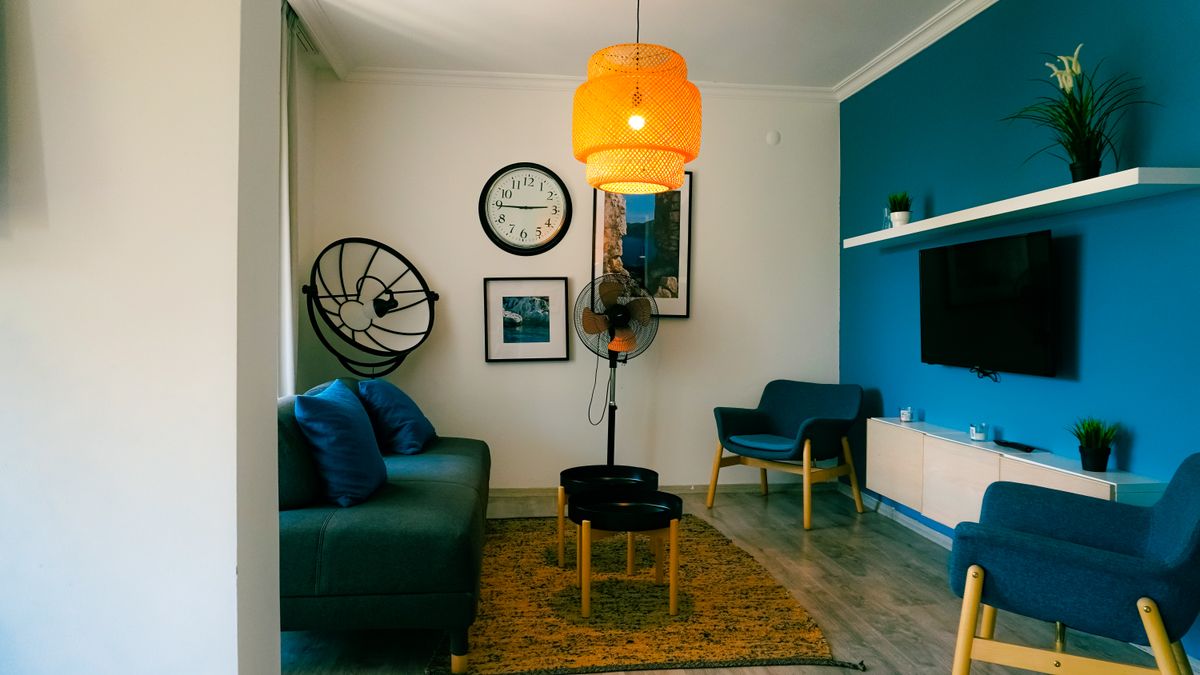
If you’re already thinking about seasonal comfort, our guide on cosy living room ideas for winter UK shows how small colour shifts can instantly change mood without repainting everything.
Furniture That Feels Softer and More Human
Walk into a modern UK living room today and you’ll notice something subtle — fewer sharp edges, more curves, and a softer visual rhythm. As highlighted by Sharps, curved furniture is becoming a defining feature of contemporary interiors because it improves flow and comfort, especially in smaller spaces.
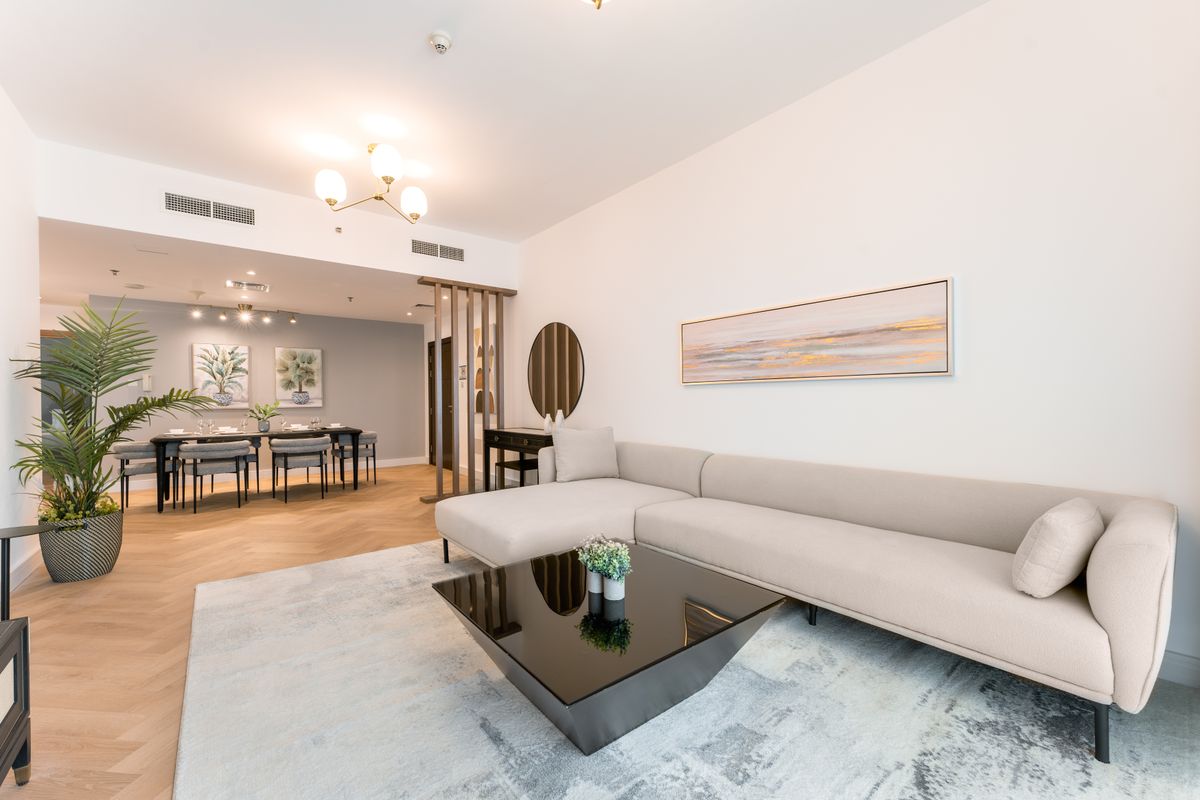
Rounded sofas and oval coffee tables don’t just look different — they change how you move through a room, making it feel less structured and more natural.
Comfort Now Defines Modern Living
There’s a clear shift happening in UK homes — style alone is no longer enough. Comfort is now the priority. According to DIY.com, modern interiors are increasingly designed around real-life use, not staged perfection.
This is where deep sofas, layered textiles, and warm lighting come in — not to impress, but to support everyday living, from lazy evenings to busy weekends.
Living Rooms That Quietly Do More
In many UK homes, the living room now works as everything at once — office, cinema, reading space, and family hub. That’s why flexibility has become essential.
You can explore practical space-saving setups in our small living room TV unit ideas UK, which show how to keep entertainment areas clean, functional, and visually light.
The goal is simple: less clutter, more purpose.
Walls That Speak Through Texture
Instead of bold patterns, UK homes are embracing subtle texture. Limewash paint, plaster finishes, and soft wood panelling are becoming more popular because they react gently with light throughout the day.
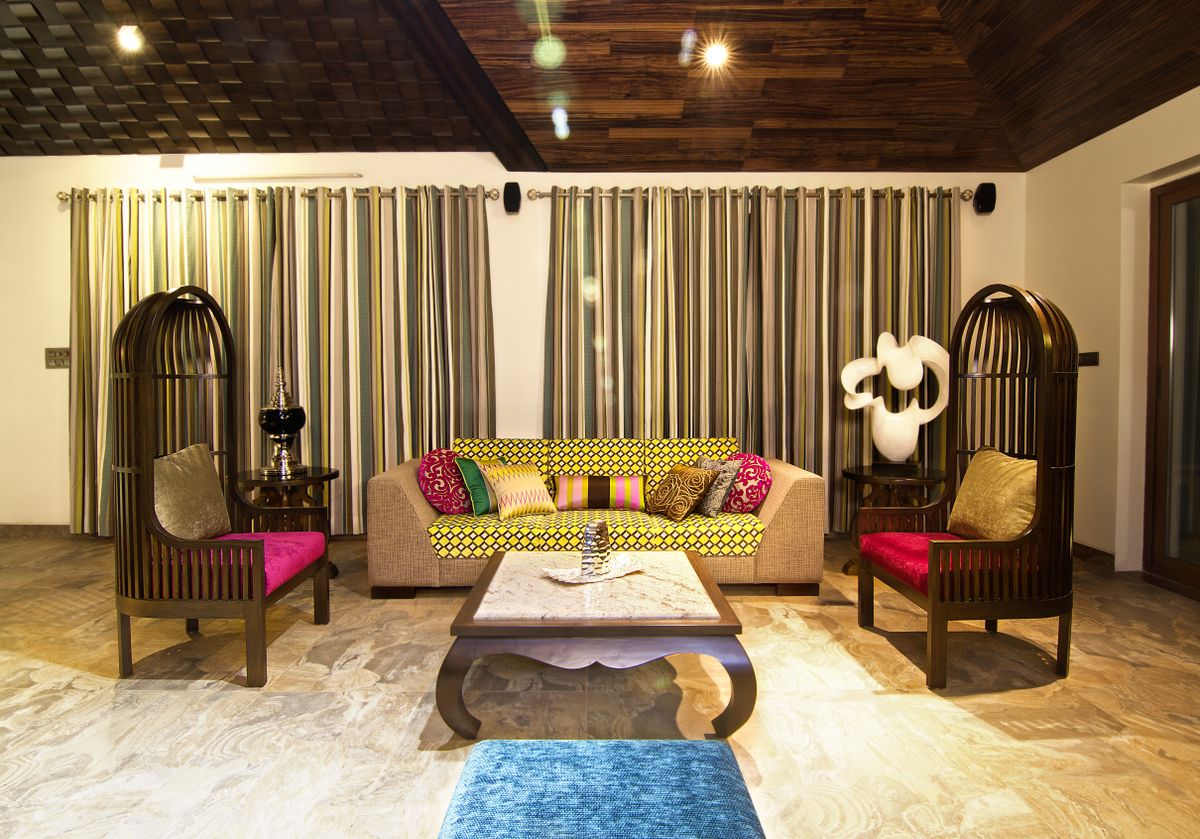
These finishes create depth without overwhelming small spaces, making rooms feel calmer and more grounded.
Lighting That Shapes the Mood of a Home
Lighting is no longer background design — it’s emotional design. As explained by Elle Decor, layered lighting is now essential in modern interiors because it defines atmosphere.
Warm floor lamps, table lights, and soft wall fixtures work together to turn a simple living room into a cosy evening retreat, especially during darker UK seasons.
For more focused ideas, our small living room lighting ideas UK guide explains how to maximise light in compact spaces.
Nature Quietly Returning Indoors
Homes are slowly becoming more natural again. Wood, linen, plants, and woven textures are finding their way back into everyday interiors. This isn’t about turning homes into greenhouses — it’s about adding balance and calm.
Even one plant in the corner or a wooden accent table can completely soften a modern space.
Personal Spaces That Tell Your Story
More homeowners are moving away from generic décor and creating spaces that reflect real memories and identity. Gallery walls, personal photos, and meaningful objects are becoming central to modern interiors.
For inspiration, explore our small living room wall decor ideas UK, which shows how even small walls can carry personality.
Mixing Old and New for Depth
Modern interiors are no longer about matching everything perfectly. Instead, mixing vintage and modern pieces is becoming a key design approach. A contemporary sofa next to an older wooden table adds contrast and character, making a room feel lived-in rather than staged.
This blend creates homes that feel like they’ve grown over time — not been built in a day.
Conclusion: Homes That Finally Feel Like You
Modern living room ideas 2026 are not about perfection or trends — they are about feeling. Across the UK, homes are becoming warmer, softer, and more personal, shaped by comfort, texture, and real everyday life. Whether it’s a lighting change, a new layout, or just a few thoughtful details, every small shift helps a room feel more like home. And in the end, that’s what matters most — not how a space looks in photos, but how it feels when you walk into it at the end of the day.
Layouts That Make a Modern Living Room Work
Modern living rooms fail more often on layout than on decoration. The furniture can be beautiful and the colours right, and the room will still feel wrong if people cannot talk to each other or walk through without turning sideways.
Start by deciding what the room is actually pointed at. In most British homes it is either the television, a fireplace, or a window with a decent view, and trying to serve all three at once is what produces the awkward diagonal sofa. Pick one, arrange the main seating around it, and let the others be secondary.
Then check the walkway. You want roughly 75cm of clear route through the room and about 40cm between the sofa and the coffee table, which is close enough to reach a mug without leaning. If a layout fails those two numbers, no amount of styling will rescue it.
Finally, resist filling the corners. Modern rooms read as calm partly because they leave some space empty. One deliberately quiet corner does more for the look than a plant stand, a floor lamp and a magazine rack competing in the same spot.
Lighting a Modern Living Room in Three Layers
A single ceiling pendant is the fastest way to make a well-designed room look flat. Modern lighting works in layers, and the useful way to think about it is ambient, task and accent.
- Ambient is the general wash, usually the ceiling fitting. Keep it dimmable and treat it as the light you use while cleaning rather than while relaxing.
- Task is light for a specific job: a floor lamp beside the reading chair, a table lamp next to the sofa. This is the layer most living rooms are short of.
- Accent is what gives the room depth: a picture light, a lamp on a shelf, a strip under a floating unit. It is decorative, and it is what makes a room look considered in the evening.
Warm white bulbs around 2700K suit a living room; anything cooler starts to feel like an office. Putting the lamps on a single smart plug or a remote socket means you can switch the whole evening scheme on at once, which is the difference between using the layers and leaving the big light on out of habit.
Modern Living Room Mistakes Worth Avoiding
The first is matching everything. A three-piece suite in one fabric, with a coffee table and side tables from the same range, reads as a showroom set rather than a room someone lives in. Modern schemes work better when one or two pieces are deliberately different in material or age.
The second is a rug that is too small. A rug that only touches the coffee table makes the seating look like it is floating. As a rule, the front legs of the main seating should sit on the rug; if that is not possible, go one size up rather than down.
The third is hanging art too high. Picture centres want to sit at roughly eye level, about 145–150cm from the floor, and above a sofa the gap between the sofa back and the bottom of the frame should be around 15–25cm. Art floating near the ceiling is one of the most common reasons a carefully chosen room still feels unresolved.
The fourth is treating the television as something to hide. Modern rooms handle it better by accepting it: mount it at seated eye level, keep the wall around it simple, and run the cables inside the wall or a trunking strip rather than building an elaborate cabinet that dates faster than the screen does.