


It usually happens on an ordinary evening. You come home, drop your bag, and sit down without thinking. The room is quiet, the TV might be on in the background, and your body finally slows down after a long day. For years, this moment feels the same — familiar, predictable, almost invisible. Then one day, something small changes your perspective. Maybe you sit on a recliner at a friend’s house, or in a showroom where someone shows you a button that lifts your legs effortlessly. Suddenly, your own sofa feels different. Not uncomfortable exactly, just limited. That is often where the recliner sofa vs regular sofa question begins — not as a purchase decision, but as a feeling.
Introduction: The Evening That Makes You Notice Your Sofa
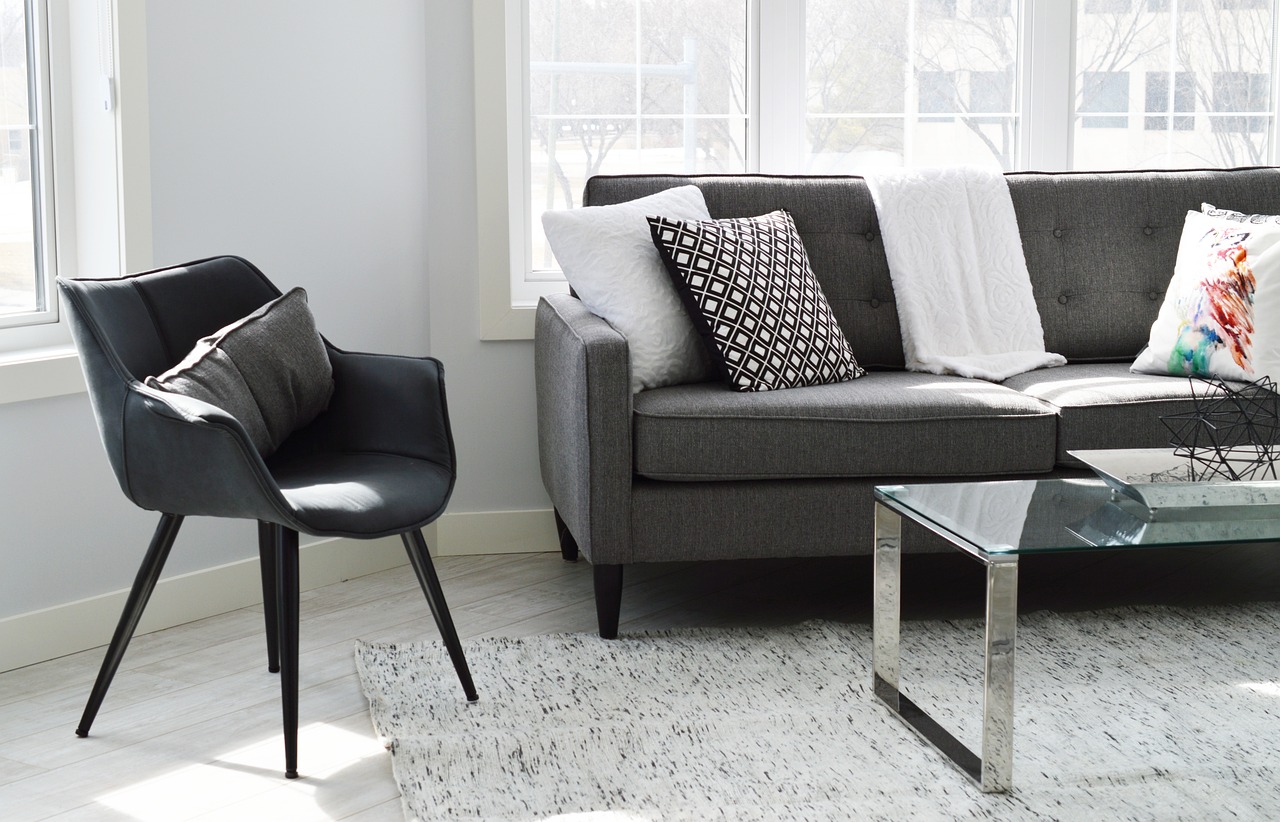
A warm UK living room showing the idea behind recliner sofa vs regular sofa

Image source: pixaby
A quiet comparison between how you sit now and how you could sit. In many UK homes where space is tight and evenings are precious, this decision becomes surprisingly personal. It is no longer just about furniture. It is about how you end your day, how you rest, and how your home supports those small but important moments of pause that define everyday life.
What’s the Real Difference Between Recliner and Regular Sofas?
The difference between these two sofas is not just physical, it is emotional in how they shape your routine. A regular sofa stays fixed, offering steady comfort without movement or adjustment. It becomes part of the room’s background, always ready, never changing. A recliner sofa, on the other hand, reacts to you. It shifts, tilts, and supports your body in ways that feel more personal. According to insights discussed by Chesterfield Sofas, recliners are designed to prioritise relaxation through movement and ergonomic support, while regular sofas focus more on structure and versatility. In real life, this difference shows up in small moments — stretching your legs after dinner, leaning back during a film, or simply sitting upright with no adjustment needed. One sofa adapts to your body, the other lets your body adapt to it. In UK homes where living rooms often serve multiple purposes, this distinction becomes important. It influences not just comfort, but how naturally you settle into your space every single day.
| Recliner sofa | Regular sofa | |
|---|---|---|
| Movement | Adjusts, so posture changes without effort | Fixed, steady comfort |
| Space needed | Needs clearance behind or in front to recline | Sits flush against a wall |
| Effect on the room | Visually heavier, becomes a focal point | Sits back into the room |
| Moving parts | Mechanisms and, on electric models, motors | Few or none |
| Long-term durability | More that can wear out | Tends to last longer structurally |
| Cost | Higher — mechanisms, motors and extra structure | More affordable, wider budget range |
| Family and pets | More to go wrong with daily rough use | Simplicity becomes an advantage |
Comfort: The Moment Your Body Decides for You

Evening relaxation showing comfort difference in recliner sofa vs regular sofa
Image source: pixaby
Comfort is often the reason people start reconsidering their sofa in the first place. A regular sofa can feel perfectly fine until you experience something more supportive. Sitting on a recliner feels different because your posture changes without effort. Your legs lift, your back relaxes, and the pressure on your lower body reduces almost instantly. As highlighted by Fabb Furniture, recliners are often chosen for their ability to support long sitting hours, especially for TV viewing and relaxation after work. In everyday UK life, this becomes noticeable during long evenings when the sofa is used more than any other piece of furniture in the house. A regular sofa still offers comfort, especially with good cushioning, but it does not actively adjust to you. It waits for you to find comfort within it. A recliner does the opposite — it reshapes comfort around your body. That difference is subtle at first, but over time, it changes what “relaxing at home” actually feels like.
Space and Layout: The Quiet Reality of UK Living Rooms
Space is where theory meets reality in the recliner sofa vs regular sofa decision. Many UK homes, especially terraces and flats, have living rooms that require careful planning. A recliner needs room to move. The back leans, the footrest extends, and suddenly the layout becomes part of the decision. A regular sofa does not ask for any of that. It simply fits in place and stays there. This difference becomes especially important when you start measuring real spaces instead of imagining them. In some homes, even a few extra centimetres determine whether a recliner is practical or not. That is why layout planning matters as much as comfort. Our guide on best furniture layout for small living rooms UK explores how placement affects movement and balance in compact spaces. In real life, people often discover that the sofa they love in a showroom does not always love their living room back in the same way.
Layout and Visual Feel: How a Sofa Changes the Room

How recliner sofa vs regular sofa changes interior design and room feel
Image source: pixaby
Once a sofa enters your home, it changes more than just seating. It changes how the room feels when you walk into it. A recliner tends to feel heavier visually, creating a strong focal point in the space. A regular sofa often feels lighter and more adaptable, blending into different interior styles without drawing too much attention. As noted in Darlings of Chelsea, modern recliner designs have become more refined, but they still tend to prioritise function over minimal aesthetics. In everyday homes, this becomes clear when you rearrange furniture or add new elements to the room. A regular sofa gives you more freedom to change things around, while a recliner often defines the layout around it. This is not necessarily good or bad — it simply reflects different priorities. Some people want a sofa that stands out and defines comfort visually, while others prefer something that quietly supports the space without changing its personality.
Types of Recliners You Actually See in Real Homes
Recliners are not all the same, and this is something many people only realise when they start exploring options seriously. There are wall-hugger designs that are made for tighter spaces, allowing movement without needing large clearance. There are also lift recliners, which support people who need help standing up, often used in more practical or medical contexts. Then there are standard push-back and powered recliners, which focus purely on comfort and ease of use. In real UK homes, wall-hugger models are especially popular because they fit better into compact living rooms without requiring major layout changes. This variety means the recliner sofa vs regular sofa decision is not always a straight comparison. It is also about choosing the right type of recliner for your specific space and lifestyle. What feels bulky in one home can feel perfectly natural in another, depending on how the room is used day to day.
Manual vs Electric Recliners: A Small Choice That Changes Daily Use
The difference between manual and electric recliners often becomes clear only after using them. A manual recliner responds to your body. You lean back or pull a lever, and the seat adjusts with mechanical resistance. It feels simple and reliable. An electric recliner, however, changes the experience entirely. With a button press, the motion becomes smooth and effortless. There is no physical push required, just a quiet shift in position. In many UK homes where convenience matters after long working hours, electric models feel more modern and comfortable. However, they also require access to power sockets, which can influence placement. This small detail often becomes a deciding factor in real living rooms. It is not just about comfort, but about how easily that comfort fits into your daily routine without adding extra planning or restrictions.
Fabric vs Leather: The Material That Shapes Everyday Living
Material choice quietly influences how a sofa feels long after the purchase moment. Fabric sofas feel soft, warm, and welcoming, making them popular in family homes where comfort and relaxation matter most. Leather sofas feel cooler, easier to clean, and more structured, often chosen for their premium appearance and practicality. This becomes especially important when considering how a sofa will be used daily. Our guide on how to clean a fabric sofa at home shows how maintenance can vary significantly depending on material choice. In real homes, spills, pets, and everyday use quickly reveal which material suits your lifestyle better. Fabric often wins for comfort, while leather often wins for ease of maintenance. Neither is perfect for everyone, but both create very different living experiences over time.
Durability and Long-Term Use: What Really Lasts
Every sofa eventually becomes part of daily life rather than a new purchase. Over time, durability becomes more important than appearance. Regular sofas tend to last longer in structure because they have fewer moving parts. Recliners, while durable when well made, include mechanisms that may require occasional maintenance. This is where quality becomes essential. As explained in our how long should a sofa last guide, lifespan depends heavily on build quality and usage habits. In real homes, sofas are not treated gently — they are used every day, by different people, in different ways. That daily use is what ultimately defines how long they last, not just their design or category.
Cost: The Investment Behind Comfort
Price often becomes the final deciding factor in the recliner sofa vs regular sofa decision. Recliners generally cost more because of their mechanisms, motors, and additional structure. Regular sofas are usually more affordable and offer wider budget flexibility. This makes them easier to choose for first homes or changing lifestyles. However, cost is not just about the purchase moment. It is also about long-term value and how often the furniture is used. A sofa used daily for relaxation may justify a higher investment, while a more flexible seating option may not need that level of expense. In real life, people often balance budget with how central the sofa is to their daily routine.
Family Life, Pets, and Everyday Reality
Homes are rarely static environments. Children jump on sofas, pets climb onto cushions, and everyday life leaves its mark. In these situations, simplicity often becomes valuable. Regular sofas are easier to manage because they have fewer mechanical parts. Recliners require more careful use, especially in busy households. Our pet friendly sofa UK guide explains how material and design choices can make a big difference in durability and cleaning. In real homes, the best sofa is not always the most comfortable one in theory, but the one that survives daily life without constant worry.
Final Thoughts: What Your Sofa Choice Really Says About Your Home
At the end of the day, the recliner sofa vs regular sofa decision is really about how you want your home to feel when everything slows down. A recliner creates moments of pause that feel intentional, almost like your body is being invited to rest. A regular sofa offers quiet consistency, fitting into life without changing how you move through your space. Both are valid, and both serve different versions of comfort. The right choice is the one that matches your routine, your space, and your idea of relaxation. Because in the end, a sofa is not just where you sit — it is where your day settles before it ends.
FAQs
What is the main difference between recliner and regular sofas?
The main difference is movement. Recliners adjust to your body position, while regular sofas remain fixed. This affects comfort, space use, and daily lifestyle experience in your living room.
Are recliner sofas suitable for small UK homes?
They can be, but only if you choose compact or wall-hugger designs. Small UK living rooms often require careful measurement to ensure full reclining space is available.
Do recliner sofas last as long as regular sofas?
Regular sofas often last longer structurally because they have fewer mechanical parts. Recliners can last many years too, but may require occasional maintenance depending on usage.
Which sofa is better for everyday family use?
Regular sofas are often more practical for busy households because they are easier to maintain and handle. However, recliners offer higher comfort for relaxation-focused use.
Is a recliner sofa worth the extra cost?
It depends on how often you use it for relaxation. If your sofa is central to your daily comfort, the extra investment can feel worthwhile over time.