
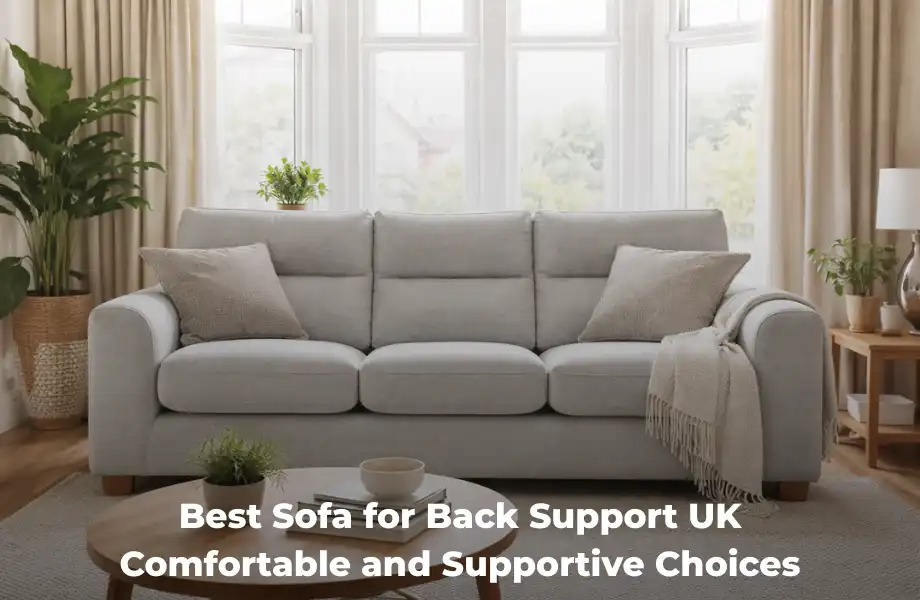

Not all sofas are created equal. Some look stunning in the showroom but leave you shifting uncomfortably after twenty minutes. Others feel soft at first but offer no real support during a long evening of telly. If you’ve ever stood up with a stiff lower back and thought, “This can’t be right,” you’re probably searching for the best sofa for back support UK homes can rely on.
In Britain, our living rooms aren’t just for show. They’re where we unwind after work, work from home on rainy afternoons, host family gatherings, and settle in for long winter evenings. Comfort isn’t optional — it’s essential.
Let’s explore what truly makes a sofa supportive, what to avoid, and how to choose one that feels good now and still feels good five years down the line.
Why Back Support Matters More Than You Think
Back discomfort often creeps in gradually. You might blame long office hours or poor posture, but your sofa could be contributing more than you realise.
A supportive sofa:
- Keeps your spine aligned
- Prevents lower back strain
- Reduces pressure on hips
- Encourages upright but relaxed sitting
In smaller UK lounges — especially in terraced houses or flats — sofas are often compact. This can mean shallow seats or overly soft cushions that cause slouching.
If you regularly sink too deeply or feel your lower back unsupported, your current sofa design may not suit your body.
What Makes the Best Sofa for Back Support UK Buyers Should Look For?
1. Firm but Not Hard Cushions
The biggest myth? Softer equals more comfortable.
While plush sofas feel cosy at first, they often lack structural support. The best sofa for back support UK households choose typically features medium-to-firm, high-density foam cushions.
Here’s a quick guide:
| Cushion Type | Support Level | Best For | Not Ideal For |
| Soft fibre fill | Low | Casual lounging | Long sitting |
| Medium-density foam | Balanced | Everyday comfort | Very firm preference |
| High-density foam | Strong | Back support needs | Those who prefer sink-in feel |
Medium to high-density foam provides consistent support without feeling rigid.
If your current sofa feels saggy, reading our guide on fixing sagging sofa cushions might help before upgrading.
2. Proper Seat Depth
Seat depth is often overlooked.
If the seat is too deep, you’ll slump. Too shallow, and you’ll feel perched forward.
For most adults, a seat depth between 50–60 cm offers balanced comfort. In compact UK living rooms, especially rented flats, sofas can sometimes be smaller than ideal — so always check measurements before buying.
3. Supportive Back Cushions
High, structured backrests support your upper spine and shoulders better than low-profile designs.
Trendy low-back sofas look stylish, particularly in minimalist interiors, but they’re not ideal for extended sitting.
If back pain is already an issue, look for:
- Fixed back cushions (less shifting)
- Built-in lumbar support
- Slightly angled backrests
Ergonomic Sofa Design: What It Really Means
The term ergonomic sofa design gets used a lot, but what does it actually involve?
An ergonomic sofa:
- Encourages natural spinal alignment
- Distributes body weight evenly
- Prevents pressure points
- Supports both upright and relaxed positions
In UK homes where sofas double as workspace seating, ergonomic design becomes even more important.
Look for sofas with slightly firmer seat cores and supportive back padding rather than purely decorative scatter cushions.
Leather vs Fabric: Which Is Better for Back Support?
Support mostly comes from structure, not upholstery — but material does affect comfort.
| Feature | Leather | Fabric |
| Firmness feel | Slightly firmer | Varies widely |
| Temperature in winter | Cooler initially | Warmer feel |
| Durability | High with care | Moderate to high |
| Maintenance | Needs conditioning | Easier spot cleaning |
Leather tends to feel firmer because it doesn’t stretch as much as fabric. If you prefer structured seating, leather may suit you — provided you follow proper leather sofa care tips to maintain flexibility.
Fabric, on the other hand, offers more texture variety and can feel warmer during cold UK evenings.
Sofa for Lower Back Pain: Features to Prioritise
If you’re specifically looking for a sofa for lower back pain, focus on:
- Medium-firm seat cushions
- Proper lumbar curve support
- Not too deep seat base
- Stable frame construction
Avoid overly soft, low-profile designs.
In many UK family homes, large corner sofas are popular. They’re great for space usage but sometimes lack consistent support across sections. Always sit in different areas before deciding.
Frame Construction and Long-Term Comfort
Even the best cushions won’t help if the frame is weak.
Hardwood frames, strong corner joints, and quality suspension systems (like serpentine springs) maintain support over time.
If your current sofa feels uneven or creaks, it may be nearing the end of its sofa lifespan in the UK.
Investing in quality construction often means better comfort for longer.
Budget vs Premium: Does Spending More Guarantee Support?
Not always — but it often helps.
| Category | Typical Price | Support Quality | Longevity |
| Budget (£300–£600) | Basic foam | Moderate | 3–5 years |
| Mid-range (£700–£1200) | Higher-density foam | Strong | 5–8 years |
| Premium (£1500+) | Advanced support systems | Excellent | 8–15 years |
Mid-range sofas from retailers like DFS or John Lewis often strike the best balance for UK households seeking comfort without luxury pricing.
However, always test before buying. Comfort is personal.
Layout and Posture: It’s Not Just the Sofa
Even the most supportive sofa won’t fix poor posture habits.
Simple adjustments improve comfort:
- Sit with feet flat on the floor
- Avoid leaning heavily to one side
- Use a small lumbar cushion if needed
- Keep the sofa positioned away from harsh radiator heat
In compact lounges, pushing a sofa tight against a wall may limit leg space. Leaving a few centimetres for airflow improves both comfort and material longevity.
Testing a Sofa Properly in Store
When shopping for the best sofa for back support UK, don’t just sit for 30 seconds.
Try this:
- Sit upright for a few minutes.
- Lean back naturally.
- Shift slightly to test stability.
- Notice whether your lower back feels supported.
If you feel yourself sliding forward or sinking too deeply, it may not be the right choice.
Let’s be honest — comfort matters more than showroom style.
Final Thoughts
Choosing the best sofa for back support UK living rooms deserve isn’t about chasing trends. It’s about balance — firmness, depth, lumbar support and strong construction.
A supportive sofa improves posture, reduces strain and makes daily relaxation genuinely restorative.
Whether you live in a compact city flat or a spacious semi-detached home, prioritise structure over softness. Test carefully. Choose wisely.
Your back will thank you every evening.
FAQs
1. What type of sofa is best for back support?
Medium to high-density foam sofas with structured backrests provide the best support for most people.
2. Is a firm sofa better for your back?
Generally, yes. A firm sofa helps maintain spinal alignment and prevents sinking.
3. What seat depth is ideal for back support?
A seat depth between 50–60 cm suits most adults and encourages balanced posture.
4. Is leather or fabric better for back comfort?
Support comes from structure rather than material, but leather often feels firmer while fabric offers more variety.
5. Can a sofa cause lower back pain?
Yes. Sofas that are too soft, too deep, or poorly structured can contribute to discomfort over time.
Author Bio
The Editorial Team at Daily Lifestyle Guide shares practical, UK-focused home advice designed to help readers choose furniture that supports comfort, durability and everyday living.
Disclaimer
This article provides general guidance only. Comfort preferences and medical needs vary. For ongoing back pain, consult a healthcare professional. Contact us for updates, corrections or suggestions.