
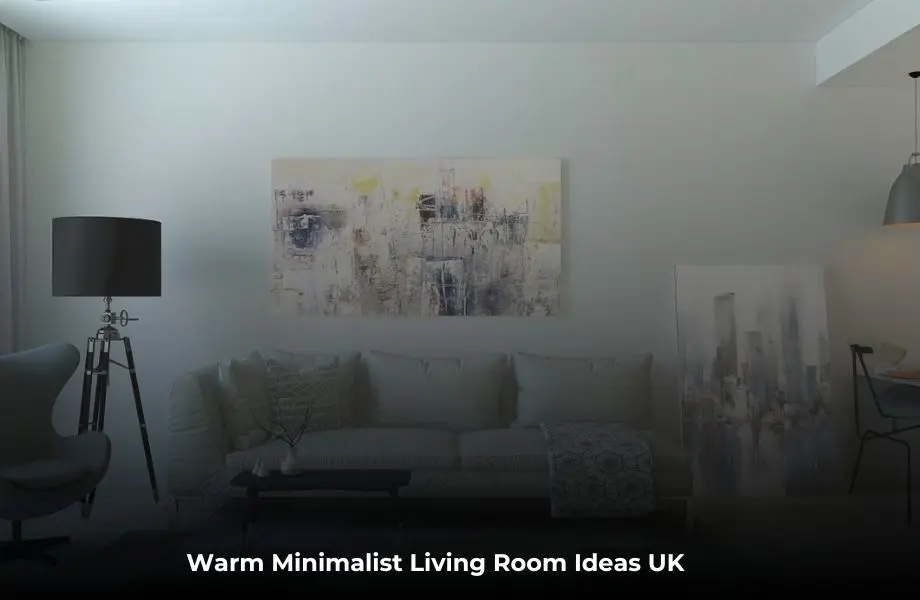

It usually starts on a quiet evening. You come home after a long day, drop your keys on the table, and stand in the living room for a moment without really knowing why it feels “off.” Everything is fine individually—the sofa you picked years ago, the coffee table that once felt stylish, the cushions you bought on impulse—but together, it feels crowded. Not messy exactly, just mentally heavy. This is where the idea of minimalist living room ideas UK begins to make sense, not as a design trend, but as a personal need for calm. Many people across the UK are slowly realising they don’t want empty rooms; they want breathing rooms. Spaces that don’t ask for attention, but quietly support daily life. And when you start looking at your living room through that lens, even small changes begin to feel meaningful. It’s less about decorating and more about creating a space where your mind can finally slow down.
What Minimalism Feels Like When You Live With It
Minimalism is often misunderstood as removing everything, but in real life, it feels more like a gentle editing process. Imagine sitting in your living room one evening and noticing how your eyes keep landing on things you don’t actually use—a side table tucked in the corner, magazines you forgot to read, décor that no longer feels like “you.” According to BBC lifestyle features on modern home trends, UK homeowners are increasingly drawn to simplicity not for aesthetics alone, but for mental clarity. In everyday life, this shift feels personal. You don’t wake up one day and change everything. Instead, you slowly start removing what doesn’t serve your routine. The room begins to feel lighter, not because it’s empty, but because it finally reflects how you actually live. Minimalism, in this sense, becomes less about design and more about emotional relief.
The Rise of Warm Minimalism in UK Homes
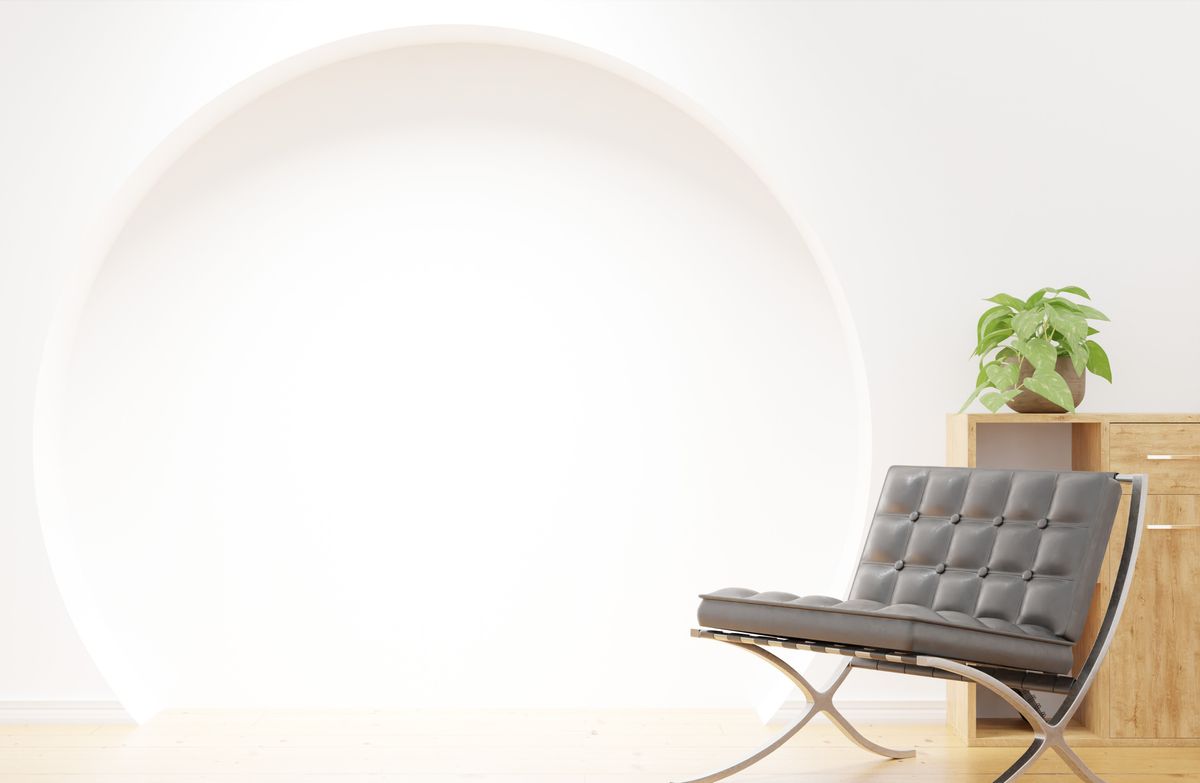
There was a time when minimalism meant white walls, sharp edges, and almost clinical spaces. But walking into modern UK homes today feels different. There is warmth, texture, and softness layered into simplicity. This shift toward “warm minimalism” is not accidental. It reflects how people actually want to feel at home—relaxed, not restricted. As highlighted by House & Garden’s interior features on warm minimal design, the modern approach blends neutral tones with natural materials to create emotional comfort. You might notice it in a living room where a soft beige sofa sits beside a wooden table, and sunlight falls gently on linen curtains. Nothing feels forced, yet everything feels intentional. In UK homes especially, where weather and lighting change constantly, this style creates consistency. It makes a space feel welcoming even on grey days, which is often when we need comfort the most.
Decluttering as a Quiet Turning Point
Most people don’t realise how much their environment affects their mood until they start clearing it. There is usually a moment—pulling everything off a shelf or rearranging a corner—when you suddenly notice how much “extra” has been living in your space. According to Forbes home organisation insights, decluttering has a direct impact on stress levels because visual noise translates into mental noise. In real homes, this doesn’t happen in one big transformation. It happens slowly, often on weekends when you decide to “just tidy a bit” and end up filling a donation bag. The surprising part is not how much you remove, but how different the room feels afterwards. It becomes easier to breathe, easier to focus, and strangely, easier to enjoy the things you decide to keep.
Choosing Furniture That Actually Belongs in Your Life
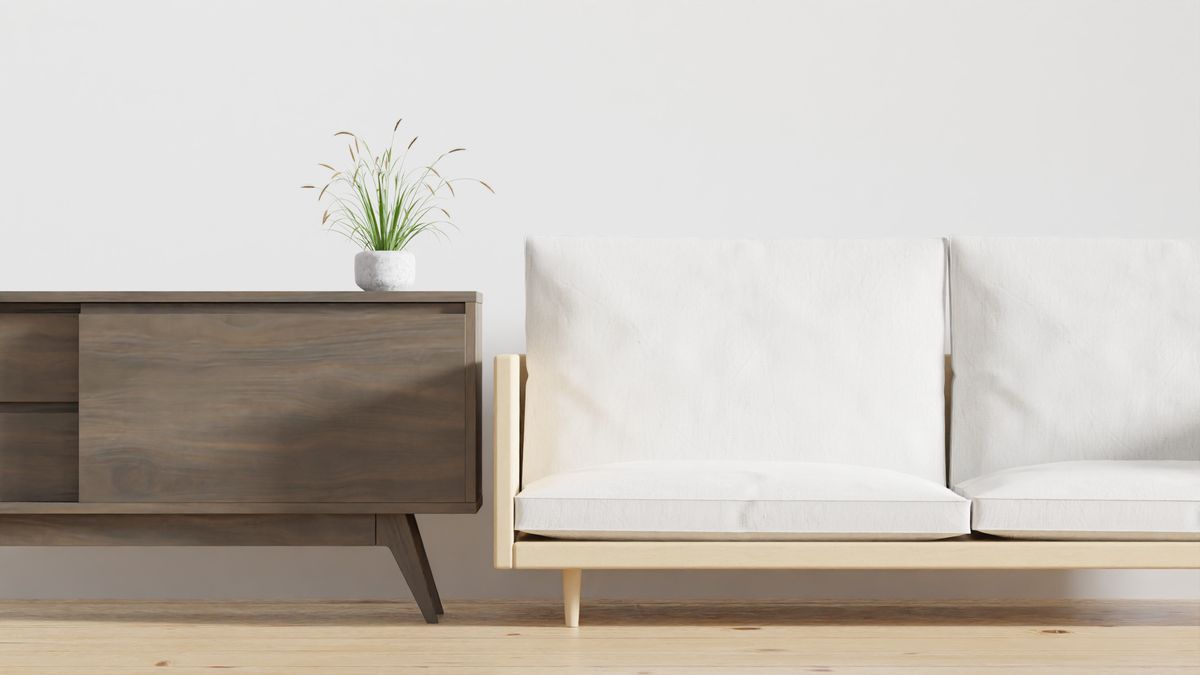
There’s always that one piece of furniture you keep because it “still looks fine,” even though it doesn’t really fit your life anymore. Maybe it’s a bulky chair that never gets used or a coffee table that takes up more space than it should. In minimalist living, furniture stops being about filling space and starts being about supporting how you live. As seen in Sharps’ approach to minimalist interiors, built-in thinking and purposeful furniture choices help reduce visual clutter while improving function. In many UK homes, especially smaller ones, this shift feels practical rather than decorative. You begin choosing pieces that “earn their place” in the room. A sofa becomes not just seating, but the central point of rest. A table becomes something that serves daily life, not just fills a gap in the room.
Hidden Storage and the Art of Invisible Order
One of the most satisfying parts of creating a minimalist living room is realising that storage doesn’t have to be visible to be useful. There’s a quiet relief in knowing everything has a place, even if you can’t see it. This is where smart storage ideas come in, especially in UK homes where space is often limited. Built-in units, hidden compartments, and simple furniture with storage underneath can completely change how a room feels. Our small living room TV unit ideas UK guide explores how entertainment areas can stay clean without losing function. Similarly, thoughtful storage design helps remove the constant “visual reminder” of clutter. When everything is tucked away, the room doesn’t feel empty—it feels calm in a way that supports everyday living.
Lighting That Changes the Mood of a Room
If you’ve ever sat in a room where the lighting feels too harsh, you’ll know how quickly it can change your mood. Light shapes how a space feels more than most people realise. In minimalist living rooms, lighting becomes a soft layer rather than a spotlight effect. Instead of relying on one overhead light, modern UK interiors use multiple gentle sources to create warmth. According to BBC home design coverage, layered lighting is one of the simplest ways to make compact rooms feel more inviting. In practice, this might look like a floor lamp in one corner, a warm bulb near the sofa, and soft daylight filtering through curtains. Our small living room lighting ideas UK guide shows how these small changes can completely shift the atmosphere without changing the structure of the room.
Texture: The Detail That Brings Minimalism to Life
There is a quiet moment in every well-designed minimalist room where you realise it doesn’t feel empty at all—it feels complete. That feeling usually comes from texture. Smooth walls, soft fabrics, natural wood, and subtle finishes work together to create depth without clutter. According to Architectural Digest interior design features, texture is one of the most important elements in modern minimal spaces because it replaces the need for decoration. In UK homes, this becomes especially important during colder months when comfort matters more. A wool throw on a sofa, a linen curtain moving slightly with the breeze, or a textured rug underfoot all add warmth in a quiet way. Our small living room layout ideas UK guide also shows how spacing and flow work alongside texture to create balance in compact rooms.
Conclusion: When Less Starts to Feel Like More
In the end, minimalist living room ideas UK are not really about design rules or perfect interiors. They are about how a space makes you feel when you walk into it after a long day. A well-balanced minimalist room doesn’t feel empty—it feels quiet in the best possible way. It supports your routine instead of overwhelming it, and it gives your mind space to slow down. When you remove what is unnecessary and keep what truly matters, the room starts to reflect a calmer version of daily life. That is where the real value of minimalism sits—not in what you take away, but in what you finally allow yourself to keep.
FAQs
What is a minimalist living room in UK homes?
A minimalist living room in UK homes focuses on simplicity, neutral colours, and functional furniture. It removes unnecessary clutter while keeping comfort and practicality. The goal is to create a calm space that feels open and easy to live in, even in smaller rooms.
How do I make my living room look minimalist without buying new furniture?
You can start by decluttering and removing items you don’t use daily. Rearranging furniture, clearing surfaces, and keeping décor minimal can make a big difference. Often, simply reducing visual noise is enough to create a more minimalist feel.
Why does minimalist design work well in UK homes?
UK homes are often compact, so minimalist design helps improve space, light, and flow. It reduces overcrowding and makes rooms feel larger and more functional. It also adapts well to changing natural light throughout the year.
What colours are best for a minimalist living room?
Warm neutrals like beige, soft grey, taupe, and off-white work best. These colours reflect natural light well and create a calm background that works with simple furniture and textures.
Is minimalist living suitable for families?
Yes, minimalist living can actually make family homes easier to manage. Less clutter means easier cleaning, safer spaces for children, and a more organised environment that reduces stress in daily routines.
Author Bio
The Editorial Team at dailylifestyleguide creates practical UK home and lifestyle content focused on real homes, real spaces, and simple living solutions for modern British households.
Disclaimer
This article is for general inspiration only. Interior results may vary depending on space, lighting, and layout. The editorial team may update or correct information when needed.