
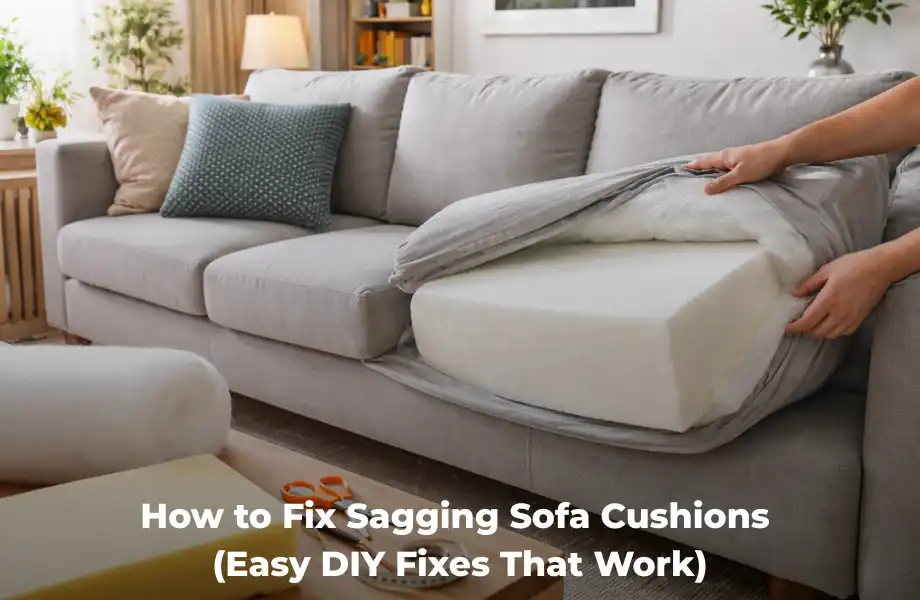

In many UK living rooms, a common scene plays out almost daily. Someone sinks into the sofa after a long day, hoping for comfort, only to find one side drooping while the middle feels flat. Cushions that once felt plush and welcoming now seem tired, forcing family members to shift constantly in search of the “least bad” spot. This familiar struggle is not just annoying—it’s an emotional nudge that the sofa has seen better days. Learning how to fix sagging sofa cushions can feel like reclaiming a small victory in daily life, bringing back comfort and warmth to the heart of the home.
From cosy corner sofas in bustling family homes to compact two-seaters in rented flats, cushions take a beating over time. The good news is that most sagging problems don’t require a full sofa replacement. With a few practical steps, homeowners can restore comfort, prolong sofa life, and even add a touch of personality to their living space. This guide walks through causes, fixes, and preventative tips, all framed through relatable stories from everyday UK homes.
Why Sofa Cushions Sag in the First Place

sagging-sofa-cushions
Image source: pixaby
It often starts quietly. One favourite seat in the family lounge begins to feel softer, the edges losing shape, while other cushions remain firm. Over time, what began as a subtle dip grows into a noticeable sag. The culprits are usually simple: flattened foam, compressed fibre, stretched springs, or uneven weight distribution. Daily routines, like sitting in the same spot while binge-watching a favourite show, amplify the wear.
Central heating in winter can also dry out materials, adding to the problem. As reported by GB Foam Direct, even the highest-quality cushions need rotation and care to maintain their original shape. Many modern sofas include zip openings to check fillings, but older models might require a gentle feel-through to assess how much the cushion has flattened.
Quick Fixes That Make a Noticeable Difference

rotating-sofa-cushions
Image source: pixaby
Sometimes, a small change can breathe new life into a tired sofa. In one family home in Manchester, rotating cushions weekly kept their corner sofa surprisingly comfortable despite years of daily use. These small habits distribute weight evenly and prevent certain areas from sagging further. Even a simple flip or swap can temporarily restore comfort, proving that care routines matter just as much as material quality.
Support boards provide another clever solution. Placed under cushions, they reinforce weak areas and reduce sinking. Families renting flats in London often use this trick to improve posture and comfort without permanent changes, combining affordability with practical impact. As noted by FibreGuard, it’s a short-term fix that prevents minor dips from turning into major sagging problems.
Replacing Foam for Long-Term Comfort

replacing-sofa-foam
Image source: pixaby
For cushions that feel lifeless regardless of fluffing, the foam may have broken down. In a small Bristol flat, a family replaced medium-density foam on their everyday-use sofa and immediately noticed a transformation. Foam density is crucial: low-density foams suit light use and guest rooms, while high-density foam supports heavy daily use in main living rooms. Medium-density options strike a balance for family spaces.
Careful measurement is essential before ordering replacement foam. Many UK suppliers, like GB Foam Direct, cut custom sizes and offer high-resilience options for longer-lasting comfort. Choosing the right density ensures cushions remain supportive without feeling like sitting on a bench, preserving both posture and peace of mind.
How to Firm Sofa Cushions Without Replacing Foam
add-wadding-sofa.
Image source: pixaby
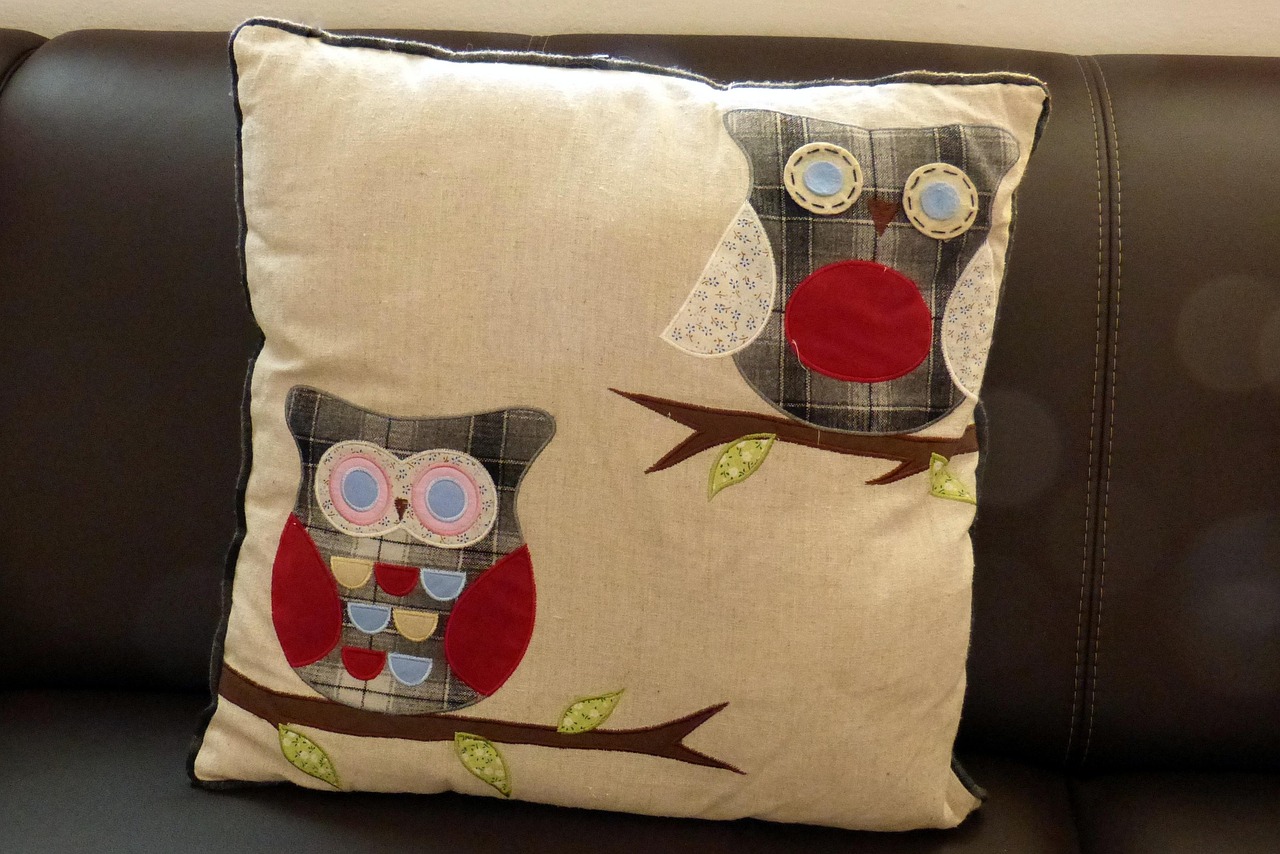
Replacing foam isn’t always feasible. In many homes, a few strategic adjustments restore comfort. Adding polyester wadding can fill sagging corners and soften edges, while fibre cushions can be fluffed or refilled to regain plumpness. In a Victorian home in Leeds, a simple layer of wadding transformed a once-flat sofa into a welcoming lounge spot. These small interventions show that attention and care often rival expensive solutions.
Refilling fibre cushions requires patience and a suitable workspace, as it can be messy. Yet, the payoff is tangible: cushions regain shape, and sofas once deemed uncomfortable become family favourites again. As highlighted by Farmhouse 1820, regular maintenance like this prolongs sofa life and keeps living spaces inviting.
Checking Frames and Springs
Not all sagging stems from cushions. In some homes, the sofa frame bears the brunt of daily use. Pressing down on the base without cushions can reveal stretched springs or weakened webbing. Support boards help temporarily, but long-term structural issues often need professional repair. Southern Living notes that a broken frame is a key indicator it may be time to invest in more permanent solutions: source.
For families considering new purchases, reviewing sofa brands in the UK helps balance quality, cost, and expected lifespan. Thoughtful choices now prevent repeat sagging issues in the future.
Preventing Future Sagging
Once cushions are restored, habits matter. Encouraging even use, rotating cushions, fluffing fibre daily, and avoiding sitting on arms extends life. In homes where living rooms serve multiple purposes, these small routines maintain comfort and prevent emotional frustration from returning to a sagging spot. As reported by FibreGuard, preventative care often outweighs expensive repairs.
Conclusion
Watching a sofa regain its shape is more than a practical fix—it’s a reminder of how small efforts improve daily life. Whether cushions are rotated, support boards added, or foam replaced, learning to fix sagging sofa cushions restores comfort and confidence in the living space. Homeowners can reclaim their favourite seats, enjoy family movie nights, and feel proud of a sofa that once seemed beyond repair. Start simple, care consistently, and watch your sofa—and your home—come alive again.
FAQs
1. Why do sofa cushions sag so quickly?
Cushions sag due to daily pressure, low-density foam, uneven use, and ageing materials. Central heating and frequent use of the same seat can accelerate flattening.
2. Can I fix sagging sofa cushions without replacing foam?
Yes. Rotating cushions, adding polyester wadding, or using support boards can restore firmness if the sagging isn’t severe.
3. How much does it cost to replace sofa foam in the UK?
Replacement foam usually costs £40–£120 per cushion, depending on size and density. Custom-cut options are available from UK suppliers.
4. Are sofa support boards worth it?
Support boards improve structural dips but won’t fix flattened foam inserts. They are a cost-effective short-term solution for minor sagging.
5. When should I replace my sofa instead of repairing it?
If the frame is cracked, springs are damaged, or foam crumbles, replacement may be more cost-effective than repeated fixes. Reviewing sofa quality in the UK helps make an informed decision.
Author Bio
The Editorial Team at Daily Lifestyle Guide shares practical, UK-focused home advice. Their mission is to help readers improve comfort, extend furniture lifespan, and create living spaces that feel welcoming and functional.
Disclaimer
This article provides general guidance only. Repair methods may vary by sofa design and manufacturer. Always follow care instructions and consult a professional if structural damage is suspected. Contact the editorial team for updates or suggestions.