
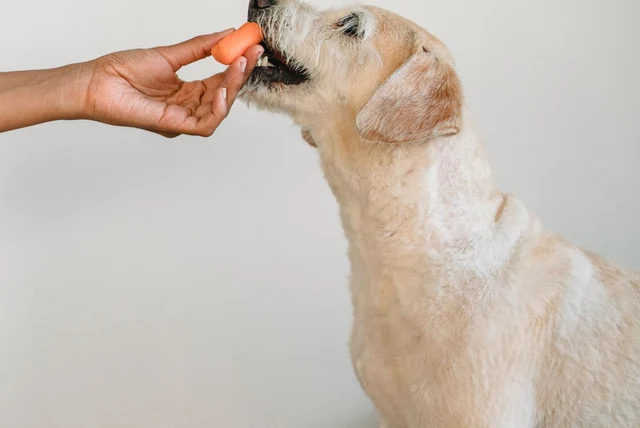

There is a particular look a dog gives you when you are eating. Head tilted, eyes enormous, utterly convinced that whatever is on your plate was meant for them. Most of the time giving in does no harm at all. But a few ordinary things in a British kitchen can genuinely kill a dog, and the gap between the two lists is wider than most people realise. Here is what the UK’s veterinary charities actually say about human foods dogs can eat, and what to do when something goes wrong.
| Never, at any amount | Grapes, raisins, sultanas, currants, chocolate, xylitol |
| Also toxic | Onions, garlic, leeks, chives, macadamia nuts, avocado, alcohol |
| Choking and blockage | Corn on the cob and cooked bones, rather than poisons |
| Safe in moderation | Carrot, apple without the core, banana, plain chicken, peas |
| The 10% rule | Treats should stay a small part of the daily diet |
| If your dog eats something | Ring your vet. Do not wait for symptoms |
| Animal PoisonLine | 01202 509 000, 24 hours, but it is a paid service |
The Two Lists Are Not the Same Kind of List
The Two Lists Are Not the Same Kind of List
Image source: pexels.com
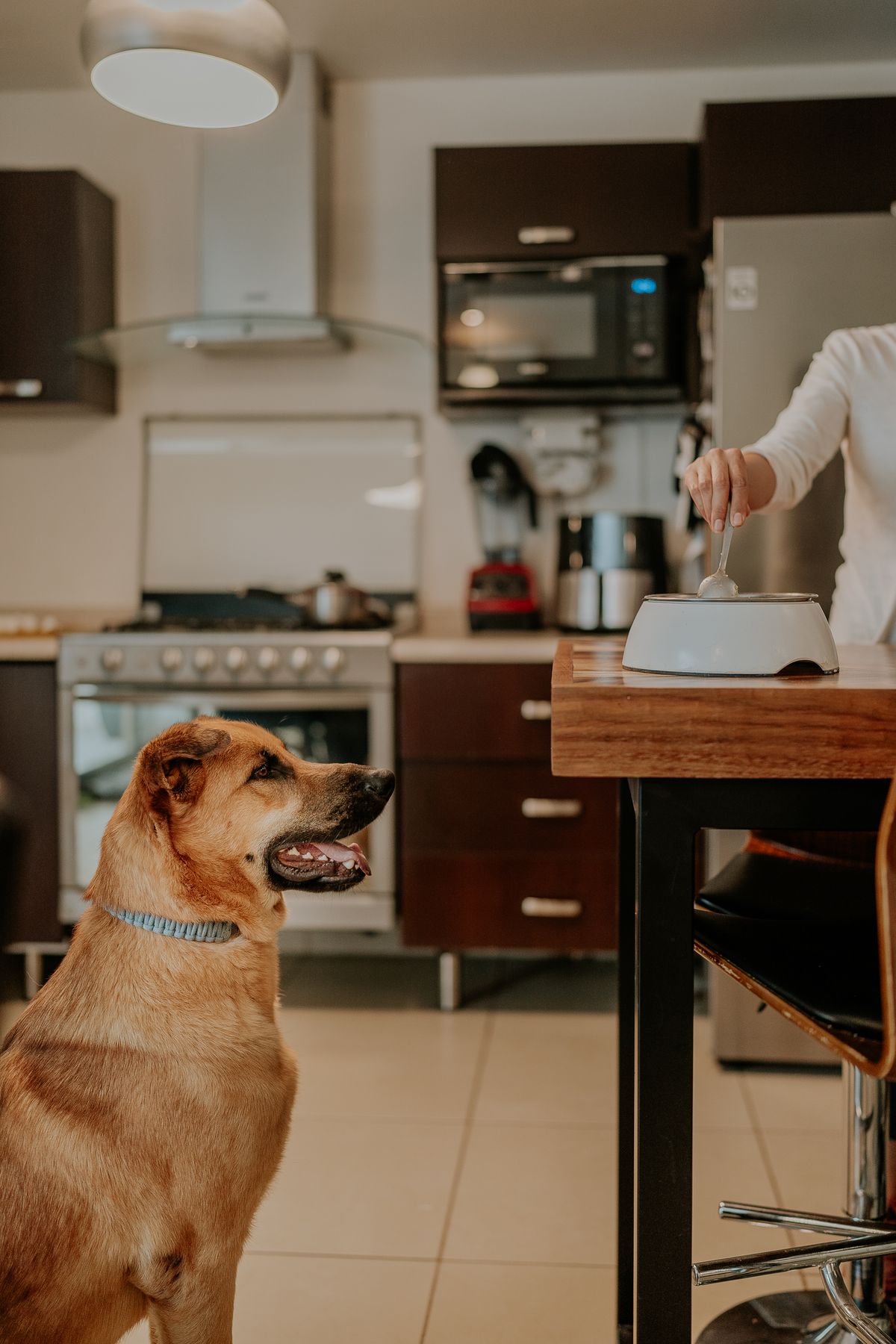
Most articles on this subject give you one long column of foods to avoid, and that is genuinely unhelpful, because the risks are nothing alike. Some foods will damage a dog’s kidneys or liver in a single sitting. Others are simply fatty, salty or pointless and will do nothing worse than upset a stomach. Treating those two groups the same way means people either panic about a slice of bread or shrug at a dropped raisin. The first thing worth sorting in your head is which column a food sits in, because that decides whether you reach for the phone or just make a mental note not to do it again.
The Foods That Can Kill, Whatever the Amount
The Foods That Can Kill, Whatever the Amount
Image source: pexels.com
Three things belong in a category of their own. Grapes, raisins, sultanas and currants can cause kidney failure, and Dogs Trust is blunt that any amount of these fruits is potentially dangerous when eaten, which is why a dropped mince pie matters. Chocolate contains theobromine; small amounts cause vomiting and diarrhoea, while higher doses can cause seizures or even death, and the darker the chocolate the worse it is. Xylitol, sometimes sold as birch sugar, stimulates insulin release and causes a dramatic crash in blood sugar, and can also cause liver failure. It hides in sugar-free gum, sweets and some peanut butters.
The Onion Family Counts Even When Cooked
Onions, garlic, leeks and chives cause anaemia in dogs, and this is the one people get caught out by most often, because the danger does not cook away. Dogs Trust states plainly that even if cooked thoroughly, any traces of these ingredients in food can be toxic. That matters far more than the raw onion nobody was going to give a dog anyway. It means leftover gravy, bolognese, curry, stuffing, stock-based soup and most takeaway scraps are off the list, even though none of them look like an onion by the time they reach the plate. If a dish was built on a base of onion and garlic, it is not a safe scrap.
Nuts, Avocado, Caffeine and Alcohol

Nuts, Avocado, Caffeine and Alcohol
Image source: pexels.com
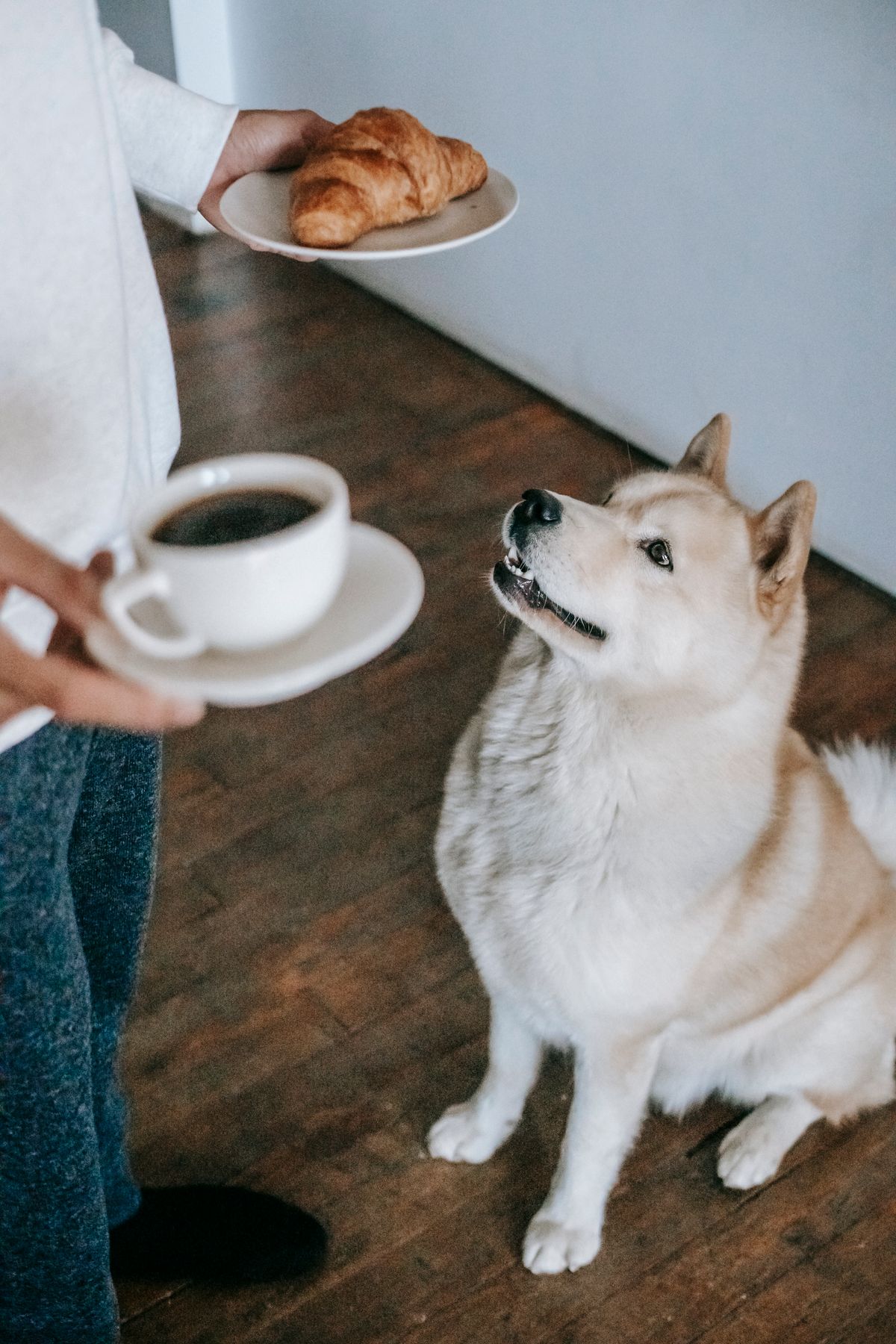
Macadamia nuts are unusually dangerous: eating even a tiny amount can make a dog seriously ill, causing muscle weakness, tremors and problems with coordination. Avocado contains persin, and the advice is to treat all parts of it as potentially dangerous rather than trying to judge the flesh from the stone. Tea, coffee and hot chocolate carry caffeine and theobromine, so a mug left within reach is a genuine hazard rather than a joke. Alcohol is worse than people assume, with signs ranging from lethargy and incoordination through to tremors and death, and it turns up in mouthwash and hand sanitiser as well as in drinks.
The Hazards That Are Not Poisons
Two of the most dangerous things in a British kitchen are not toxic at all. Corn on the cob can cause life-threatening gut blockages, because the cob does not break down and lodges in the intestine. Cooked bones splinter and can pierce or block the gut, which is why they are on PDSA’s hazard list even though a raw bone is a different proposition. Neither will show up as poisoning and neither improves with waiting. If a dog swallows a cob or a cooked bone, that is a phone call to the vet regardless of how well the dog seems, because a blockage announces itself late.
What Dogs Can Safely Eat
What Dogs Can Safely Eat
Image source: pexels.com
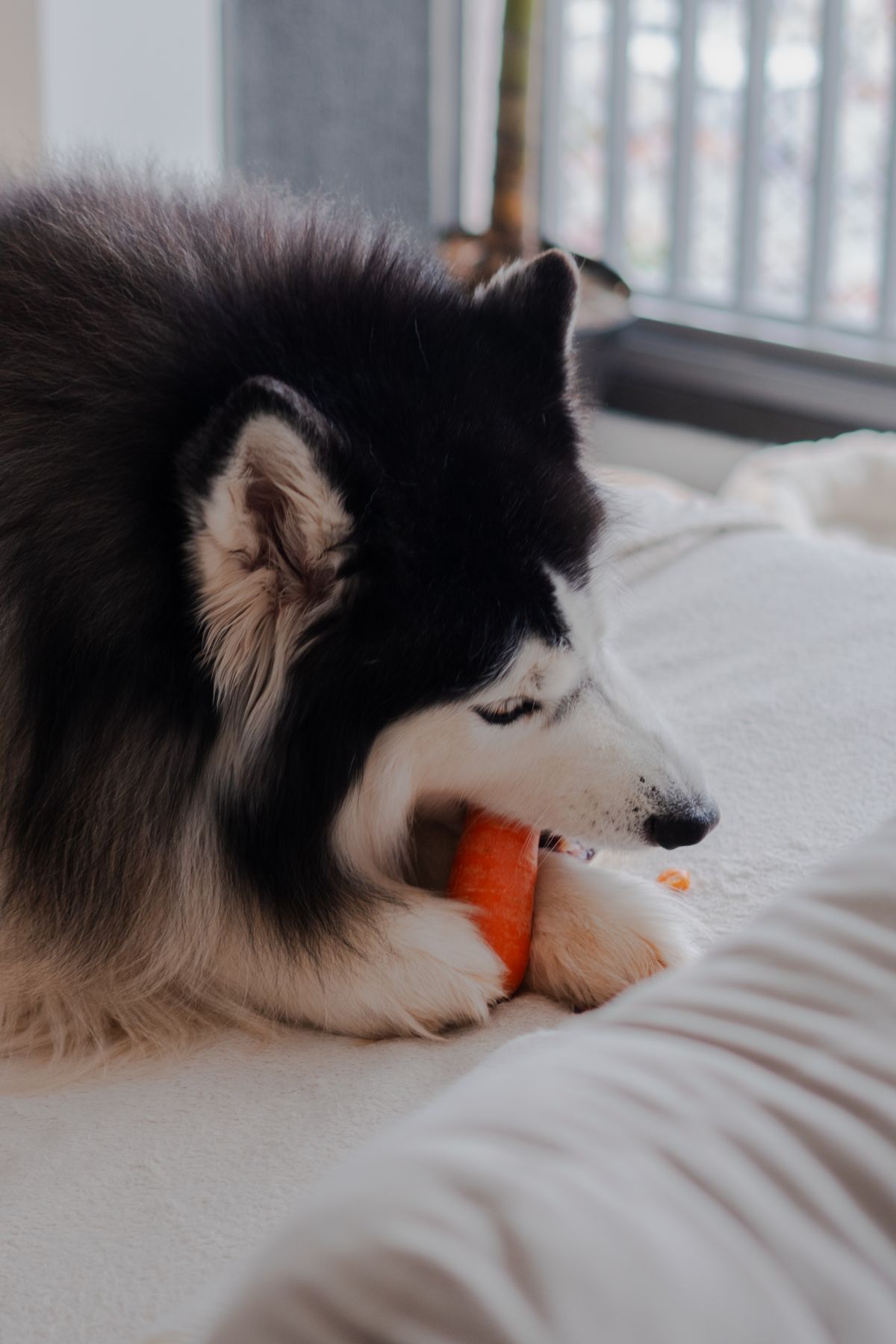
The good news is that the safe list is long and most of it is already in your fridge. Carrots, cucumber, celery, peas, broccoli, cauliflower, beetroot and asparagus are all fine. So are bananas, berries, watermelon, pineapple, apple with the core removed and apricot with the stone removed. Plain cooked chicken, eggs, tuna and prawns all work as protein. Plain pasta, rice, bread, popcorn, quinoa, Greek yoghurt, cheese and xylitol-free peanut butter are all on Dogs Trust’s safe list too. The pattern is simple: plain, unseasoned, and without stones, cores, cobs or bones. Introduce anything new one food at a time and in a small amount, so that if it does not agree with your dog you know exactly which thing caused it rather than having to guess your way back through a whole afternoon of scraps.
Mushrooms: Where Two Charities Appear to Disagree
This one is worth spelling out because the sources look contradictory. Dogs Trust lists mushrooms among foods dogs can eat, while PDSA names mushrooms and fungi among poisons. Both are correct about different things. Plain shop-bought mushrooms are not the hazard. Wild fungi are, and several species growing in British woodland and on lawns are seriously toxic, with some potentially fatal. So the practical rule is that a mushroom from the supermarket is fine and anything your dog finds on a walk is not. If a dog eats an unidentified wild mushroom, treat it as an emergency rather than waiting to see.
Moderation Is Part of the Safety Advice
Moderation Is Part of the Safety Advice
Image source: pexels.com
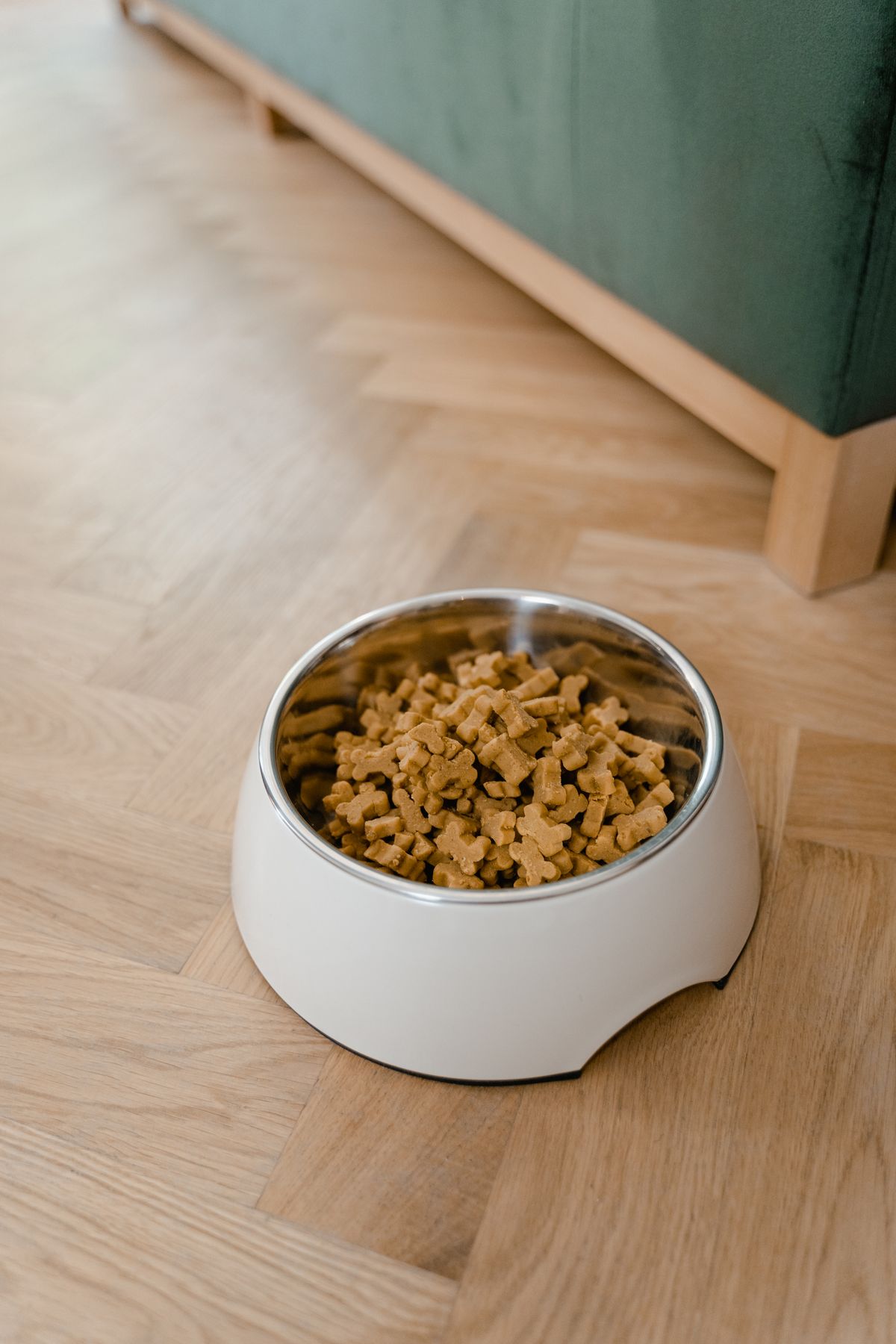
Even safe foods come with a caveat that is easy to skip past. Dogs Trust is clear that these foods should be given in moderation, and that intolerance, fat content and portion size all play a part. A common vet guideline is that treats of any kind should make up only a small share of a dog’s daily intake, with the rest coming from a complete food. That matters because the most common harm from human food is not poisoning at all; it is weight gain, pancreatitis from fatty scraps, and stomach upsets from sudden changes. If you are relying on a complete food such as those in our Encore dog food guide, treats sit on top of that, not alongside it.
Salt, Fat and the Processed Scraps
A few things are technically edible and still a bad idea. PDSA lists salt among its hazards, which rules out crisps, salted nuts, processed meats and anything cured. Fatty trimmings, sausages, bacon and takeaway leftovers are a common trigger for pancreatitis, which is painful and sometimes serious. Blue cheese appears on PDSA’s list specifically, and mouldy food of any kind is dangerous rather than merely unappetising, so the bin and the compost caddy are worth securing. None of this is about a single mouthful. It is about what happens when scraps become a habit, and about how quickly a dog learns that standing by the table works. If you want to share something from your plate, put it in their bowl later rather than handing it down, which keeps the begging habit from forming in the first place.
What to Do If Your Dog Eats Something It Should Not
What to Do If Your Dog Eats Something It Should Not
Image source: pexels.com
Act on what was eaten, not on how the dog looks, because many poisons take hours to show. PDSA’s advice is to contact your vet immediately if your pet is unwell, and with the foods in the first section it is worth ringing even if the dog seems completely normal. Take the packaging with you, and note roughly how much and when. There is also Animal PoisonLine on 01202 509 000, open 24 hours a day, which advises owners on whether a vet trip is needed. Be aware it is a paid service: £35 for calls between 8am and 8pm Monday to Friday, and £45 at all other times including bank holidays.
Prevention Is Mostly Furniture and Habits
Most incidents are opportunistic rather than deliberate. Bins with proper lids, worktops kept clear, bags put away rather than left on the floor, and a firm household rule about not feeding from the table prevent nearly all of them. Christmas is the dangerous season in British homes, because mince pies, Christmas pudding, chocolates and stollen all land on low tables at once, and every one of those contains dried fruit or chocolate. If your dog has a designated spot, as in our dog room ideas, keeping their food there rather than in the family kitchen helps more than you would expect.
When in Doubt, Do Not Guess
There is no prize for working it out yourself. Dogs vary enormously in size and sensitivity, the same food affects two dogs differently, and the amount that matters for a terrier is not the amount that matters for a labrador. That is also why this article gives no dose tables: a half-remembered figure is exactly what persuades somebody to wait at home when they should be ringing a vet. If your dog has eaten something from the first half of this article, make the call. Vets would far rather talk to you about a false alarm than meet you four hours later with a sick dog.
Final Thoughts
Most of what we eat is harmless to a dog in small, plain amounts, and a carrot or a bit of cooked chicken is a perfectly good treat. The short list that matters is grapes and dried fruit, chocolate, xylitol, the onion family, macadamias, avocado, alcohol, cobs and cooked bones. Learn those, keep the bin shut, and the rest of the human foods dogs can eat become a pleasure rather than a worry. If something goes wrong, ring the vet rather than waiting.
Frequently Asked Questions
What human foods can dogs eat safely?
Carrot, cucumber, peas, broccoli, banana, berries, apple without the core, plain cooked chicken, eggs and plain rice or pasta, all in moderation.
Can dogs eat grapes or raisins?
No. Grapes, raisins, sultanas and currants can cause kidney failure, and any amount is potentially dangerous. Treat it as an emergency.
Is cooked onion safe for dogs?
No. Onions, garlic, leeks and chives cause anaemia, and even thoroughly cooked traces can be toxic. That rules out most gravy and leftovers.
What is xylitol and why is it dangerous?
A sweetener, sometimes labelled birch sugar. It triggers an insulin release and a dramatic blood sugar crash, and can cause liver failure.
Can dogs eat mushrooms?
Plain shop-bought mushrooms are fine. Wild fungi are not, and some British species are seriously toxic, so treat anything found outdoors as an emergency.
What should I do if my dog eats something toxic?
Ring your vet straight away, even if the dog seems fine. Animal PoisonLine on 01202 509 000 also advises owners, though it charges £35 to £45 per call.
Disclaimer
This article is for general information only and is not veterinary advice. Toxicity depends on the dog’s size, breed and health and on how much was eaten, so never try to judge a safe amount yourself. If you think your dog has eaten something harmful, contact your vet immediately or call Animal PoisonLine on 01202 509 000, which is a paid service. Guidance quoted here reflects Dogs Trust and PDSA advice as of October 2026.