
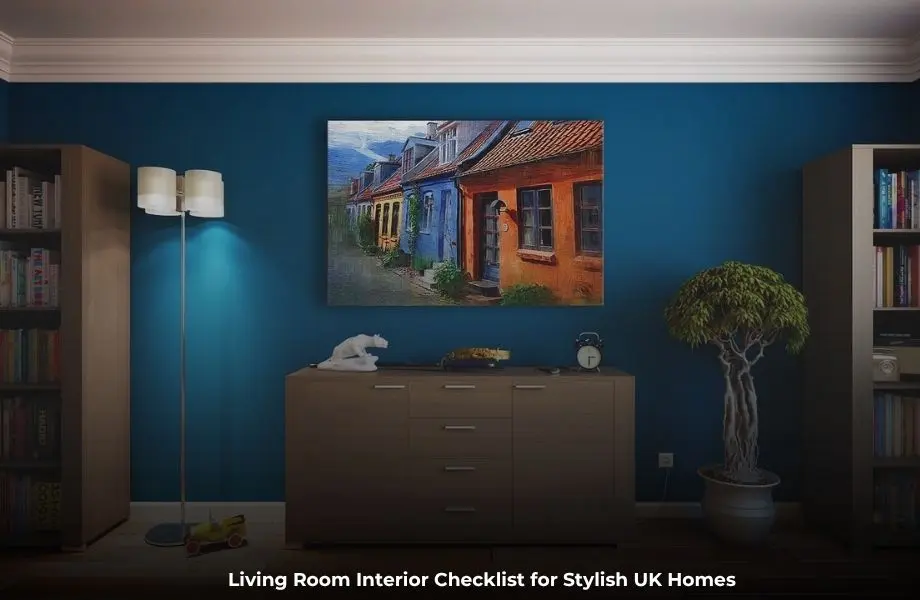

Last winter, my friend Emma stood in the middle of her living room holding a cup of tea and sighed, “Why does this room still feel unfinished?” She had the sofa, the rug, the curtains, and even the trendy wall art everyone on social media seemed to love. Yet something felt missing. That moment perfectly captures why having a proper living room interior checklist matters. Whether you live in a cosy London flat or a spacious family home in Manchester, your living room is more than just a place to sit. It’s where movie nights happen, where guests gather, and where quiet Sunday mornings begin. A smart checklist helps you avoid expensive mistakes, create balance, and design a room that actually feels like home. The best part is that small spaces and large spaces both benefit from thoughtful planning, not endless spending.
Start with a Living Room Layout That Matches Your Lifestyle
One of the biggest mistakes people make is buying furniture before understanding how they actually live in their space. A couple with young children needs a completely different setup than someone who loves hosting dinner parties or reading quietly by the window. A smart living room design checklist always begins with layout planning.
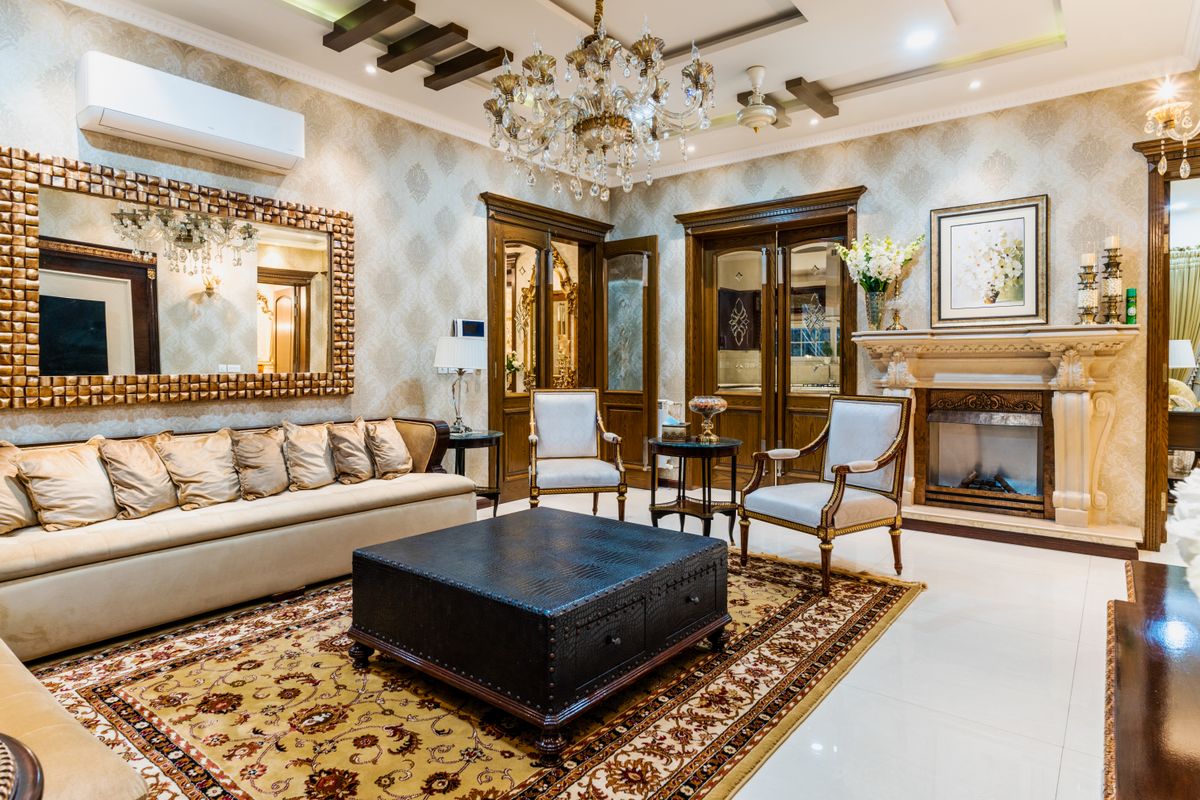
Think about how you move through the room every day. In smaller UK homes, every inch matters. Emma realised her oversized coffee table was making the room feel crowded. Replacing it with a slimmer design instantly improved movement and comfort. In larger living rooms, the opposite problem often happens. Too much empty space can feel cold and disconnected. Dividing the room into zones for relaxing, reading, or entertaining creates warmth and purpose.
According to Homify’s living room styling checklist, furniture placement should encourage conversation and natural movement rather than block pathways. This simple approach makes both small and large rooms feel welcoming and functional.
If you are struggling with compact spaces, these tiny house interior ideas for UK homes can help you maximise every corner beautifully.
Choose Furniture That Fits the Room Properly
Furniture shopping can feel exciting until the delivery arrives and suddenly the sofa looks far bigger than expected. A proper living room furniture checklist saves you from that painful moment. Size matters more than trends.
Emma once fell in love with a huge corner sofa she saw online. It looked beautiful in the showroom, but once placed inside her flat, it swallowed the room. She later replaced it with a slimmer sofa featuring raised legs, which made the floor area feel more open.
Small living rooms benefit from multifunctional furniture like storage ottomans, nesting tables, and wall-mounted shelving. Large living rooms, meanwhile, need enough furniture to avoid looking empty. Layering armchairs, side tables, and textured seating helps fill the space naturally.
As reported by Big Furniture Warehouse, homeowners often underestimate how important proportional furniture is for comfort and visual balance. Choosing furniture that fits both your room and lifestyle creates a far more relaxing environment.
Lighting Can Completely Transform the Mood
Few things change a room faster than lighting. A poorly lit living room can feel flat, even if the décor is beautiful. A thoughtful living room interior checklist should always include layered lighting.

Emma discovered this accidentally one rainy evening when her single ceiling light stopped working. Instead of replacing it immediately, she used a floor lamp, table lamp, and candles for a few days. Surprisingly, the room suddenly felt warmer and more inviting.
Interior designers often recommend three layers of lighting: ambient lighting for overall brightness, task lighting for activities like reading, and accent lighting for atmosphere. In smaller spaces, wall sconces save floor space while adding depth. Larger living rooms benefit from statement floor lamps or multiple lighting zones.
According to Beau Property Staging, lighting is one of the most overlooked elements in creating a welcoming living room. Warm bulbs and layered fixtures can instantly make a space feel more luxurious.
You can also explore these creative living room lighting ideas around your sofa for practical inspiration.
Create a Colour Scheme That Feels Comfortable Every Day
Trendy colours may look beautiful online, but living with them every single day is a different story. The best living room colour scheme is one that feels calming, personal, and timeless.
Emma painted her walls dark grey after seeing a celebrity home tour online. At first, it looked stylish. But during gloomy winter mornings, the room felt heavy and smaller than before. Eventually, she switched to warm beige tones with muted green accents, and the room immediately felt brighter and calmer.
Small living rooms usually benefit from lighter shades that reflect natural light. Larger spaces can handle deeper colours without feeling cramped. Soft earthy tones remain popular across UK interiors in 2026 because they create warmth without overpowering the room.
Data from Your ID Interior Design shows that cohesive colour palettes help living rooms feel more organised and visually balanced. Even adding matching cushions, rugs, or curtains can create harmony.
For more inspiration, these living room colour ideas in the UK offer practical combinations that work beautifully in modern homes.
Add Storage Without Making the Room Feel Crowded
Every living room slowly collects clutter. Remote controls, books, chargers, blankets, children’s toys, and magazines somehow appear everywhere. Smart storage is what keeps a beautiful room functional long-term.
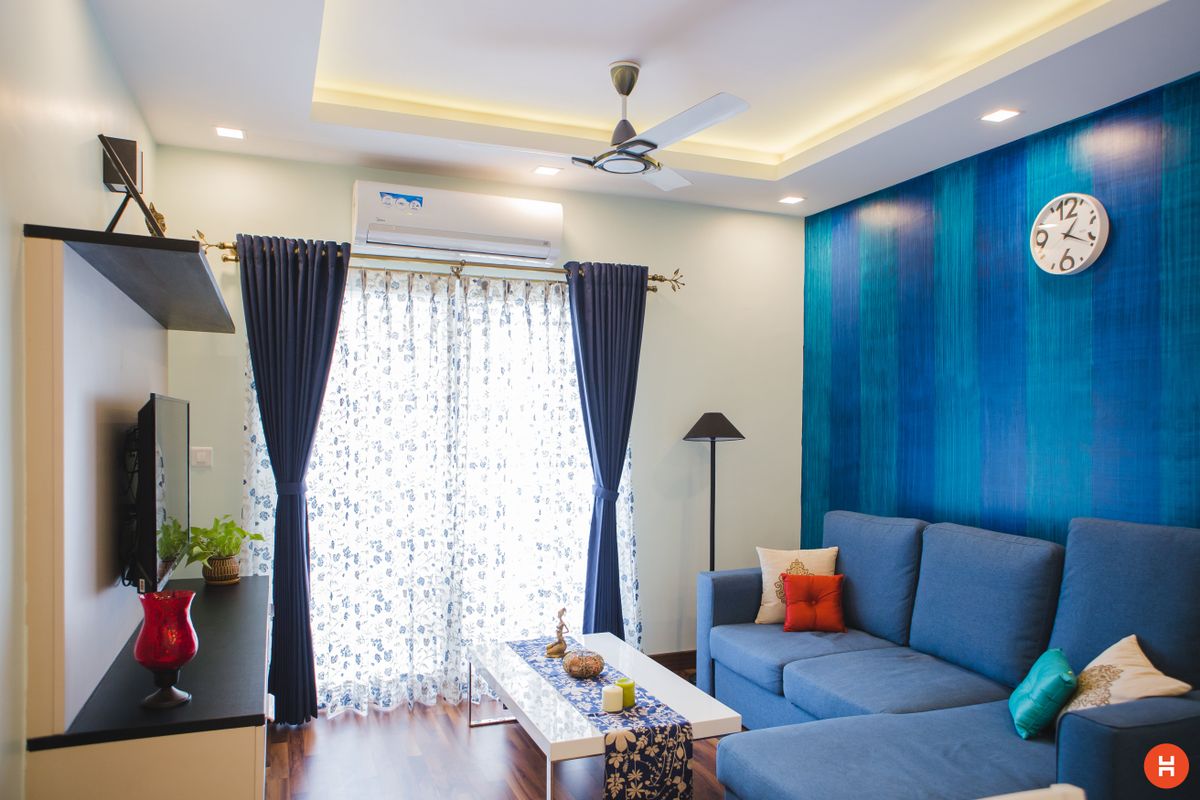
Emma learned this after spending every Sunday tidying up scattered items around her living room. She finally added a storage bench beneath the window and floating shelves beside the television. Suddenly, everything had a home.
In small spaces, vertical storage works wonders. Tall shelving units and wall-mounted cabinets free up floor space while keeping essentials organised. Larger rooms can incorporate stylish sideboards, built-in shelving, or storage coffee tables without feeling crowded.
According to Homify, effective storage helps maintain visual calm and reduces stress in busy family homes. A clutter-free room almost always feels bigger and more peaceful.
Use Textures to Make the Room Feel Warm and Inviting
Sometimes a living room looks technically perfect but still feels cold. That usually means it needs more texture. Texture adds softness, comfort, and personality.
Emma’s living room finally started feeling complete after she layered chunky knit cushions, linen curtains, and a soft wool rug into the space. Guests immediately noticed how cosy the room felt, even though she hadn’t changed the furniture.
Modern interiors often combine smooth surfaces like glass and metal with softer materials like boucle fabric, cotton, wood, and wool. Small spaces especially benefit from subtle texture because it adds depth without clutter. Large living rooms feel warmer when layered with multiple tactile materials.
As reported by Beau Property Staging, texture is one of the easiest ways to make a room feel professionally styled without major renovations.
Make Space for Personal Corners and Daily Habits
The best living rooms are not just stylish; they support real life. A thoughtful home interior checklist should always include personal comfort.
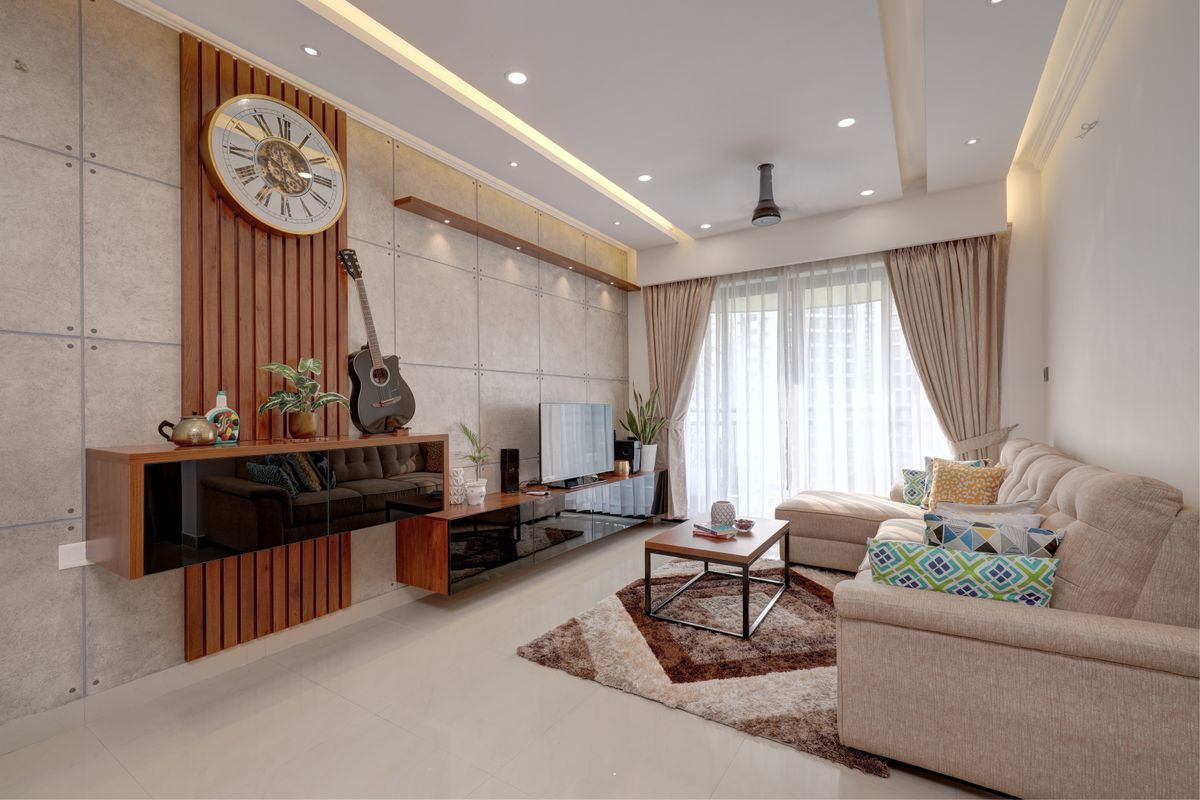
Emma realised her favourite part of the day was reading quietly with tea after work. Instead of focusing only on aesthetics, she created a small reading corner with a comfortable chair, soft lamp, and side table. That tiny corner completely changed how she used the room.
Small living rooms can still include personal zones with clever furniture placement. Even a compact armchair beside a window creates a peaceful retreat. Larger rooms often work best when divided into multiple cosy areas instead of one oversized seating arrangement.
According to Big Furniture Warehouse, living rooms designed around daily routines tend to feel more comfortable and functional over time.
These inspiring living room reading corner ideas can help you create your own relaxing escape at home.
Balance Modern Style with Practical Comfort
Scrolling through perfectly styled interiors online can create unrealistic expectations. Many modern living rooms look beautiful in photos but feel uncomfortable in real life. A smart modern living room interior balances style with everyday practicality.
Emma once bought a cream boucle chair because it looked luxurious online. Within weeks, it was covered in marks from daily use. She eventually chose stain-resistant fabrics that still looked stylish but worked better for real life.
Families with pets or children often benefit from durable fabrics, washable covers, and rounded furniture edges. Small spaces require practical pieces that multitask, while larger rooms need warmth to avoid looking too formal.
According to Your ID Interior Design, successful interiors combine beauty with functionality so homeowners enjoy the space every single day rather than simply admiring it occasionally.
Accessorise Slowly Instead of Decorating All at Once
One of the smartest lessons Emma learned was that beautiful living rooms evolve gradually. Rushing to fill every empty corner often leads to clutter and wasted money.
At first, she bought matching decorations all at once because she wanted the room finished quickly. But over time, the space felt overly staged rather than personal. Slowly adding meaningful pieces like travel souvenirs, framed family photos, and vintage finds gave the room more personality.
A thoughtful living room accessories list should include items that genuinely reflect your life. Cushions, candles, books, plants, and artwork all help a room feel lived-in and welcoming. Smaller spaces benefit from fewer but carefully chosen accessories, while larger rooms can handle layered styling more comfortably.
As reported by Beau Property Staging, thoughtful accessorising creates emotional warmth and makes interiors feel authentic rather than overly designed.
Build a Living Room That Still Feels Good Years Later
Trends come and go quickly, but comfort never goes out of style. The most successful living room interior checklist focuses on creating a room that supports everyday life while still looking beautiful over time.
Emma’s living room no longer looks exactly like the trendy Pinterest images she once saved. Instead, it feels personal, calm, and genuinely comfortable. Friends linger longer during visits, quiet evenings feel more relaxing, and the space finally works for her real lifestyle.
Whether your home is large or small, the goal is not perfection. It’s creating a room that feels welcoming when you walk through the door after a long day. Thoughtful layouts, practical furniture, warm lighting, and meaningful details all contribute to that feeling. When you build your living room slowly and intentionally, the result is a space that truly feels like home.
Author Bio – Daily Lifestyle Guide UK
Daily Lifestyle Guide UK shares practical home décor ideas, interior inspiration, and lifestyle tips designed for modern British homes. From cosy living room styling to smart space-saving ideas, the goal is to help readers create homes that feel beautiful, functional, and comfortable for everyday life.
Disclaimer
This article is intended for informational and inspirational purposes only. Interior design preferences, furniture choices, and home improvement decisions may vary depending on personal needs, budgets, and property layouts. Readers should always research products, measurements, and professional advice before making major home décor or renovation decisions.
FAQs
What is a living room interior checklist?
A living room interior checklist is a step-by-step guide that helps homeowners plan furniture, lighting, colours, storage, and décor elements for a balanced and functional living room design.
How do I make a small living room look bigger?
Using lighter colours, multifunctional furniture, mirrors, and smart storage can make a small living room feel more open. Keeping clutter minimal also helps create the illusion of extra space.
Why is lighting important in a living room?
Lighting affects both comfort and atmosphere. Layered lighting with ceiling lights, floor lamps, and accent lighting creates warmth and improves functionality for relaxing, reading, or entertaining guests.
How much furniture should a living room have?
The amount of furniture depends on room size and lifestyle needs. Small spaces benefit from minimal furniture, while larger rooms usually need layered seating and storage to avoid feeling empty.
What colours work best for modern living rooms?
Warm neutrals, earthy greens, beige tones, and soft greys remain popular for modern living rooms in 2026 because they create a calm and timeless atmosphere.
Is a minimalist living room design practical for families?
Yes, minimalist living room design can work well for families when combined with durable furniture, hidden storage, and comfortable layouts that support daily activities.