
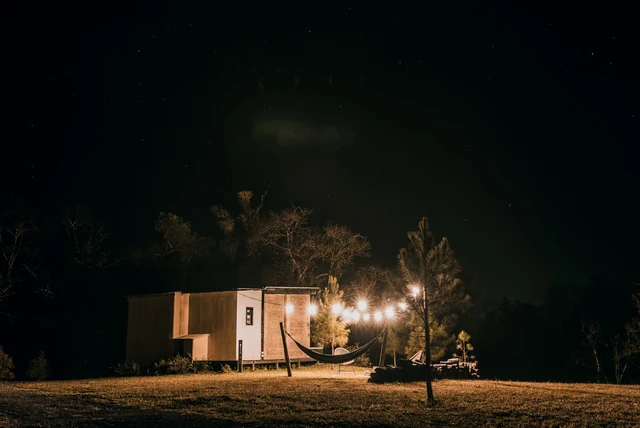

Lighting decides how many months of the year a garden room actually gets used. In a British winter it is dark before five, and a building at the end of the garden with one bare bulb and an unlit path will sit empty from October.
There are three separate jobs here: lighting the inside so it works, lighting the outside so the building looks like part of the garden, and lighting the route so getting there is not a deterrent.
Plan It While the Trench Is Open
Almost everything in this article is easy while the cable run to the building is being dug and awkward afterwards.
Put in more capacity than you need: a spare conduit, a circuit for outdoor lighting, and a switched supply near the door for path lighting. Adding any of it later means digging the garden again.
The building itself is covered in our garden room ideas guide.
Layers Inside, Not One Ceiling Light

A single central fitting in a small building flattens everything and throws shadow exactly where you are working.
- Ambient: the general wash. In a garden room this is often a run of recessed downlights or a linear fitting, and it should be dimmable.
- Task: a desk lamp, a reading light beside the chair, a strip under a shelf. This is the layer most garden rooms lack.
- Accent: something that makes the room look inviting from the house after dark. A lamp on a shelf does more for whether you walk down there than any amount of ceiling light.
Warm white around 2700K to 3000K suits a room you relax in; a workspace can go slightly cooler, but avoid anything that feels clinical in a timber building.
Screens, Glare and Video Calls
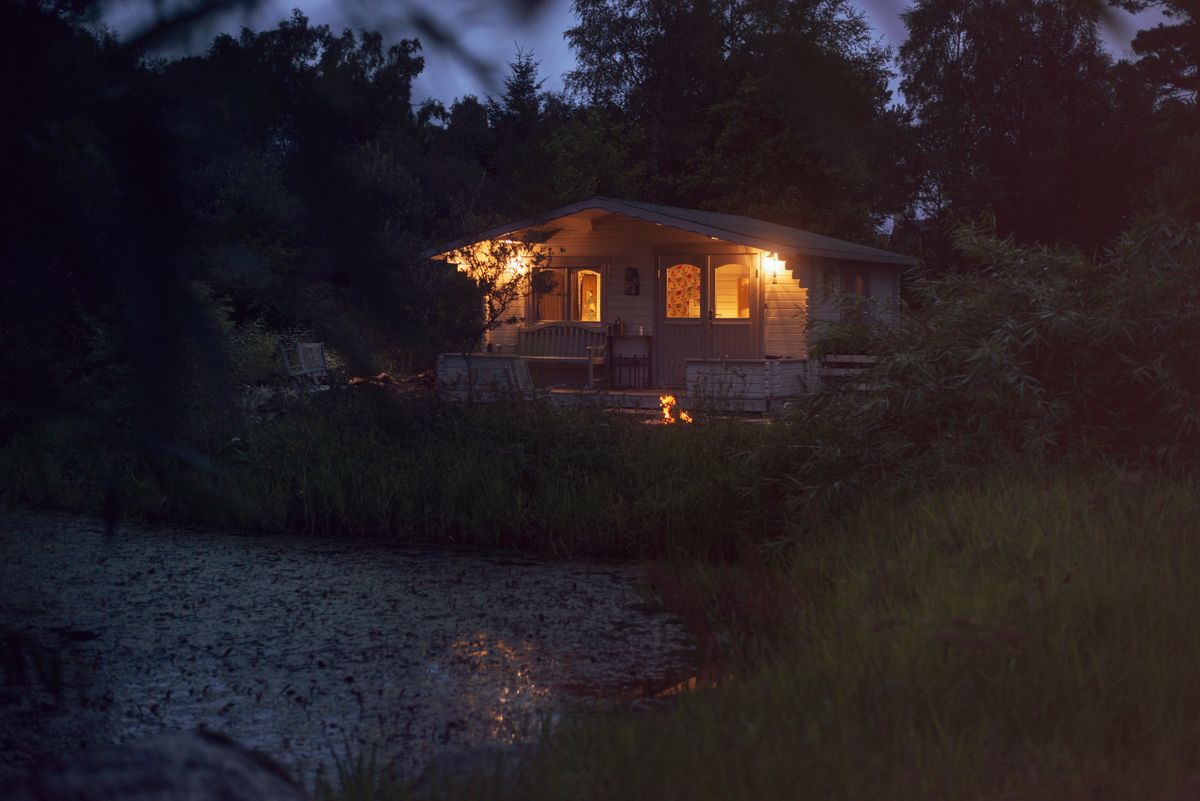
If the room is an office, lighting is not just about brightness. A downlight directly above a screen produces reflections, and a bright window behind you turns you into a silhouette on every call.
Light your face from the front or side rather than overhead, ideally with a diffuse source rather than a spot. A simple desk lamp bounced off a pale wall does more for how you appear on camera than any dedicated ring light.
Put the desk lighting on its own switch so you can have a working level and an evening level without changing bulbs.
Lighting the Path, Which Decides Everything
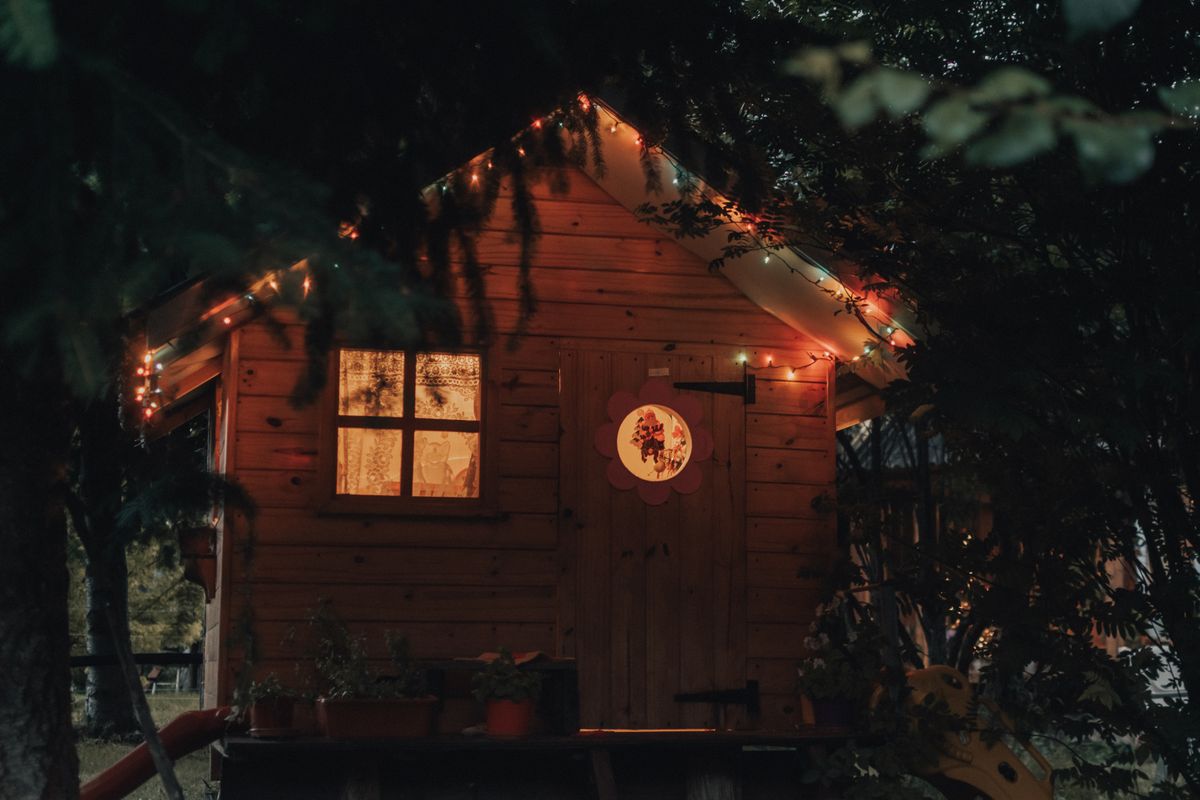
The route from the back door is the difference between a building used in January and one used in June.
Low bollards or spike lights along the path, or recessed markers in the paving, give enough light to walk safely without lighting the whole garden. Keep the output low; a garden path needs far less light than people fit, and a bright floodlight ruins the view from the house.
Put it on a motion sensor or a timer. A path light you have to remember to switch on from indoors will not be used.
Lighting the Building From Outside
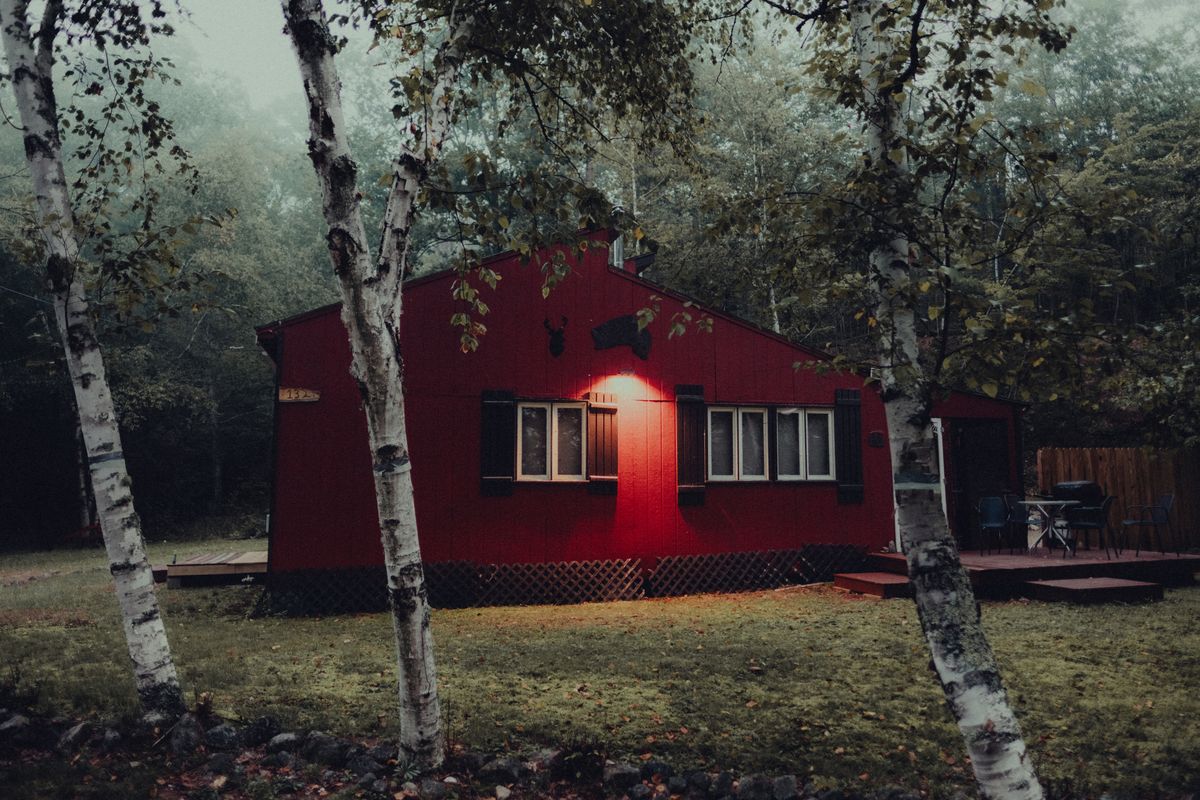
A garden room lit thoughtfully from outside becomes a feature of the garden in the evening rather than a dark mass at the end of it.
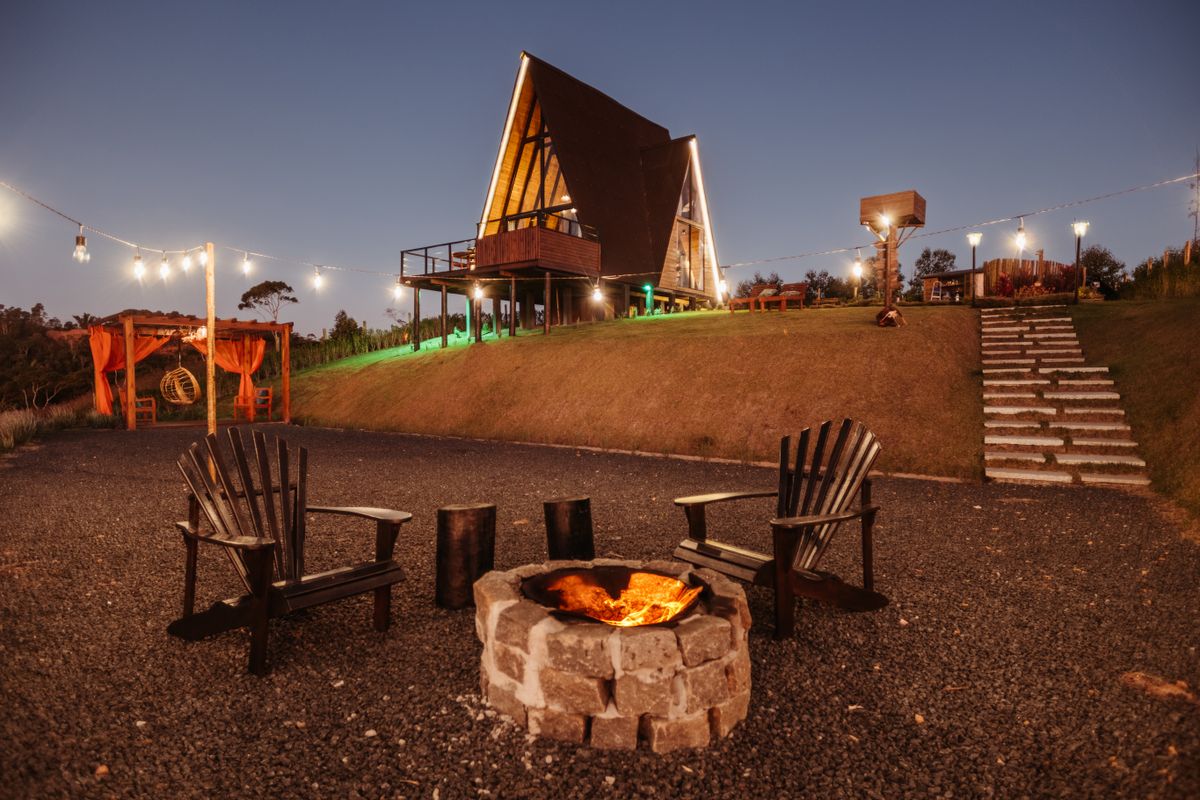
Uplighting the cladding from ground level shows the texture of the timber and gives the building presence. A light on either side of the door reads as a proper entrance. Festoon lights across the area in front of it do more for atmosphere than anything else, and cost very little.
Aim everything downward or at the building, not at the neighbours. Light spilling into someone else’s bedroom is the fastest way to a bad conversation over the fence.
Fittings Rated for Outdoors
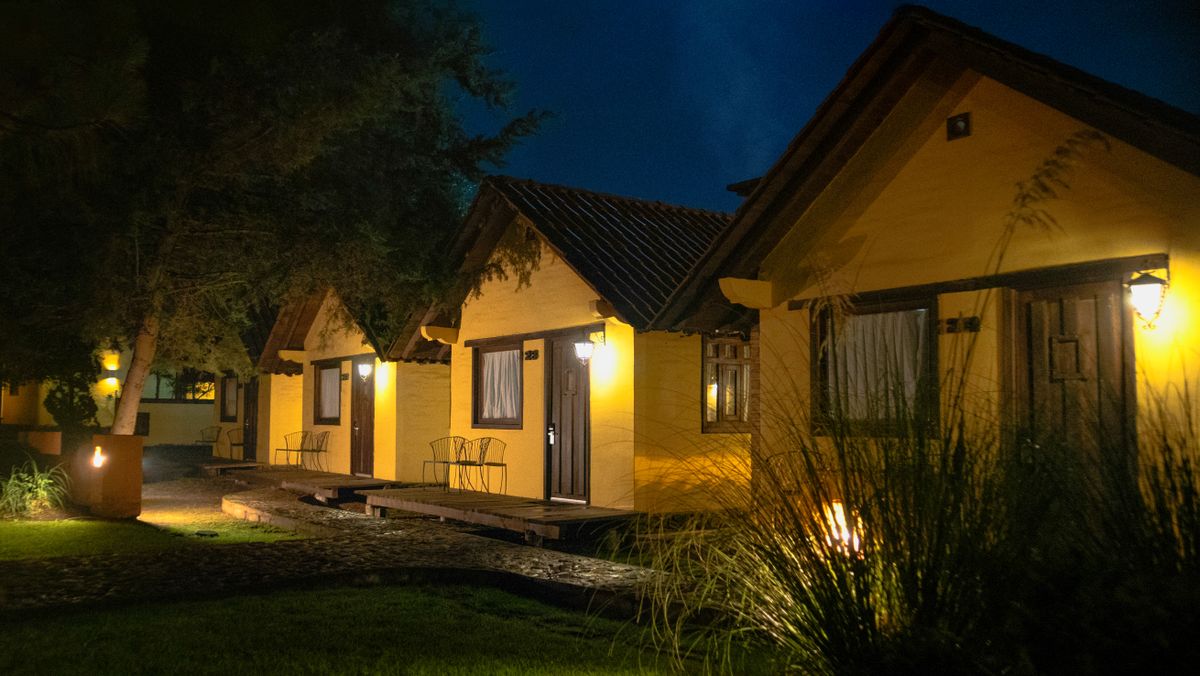
Anything outside needs an appropriate IP rating, and this is not a place to improvise.
- IP44 is generally the minimum for a sheltered outdoor position such as under an overhang.
- IP65 for anything fully exposed to rain.
- IP67 or above for ground-recessed fittings that may sit in standing water.
- Check the fitting is suitable for the mounting position, since some are rated only for wall mounting.
- Use outdoor-rated cable and connectors throughout, not indoor cable with tape on it.
All of this is straightforward for an electrician and none of it should be a DIY improvisation.
Switching, Sensors and Control
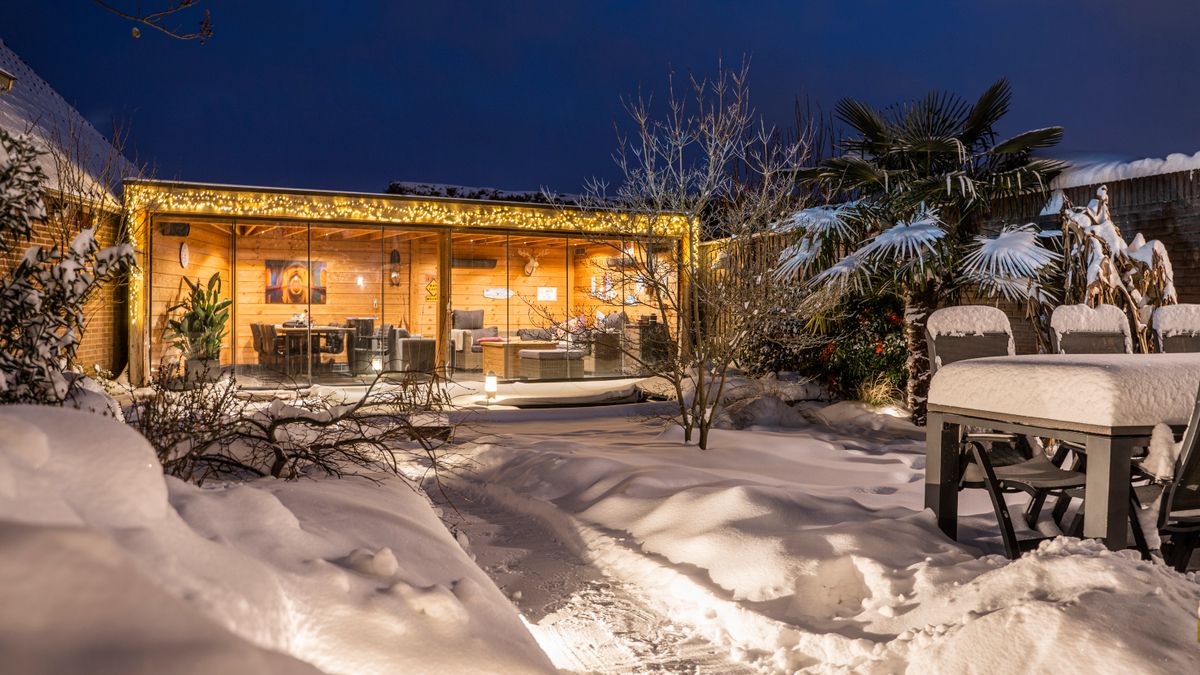
Being able to control the lighting from both the house and the building is what makes it get used.
At minimum, put the path and external lights on a switch inside the house as well as at the garden room. Smart switches or a simple app make this easier than running extra cable, provided the wifi reaches, which is a reason to have sorted the data cable.
Sensors suit the path and the approach. They do not suit the inside of an office, where sitting still at a desk and being plunged into darkness is a familiar annoyance.
Solar and Battery, and Their Limits
Solar garden lighting has improved enormously and is genuinely useful for path markers and decorative festoons, particularly where no permanent supply exists.
It is not a substitute for a wired supply inside a building you work in. Output drops exactly when you need it most, in a British December, and batteries degrade. Treat solar as a supplement or as a temporary measure while you decide whether the building justifies a proper installation.
Battery-powered wall lights with a remote are a reasonable stopgap inside an unwired summer house.
Energy Use and Practical Details
- Use LED throughout. The running cost of decorative outdoor lighting is then genuinely trivial.
- Put decorative lighting on a timer so it is not on at three in the morning.
- Choose fittings you can reach to clean. Outdoor lenses cloud with dirt and algae surprisingly fast.
- Keep colour temperature consistent across the garden. Mixing warm and cool fittings outdoors looks accidental.
- Check dark sky considerations if you are in a rural area, and be considerate about wildlife, which is disturbed by constant bright lighting.
Final Thoughts
Light the inside in layers rather than with one ceiling fitting, light the path so the walk down is not a deterrent, and light the building itself so it looks like somewhere you would want to go.
Do as much of it as possible while the cable trench is open. Everything is cheap at that moment and expensive afterwards.
Frequently Asked Questions
How should I light a garden office?
In layers: dimmable ambient light, a task lamp at the desk, and an accent light. Light your face from the front or side to avoid screen glare and silhouettes.
What IP rating do garden room outdoor lights need?
IP44 for sheltered positions, IP65 for fully exposed fittings and IP67 or above for ground-recessed lights that may sit in water.
How do I light the path to a garden room?
Low bollards, spike lights or recessed paving markers on a sensor or timer. Keep the output low, since a path needs far less light than people fit.
Can I use solar lighting for a garden room?
For path markers and festoons, yes. It is not a substitute for a wired supply inside a working building, as output drops in winter.
Should garden room lights be on a sensor?
Sensors suit the path and approach. Inside an office they are annoying, because sitting still at a desk switches them off.
How do I avoid annoying my neighbours with garden lighting?
Aim fittings downward or at the building, keep output low, and put decorative lighting on a timer so it is not running overnight.
Disclaimer
This article is for general information only. Planning and building regulations vary by property and by UK nation and change over time. Confirm current requirements with your local authority and use qualified trades for electrical and structural work.