
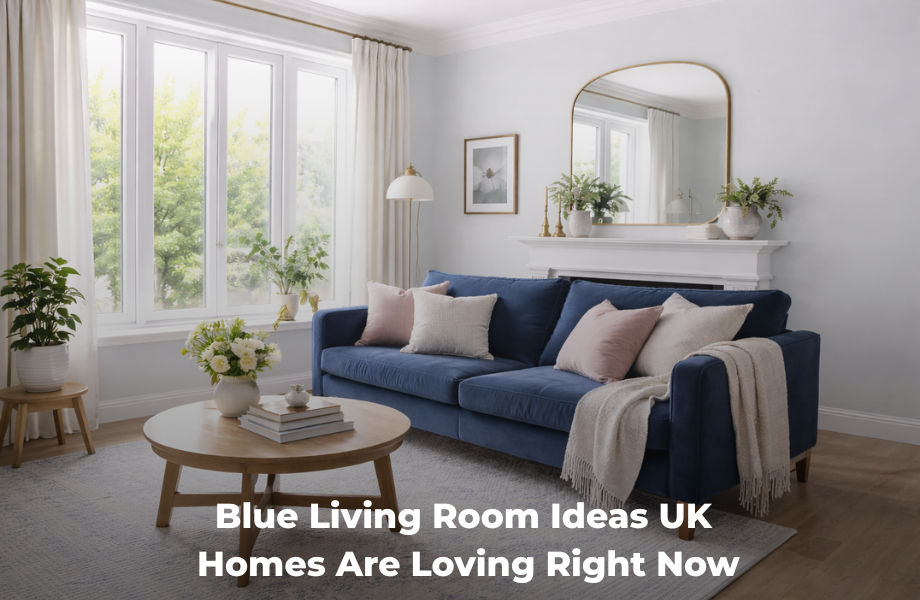

It usually starts the same way. You’re sitting in your living room on a grey afternoon, tea in hand, scrolling through home inspiration photos. Everything looks brighter, calmer, more “put together” than your own space. Then you notice something — blue keeps showing up. Soft blue walls, deep navy sofas, cosy corners that somehow feel warm even on cloudy days. And suddenly you wonder… could this work in your home too? That hesitation is real. Many UK homeowners worry blue might feel cold or dark, especially with our unpredictable light. But here’s the truth: the best blue living room ideas UK homes are using today don’t feel cold at all. They feel layered, welcoming, and deeply personal. The secret isn’t just the colour — it’s how it’s used. And once you see how it all comes together, blue stops feeling risky and starts feeling like the smartest design decision you can make.
Why Blue Works So Naturally in British Homes

Blue interiors feel natural and calming in UK homes with soft daylight.
Image source: pixaby
There’s something quietly familiar about blue in a UK home. Think about it — the sky, the sea, even the soft tones of a rainy morning. Blue already exists in our everyday surroundings, which is why it feels so natural indoors. Imagine walking into a Victorian terrace where the walls are painted a soft muted blue, paired with a worn leather chair and warm wooden floors. It doesn’t feel styled — it feels lived in. That’s the beauty of blue. It adapts.
In smaller flats, lighter blues reflect what little daylight comes in, making the space feel open. In larger homes, deeper shades like navy add depth and character without overwhelming the room. According to B&Q’s interior design advice, blue is one of the most flexible colours because it pairs easily with common UK neutrals like grey carpets and beige sofas. It doesn’t fight the space — it works with it. And that’s exactly why so many British homes are embracing it.
Choosing the Right Shade for Your Space
Not all blues feel the same — and this is where most people go wrong. Picture two living rooms. One uses a deep navy in a north-facing space with very little light. It feels heavy, almost closed in. The other uses a soft dusty blue in the same layout, and suddenly the room feels calm and open. The difference? Lighting and tone.
In the UK, natural light changes constantly. A shade that looks perfect at noon can feel completely different by early evening. In south-facing rooms, you can afford to go darker because sunlight softens the intensity. But in cooler, north-facing spaces, lighter or slightly warm-toned blues work better. As reported by Checkatrade, testing paint samples at different times of day is essential before committing.
If your space is small, choosing the right shade becomes even more important. You’ll find helpful layout tips in this small living room layout ideas guide, especially when combining colour with space-saving design. Blue isn’t about picking a colour — it’s about understanding how your room lives and breathes.
Navy Blue Lounge Ideas That Feel Rich, Not Heavy

Navy blue adds depth when balanced with warm textures and lighting.
Image source: pixaby
Navy often gets a bad reputation for being too dark, but when done right, it feels incredibly sophisticated. Imagine stepping into a lounge with navy walls, a soft cream sofa, and a brass floor lamp casting a warm glow in the corner. It doesn’t feel cold — it feels intentional.
Navy works best when it has contrast. Pair it with lighter fabrics, warm woods, and soft lighting. In period homes, it highlights architectural features like fireplaces and cornicing beautifully. In modern spaces, it adds depth to otherwise minimal rooms. According to LuxDeco, combining navy with materials like velvet and metallic finishes can instantly elevate a space into something more luxurious.
If you’re unsure about committing to navy walls, start with furniture instead. A navy sofa can become the centrepiece without overwhelming the room. If you’re considering this, the best sofa for small living room UK guide can help you choose something that fits both your style and your space.
Light Blue Living Room Décor for Calm, Airy Spaces

Light blue tones help small spaces feel brighter and more open.
Image source: pixaby
Not everyone wants bold drama — sometimes you just want your living room to feel calm. That’s where light blue comes in. Picture a small flat with pale blue walls, white trim, and sheer curtains moving gently with the breeze. It feels open, peaceful, and easy to live in.
Light blue works especially well in compact UK homes where space and light are limited. It reflects natural light and creates a soft, relaxed atmosphere. But here’s the trick — without texture, it can feel flat. That’s why layering matters. Cushions, throws, and subtle patterns add depth without clutter.
As stated by No Space Like Home, combining soft blues with textured fabrics is what makes the room feel cosy rather than cold. Even small details can help carry the theme through your home, like adding accents from spaces such as these blue kitchen tiles ideas for a consistent look. Light blue isn’t just a colour — it’s a mood.
Lighting: The Detail That Changes Everything
Here’s a moment many people recognise. You paint your walls blue, step back, and something feels… off. The colour is right, but the room feels dull. Most of the time, the problem isn’t the paint — it’s the lighting.
Blue absorbs more light than neutral shades, which means poor lighting can make the space feel colder than it actually is. Imagine a single ceiling light casting harsh shadows across navy walls. Now picture the same room with a floor lamp beside the sofa, a table lamp in the corner, and warm bulbs softening the space. Completely different feeling.
Layered lighting is essential in UK homes, especially during winter months when natural light fades early. Warm white bulbs, placed at different heights, create depth and comfort. Instead of relying on one light source, build small pockets of light around the room. That’s what turns blue from cold to cosy.
Combining Blue with Other Colours for Balance
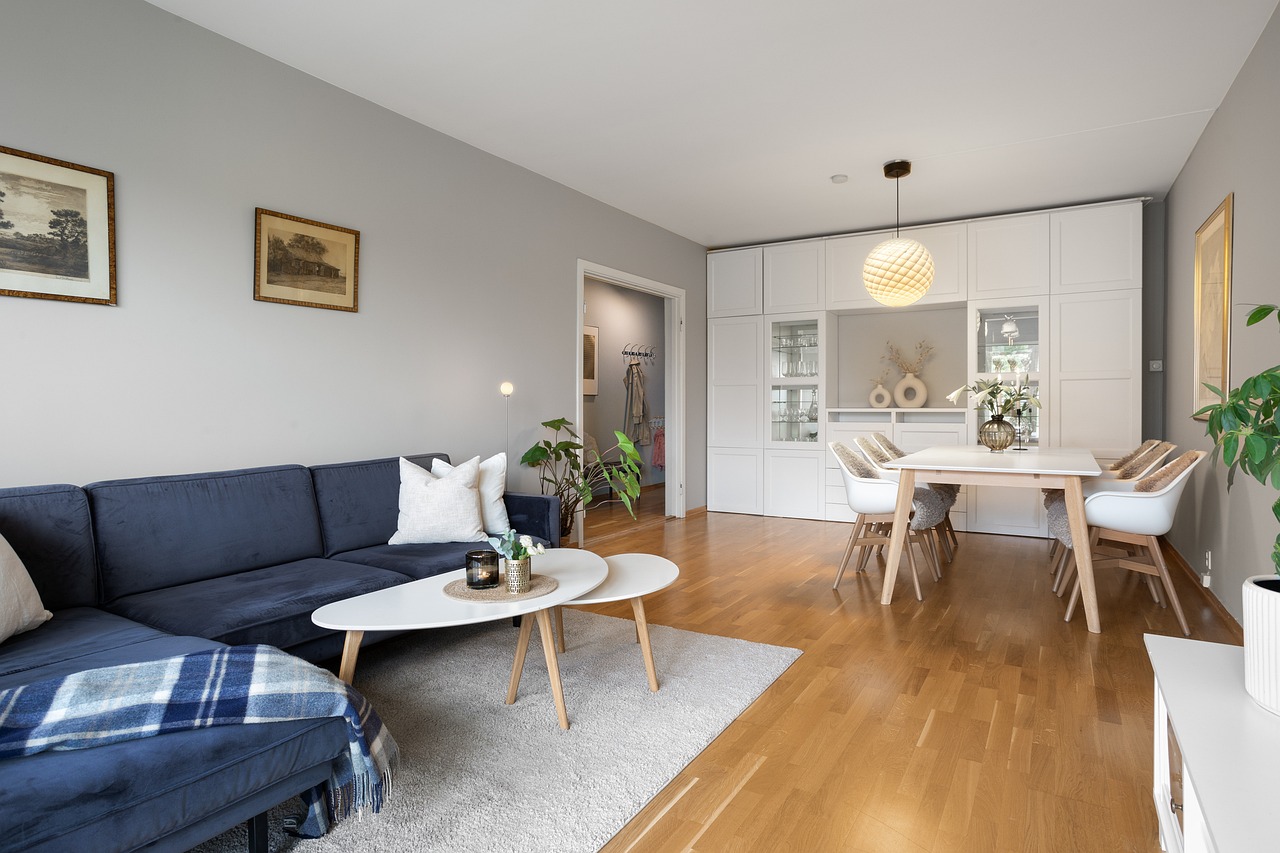
Pairing blue with warm tones creates a balanced space.
Image source: pixaby
Blue rarely works alone — and that’s a good thing. The magic happens when it’s paired with the right tones. Imagine a navy sofa against a soft beige wall, with a wooden coffee table tying everything together. The blue stands out, but it doesn’t overpower the room.
Warm neutrals like beige and taupe soften blue instantly. Mustard adds energy without feeling too bold. Soft pink creates a more modern, elegant look. And wood — especially oak or walnut — brings warmth that balances cooler tones perfectly.
The key is restraint. Too many strong colours can make the room feel chaotic. Instead, let blue lead and allow other tones to support it. When done right, the space feels layered and thoughtful rather than busy.
Final Thoughts: Making Blue Feel Like Home
At first, choosing blue might feel like a risk. But once you see how it works in real spaces — how it reacts to light, how it pairs with textures, how it shifts with the seasons — it starts to feel like the most natural choice in the world. The best blue living room ideas UK homeowners are using today aren’t about following trends. They’re about creating a space that feels calm, balanced, and personal. Whether you start with a soft blue wall or a bold navy sofa, the transformation is often bigger than expected. If you’ve been hesitating, this might be your sign to try. Sometimes, one colour really can change everything.
Author Bio
The Editorial Team at dailylifestyleguide is a group of UK-based writers, home enthusiasts, and lifestyle researchers who are passionate about making everyday living simpler and more stylish. With a strong focus on modern British homes, the team shares practical advice, real-life ideas, and easy-to-follow inspiration that readers can actually use in their own spaces.
From small living room solutions to colour styling and furniture choices, every article is carefully researched and written with real UK households in mind. The goal is simple — to help readers create homes that feel comfortable, personal, and functional without overcomplicating the process or requiring a large budget.
Disclaimer
The information provided in this article is intended for general guidance and inspiration only. While every effort is made to ensure the content is accurate and up to date, home design trends, product availability, and pricing may change over time. Readers are encouraged to carry out their own research and consider their individual space, budget, and requirements before making any decisions.
Any external links included are provided for additional context and reference. We do not control or take responsibility for the content, policies, or accuracy of third-party websites. If you notice any outdated information or would like to suggest an update, our editorial team welcomes feedback and may revise the content to improve its accuracy and usefulness.
FAQs
Is blue a good colour for small UK living rooms?
Yes, especially lighter shades. They reflect natural light and help small spaces feel more open. In compact UK homes, soft blue tones can create a calm and airy feel without making the room look cramped.
How do I make a blue living room feel warm?
You can balance blue by adding warm materials like wood, soft fabrics, and warm white lighting. Layering textures such as cushions and rugs also helps prevent the room from feeling cold.
What colours go well with navy blue?
Navy pairs beautifully with beige, cream, mustard, blush pink, and natural wood tones. These combinations soften the depth of navy and create a balanced, welcoming space.
Are blue sofas practical for family homes?
Yes, darker blue sofas are very practical. They hide small marks and everyday wear better than lighter fabrics, making them ideal for busy households.
Why does blue sometimes look different in my room?
Blue changes depending on lighting. Natural light, bulb temperature, and room direction all affect how it appears. That’s why testing paint samples at different times of day is important.