
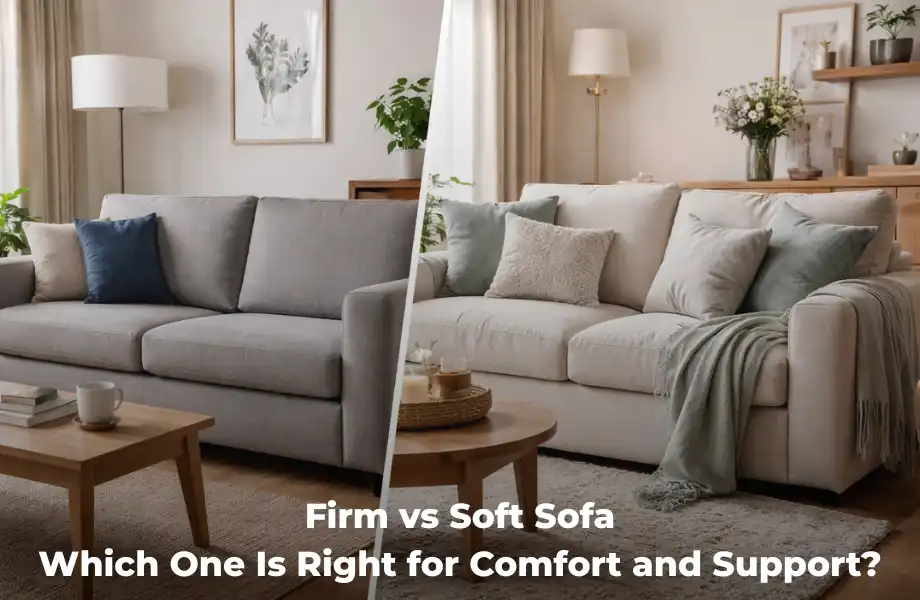

You sit down in a showroom. One sofa feels like a cloud. The other feels structured and supportive. The soft one seems inviting… but will it still feel good after an hour? The firm one feels solid… but will it ever feel cosy?
Choosing between a firm vs soft sofa isn’t just about personal preference. It directly affects how comfortable you feel every day, how well your body is supported, and how long your sofa will last. In UK homes, where sofas are used for relaxing, working from home, entertaining guests, and even napping, this decision becomes even more important.
Let’s break it down in detail so you can confidently choose the right sofa for your home and lifestyle.
Why Firmness Matters More Than Style

Choosing the right sofa firmness affects comfort and posture
Image source: pixaby
It’s easy to focus on how a sofa looks first. Colour, fabric and design often stand out in showrooms. However, firmness has a far greater impact on long-term comfort and usability.
A sofa might look perfect, but if it doesn’t support your body correctly, it can quickly become uncomfortable. According to Forbes, comfort and support are key factors in determining whether a sofa remains enjoyable over time.
- Back support and posture
- How well cushions hold shape
- Daily comfort levels
- Ease of sitting and standing
In many UK homes, especially smaller spaces, a sofa is used frequently. Choosing the wrong firmness can affect comfort very quickly.
What Is a Firm Sofa?

Firm sofas provide strong support and maintain shape longer
Image source: pixaby
A firm sofa is designed to offer strong support with minimal sinking. It typically uses high-density foam and a solid frame structure to maintain shape and durability.
According to FCI London, firmer sofas are often better for posture and long-term support, especially in households where sofas are used daily.
- High-density foam cushions
- Strong internal frame
- Minimal sink-in feel
- Upright seating position
Benefits of a Firm Sofa
Firm sofas are ideal for people who prioritise support and durability. They help maintain proper posture and reduce strain on your back during extended sitting periods.
- Improves spinal alignment
- Easier to stand up from
- Retains shape longer
- Ideal for work-from-home setups
When It May Not Suit
Firm sofas can feel too structured for people who prefer a relaxed seating experience.
- Less comfortable for lounging
- Limited “sink-in” feel
- May feel rigid for some users
What Is a Soft Sofa?

Soft sofas are ideal for relaxed and cosy seating
Image source: pixaby
A soft sofa focuses on comfort and relaxation. It typically features fibre or feather-filled cushions that allow you to sink into the seat.
As explained by Furniturebox, softer fillings create a more relaxed and informal seating experience.
- Soft fibre or feather fillings
- Deep seating design
- Plush cushions
- Relaxed appearance
Benefits of a Soft Sofa
Soft sofas are ideal for relaxing and unwinding. They create a warm and inviting feel in your living space.
- Highly comfortable
- Perfect for lounging
- Cosy and inviting design
When It May Not Suit
Soft sofas may lack the support needed for long sitting sessions.
- Reduced back support
- Cushions flatten faster
- Require frequent fluffing
What About Medium Sofas?

Medium-firm sofas offer the best of both comfort and support
Image source: pixaby
Medium-firm sofas offer a balance between comfort and support. They are the most common choice in UK homes because they suit a wide range of users.
According to The Telegraph, medium firmness provides the best balance for everyday use.
- Comfortable for long periods
- Supportive for posture
- Suitable for multiple uses
If you’re unsure, this is usually the safest option.
Frame and Support Matter Too
Firmness is not just about cushions. The internal frame and support system play a major role in comfort and durability.
As highlighted by Paliano Casa, a strong frame ensures the sofa maintains its structure over time.
- Hardwood frames last longer
- Springs provide better support
- Webbing creates a softer feel
A strong internal structure ensures your sofa performs well for years.
Cushion Filling Makes the Difference
The filling inside cushions determines both firmness and maintenance.
High-Density Foam
- Firm and supportive
- Long-lasting
- Low maintenance
Fibre Fill
- Soft and comfortable
- Needs regular fluffing
- Loses shape faster
Feather Fill
- Luxurious and soft
- Requires frequent care
- Best for relaxed seating
For more sofa buying insights, see our how to choose a sofa UK guide.
Fabric and Material Considerations
Material affects both feel and durability. Leather tends to feel firmer, while fabric feels softer and warmer.
Choosing the right material depends on your lifestyle and usage needs.
If you’re comparing sofa types, explore recliner sofa vs regular sofa and modular sofa vs sectional sofa.
How Sofas Feel Over Time
Sofas change with use. Firm sofas soften slightly, while soft sofas may lose shape faster.
- Firm sofas become slightly softer
- Soft sofas may sag
- Cushions compress over time
Long-term comfort is more important than initial showroom feel.
Room Size and Layout Impact

Choosing the right sofa helps maximise space
Image source: pixaby
In smaller UK homes, firm sofas often work better because they have cleaner lines and take up less visual space.
Maintaining your sofa properly also helps. See how to clean leather sofa UK for care tips.
Testing in Store: What to Notice
Before buying, test the sofa properly:
- Sit for at least five minutes
- Check back support
- Try different positions
- Stand up easily
Always prioritise comfort over appearance.
Conclusion
The firm vs soft sofa decision depends entirely on your lifestyle and how you use your living space. Firm sofas offer structure, durability, and better posture support, making them ideal for everyday use and work-from-home setups. Soft sofas, on the other hand, provide a cosy and relaxed experience, perfect for unwinding after a long day.
For most UK households, a medium-firm sofa offers the best balance between comfort and support. It works well for multiple uses, from relaxing to socialising, without compromising durability.
Ultimately, the best choice is the one that suits your daily habits. Test thoroughly, think long-term, and prioritise comfort over initial impressions. A well-chosen sofa can remain comfortable and supportive for many years.
Author Bio
The Editorial Team at Daily Lifestyle Guide is dedicated to helping UK homeowners make informed decisions about furniture and home design. With expertise in interior planning and furniture research, the team provides clear, practical advice tailored to modern British lifestyles.
Disclaimer
This article is for general informational purposes only. Sofa comfort and durability vary depending on materials, construction, and individual preferences. Always test sofas in-store before purchasing and consult professionals if needed.
Daily Lifestyle Guide is not responsible for decisions made based on this content. Information may be updated as new insights become available.
FAQs
1. Is a firm sofa better for your back?
Yes, firm or medium-firm sofas usually provide better spinal support.
2. Do soft sofas wear out faster?
Yes, they tend to lose shape quicker than firm sofas.
3. What is the best firmness for daily use?
Medium-firm is ideal for most households.
4. How can I tell if a sofa is too soft?
If you sink too deeply or struggle to get up, it’s too soft.
5. Can a sofa be too firm?
Yes, overly firm sofas can feel uncomfortable over time.
6. Can I make a soft sofa firmer?
Yes, by replacing cushions or adding support boards.
7. Do firm sofas soften over time?
Yes, most soften slightly with use.
8. Which sofa is better for families?
Firm or medium-firm sofas are more durable and practical.
9. Does material affect firmness?
Yes, but internal filling has a bigger impact.
10. How long should a sofa last?
A good sofa typically lasts 6–15 years depending on quality.