
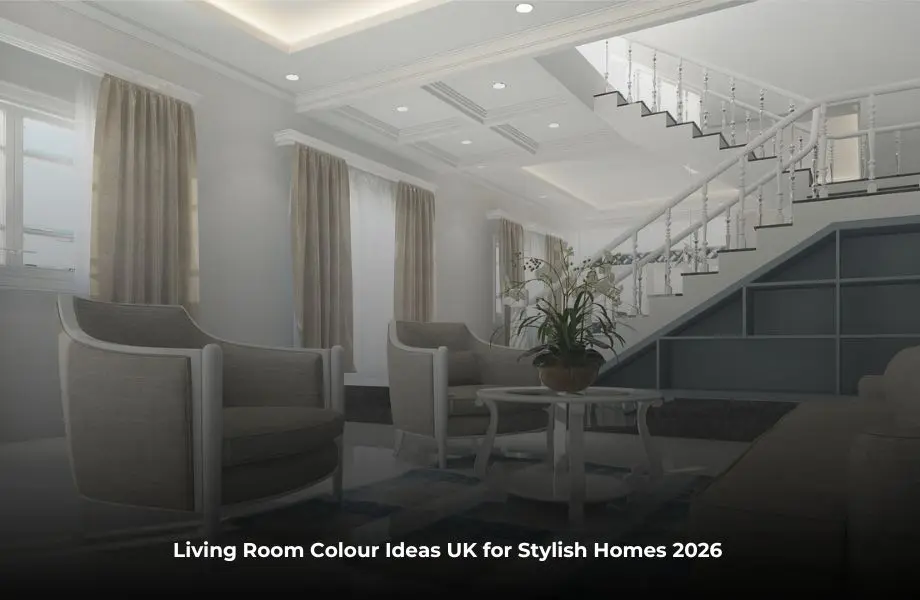

Last winter, I remember walking into a friend’s flat in London and instantly feeling something was… off. The furniture was beautiful, the layout was smart, but the walls felt cold, almost distant. A few months later, she repainted the space in a soft warm beige with a muted green accent wall—and suddenly, everything felt alive. That’s the quiet power of colour. It doesn’t just decorate a room; it shapes how you feel inside it. If you’ve been searching for living room colour ideas UK homeowners are actually loving in 2026, you’re in the right place. Whether your space is tiny, open-plan, or somewhere in between, the right colour combination can completely transform your everyday living experience.
Why Colour Matters More Than You Think in UK Living Rooms
There’s a reason why some rooms instantly feel cosy while others feel uninviting—and it often comes down to colour. In the UK, where natural light can be limited for a good part of the year, your wall colour plays an even bigger role. Imagine coming home after a long grey afternoon, and your living room greets you with warm, comforting tones instead of cold, flat walls.
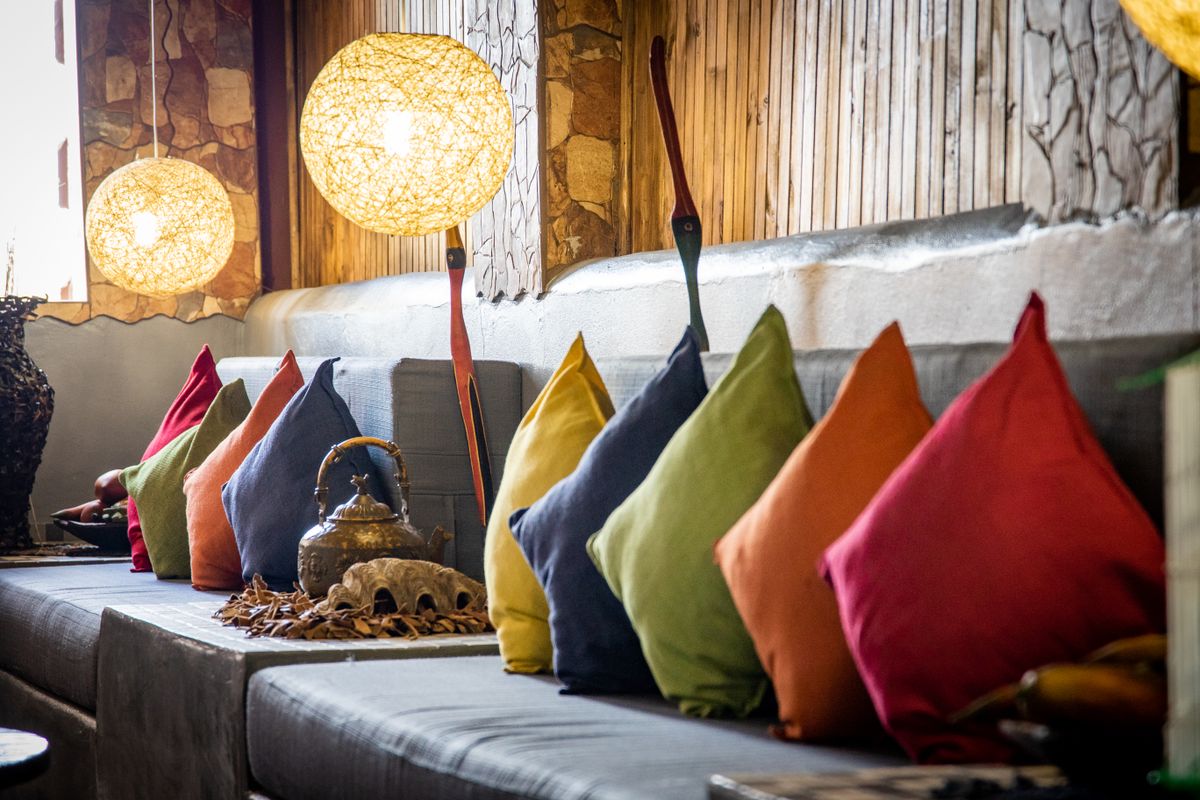
Colour psychology isn’t just a design buzzword. It genuinely affects mood, focus, and relaxation. Soft neutrals can calm your mind, while deep shades can create a sense of luxury and intimacy. According to BBC reports on colour psychology, different shades can subtly influence emotions and behaviour, which is why choosing the right palette matters more than most people realise.
In many UK homes, especially terraces and flats, living rooms serve multiple purposes—from relaxing to working. That’s why your colour choice should support both comfort and functionality. It’s not just about what looks good in photos—it’s about how it feels to live in every day.
Warm Neutral Living Room Colours That Feel Instantly Cosy
There’s something quietly comforting about warm neutral tones. Think soft beige, creamy whites, and gentle taupes. These shades don’t scream for attention, but they create a space where everything else can shine. I once helped a neighbour repaint her narrow living room in a warm off-white, and suddenly the room felt twice as big and ten times more welcoming.
Warm neutrals work beautifully in UK homes because they reflect light without feeling cold. They’re perfect if you want a timeless look that won’t feel outdated next year. Shades like greige (a mix of grey and beige) are especially popular in 2026 because they balance warmth and modern style.
They also pair effortlessly with wood furniture, textured fabrics, and soft lighting. According to House Beautiful UK, neutral palettes remain one of the most versatile choices for living spaces because they adapt easily to changing trends.
If you love calm, uncluttered interiors, you might also enjoy these minimalist living room ideas UK for a cohesive look.
Bold Colour Ideas That Add Personality Without Overwhelming
Not every living room needs to play it safe. Sometimes, a bold colour is exactly what a space is missing. Picture a deep navy wall behind your sofa or a rich forest green that instantly adds depth and character. These colours don’t just decorate—they tell a story.
The trick is balance. Instead of painting every wall, many UK homeowners are choosing a single statement wall paired with softer tones. This creates impact without making the room feel smaller or darker. Jewel tones like emerald, burgundy, and navy are especially trending in 2026.
Interestingly, data from Valspar UK shows a rise in homeowners experimenting with darker shades to create more personalised interiors.
If your living room feels a bit “safe” or uninspiring, adding one bold colour might be the easiest way to transform it without a full redesign.
Small Living Room Colour Ideas That Make Space Feel Bigger
Small living rooms are common across the UK, especially in city flats. But the right colour can completely change how spacious your room feels. I’ve seen tiny rooms go from cramped to airy just by switching to lighter tones.

Soft whites, pale greys, and light pastels reflect more light, making walls appear further apart. But here’s a little trick—using the same colour on walls, ceilings, and even trims can blur boundaries and create the illusion of space.
Another clever approach is adding subtle contrast. For example, pairing light walls with slightly darker furniture can add depth without shrinking the room. According to Lick’s design insights, tonal layering is one of the most effective ways to enhance small spaces.
For layout ideas that complement your colour choices, explore these small living room layout ideas UK.
Two-Colour Combinations That Actually Work in Real Homes
Choosing one colour is hard enough—so why do two? Because when done right, it adds depth and interest without overwhelming the room. Think of it like pairing an outfit. The right combination just works.
Popular combinations in UK homes include soft grey with blush pink, navy with crisp white, or sage green with warm beige. These pairings create contrast while still feeling cohesive. I once saw a living room with half-painted walls—light grey on top and darker grey below—and it looked effortlessly stylish.
Two-tone walls can also help define areas in open-plan spaces, which are increasingly common in modern UK homes. According to Furniture Choice, layered colour schemes are becoming a key trend for adding dimension without clutter.
If you’re unsure where to start, begin with a neutral base and add a complementary colour through an accent wall or furniture.
Modern Living Room Colours Trending Across the UK in 2026
Trends come and go, but some colours are defining UK interiors in 2026. Earthy tones are leading the way—think terracotta, olive green, and muted clay shades. These colours bring warmth and a connection to nature, which many homeowners are craving.
There’s also a shift towards softer, lived-in colours rather than stark, perfect finishes. Slightly imperfect, chalky textures are becoming more popular because they feel more natural and less “showroom-like.”
According to LGC Decorators, modern living room colours are moving towards calming, grounded palettes that support wellbeing at home.
These trends aren’t just about style—they reflect how people want their homes to feel: comfortable, relaxed, and personal.
Cosy Living Room Colour Ideas Perfect for UK Winters
There’s something special about a living room that feels warm and inviting on a cold evening. Deep, rich colours like charcoal, chocolate brown, and dark green can make a space feel like a comforting retreat.
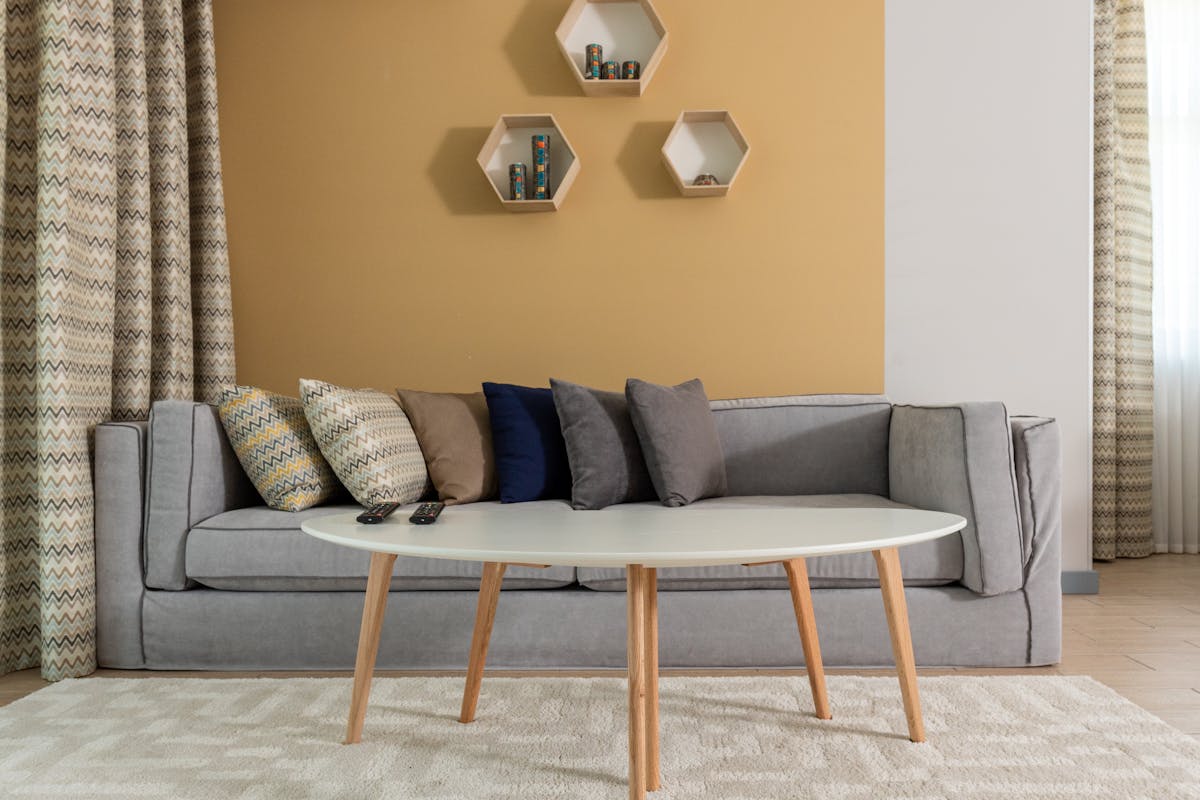
Pair these shades with warm lighting, soft throws, and textured fabrics, and you’ve created the perfect cosy atmosphere. I’ve seen people completely transform their living rooms just by adding a darker feature wall and switching to warmer bulbs.
Cosy doesn’t mean dark everywhere—it’s about contrast. Light furniture against darker walls can create a balanced, welcoming look. According to House Beautiful UK, layering colours and textures is key to creating a snug, inviting space.
For more inspiration, check out these cosy living room ideas for winter UK.
Light vs Dark Living Room Colours: What Works Best?
This is one of the most common questions—and the answer isn’t as simple as you might think. Light colours open up a space and reflect natural light, making them ideal for smaller or darker rooms. But dark colours add depth, drama, and a sense of luxury.
The decision often comes down to your room’s size, lighting, and how you use the space. A bright, south-facing living room can handle deeper tones beautifully, while a north-facing room might benefit from lighter shades.
Interestingly, design experts cited by Forbes suggest that darker tones can create a more intimate and relaxing environment when used thoughtfully.
In reality, many UK homeowners are blending both—using light colours as a base and adding darker accents for contrast.
How to Choose the Right Living Room Colour for Your Home
Standing in a paint aisle can feel overwhelming. So many shades, all slightly different. The secret? Start with how you want your room to feel, not just how you want it to look.
Think about your daily routine. Do you want a calming space to unwind, or a vibrant area for socialising? Look at your furniture, flooring, and natural light before choosing a colour. Even the direction your windows face can change how a colour appears.
Testing paint samples on your walls is essential. Colours can look completely different in real lighting compared to a small swatch. According to BBC lifestyle advice, viewing paint at different times of day helps you make a more confident choice.
If you’re working with a compact space, you might also find inspiration in these tiny house interior ideas UK.
Conclusion: Creating a Living Room That Feels Like Home
At the end of the day, your living room isn’t just about trends or perfect colour palettes—it’s about how it makes you feel. The best living room colour ideas UK homeowners are embracing in 2026 all have one thing in common: they create spaces that feel personal, warm, and lived-in. Whether you choose soft neutrals, bold statement shades, or a mix of both, the right colours can completely transform your everyday life at home. So take your time, test your options, and trust your instincts. Because when you walk into your living room and it just feels right—that’s when you know you’ve chosen well.
FAQs
What are the best living room colour ideas UK homeowners prefer?
Most UK homeowners prefer warm neutrals, soft greys, and earthy tones. These colours work well with limited natural light and create a cosy, welcoming atmosphere while staying timeless and easy to update.
How do I choose colours for a small living room?
Light colours like white, cream, and pale grey can make a small living room feel larger. Using consistent tones across walls and ceilings also helps create a more open, airy feel.
Is it okay to use dark colours in a living room?
Yes, dark colours can add depth and sophistication. They work best in well-lit rooms or when used as an accent wall alongside lighter shades to maintain balance.
What are trending living room colours in the UK for 2026?
Earthy tones like terracotta, olive green, and warm beige are trending. These colours reflect a shift towards natural, calming interiors that feel relaxed and inviting.
How many colours should I use in a living room?
Most designers recommend using two to three colours. A base neutral combined with one or two accent shades creates a balanced and visually appealing space.
Do living room colours affect mood?
Yes, colours can influence how you feel. Warm tones create comfort, while cool tones promote calmness. Choosing the right palette can improve both mood and relaxation.
Author Bio: Daily Lifestyle Guide — UK homeowners
Disclaimer: This article is for informational purposes only. Trends and preferences may vary based on personal taste, property type, and lighting conditions. Always test paint samples before making final decisions.
Why UK Lighting Changes Everything
Before choosing any shade, consider this: British natural light is often cooler and softer than in sunnier countries.
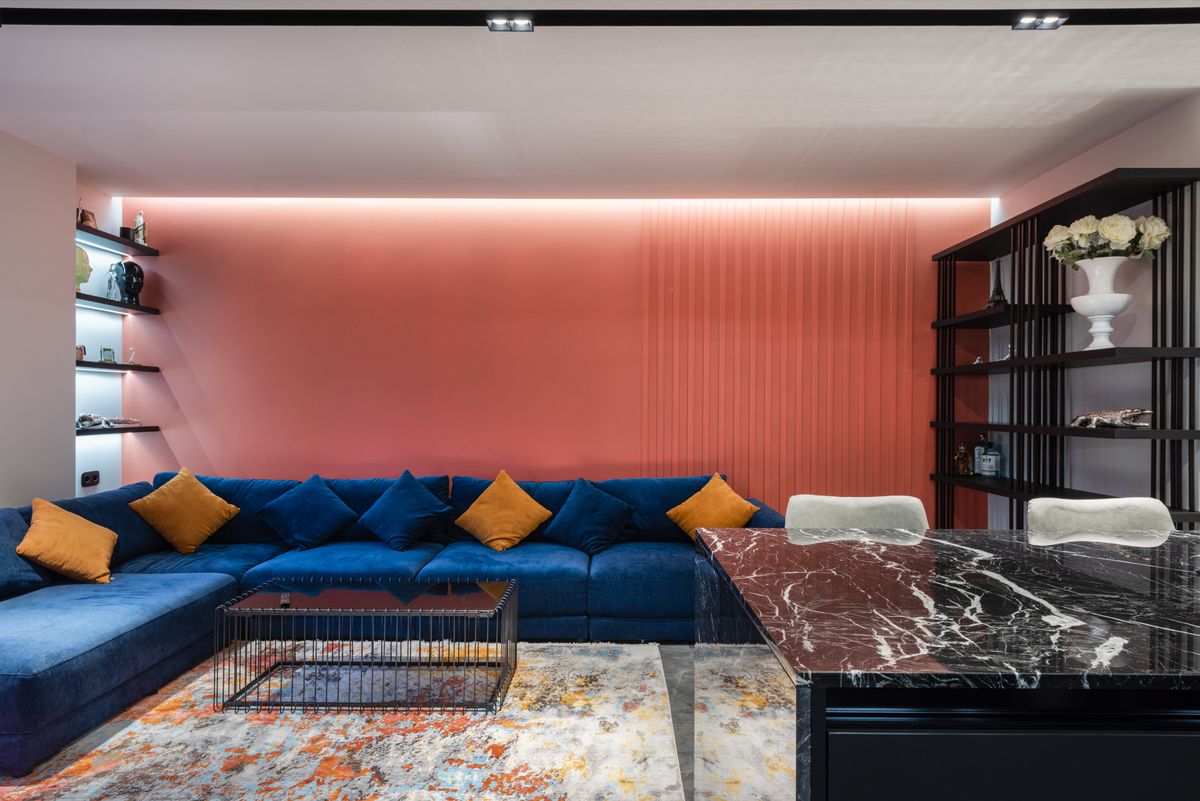
North-facing rooms can feel dim. South-facing rooms can look warmer. Evening light changes tone dramatically.
That’s why the best colours for living room spaces in the UK tend to be balanced and adaptable.
Always test paint at different times of day before committing.
Earthy Greens for Natural Calm
Green has become one of the most popular living room paint ideas in the UK.
Muted olive, sage and moss tones bring a grounded, comforting feel — especially during long winters.
Green works beautifully with:
- Oak furniture
- Brass accents
- Cream sofas
- Woven textures
In Victorian homes with fireplaces, green adds character without overwhelming original features.
Deep Blues for Sophisticated Style
If you want drama without going too dark, navy and deep blue are strong options.
They create depth and pair beautifully with:
- Light grey sofas
- Warm wood
- Metallic accents
For rectangle living room layout spaces, a deep blue feature wall can anchor the room.
Balance darker tones with layered lighting — our cosy living room ideas for UK homes guide explores lighting techniques in detail.
Soft Grey: Still Popular, Just Warmer
Grey hasn’t disappeared — it’s simply evolved.
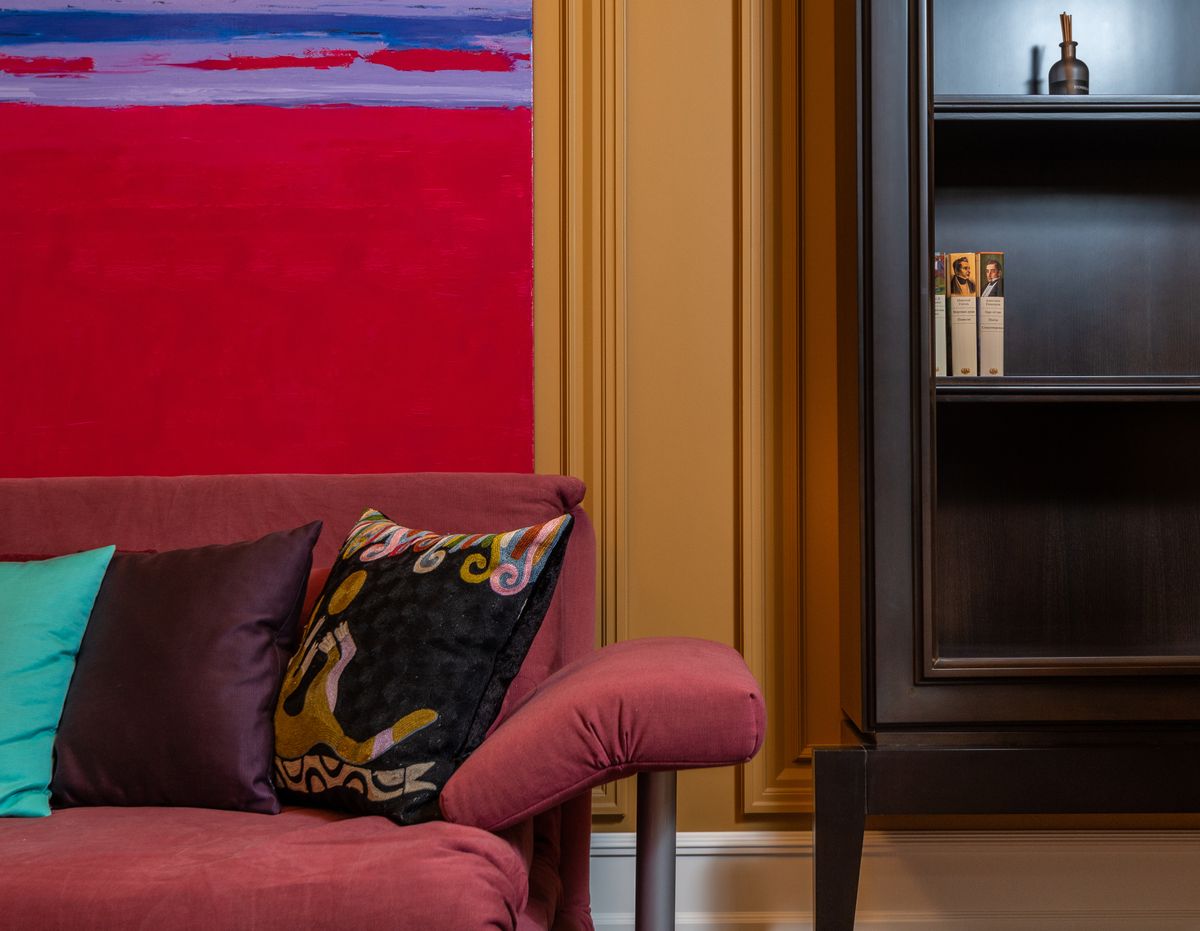
Cool blue-toned greys are fading. Warmer greys are staying.
Modern lounge colour schemes often include:
- Light warm grey walls
- Darker grey sofas
- Natural wood finishes
If you love grey, our grey living room ideas UK guide explains how to layer tones properly.
The trick is adding warmth through texture and lighting.
Bold Feature Walls: Yes or No?
Feature walls still work — but subtlety is key.
Instead of bright red or purple, modern UK homes prefer:
- Deep green
- Charcoal
- Muted terracotta
- Rich navy
One bold wall adds personality without overwhelming the space.
In small lounges, keep the remaining walls lighter to maintain balance.
Coordinating Walls With Furniture
Colour shouldn’t clash with existing furniture.
Before painting, consider:
- Sofa colour
- Flooring tone
- Curtains
- Rug patterns
Neutral sofas allow more flexibility. Bold sofas may require calmer walls.
Modern lounge colour schemes feel cohesive, not random.
Ceiling and Trim Colours Matter Too
Many homeowners forget about ceilings.
Painting the ceiling slightly lighter than the walls can add height. Keeping skirting boards in a soft off-white rather than bright white softens contrast.
These small adjustments make a room feel more polished.
Seasonal Colour Styling
Your base wall colour doesn’t need to change every season.
Instead:
Winter
- Add deeper cushions
- Introduce warm throws
- Use soft lighting
Summer
- Swap to lighter textiles
- Add greenery
- Keep windows clear
Colour becomes flexible through accessories.
At Daily Lifestyle Guide, we always recommend choosing a timeless base and updating through decor.
Common Colour Mistakes to Avoid
Let’s save you from repainting twice.
Avoid:
- Choosing paint under shop lighting only
- Ignoring undertones
- Matching everything too precisely
- Forgetting how lighting affects tone
- Following trends without considering your home’s size
Test first. Always.
Budget-Friendly Colour Updates
If a full repaint isn’t possible:
- Paint one wall
- Add colourful artwork
- Swap cushion covers
- Change curtains
- Introduce a bold rug
Even small colour changes refresh a room quickly.