
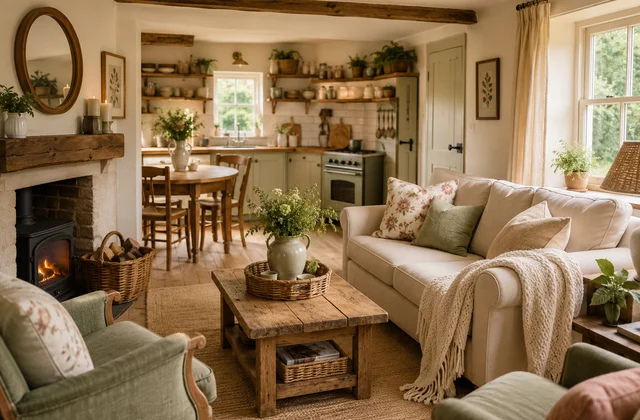

Have you ever walked into a tiny cottage and instantly felt at home? Maybe it was the warm wooden floor, a soft knitted blanket resting on an old armchair, or sunlight pouring through a small window onto a table filled with fresh flowers. It wasn’t the size of the house that made it special. It was the feeling. Many people dream of creating that same peaceful space, especially when living in a smaller home. The good news is that you don’t need a large budget or a huge property to make it happen. With the right small cottage interior ideas, even the smallest home can feel welcoming, stylish, and full of personality. Across the UK, compact homes and cottage-inspired interiors continue to grow in popularity because they focus on comfort instead of luxury. In fact, cottage-style homes have become increasingly popular in recent years, while designers also predict that English cottage interiors will remain one of the biggest home trends. In this guide from Daily Lifestyle Guide, you’ll discover practical decorating tips, real design inspiration, and simple ideas that can help turn your tiny home into a cozy retreat you’ll love coming back to every day.
1. Start with a Warm and Natural Cottage Colour Palette
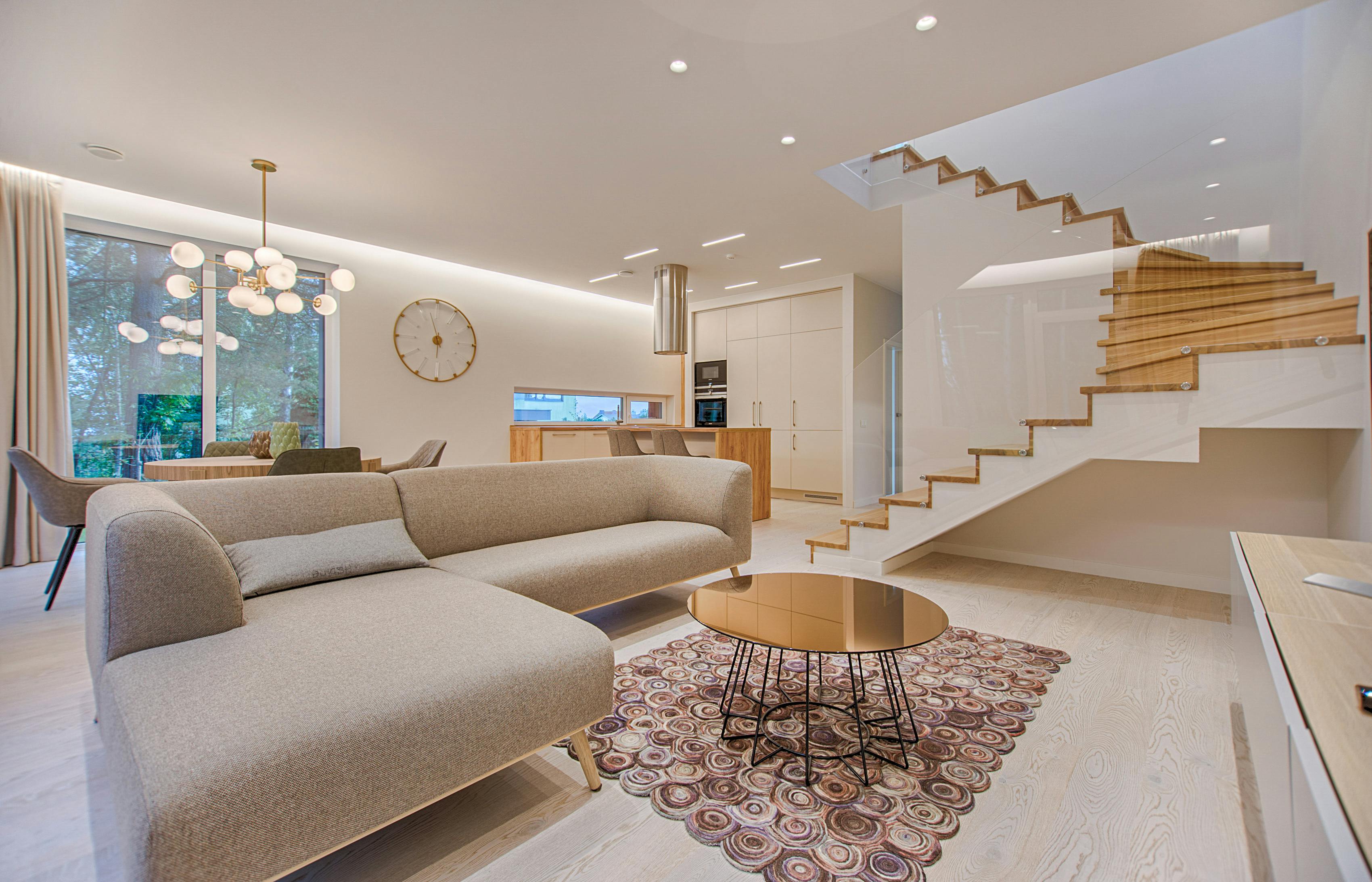
Image source: Pexels.com
Every beautiful cottage tells its story through colour before you even notice the furniture. Imagine walking into a tiny countryside home where soft cream walls reflect the morning sunlight, sage green cabinets remind you of a peaceful garden, and warm wooden floors make the room feel grounded. That feeling doesn’t happen by accident. A carefully chosen cottage colour palette creates warmth and makes compact rooms feel bigger. Interior designers continue to recommend earthy shades like beige, forest green, soft brown, and muted white because they never go out of style and help reduce visual clutter. These colours also work beautifully with natural materials such as oak, linen, wool, and rattan. If you’re decorating a compact UK home, keeping the same colour palette throughout different rooms creates a smooth flow that makes the entire house feel larger. You can explore more inspiration in our Small UK Home Interior Ideas guide, where we share additional colour combinations perfect for compact homes. Remember, cottage interiors are meant to feel calm rather than perfect, so don’t worry if every shade isn’t exactly the same. Small variations often add even more charm.
2. Let Natural Light Become Your Best Decorating Partner
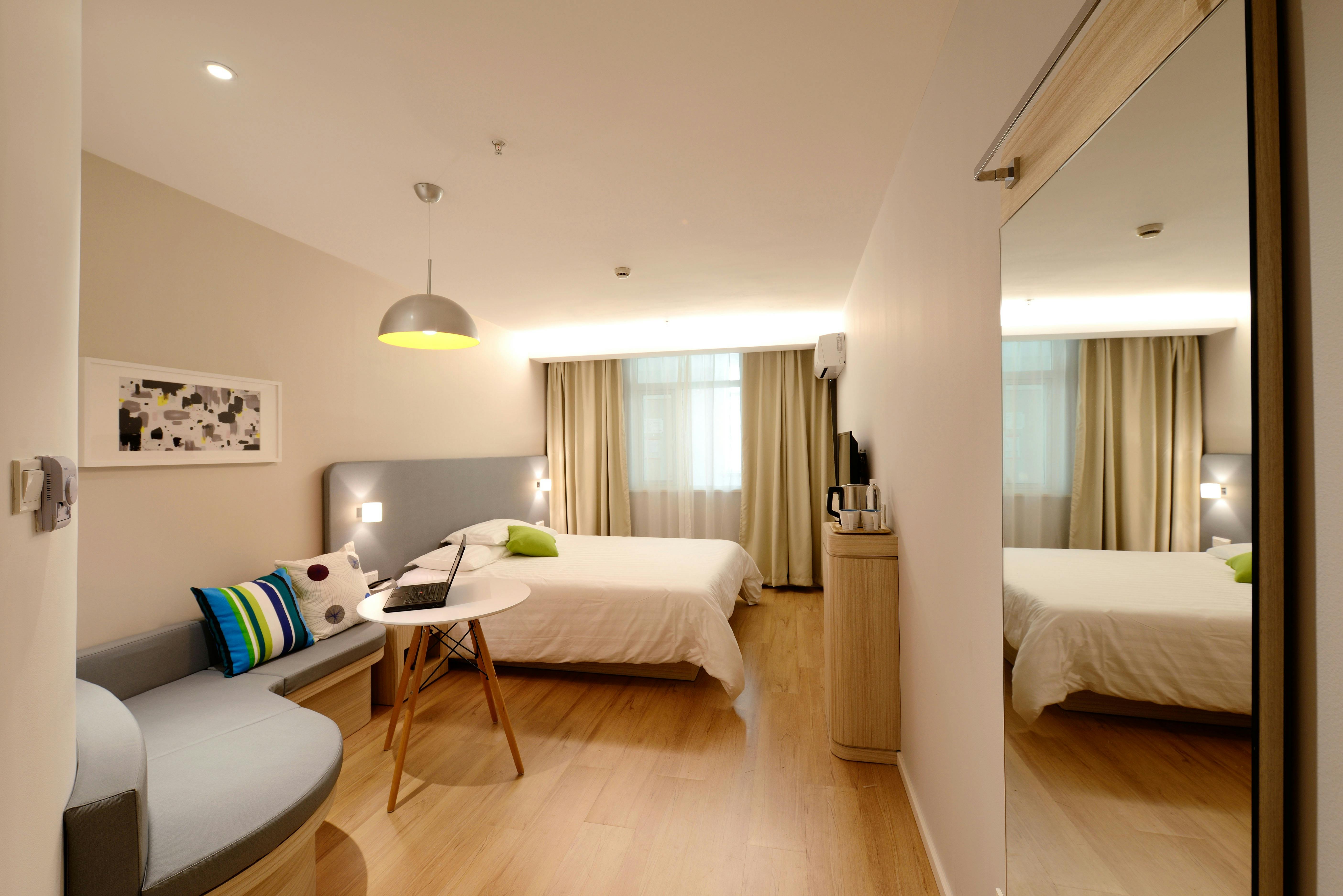
Image source: Pexels.com
One couple living in a tiny stone cottage in Yorkshire thought their home felt too small until they made one simple change. They replaced heavy curtains with light linen panels, added a large mirror opposite the window, and suddenly the entire living room felt brighter and more open. Natural light has an amazing way of changing how a room feels without spending much money. Mirrors reflect daylight into darker corners, while light curtains allow sunshine to travel deeper into the room. Designers also recommend layering lighting with table lamps, wall lights, and warm LED bulbs instead of relying on a single ceiling light. This creates a welcoming atmosphere during darker evenings while adding depth to smaller spaces. If your cottage doesn’t receive much daylight, soft warm lighting can still create the same cozy feeling. You can also discover more lighting tricks in our Home Lighting Ideas UK guide. Sometimes the brightest transformation comes from simply allowing your home to breathe with more natural and gentle light.
3. Choose Furniture That Works Twice as Hard
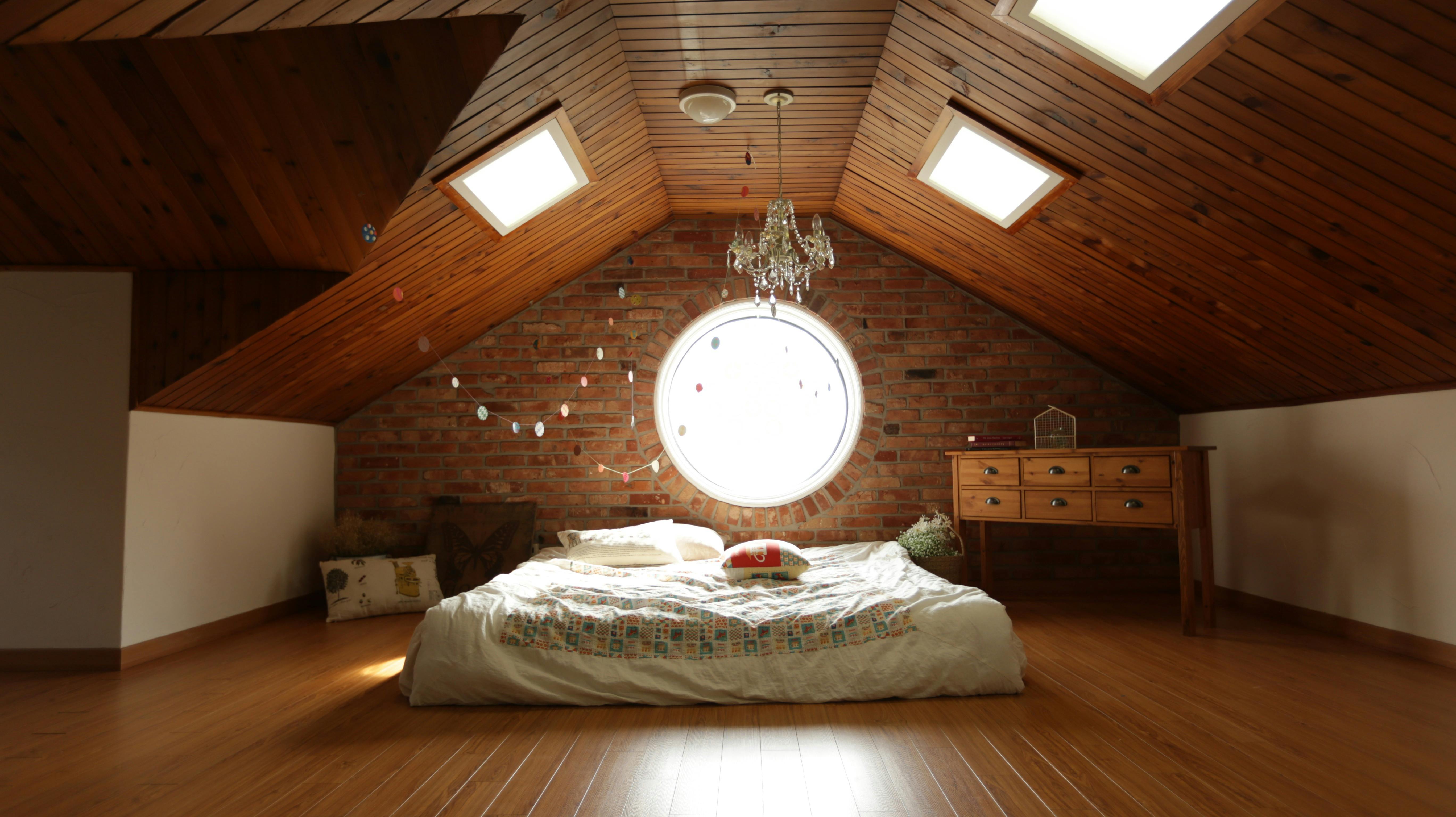
Image source: Pexels.com
When space is limited, every piece of furniture should earn its place. Think about a window seat where you enjoy your morning tea while blankets are neatly stored underneath, or an ottoman that hides books, toys, and extra cushions while serving as a coffee table. These clever ideas are becoming increasingly popular because they make small homes feel organised without sacrificing comfort. Designers recommend built-in benches, storage beds, foldable dining tables, and multifunctional furniture to maximise every square metre. Instead of filling a room with many small pieces, choose fewer high-quality items that serve more than one purpose. Furniture with visible legs also creates the illusion of extra floor space by allowing light to pass underneath. If you’re planning to upgrade your home, our Multifunctional Furniture Ideas and Space-Saving Furniture Ideas guides include practical solutions designed especially for compact UK homes. Smart furniture doesn’t just save space—it makes everyday life easier and more enjoyable.
4. Mix Vintage Charm with Modern Comfort
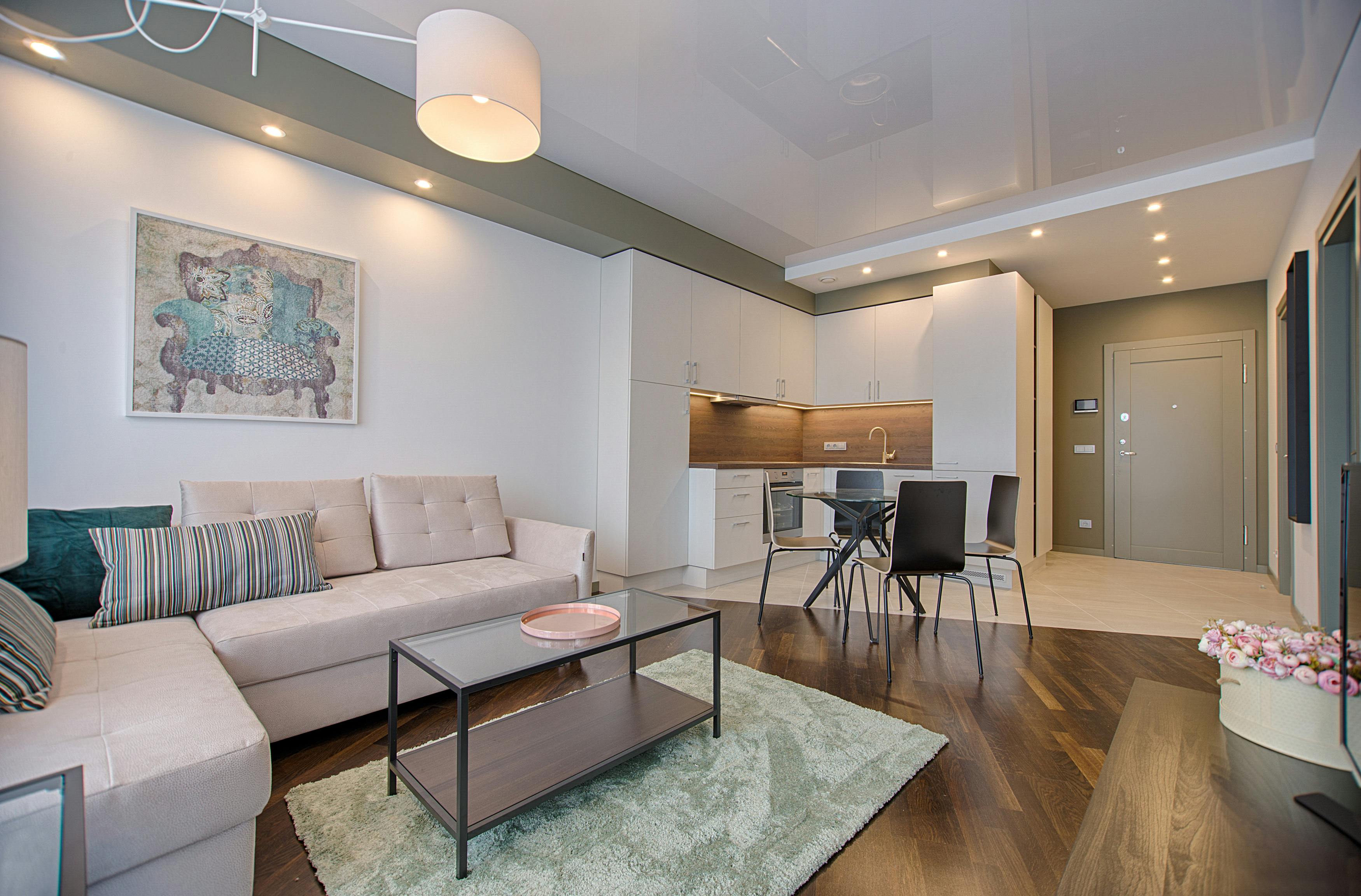
Image source: Pexels.com
One of the biggest myths about cottage decorating is that everything must be old. In reality, the most inviting homes combine treasured vintage finds with modern comfort. Picture an antique wooden cabinet standing beside a comfortable sofa, or a handcrafted ceramic vase resting on a sleek oak dining table. These combinations make a home feel collected over time instead of looking like a showroom. Interior designers often recommend choosing one or two statement vintage pieces rather than filling every corner with antiques. This keeps the room feeling fresh while preserving its traditional charm. Painted wooden furniture, woven baskets, old books, handmade pottery, and linen fabrics all help tell a story without overwhelming the space. If you enjoy decorating living spaces with timeless character, our Traditional Living Room Ideas UK article offers even more inspiration. The goal isn’t to recreate the past perfectly but to create a home that feels loved, lived in, and uniquely yours.
5. Add Layers of Texture Instead of More Furniture
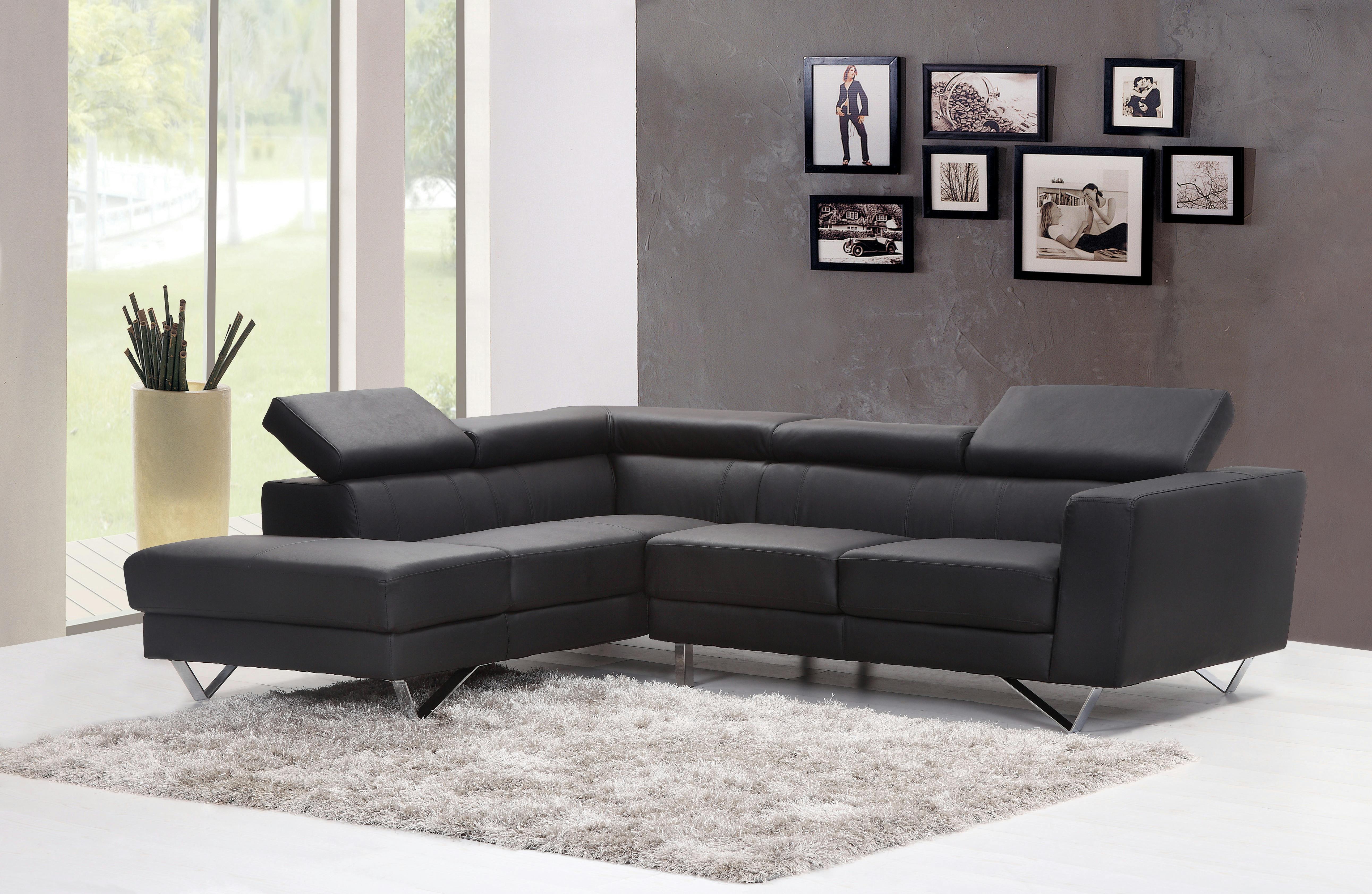
Image source: Pexels.com
Many people think decorating means buying more furniture, but the real magic often comes from adding texture instead. Imagine curling up on a rainy evening with a chunky knitted throw, soft linen cushions, a woven rug beneath your feet, and the gentle glow of a table lamp beside you. Those simple layers instantly make a room feel warmer without taking up extra space. Designers regularly use natural materials such as wool, cotton, linen, jute, reclaimed wood, and rattan because they add depth and create a relaxed cottage atmosphere. Mixing textures also helps a neutral colour palette feel interesting without becoming busy. Even one handcrafted basket or a vintage wool blanket can completely change the mood of a room. If you’re decorating your sitting room, our Cosy Living Room Ideas guide shares more easy ways to create warmth through fabrics and accessories. Sometimes comfort isn’t about adding more things—it’s about choosing the right ones.
“`html
12. Bring the Outdoors Inside with Cottagecore Interior Design

Image source: Pexels.com
One of the happiest memories many people have is spending time outdoors—walking through a countryside garden, picking fresh flowers, or listening to birds on a quiet morning. Cottagecore interior design brings those peaceful moments inside your home. Instead of filling shelves with expensive decorations, display fresh flowers, leafy plants, handmade pottery, woven baskets, or wooden bowls collected over the years. Interior designers often say that nature is the easiest way to make a room feel alive because every green plant adds colour, texture, and freshness. Even a tiny windowsill herb garden can completely change the mood of a compact cottage kitchen. Natural materials like stone, linen, reclaimed wood, and cotton also help create a stronger connection with the outdoors while making rooms feel calm and timeless. If you’re decorating a compact property, our Tiny House Interior Ideas UK guide shares even more inspiration for bringing nature into every corner of your home.
13. Don’t Be Afraid to Mix Old and New
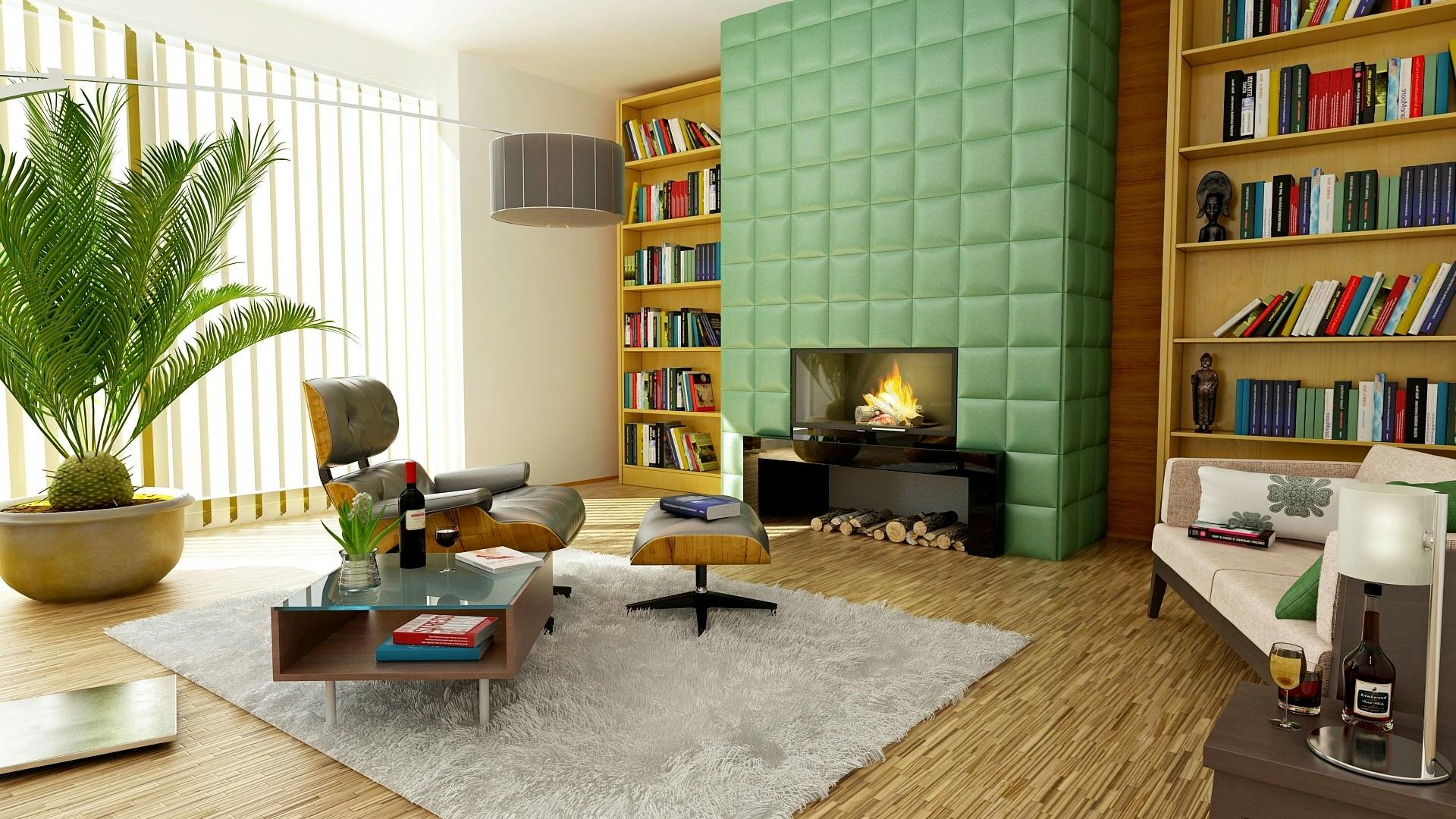
Image source: Pexels.com
Many people believe a cottage home should look like a museum filled with antiques, but the most welcoming homes tell a different story. Imagine a grandmother’s old oak cabinet standing beside a modern linen sofa or an antique dining table surrounded by comfortable contemporary chairs. This balance creates character without making the space feel outdated. Designers recommend choosing just one or two vintage statement pieces while allowing modern furniture to provide everyday comfort. Painted dressers, restored wooden benches, old mirrors, and handmade ceramics blend beautifully with today’s simple furniture. The goal isn’t perfection but personality. Homes that feel collected over time often leave the strongest impression because every item has a purpose or memory attached to it. Mixing different generations of furniture also helps keep decorating costs under control while creating a home that feels completely unique.
14. Make Small Spaces Feel Bigger Without Knocking Down Walls
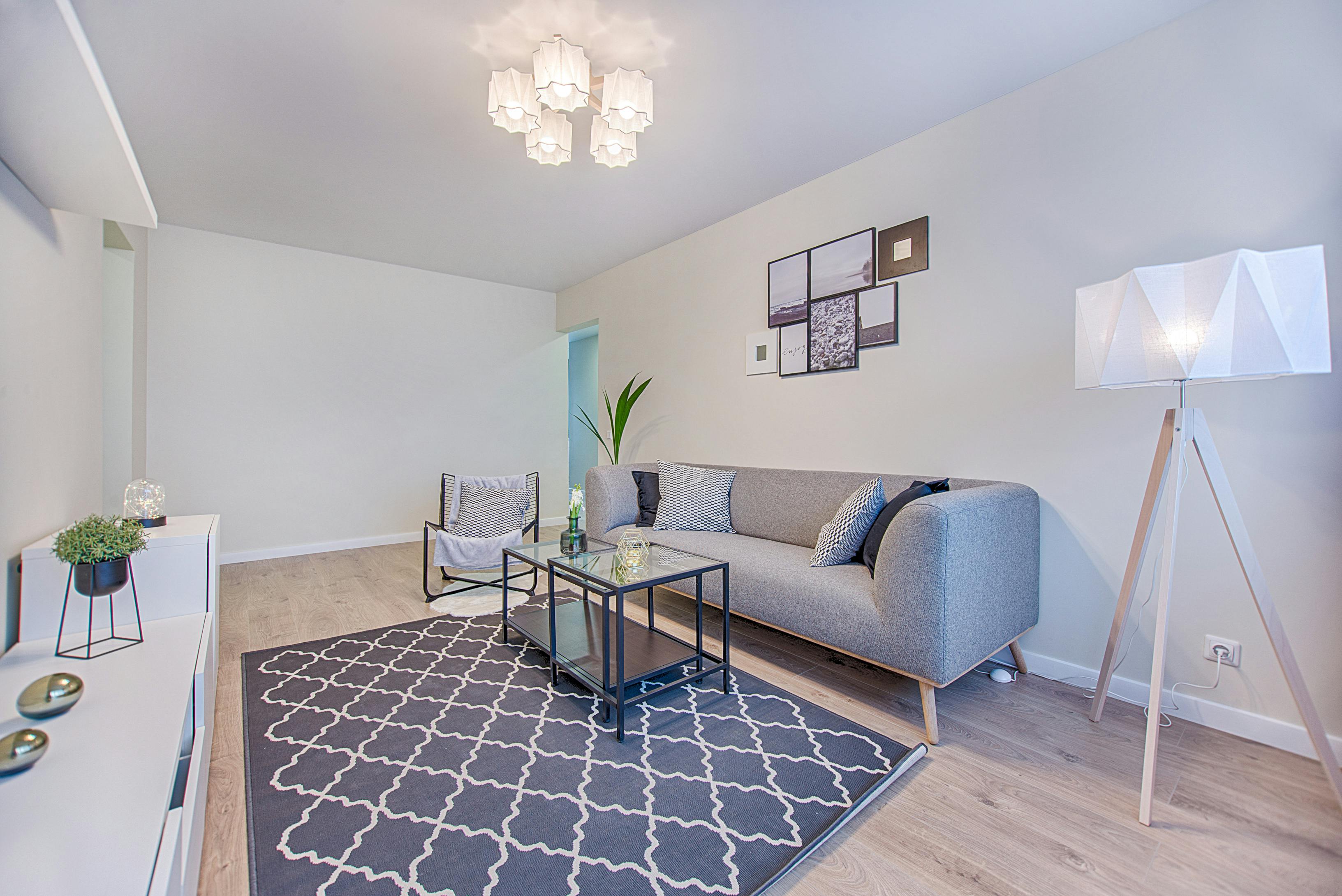
Image source: Pexels.com
Every small home has hidden potential waiting to be discovered. Instead of wishing for more square footage, focus on creating the feeling of space. Interior experts recommend using mirrors opposite windows to reflect natural light, choosing furniture with exposed legs, and leaving a little empty space between large pieces instead of filling every corner. Floor-to-ceiling shelves naturally draw the eye upward, making ceilings appear higher, while sliding or pocket doors free up valuable floor space. Soft neutral colours also help walls blend together, creating a smoother visual flow from one room to another. Even removing a few unnecessary decorations can make a dramatic difference. These simple changes cost far less than major renovations yet often have the biggest impact. A well-designed small cottage should never feel cramped—it should feel comfortable, organised, and full of light.
15. Create a Home That Feels Loved, Not Perfect
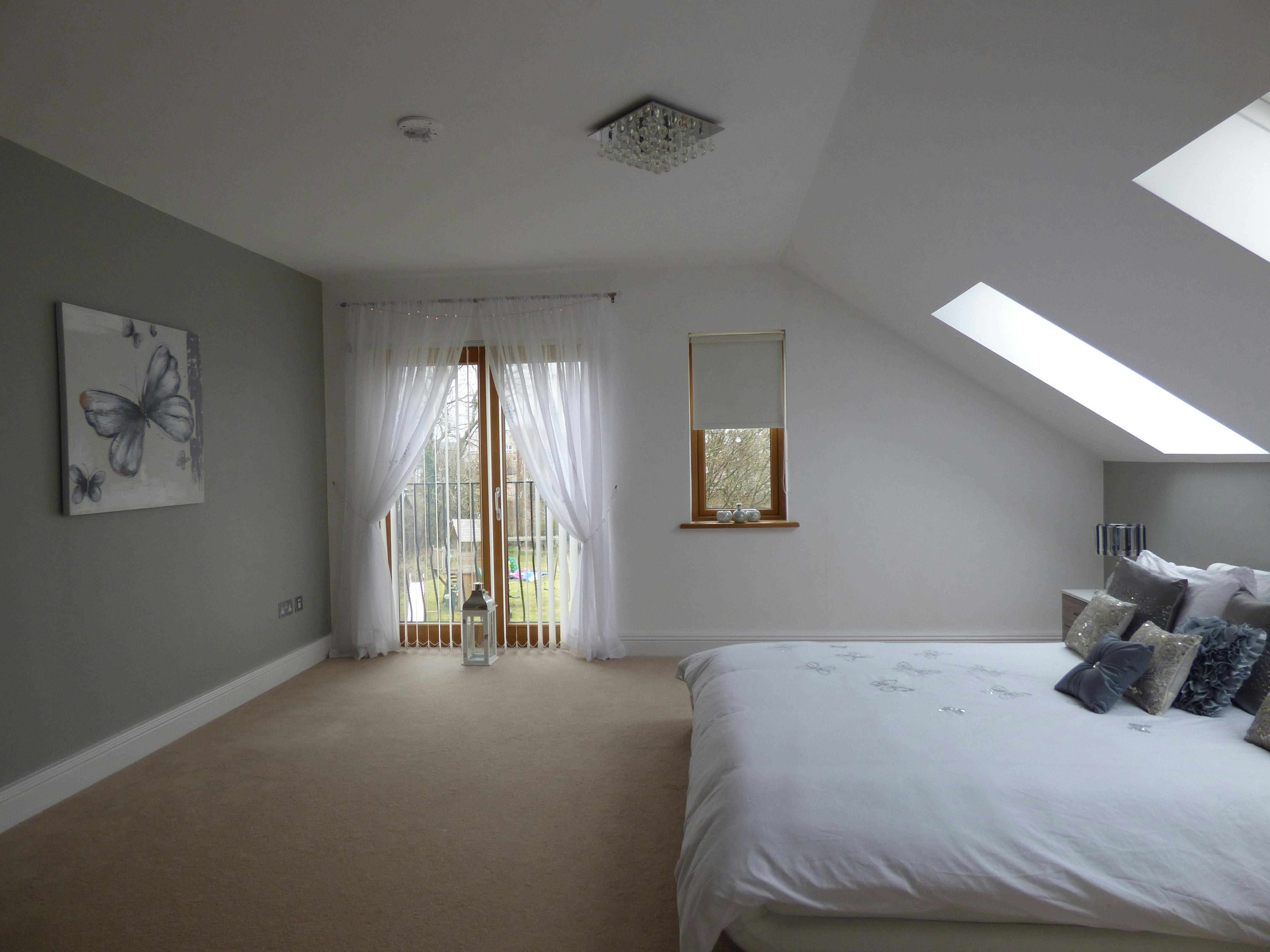
Image source: Pexels.com
Perhaps the most beautiful lesson that cottage living teaches us is that a home doesn’t have to be perfect to feel wonderful. A slightly worn wooden table where your family shares dinner every evening has more character than brand-new furniture with no memories attached. A handmade blanket knitted by a grandparent, books collected over many years, or fresh flowers picked during a weekend walk all tell stories that expensive decorations simply cannot replace. Interior designers consistently remind homeowners that cottage style celebrates comfort, personality, and everyday living rather than flawless design. Small imperfections in painted furniture, reclaimed wood, or handmade accessories often add even more charm because they remind us that real homes are meant to be lived in. When you decorate with love instead of following every trend, your cottage becomes a place where friends feel welcome, family memories grow, and every room reflects your own unique story.
“`html
Final Thoughts
Every cottage has a story, and yours is waiting to be written. You don’t need a huge budget, a large countryside house, or expensive designer furniture to create a home that feels warm and welcoming. The best small cottage interior ideas are often the simplest ones—a soft colour palette, natural light, thoughtful storage, vintage treasures, and decorations that remind you of happy memories. As you’ve seen throughout this guide, even the smallest room can become comfortable, stylish, and full of character with a few well-planned changes. Instead of trying to copy every trend, focus on creating a space that reflects your lifestyle and brings you joy every day. Start with one room, make small improvements over time, and enjoy the process of turning your house into a cozy cottage you’ll love coming home to. For more practical decorating inspiration, space-saving ideas, and home improvement guides, continue exploring Daily Lifestyle Guide, where we share easy solutions designed especially for modern UK homes.
About the Author
Daily Lifestyle Guide Editorial Team is passionate about helping UK homeowners and renters create beautiful, practical, and comfortable living spaces. Our home improvement writers research the latest interior design trends, expert recommendations, and real-life decorating solutions to produce easy-to-follow guides that anyone can use. Every article is written with a focus on practical advice, trusted information, and simple ideas that make everyday living more enjoyable.
Disclaimer
This article is published for general information and educational purposes only. Interior design trends, market statistics, and expert recommendations may change over time. While every effort has been made to ensure the information is accurate and up to date at the time of publication, some figures, design trends, and product availability may vary. Statistics and industry insights referenced in this guide are based on publicly available information from reputable design publications and research sources. Readers should use this content as inspiration and consider their own space, budget, and professional advice before making significant home improvement or purchasing decisions.
Frequently Asked Questions
1. What are the best small cottage interior ideas for a tiny home?
The best ideas focus on making your home feel warm, bright, and practical. Use soft neutral colours, natural wood furniture, layered lighting, multifunctional furniture, open shelving, and smart storage. Adding plants, vintage accessories, and cosy textiles also helps create a timeless cottage look without making small rooms feel crowded.
2. How can I make a small cottage look bigger?
Use light colours throughout the home, maximise natural light, place mirrors opposite windows, choose furniture with visible legs, and avoid unnecessary clutter. Floor-to-ceiling storage, open shelving, and keeping a consistent colour palette across rooms can also make compact spaces feel much larger.
3. What colours work best in cottage-style interiors?
Soft white, cream, beige, sage green, muted blue, warm grey, forest green, and earthy brown are popular choices. These colours reflect natural light, complement wooden furniture, and create the calm, welcoming atmosphere that defines traditional and modern cottage interiors.
4. Is cottagecore interior design suitable for modern homes?
Yes. Modern cottagecore combines classic cottage charm with contemporary comfort. You can mix vintage furniture with modern sofas, energy-efficient lighting, and clever storage while keeping natural materials, soft colours, and handmade décor as the main design elements.
5. How do I decorate a small cottage on a budget?
You don’t need to spend a fortune. Repaint existing furniture, shop at charity shops or vintage markets, add woven baskets, display fresh flowers, use cosy throws, and decorate with meaningful items you already own. Small, thoughtful changes often create a bigger impact than expensive renovations.