
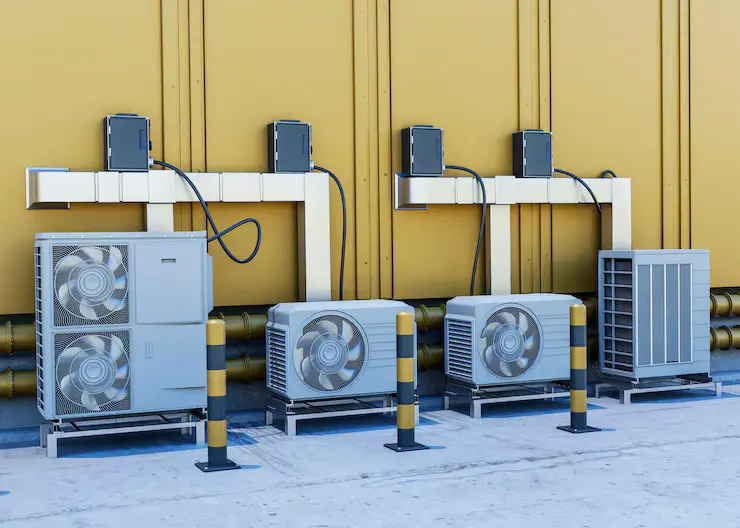

As outdoor temperatures drop during the colder months, residential heating systems must meet rising demand to maintain comfortable indoor conditions. Heat pumps can operate throughout winter, but their performance depends on appropriate system design, equipment condition and operating arrangements. Preparing a heat pump before seasonal heating demand increases can help homeowners identify developing maintenance requirements and address issues that may affect comfort or energy consumption. Professional Heat Pump Servicing can form an important part of this preparation by providing an opportunity to assess relevant components and review system operation. Combining seasonal maintenance with suitable heating controls and wider property preparation can help households manage their heating requirements more effectively during colder weather.
Understanding How Heat Pumps Operate During Winter
Air source heat pumps extract thermal energy from outdoor air, including when external temperatures are relatively low. Through a refrigeration cycle, this energy is transferred into the property’s heating system at a temperature suitable for its intended application.
However, as outdoor temperatures decrease, the heat pump may need to work harder to meet the property’s heating requirements. Efficiency can vary according to the difference between the outdoor temperature and the temperature required by the heating system. Building insulation, heat emitter design and equipment suitability also influence winter performance. Understanding these relationships helps homeowners recognise why preparation should involve both equipment maintenance and consideration of the property itself.
Why Pre-Winter Heat Pump Servicing Matters
Arranging professional maintenance before colder weather arrives provides an opportunity to identify issues before heating demand increases. Problems that have had limited consequences during warmer months may become more noticeable when a household relies heavily on its heating system.
A professional engineer can assess key aspects of the installation and identify concerns that require further attention. This may allow homeowners to arrange necessary repairs or adjustments before they become more disruptive. Although pre-winter servicing cannot prevent every unexpected breakdown, it can support a more organised approach to managing seasonal heating requirements.
Checking the Condition of the Outdoor Unit
The outdoor unit of an air source heat pump requires suitable airflow to extract thermal energy effectively. During autumn and winter, fallen leaves, vegetation and other environmental debris may accumulate around the equipment.
Homeowners should check whether the surrounding area remains clear according to manufacturer guidance. Particular attention may be required where units are positioned close to trees, fencing or garden structures. Suitable drainage arrangements should also be maintained where relevant. Technical cleaning or internal inspections should be undertaken by appropriately competent personnel. Maintaining the outdoor environment can help avoid unnecessary airflow restrictions during periods of increased heating demand.
Understanding Normal Frost and Defrost Cycles
Under certain outdoor conditions, frost may form on an air source heat pump’s outdoor heat exchanger. Many systems incorporate defrost functions designed to remove this accumulation and maintain appropriate operation.
Temporary changes in operating behaviour during a defrost cycle do not necessarily indicate a fault. Homeowners may notice changes in fan operation or temporary interruptions to space heating while the process takes place. However, persistent or excessive ice accumulation may require professional investigation. Homeowners should avoid removing ice with sharp tools or other unsuitable methods, as these may damage equipment. Manufacturer guidance should inform any recommended user-level checks.
Reviewing Heating Controls Before Colder Weather
Heat pump controls influence heating schedules, water temperatures and how the system responds to changing outdoor conditions. Appropriate settings can help maintain comfort while avoiding unnecessarily demanding operating conditions.
Before winter, homeowners may benefit from reviewing their existing heating arrangements and discussing persistent comfort concerns with a professional. Systems using weather compensation may automatically adjust heating temperatures according to outdoor conditions. Changes to technical settings should reflect the property’s heating design rather than generic recommendations. A suitable control strategy helps balance indoor comfort, heating demand and equipment operation.
Avoiding Unnecessary Temperature Adjustments
Homeowners familiar with conventional boilers may be accustomed to switching heating on and off or making substantial temperature adjustments throughout the day. Depending on the installation, heat pumps may operate more effectively through different heating patterns.
Large changes in thermostat settings or heating schedules can influence operating demand and indoor temperature consistency. However, the best approach depends on property insulation, heating system design, occupancy patterns, and electricity tariffs. Homeowners should follow guidance appropriate to their individual installations rather than assuming that one operating strategy suits every household.
Assessing Radiators and Underfloor Heating
Many heat pump installations use radiators or underfloor heating to distribute thermal energy throughout the property. These heat emitters must provide sufficient output under the system’s intended operating conditions.
Before winter, homeowners may notice that some rooms take longer to warm up than others. Such differences can result from several factors, including heat loss, circulation problems, control arrangements or heat emitter suitability. A professional assessment can help identify the underlying causes when concerns persist. Improving heat distribution may require attention to the wider heating installation rather than the heat pump itself.
Improving Home Insulation and Reducing Heat Loss
Heat pump efficiency is closely connected to the quantity of heat a property requires. Homes with substantial heat loss may place greater demands on heating systems during colder weather.
Suitable insulation improvements, draught management and maintenance of windows and doors may help reduce unnecessary heat loss. However, improvements should preserve appropriate ventilation and avoid introducing moisture-related problems. Larger changes may require professional assessment to establish their suitability. Preparing a property for winter should involve considering both how heat is generated and how effectively it is retained within the building.
Monitoring Heating and Hot Water Requirements
Many heat pump systems provide space heating alongside domestic hot water. During winter, higher space-heating demand may coincide with regular household hot water requirements.
Homeowners should understand how their system schedules these activities and whether existing arrangements meet their needs. Changes in occupancy, bathing routines or household requirements can influence energy consumption. Appropriate professional guidance can help identify whether settings require adjustment. Domestic hot water safety requirements must be considered, and technical temperature settings should not be reduced indiscriminately to save energy.
Reviewing Electricity Consumption During Winter
Electricity consumption associated with heat pump operation will often increase during colder periods because the property requires more heating. Higher winter consumption does not automatically indicate equipment malfunction.
Homeowners can benefit from reviewing usage patterns alongside outdoor temperatures and changes in household behaviour. Unexplained increases, particularly when accompanied by reduced comfort or unusual operating behaviour, may justify further investigation. Where suitable monitoring equipment is available, it may provide additional information about heating performance. Comparisons should account for weather and heating demand rather than relying on monthly electricity costs alone.
Preparing for Unexpected Heating Problems
Even well-maintained heat pumps can develop unexpected faults. Having a clear understanding of how to respond can help homeowners manage disruptions more effectively.
Households should retain manufacturer documentation, understand how to identify relevant error messages and know how to contact an appropriate heating professional. Any alternative heating arrangements should be safe and suitable for the property. Persistent faults should not be ignored or repeatedly reset without understanding their causes. Preparation is particularly important in households containing individuals who may be more vulnerable to cold indoor conditions.
Maintaining Appropriate Service and Warranty Records
Manufacturer warranty conditions may include requirements for maintenance frequency, professional competence, and documentation. These requirements vary by product and installation arrangement.
Before winter, homeowners may wish to review their servicing history and confirm when the next maintenance visit is due. Maintaining accurate records helps ensure that previous recommendations are not overlooked. Documentation can also provide useful information if equipment develops a fault during colder weather. Homeowners should assess warranty requirements using the terms supplied with their specific equipment.
Establishing a Seasonal Heating Routine
Winter preparation does not need to become a complicated annual project. Establishing consistent maintenance arrangements and carrying out suitable basic checks can help homeowners manage responsibilities more effectively.
A seasonal routine may involve reviewing service requirements, checking the outdoor unit’s surroundings and monitoring whether indoor comfort remains consistent as temperatures fall. Seek professional advice if unusual operating behaviour becomes persistent. Preparing before significant heating demand increases can create more opportunities to address concerns without the pressure of an unexpected winter breakdown.
Frequently Asked Questions (FAQs) About Preparing Heat Pumps for Winter
Can air source heat pumps work during cold winter weather?
Yes. Air source heat pumps are designed to extract thermal energy from outdoor air during cold conditions. However, performance varies with outdoor temperature, equipment design, heating system requirements, and property heat loss. An appropriately designed installation should account for expected winter heating demand.
When should homeowners arrange pre-winter heat pump servicing?
Many homeowners prefer to arrange servicing during late summer or autumn, before heating demand increases. However, the appropriate timing depends on manufacturer recommendations, existing servicing arrangements and equipment condition. Maintaining a suitable servicing schedule is more important than selecting a particular month.
Is frost on an outdoor heat pump unit normal?
Some frost accumulation can be normal under particular weather conditions, and many heat pumps use automatic defrost cycles. Persistent or excessive ice accumulation may indicate a concern requiring investigation. Homeowners should follow the manufacturer’s guidance and avoid removing ice with methods that could damage equipment.
Should homeowners change heat pump settings during winter?
Suitable settings depend on the equipment, property and heating system design. Some installations automatically adjust output through weather compensation. Homeowners should obtain appropriate guidance before making substantial technical adjustments, especially where changes could affect efficiency, indoor comfort or domestic hot water safety.
Why does heat pump electricity consumption increase in winter?
Colder weather generally increases building heat loss and heating demand. Heat pumps may therefore run longer or operate under more demanding conditions. Increased consumption is not necessarily evidence of a fault, although unexplained changes accompanied by reduced performance may require professional assessment.
Conclusion
Preparing a heat pump for winter can help homeowners identify developing maintenance concerns and establish suitable operating arrangements before heating demand increases. Professional servicing, appropriate outdoor unit care and a review of heating controls can support seasonal equipment reliability.
Winter energy efficiency also depends on wider factors, including insulation, heat distribution and household heating requirements. Homeowners should therefore consider equipment maintenance as one part of their overall winter preparation.
By taking a structured approach to seasonal heating management, households can support comfortable indoor conditions and make more informed decisions about energy consumption throughout the colder months.