
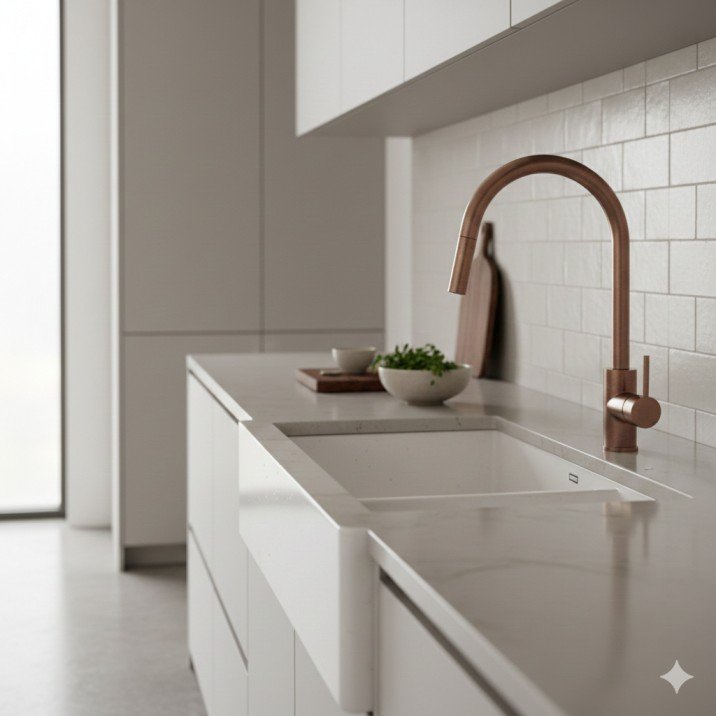

Bronze kitchen taps provide a warm, sophisticated alternative to chrome and stainless steel finishes. Available in brushed, matt and oil-rubbed styles, they suit modern, traditional and farmhouse kitchens. Choosing the right bronze tap depends on finish durability, maintenance expectations, water conditions and how it complements the overall kitchen design.
Bronze taps are a popular choice for homeowners who want a warm and stylish alternative to chrome and stainless steel, working well in modern, traditional, and farmhouse kitchens. As homeowners move away from high-shine metals, bronze provides a softer, more refined look that works across modern and traditional interiors alike. Whether paired with neutral cabinetry or darker colour schemes such as a bottle green kitchen, bronze taps add depth without overpowering the space. However, choosing the right bronze kitchen tap involves more than just picking a colour. Finish quality, maintenance requirements, water conditions and practical usability all influence long-term satisfaction. This guide explores every essential consideration to help you choose bronze kitchen taps with confidence and clarity.
Understanding Bronze Tap Finishes
Bronze kitchen taps are mixer taps with a bronze-coloured finish that creates the warmth of traditional bronze while using strong modern brass for durability. Most modern bronze kitchen taps are made from solid brass for strength, with the bronze colour added using advanced coatings that help protect against scratches, fading and corrosion.
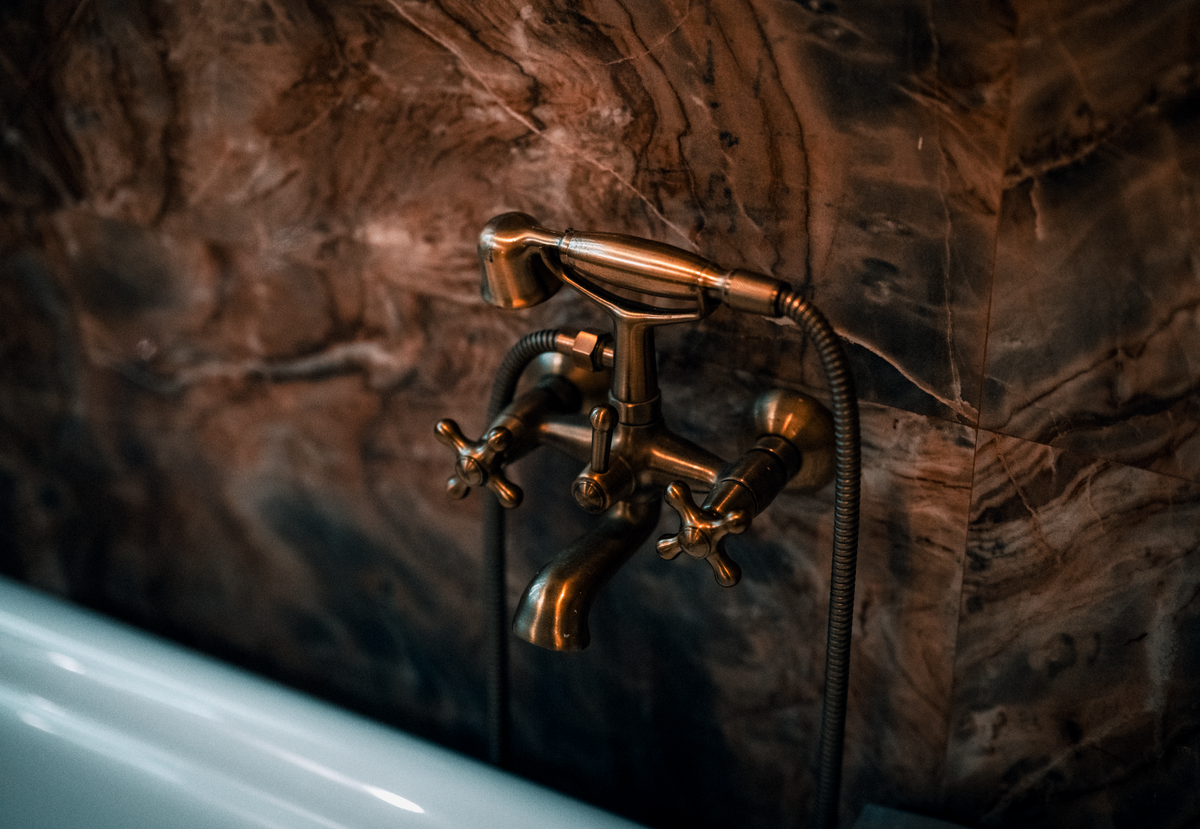
Unlike chrome or stainless steel, which strongly reflect light, bronze creates a softer and more muted look. This creates a calmer and more balanced look, making bronze ideal for kitchens that feel warm and thoughtfully designed rather than cold or industrial.
Bronze finishes can range from light champagne tones to deep, dark shades with copper undertones. Understanding these variations is important because they look different depending on lighting, cabinetry, and worktops.
Why Bronze Taps Are Growing in Popularity
The growing popularity of bronze kitchen taps shows that homeowners prefer kitchens that feel warmer and more inviting. Kitchens are no longer purely functional spaces; they are social hubs and design statements within the home.
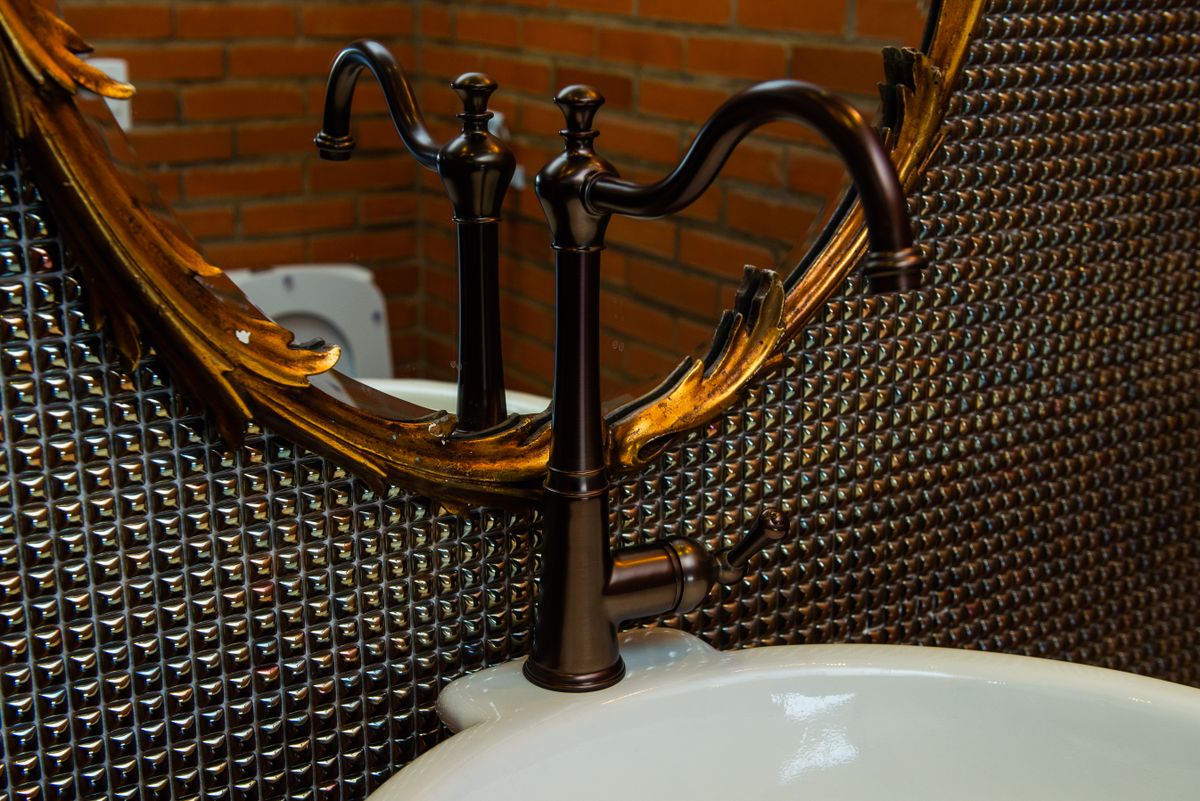
Bronze taps bring warmth to kitchens dominated by white, grey or black cabinetry, preventing them from feeling cold or impersonal. They also provide visual contrast without the boldness of polished brass or the industrial feel of stainless steel.Unlike short-lived trends, bronze has a timeless look that suits long-term kitchen designs.
Another reason for their appeal is versatility. Bronze kitchen taps work equally well in contemporary apartments, period homes and transitional spaces that blend classic and modern elements.
Understanding Different Bronze Kitchen Tap Finishes
Bronze kitchen taps come in several finishes, and each one looks and performs slightly differently.
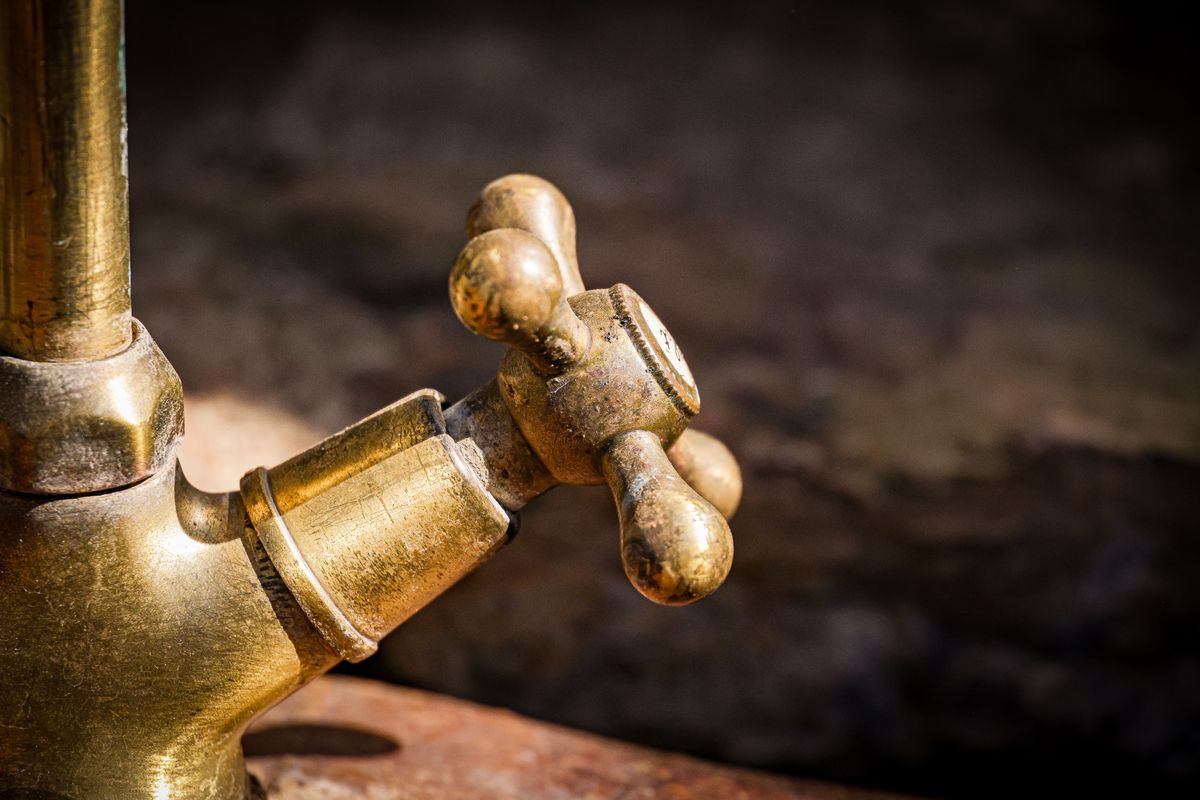
Brushed bronze is one of the most popular finishes for modern kitchens, particularly in busy households where fingerprints, water marks and daily wear need to be kept visually minimal. Its soft texture reduces glare and helps hide fingerprints, water marks, and daily wear. This makes it especially suitable for busy households where low maintenance is important.
Oil-rubbed bronze is darker and richer in tone, often with subtle copper undertones. It is commonly used in traditional, farmhouse and industrial kitchens, where its depth adds character. Over time, the colour may change slightly, which many homeowners like because it adds character.
Antique bronze is designed to look aged from the outset, featuring tonal variation and darker edges. It pairs particularly well with shaker cabinetry, natural stone worktops and heritage-style kitchens.
Matt bronze offers a contemporary interpretation, with a smooth, understated appearance that suits modern luxury kitchens. It creates a refined look without drawing excessive attention to itself.
Bronze Kitchen Taps Compared with Brass and Copper
Warm metal finishes are often compared, but bronze, brass and copper perform differently in kitchen environments.
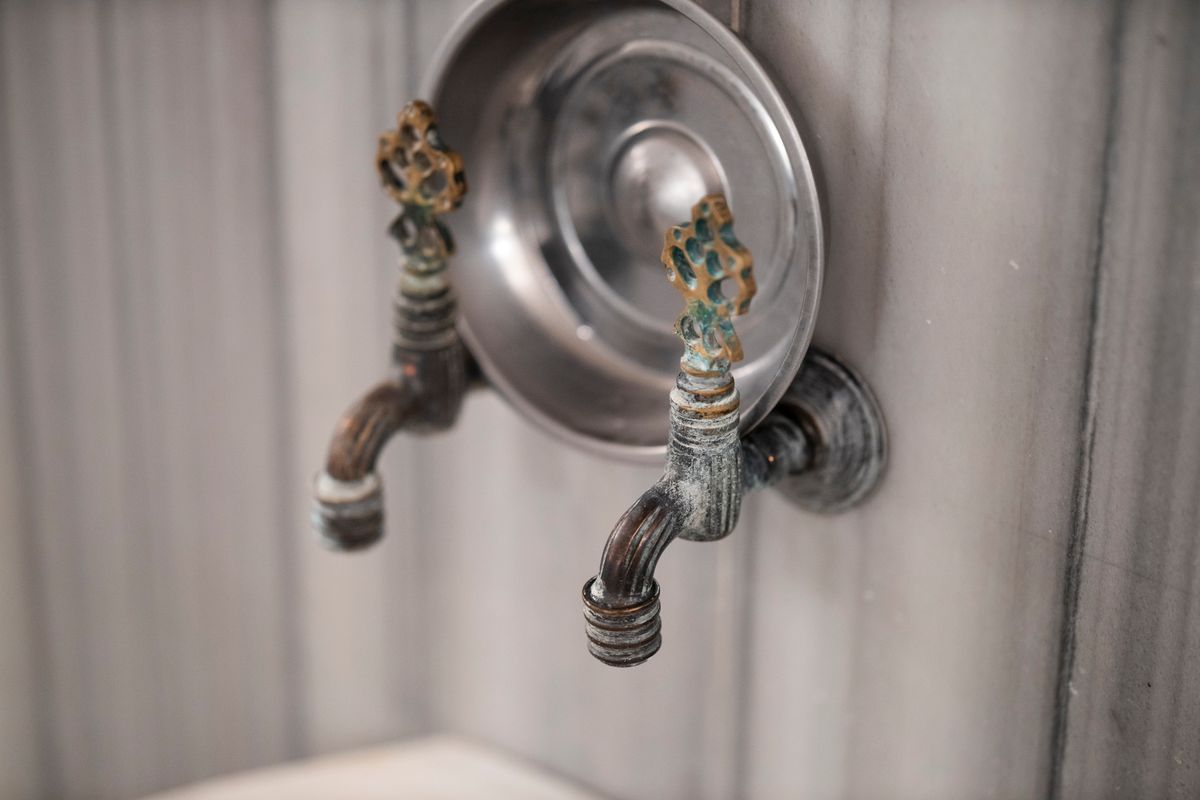
Brass taps, especially polished brass, are brighter and more reflective. They make a strong statement but can feel overpowering in smaller kitchens or minimalist designs. Copper taps have a reddish tone and naturally oxidise, developing a noticeable patina that may not suit all homeowners.
Bronze sits between brass and copper, offering warmth without too much shine and ageing more slowly, making it practical for everyday kitchens. It provides warmth without excessive shine and character without rapid ageing, making it one of the most balanced choices for long-term kitchen design.
Kitchen Styles That Pair Beautifully with Bronze
One of the strongest advantages of bronze kitchen taps is their adaptability across a wide range of kitchen styles.
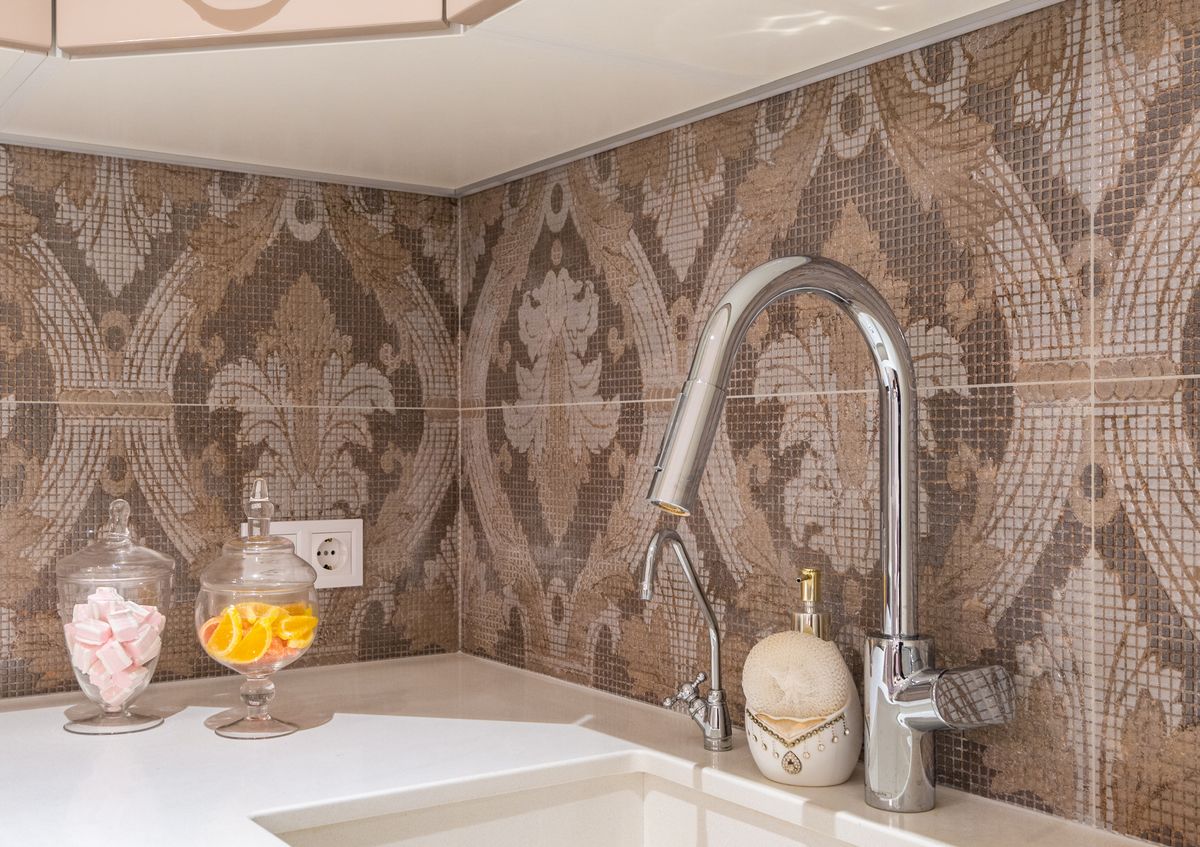
In modern kitchens, bronze taps soften clean lines and smooth surfaces, adding warmth to handleless cabinetry often seen in a french grey kitchen. In farmhouse and traditional kitchens, they complement natural materials such as wood and ceramic, reinforcing a sense of craftsmanship.
Industrial kitchens benefit from darker bronze finishes, which work well with concrete, exposed brick and textured surfaces such as contour kitchen wallpaper. Dark kitchens featuring navy, charcoal or deep green cabinetry often use bronze taps to introduce contrast and visual richness without harshness.
What to Consider Before Buying kitchen taps in bronze
Before buying bronze kitchen taps, consider practical factors as well as appearance.
Water hardness affects how easy a tap is to maintain. In hard water areas, brushed or matt bronze finishes are easier to live with because they hide water marks better.
Finish quality is very important, as low-quality coatings can wear out, change colour or lose their appearance after a few years of use. High-quality bronze taps typically use PVD coatings, which provide superior resistance to scratching, fading and corrosion. Cheaper finishes may wear unevenly over time.
Function is just as important as appearance. Spout height, reach and swivel range should suit your sink size and daily cooking habits, particularly if you frequently use large cookware or deep sinks.
How to Care for Bronze Fixtures
Bronze kitchen taps are easy to maintain when you follow simple care steps. With simple, regular care, they can remain attractive for many years.
Routine cleaning involves wiping the tap dry after use and using a soft cloth with mild soap when needed. Abrasive cleaners and harsh chemicals should be avoided, as they can damage the surface finish.
Some bronze finishes are designed to develop subtle variations over time. Rather than detracting from appearance, this gentle ageing often enhances the tap’s character.
Mistakes to Avoid When Choosing Bronze Finishes
Many dissatisfaction issues arise from overlooking context. Choosing a bronze finish without considering lighting conditions, mixing too many metal finishes without balance, or prioritising appearance over functionality can lead to regret.
Bronze kitchen taps should feel integrated into the overall design, complementing surrounding materials and fittings rather than standing apart from them.
Are Bronze Taps Worth the Investment?
bronze mixer taps usually cost more than chrome taps, but they last longer, look timeless and improve the overall appearance of a kitchen. They elevate the overall aesthetic of a kitchen and are less likely to feel dated as trends evolve.
For homeowners planning a long-term kitchen, bronze taps are a smart upgrade that combines style with practicality.
Conclusion
Bronze kitchen fixtures are a thoughtful design choice that combines warmth, versatility and long-term appeal. Their ability to complement both modern and traditional kitchens makes them a reliable option for homeowners seeking a refined alternative to standard metallic finishes. By understanding finish types, considering practical factors such as water conditions and maintenance, and selecting a design that suits your kitchen layout, you can make an informed decision that stands the test of time. When chosen carefully, bronze kitchen taps do more than work well—they add warmth, character and long-term value to the kitchen.
Frequently Asked Questions (FAQs)
Are bronze kitchen taps durable?
Yes, bronze kitchen taps are durable when made with a solid brass body and finished using high-quality coatings such as PVD. These finishes protect against corrosion, everyday wear and colour fading, making bronze taps suitable for long-term daily use in kitchens.
Do bronze kitchen taps go out of style?
Bronze kitchen taps are considered a timeless finish rather than a short-lived trend. Their warm, muted appearance allows them to adapt easily to changing kitchen styles, which is why they are often chosen for long-term kitchen designs.
Are bronze kitchen taps hard to clean?
Bronze kitchen taps are not difficult to clean, but they do require gentle care. Regular wiping with a soft cloth and occasional cleaning with mild soap is usually enough. Abrasive cleaners should be avoided to protect the finish.
Do bronze kitchen taps show water marks?
Brushed and matt bronze kitchen taps hide water marks and fingerprints better than polished finishes. In hard water areas, drying the tap after use helps maintain a clean appearance.
Are bronze kitchen taps suitable for hard water areas?
Yes, bronze kitchen taps can be used in hard water areas. Choosing a brushed or matt finish and following basic maintenance practices helps reduce visible mineral buildup.
What is the difference between bronze and brass kitchen taps?
Bronze kitchen taps have a softer, darker and more muted appearance, while brass taps are brighter and more reflective. Bronze offers warmth without high shine, making it easier to integrate into a wide range of kitchen styles.
Do bronze kitchen taps develop patina?
Some bronze finishes, particularly oil-rubbed and antique bronze, may develop subtle tonal changes over time. This is considered a natural characteristic rather than a flaw and often adds to the tap’s visual appeal.
Are bronze kitchen taps more expensive than chrome taps?
Bronze kitchen taps are usually more expensive than chrome taps due to their specialised finishes and coatings. However, many homeowners consider them a worthwhile investment because of their durability and design impact.
Do bronze kitchen taps work with grey kitchens?
Bronze kitchen taps pair exceptionally well with grey kitchens. The warmth of bronze balances cool grey tones, creating a more inviting and visually balanced space.
Can bronze kitchen taps be used in modern kitchens?
Yes, bronze kitchen taps are increasingly popular in modern kitchens. They add warmth to minimalist designs and work well with handleless cabinetry, stone worktops and neutral colour palettes.
Are bronze kitchen taps better in matt or brushed finishes?
Matt and brushed bronze finishes are generally preferred for kitchens because they are easier to maintain and hide everyday marks better than polished finishes. The choice depends on the overall kitchen style and personal preference.
Will bronze kitchen taps scratch easily?
High-quality bronze kitchen taps with PVD coatings are resistant to scratching under normal use. Avoiding abrasive cleaning products helps maintain the finish over time.