
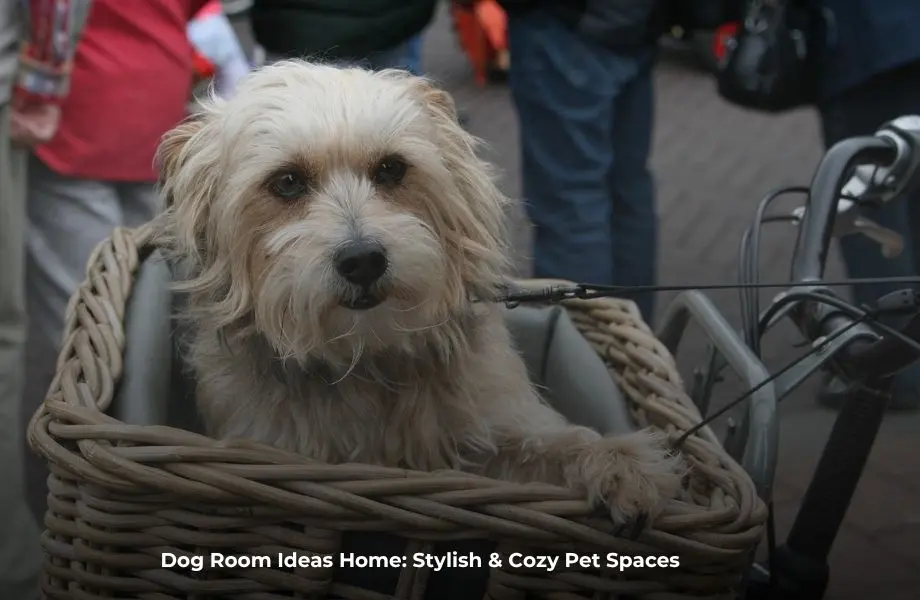

It often starts with something small. A tired dog curling up under the dining table, or a puppy dragging their favourite toy into a quiet corner like they’ve claimed it as their kingdom. That’s when many pet owners begin searching for dog room ideas home, hoping to create a space that feels safe, comforting, and truly theirs. Not just a bed in the hallway, but a place where wagging tails slow down and anxious paws finally relax. This story is not about luxury alone—it’s about love expressed through design. Whether you live in a compact flat or a spacious house, creating a dedicated dog space can quietly transform daily life for both you and your pet, turning ordinary corners into emotional comfort zones filled with warmth, routine, and belonging.
Dog Room Ideas Home: Creating a Space That Feels Like Love

The best dog spaces begin not with furniture, but with observation. You notice where your dog naturally rests, how they follow sunlight across the floor, or how they prefer a quiet spot during busy evenings. That’s where the idea of dog room ideas home truly comes alive—designing around their instincts rather than forcing a layout. One family once turned an unused alcove near the kitchen into a soft den for their Labrador, adding a washable mat, calming colours, and a small shelf for toys. It quickly became the dog’s favourite retreat after walks. According to inspiration shared by Martha Stewart Living, pet spaces work best when they blend comfort with familiar home aesthetics. This approach ensures your pet doesn’t feel separated, but instead gently included in the rhythm of the home, making the space feel like an extension of your care.
Indoor Dog Room Ideas for Small Homes and Apartments

In smaller homes, creativity becomes the most valuable design tool. Indoor dog room ideas often focus on transforming overlooked areas like under-stairs spaces, hallway corners, or even parts of a utility room. In one London apartment, a narrow storage nook was reimagined into a cozy dog bedroom with soft lighting and built-in storage for leashes and treats. This is where smart design meets everyday living. For inspiration, designers featured on Better Homes & Gardens highlight how compact pet zones can still feel luxurious when layered with texture and purpose. Internal inspiration from mudroom storage ideas for small UK homes also shows how multifunctional spaces can seamlessly include pet zones. The key is not size, but intention—turning even the smallest corner into a calming, structured retreat for your dog’s daily rest.
Dog Crate Room Setup and Functional Comfort Zones
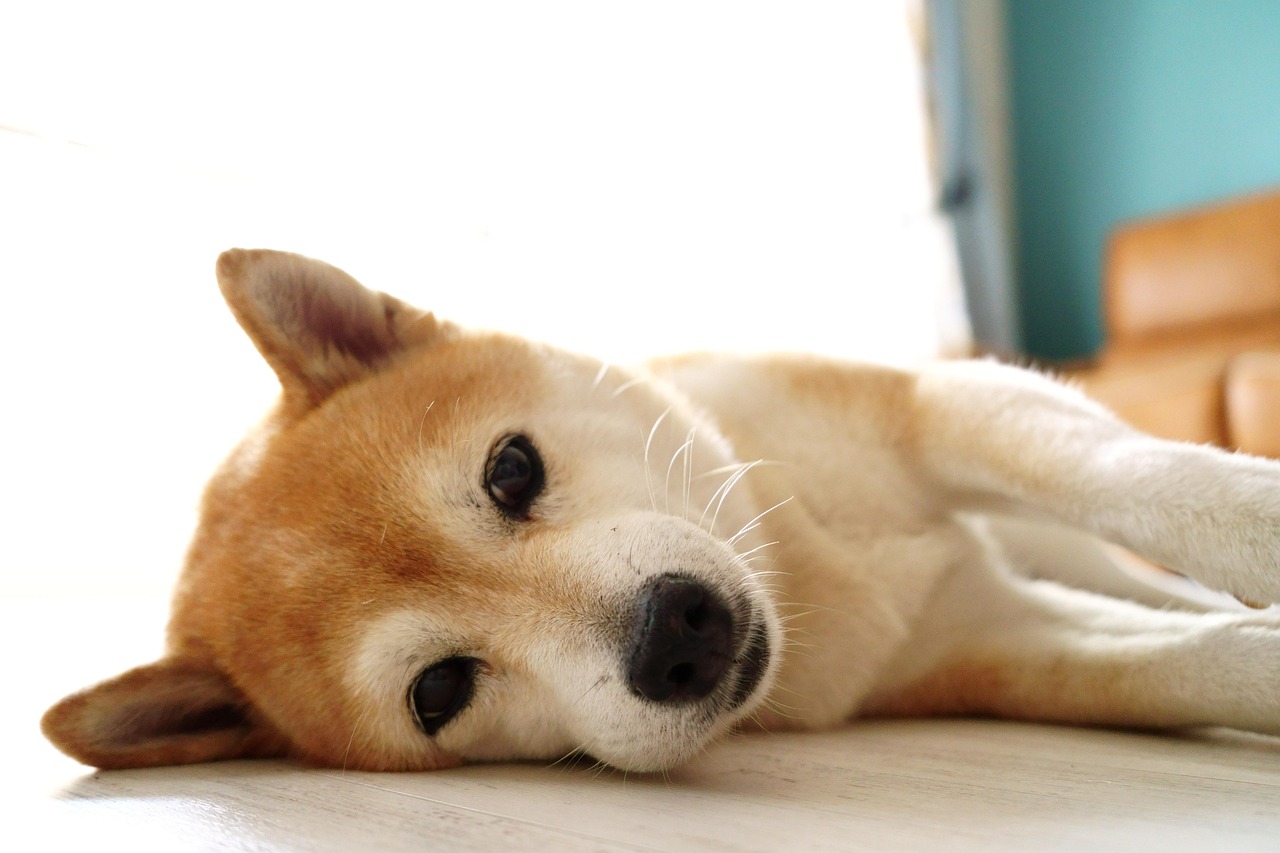
For many pet owners, a crate is not a restriction but a comfort signal. A well-designed dog crate room setup can help dogs feel secure while also keeping the home organised. Think of it as creating a “soft boundary” rather than a cage-like structure. One couple shared how their rescue dog struggled with anxiety until they placed the crate in a quiet corner of the living room, adding soft blankets and familiar scents. Over time, it became the dog’s safe haven. Experts from Trusscore highlight that consistency and comfort are key in crate-based environments. Pairing this with ideas from pet-friendly living room ideas helps integrate the crate naturally into home design, ensuring the space feels intentional rather than isolated. When done thoughtfully, a crate becomes more than furniture—it becomes emotional security.
Luxury and Modern Dog Room Inspiration

There is something quietly heartwarming about seeing a beautifully designed dog space that feels as considered as any human room. Luxury dog room inspiration is not about excess—it’s about thoughtful detail. Soft lighting, custom-built sleeping nooks, and even mini wash stations are becoming part of modern homes. In one contemporary house, a glass-paneled dog room allowed visibility while maintaining separation, giving both pet and owner peace of mind. As highlighted by Elle Decor, pet design is now an extension of interior design trends rather than an afterthought. Internal ideas from kids room storage ideas and bunk bed room ideas also show how clever use of space and built-ins can elevate functionality. A modern dog space in house design often reflects harmony—where elegance meets emotional comfort without compromise.
DIY Dog Room Ideas and Storage Solutions

Not every beautiful dog space requires a big renovation. DIY dog room ideas often begin with repurposing what already exists. A forgotten cabinet can become a feeding station, or a wooden bench can hide neatly organised toy storage underneath. One pet owner shared how weekend creativity turned an old bookshelf into a personalised dog corner, complete with labelled baskets and a soft sleeping pad. This hands-on approach makes the space feel deeply personal. Internal inspiration from study room ideas for kids shows how organisation principles apply across the home, including pet areas. Adding structured storage not only improves cleanliness but also builds routine for both owner and pet. DIY pet room design ideas are less about perfection and more about creating a lived-in, functional space that evolves with your dog’s needs over time.
Pet-Friendly Home Design and Daily Living Integration
The most successful dog spaces are those that don’t feel separate at all. Instead, they flow naturally with everyday life. Pet-friendly home interiors consider movement, comfort, and shared routines. A feeding station near the kitchen, a resting zone in a quiet corner, and easy-to-clean flooring all contribute to a balanced home. One family described how their dog’s designated corner became part of their evening routine—after dinner, the dog would naturally settle into their space while the household slowed down. Internal ideas from kids playroom ideas small spaces demonstrate how multifunctional design can support both play and rest. The goal is harmony, not separation. When dogs feel included in the flow of the home, behaviour often becomes calmer, and daily life feels more connected.
Conclusion: A Home That Includes Every Pawprint
Designing dog room ideas home is not about creating something extravagant—it’s about noticing the quiet ways your pet already lives within your space and gently shaping that reality into something more intentional. From small apartment corners to thoughtfully designed luxury spaces, every idea begins with care. When a dog has a place that belongs to them, the entire home feels more peaceful, more balanced, and more alive. These spaces become part of shared routines, soft memories, and everyday comfort. In the end, it is not just a room for a dog—it is a reflection of the bond you build together, one pawprint at a time.
Author Bio
dailylifestyleguide for uk is a lifestyle-focused content platform sharing practical home design inspiration, family living ideas, and modern UK home trends to help readers create beautiful, functional spaces.
Disclaimer
This article is for informational and inspirational purposes only. Design suggestions are general ideas and may not suit every home, breed, or individual pet needs. Always consider your pet’s health, behaviour, and comfort when making changes to their living environment.
FAQ: Dog Room Ideas for Home
What is the best way to create dog room ideas home in small spaces?
The best approach is to use unused corners like under stairs or hallway nooks. Focus on soft bedding, storage for essentials, and calming colours to create a compact but comfortable dog space that blends into your home.
How much space do I need for a dog room at home?
There is no fixed size requirement. Even a small 2–3 square metre area can work well if it is organised thoughtfully with resting space, toys, and feeding essentials arranged efficiently.
Is a dog crate room setup good for pets?
Yes, when used correctly. A crate can provide security and routine for dogs, especially when placed in a calm, family-centred area with soft bedding and positive reinforcement.
Can I combine pet space with existing rooms?
Absolutely. Many modern homes integrate dog spaces into living rooms, kitchens, or utility areas. This keeps pets close while maintaining structure and organisation within the home.
Why are pet-friendly home interiors becoming popular?
Because more people view pets as family members. Designs now focus on comfort, functionality, and emotional wellbeing, ensuring homes work for both humans and animals seamlessly.