
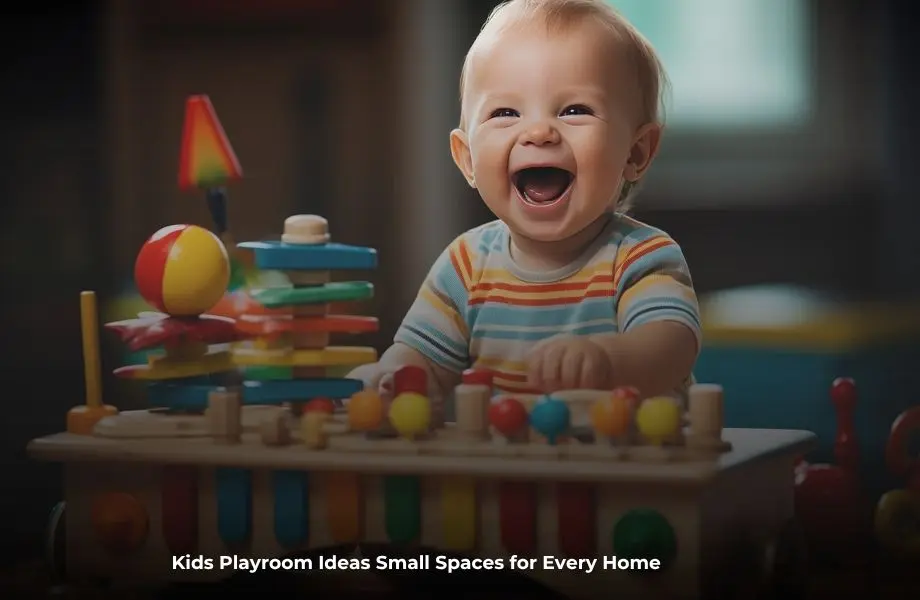

One rainy Saturday afternoon, a parent stood in the middle of a small living room surrounded by colourful blocks, stuffed animals, and puzzle pieces. The toys seemed to be everywhere except where they belonged. Sound familiar? Many families dream of giving their children a dedicated play area, but limited space often makes it feel impossible. The good news is that creating a fun, organised, and inspiring playroom doesn’t require a large house. With the right approach, even the smallest corner can become a magical space where children learn, imagine, and grow. These kids playroom ideas small spaces are designed to help families maximise every square metre while maintaining style and functionality. Whether you live in a compact flat, a terraced home, or simply need to share space creatively, there are plenty of smart solutions that can transform clutter into a practical and enjoyable play environment.
Why Small Playrooms Can Be More Functional Than Large Ones
It may sound surprising, but smaller playrooms often encourage better organisation and more intentional design. When space is limited, every shelf, basket, and piece of furniture must serve a purpose. Many parents discover that having fewer distractions creates a calmer environment where children focus better on creative activities.
Imagine a cosy corner filled with neatly arranged books, a small art station, and carefully selected toys. Instead of feeling overwhelmed by endless options, children can easily access and enjoy what they have. This approach aligns closely with modern educational methods that encourage independent play and organisation. According to research shared by the The Spruce’s playroom design guidance, organised environments can support children’s independence and daily routines.
Many homeowners also combine play spaces with existing rooms. A family room play area, for example, allows parents to supervise children while maintaining a practical household layout. Similar strategies are often used in small bedroom ideas UK, where creative layouts make limited spaces feel significantly larger.
Creating Zones Within a Compact Playroom Design

The secret behind successful small playroom ideas often lies in creating clear activity zones. Even within a tiny room, dividing the space into specific areas helps children understand where different activities belong. A reading corner, a creative station, and a toy area can exist comfortably within a few square metres.
Picture a child walking into their playroom and immediately knowing where to draw, where to read, and where to build with blocks. This structure encourages responsibility while reducing mess. Simple rugs, shelving units, or wall decals can visually separate areas without requiring physical walls.
Parents who adopt zoning often notice that tidying becomes easier because every item has a designated home. This principle is widely recommended in modern interior design. Resources from Ideal Home’s playroom inspiration highlight how designated zones improve both organisation and usability.
If you’re designing a multi-purpose home, combining lessons from contemporary bedroom ideas UK can help create a seamless and stylish layout that works for both children and adults.
Smart Playroom Storage Solutions That Save Space
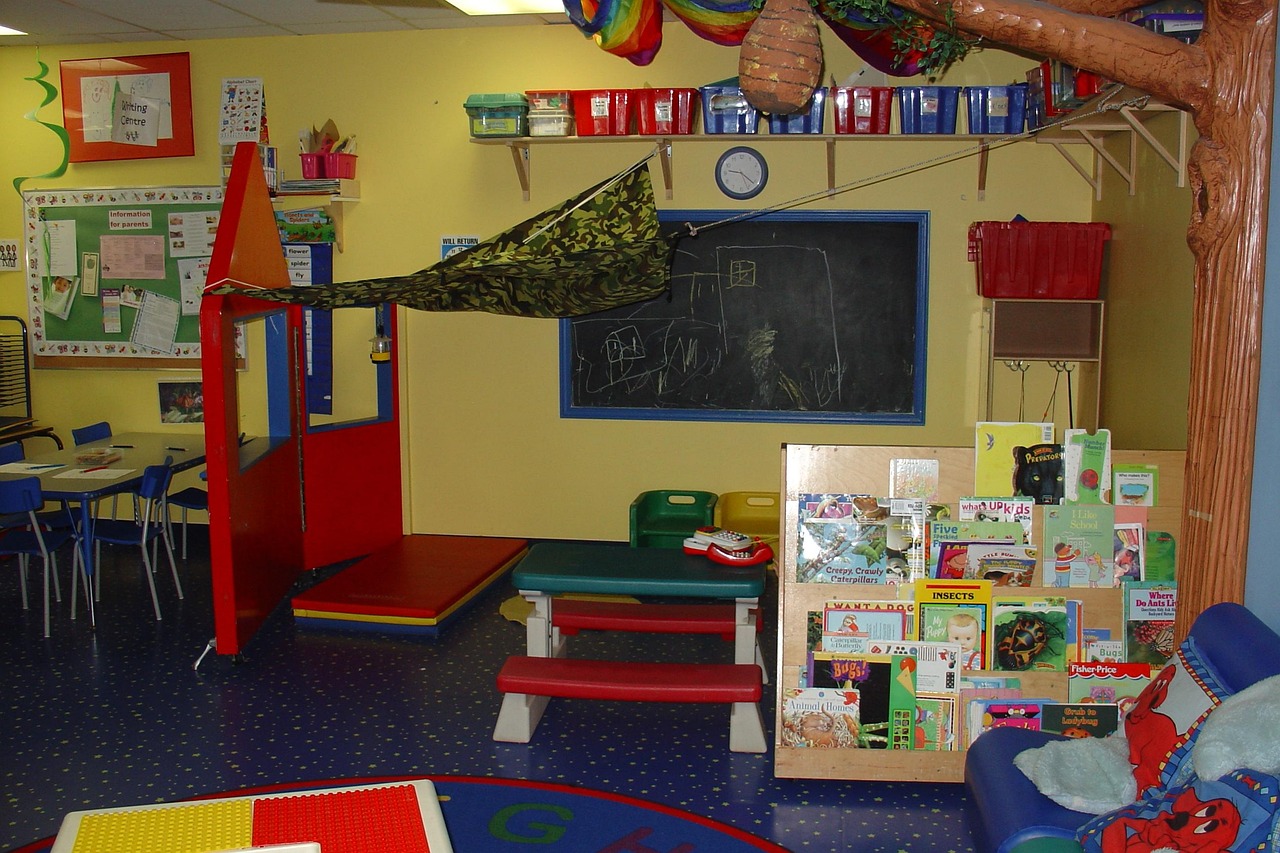
Every parent knows the feeling of stepping on a toy in the middle of the night. Storage often becomes the biggest challenge when designing a playroom in a small home. The good news is that modern storage solutions are smarter than ever.
Think about furniture that works twice as hard. Storage benches can provide seating while hiding toys. Wall-mounted shelves keep floor space free. Under-bed drawers, stackable bins, and labelled baskets help children learn organisation from an early age.
A toy rotation system is particularly effective. Instead of displaying every toy at once, parents store some items away and rotate them every few weeks. This creates excitement while reducing clutter. It also supports a more minimalist playroom environment without limiting creativity.
Families looking for elegant storage often borrow inspiration from French style bedroom decorating ideas, where beautiful furniture combines functionality with timeless design. By choosing multifunctional playroom furniture, even the smallest room can feel organised and spacious.
Making Use of Unused Corners and Awkward Spaces
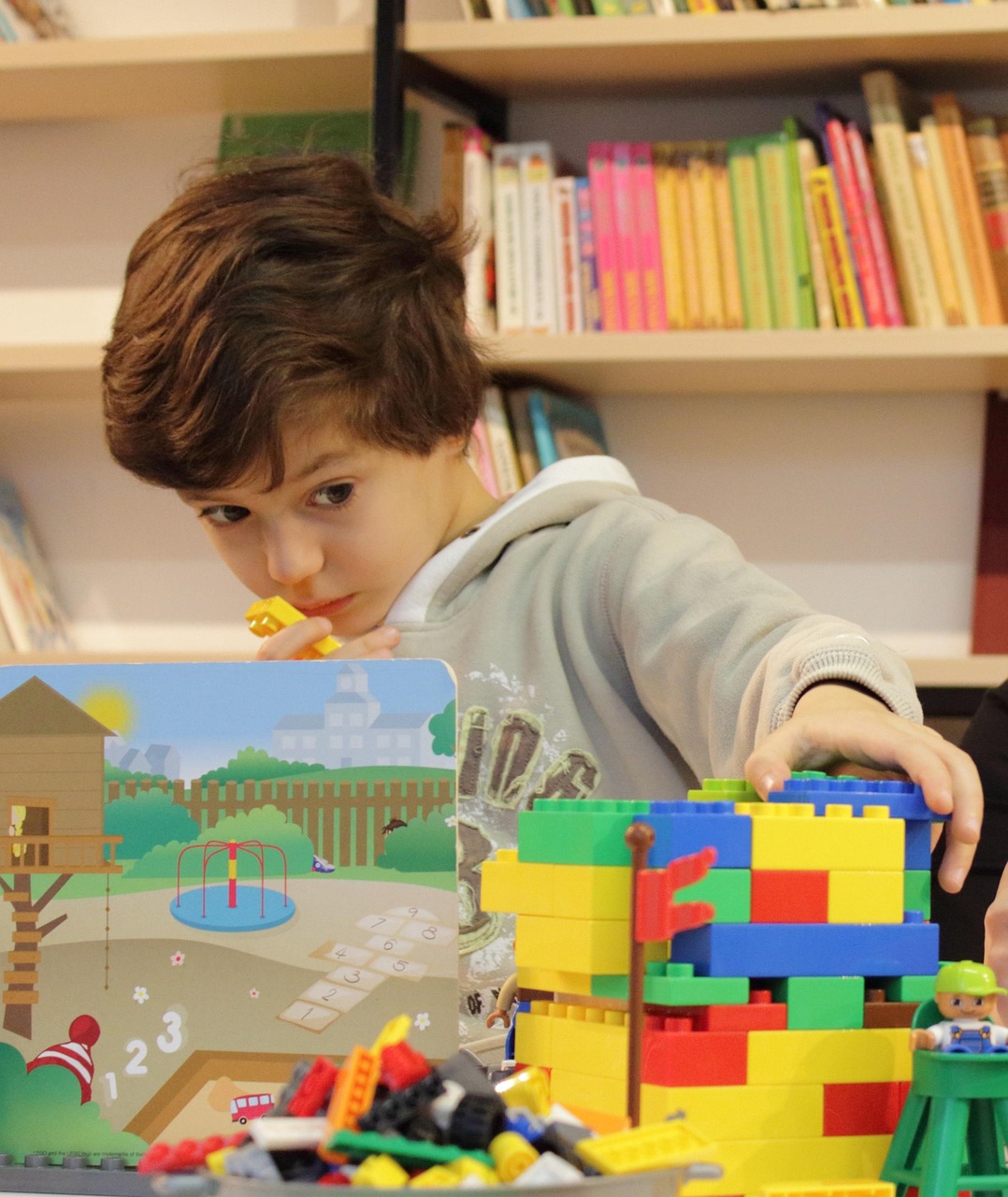
Some of the best kids activity corner ideas begin in spaces most homeowners overlook. That empty corner under the stairs, a section of the landing, or a spare nook in the living room can become an exciting mini playroom with minimal effort.
One family transformed an unused hallway corner into a reading nook with a small bookshelf, soft cushions, and fairy lights. Another converted the area beneath their staircase into a colourful creative play space filled with art supplies and toy storage bins. These transformations didn’t require expensive renovations—just thoughtful planning.
Corner playroom ideas work particularly well in small apartments where dedicated playrooms may not be possible. Strategic use of vertical storage, fold-away furniture, and wall-mounted organisers can maximise every centimetre available.
Decorating these compact areas with attractive wall art and playful accents can make them feel special. Many design enthusiasts also draw inspiration from beautiful bedroom wallpaper ideas to add personality without consuming valuable floor space.
Montessori Playroom Ideas for Small Homes
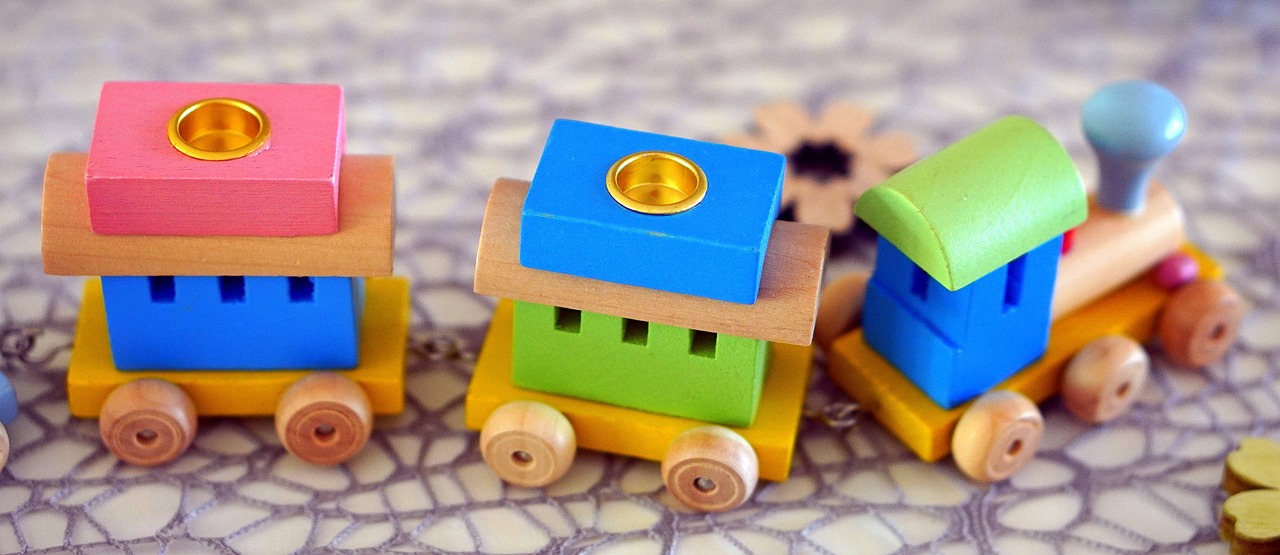
One of the most effective approaches to designing a playroom in a compact home comes from Montessori principles. Rather than filling a room with endless toys, the focus is placed on accessibility, independence, and purposeful play. For parents working with limited space, this philosophy often feels like a breath of fresh air.
Imagine a toddler walking into a room where every toy is displayed neatly on low shelves. They can choose an activity independently and return it when finished. There are no overflowing toy boxes or forgotten items hidden at the bottom of a pile. This simple setup encourages concentration while keeping the room organised.
A Montessori-inspired setup works particularly well for kids playroom ideas small spaces because it reduces clutter naturally. Open shelving, wooden toys, and clearly defined activity areas help create a calm environment. According to educational guidance shared by Nurture and Thrive, intentional play environments can support focus and independent learning in young children.
Even a small nursery playroom combo can benefit from Montessori principles. By keeping only a few carefully selected toys available at any given time, parents can maximise both space and engagement.
Shared Playroom Ideas for Siblings

When multiple children share a play area, organisation becomes even more important. Many families worry that creating a shared playroom in a small room will feel cramped, but thoughtful planning can make the space work beautifully for everyone.
Consider two siblings with completely different interests. One enjoys drawing and crafts, while the other prefers building blocks and puzzles. Instead of separating them into different rooms, a shared playroom can include designated zones that cater to both personalities.
Colour-coded storage bins, individual shelves, and labelled baskets help children keep track of their belongings. Flexible furniture such as foldable tables or stackable stools can adapt to changing activities throughout the day.
Parents often find that shared spaces encourage cooperation, communication, and social development. By creating clearly defined areas within a compact playroom design, children can enjoy personal space while still playing together. This balance makes shared playroom ideas particularly valuable in family homes where every square metre counts.
Creating an Educational and Creative Play Space
A great playroom is more than a place to store toys—it becomes a space where curiosity grows. Even in the smallest room, children can explore creativity, learning, and imagination when the environment supports their interests.
Think about incorporating a small art station, a reading nook for kids, puzzles, building materials, and educational games. These additions encourage active engagement rather than passive entertainment. Rotating activities regularly also helps maintain interest while reducing clutter.
Many parents discover that children spend more meaningful time playing when resources are organised and accessible. Educational play does not require expensive equipment. A small table, accessible bookshelves, and a few well-chosen materials can create a highly effective learning environment.
Whether you’re designing an indoor play area for kids in a compact flat or transforming a spare room into a dedicated playroom, the goal remains the same: create a space where children feel inspired, safe, and free to explore.
Conclusion
Every family begins with a different space, budget, and vision, but the goal is often the same: creating a place where children can learn, play, and make memories. The beauty of these kids playroom ideas small spaces is that they prove size doesn’t determine creativity. A well-planned corner, a thoughtfully organised shelf, or a cosy reading nook can have just as much impact as a dedicated playroom. By focusing on smart storage, multifunctional furniture, educational activities, and personalised design, parents can build a space that evolves alongside their children. As your family grows, these practical solutions can adapt too. Start with one small improvement today, and you’ll be surprised how quickly a compact area can become your child’s favourite place in the home.
Author Bio – Daily Lifestyle Guide UK
Daily Lifestyle Guide UK is a trusted online destination dedicated to home improvement, family living, interior design, lifestyle inspiration, and practical solutions for modern UK households. Our editorial team researches current trends, expert recommendations, and real-life experiences to create helpful content that supports everyday living. From bedroom transformations to family-friendly home organisation ideas, we aim to provide reliable and easy-to-follow guidance that helps readers create beautiful, functional spaces they genuinely enjoy.
Disclaimer
This article is intended for informational and educational purposes only. While every effort has been made to ensure accuracy and relevance as of 2026, design trends, product availability, safety standards, and expert recommendations may change over time. Readers should evaluate individual circumstances and consult relevant professionals when making significant home improvement or child safety decisions. Daily Lifestyle Guide UK is not responsible for decisions made based on the information presented in this article.
Frequently Asked Questions
What are the best kids playroom ideas for small spaces?
The best ideas include multifunctional furniture, wall-mounted storage, toy rotation systems, reading nooks, and designated activity zones. These solutions help maximise available space while keeping the playroom organised and enjoyable for children.
How much space do I need for a small playroom?
You don’t need a dedicated room to create an effective play space. A corner of a living room, part of a bedroom, or an unused hallway area can work well when combined with smart storage and thoughtful organisation.
Is it possible to create a playroom on a budget?
Yes. Many budget playroom ideas involve repurposing furniture, using affordable storage bins, creating DIY toy organisers, and decorating with children’s artwork. Small improvements can make a significant difference without major expenses.
Why does toy rotation help in small playrooms?
Toy rotation reduces clutter and helps children stay engaged with their toys. By storing some items away and rotating them regularly, children often rediscover old favourites while maintaining a tidy and organised environment.
What colours work best in a compact playroom design?
Light neutral shades such as white, beige, soft grey, sage green, and pale blue can make small playrooms feel larger and brighter. Accent colours can then be added through decor, storage, and accessories.
Is a Montessori playroom suitable for small homes?
Absolutely. Montessori playroom ideas focus on simplicity, accessibility, and purposeful organisation. These principles naturally complement small homes by reducing clutter and encouraging children to play independently.