
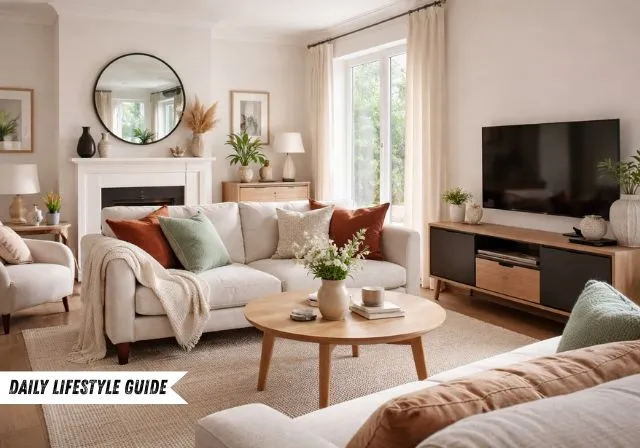

There’s a moment most of us recognise. You walk into your living room after a long day, drop your keys somewhere you’ll forget later, and sit down… but something feels off. The sofa is fine, the walls are fine, even the lighting is fine — yet the room doesn’t feel like “you”. It feels borrowed, temporary, almost like you’re living inside someone else’s idea of home. This is exactly where most people in the UK start searching for living room decor ideas UK homeowners can actually relate to, not glossy magazine perfection. Because real homes aren’t showrooms. They’re lived in, messy, comforting, sometimes chaotic, and deeply personal. In this guide, we’re not just talking about colours or furniture. We’re telling the story of how a living room slowly becomes a place you actually want to stay in. A place where rainy British evenings feel softer, where Sunday mornings stretch longer, and where comfort finally meets style in a way that feels natural, not forced.
What Modern Living Room Decor Really Feels Like in UK Homes
Modern living room decor often gets misunderstood as something cold or overly perfect, but in real UK homes, it feels very different. It’s the quiet shift from cluttered corners to calm spaces where everything finally has a purpose. Imagine coming home to a room where nothing fights for attention, yet everything feels intentional. That’s the real meaning of modern design today. In many British homes, especially terraces and compact flats, modern style is less about trends and more about breathing space. According to BBC lifestyle features on modern living trends, homeowners are increasingly prioritising comfort and practicality over pure aesthetics. That shift is exactly what defines today’s living rooms. Instead of overcrowding shelves or chasing perfection, people are choosing simplicity that still feels warm. This is where ideas like minimalist living room ideas UK quietly fit in, helping turn busy rooms into calm, usable spaces without losing personality.
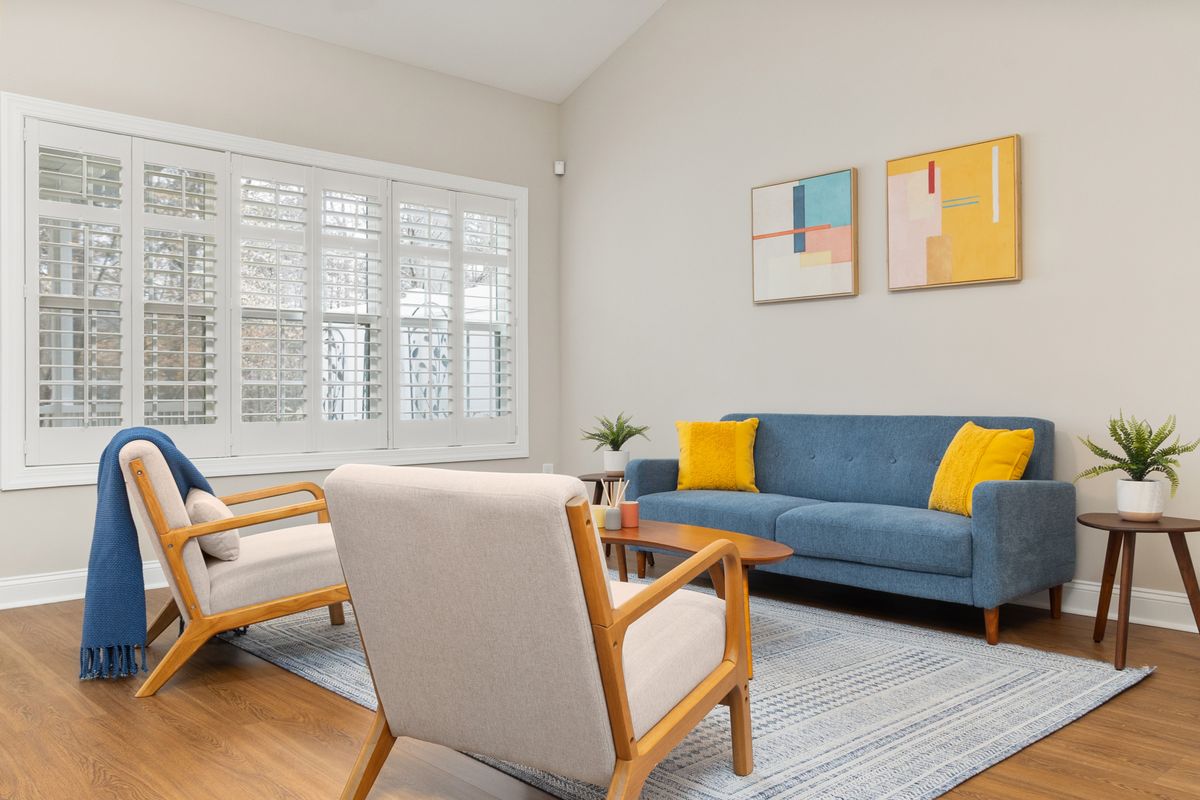
Choosing Colours That Quietly Change the Mood of Your Home
There is a small but powerful moment when you change a wall colour and suddenly the whole room feels different, almost like it has taken a deep breath. In UK homes, where natural light can be soft and unpredictable, colour becomes even more important than furniture. Many homeowners don’t realise how much their mood is shaped by these tones until they experience the difference. Warm neutrals, muted greens, and soft greys are becoming common because they feel stable and calming, especially during long winter months. According to Forbes home design insights, neutral palettes are increasingly used to create emotional balance in living spaces. But colour is not just about trends; it’s about memory and comfort. Think of a room where evenings feel slower and mornings feel lighter. That’s the effect of thoughtful colour choices. If you’re unsure where to begin, exploring living room colour ideas UK homes respond well to can quietly guide your decision in the right direction.
For more inspiration, many UK homeowners also explore living room colour ideas for UK homes to understand how different shades interact with natural light in real British interiors.
Furniture That Fits Your Life, Not Just Your Room
There’s a familiar story in many UK homes: a beautiful sofa bought in excitement that slowly becomes a regret when it takes over the entire room. Furniture has a way of shaping how we live, not just how our space looks. In modern living room decor, the goal is no longer to fill a room, but to let it breathe around your lifestyle. A well-chosen sofa, for example, should invite conversation, not dominate movement. Slim coffee tables and lightweight chairs can completely change how a room feels when you walk through it. According to BBC lifestyle home reports, smaller and more adaptable furniture is becoming a strong trend in urban UK homes. This shift reflects how people actually live today — moving, working, relaxing, and hosting in the same space. For tighter layouts, exploring small living room layout ideas UK can help transform awkward spaces into natural, flowing environments.
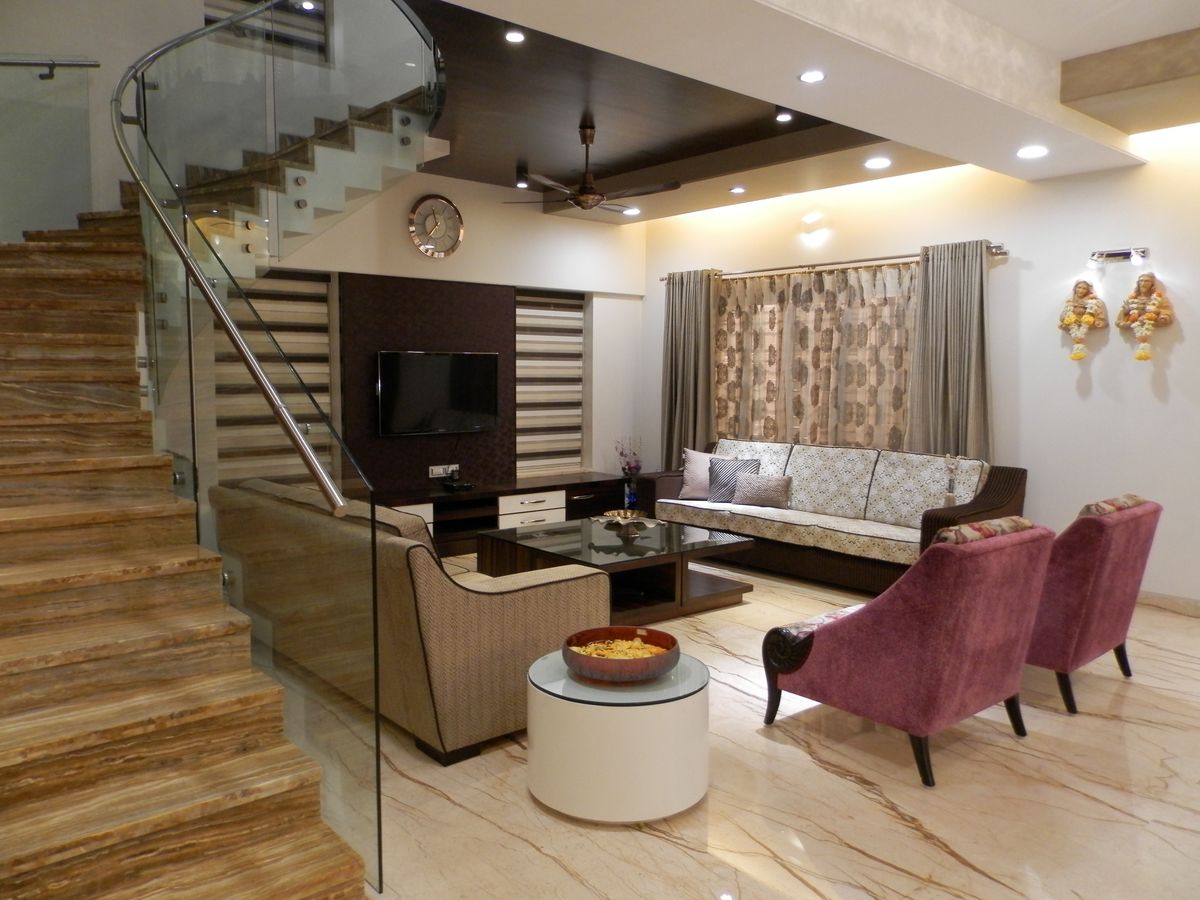
Lighting That Changes How Your Evenings Feel
Lighting is often the quiet detail people notice only when it’s wrong. A single harsh ceiling light can make even a beautifully decorated room feel flat and unwelcoming. But when lighting is layered correctly, the same room can feel warm, soft, and almost cinematic. In many UK homes, where daylight disappears early for much of the year, lighting becomes part of emotional comfort. Floor lamps beside sofas, warm-toned bulbs, and small table lights all work together to create depth. According to Forbes interior lighting analysis, layered lighting is one of the most effective ways to influence mood in home environments. It’s not just about visibility; it’s about atmosphere. Think of evenings where you don’t feel the urge to leave the room because it simply feels right. That is the power of thoughtful lighting in modern living spaces.
Making Small Living Rooms Feel Bigger Without Expanding Them
Many UK homeowners know the feeling of standing in a small living room and wishing it felt just a little more open. The truth is, space doesn’t always need to be added — it needs to be understood. Small rooms can feel surprisingly generous when they are arranged with intention. Light reflecting from mirrors, furniture pulled slightly away from walls, and consistent colour tones all play a part in changing perception. According to BBC home design features, visual space is often more important than physical size when it comes to comfort. This is why compact homes in cities can still feel calm and balanced. For deeper layout inspiration, many homeowners explore tiny house interior ideas UK, which show how even the smallest spaces can feel intentional and livable when designed carefully.
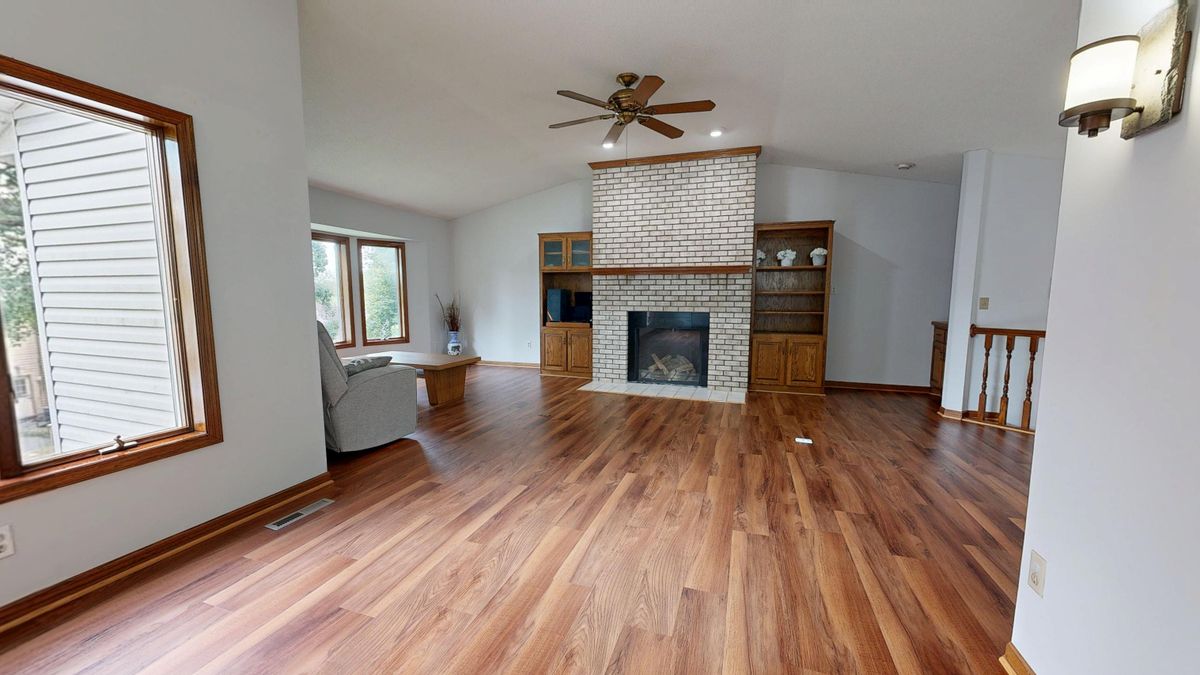
Texture That Makes a Room Feel Alive
A living room without texture often feels like something is missing, even if everything else looks perfect. Texture is what makes a space feel touchable, warm, and real. In UK homes, where weather often encourages indoor living, soft materials like wool throws, linen curtains, and velvet cushions quietly change how a room feels emotionally. You don’t always notice texture immediately, but you feel its effect when you sit down and relax. It softens the edges of modern design and adds personality without clutter. According to Forbes interior living studies, layered materials are one of the most effective ways to create emotional warmth in minimalist spaces. This is especially important in homes that lean towards simple, modern layouts. Texture ensures the room doesn’t feel empty or too controlled — it brings balance between comfort and design.
Statement Pieces That Quietly Change Everything
Every living room has a moment where one object becomes the centre of attention without trying too hard. It might be a bold artwork, a sculptural lamp, or even a striking rug that changes how everything else feels. These statement pieces are not about excess; they are about focus. In many UK homes, especially modern ones, people are moving away from filling rooms with many small decorations and instead choosing one or two meaningful pieces. This creates clarity and personality at the same time. According to BBC lifestyle interior reports, curated design choices are becoming more popular than cluttered styling. A single strong piece can tell a story about the person living in the space, which is why this approach feels so powerful in real homes.
Storage That Disappears Into Your Everyday Life
Clutter is often what breaks the calm in a living room, not because of how much we own, but because of how visible everything becomes. Smart storage changes that quietly. In UK homes, where space is often limited, storage is less about furniture and more about hidden organisation. Ottomans that open up, shelves that blend into walls, and units that conceal everyday items all help maintain visual calm. When storage works well, you stop noticing it — and that’s the goal. It allows the room to feel open even when life is busy. This is especially helpful in smaller homes where every corner matters. Storage that disappears into design creates a sense of ease that you feel every time you enter the room.
Conclusion: Creating a Living Room That Feels Like Your Story
In the end, the best living room decor ideas UK homeowners can follow are not about copying perfect spaces, but about slowly building a room that feels like your own story. It happens in small choices — a softer light in the evening, a colour that calms your mind, a sofa that actually fits how you live, or a corner that becomes your favourite place to sit. Over time, these details come together and create something deeper than design. They create comfort. A modern living room is not finished in a day; it grows with you. And when it finally feels right, you notice it in the quiet moments — when you sit down, breathe out, and realise you don’t want to be anywhere else.
Author Bio
Editorial Team at Daily Lifestyle Guide shares practical UK home decor inspiration designed for real homes, helping homeowners create spaces that feel comfortable, stylish, and genuinely lived in.
Disclaimer
This article is for general informational and inspirational purposes only. Design trends and product availability may change over time. For updates or corrections, please contact the Daily Lifestyle Guide editorial team.
FAQs
What are the best living room decor ideas UK homeowners can use in small spaces?
Small UK living rooms benefit from light colours, mirrored surfaces, and carefully chosen furniture that doesn’t overpower the space. Keeping layouts open and avoiding overcrowding helps the room feel more breathable and balanced without needing extra square footage.
How can I modernise my living room without a full renovation?
Simple changes like updating lighting, changing cushion covers, adding a statement artwork, or rearranging furniture can completely refresh a space. These small updates often have a bigger emotional impact than full redesigns.
What colours work best for modern UK living rooms?
Soft neutrals, warm whites, muted greens, and gentle greys work well because they adapt to low natural light. These tones also create a calm and timeless feel that suits most UK home styles.
How do I make my living room feel cosy but modern at the same time?
The key is layering. Combine soft lighting, textured fabrics, and simple furniture shapes. This balance creates warmth without making the room feel cluttered or outdated.
What is the biggest mistake people make when decorating living rooms?
One of the most common mistakes is pushing all furniture against the walls. This can make the room feel empty in the centre and less natural to use. Floating furniture slightly often creates a more comfortable flow.