
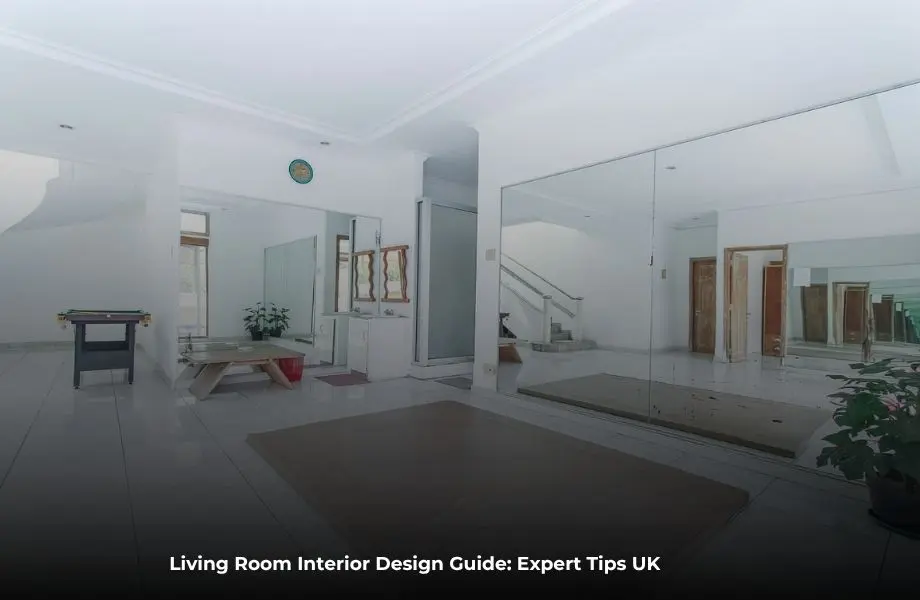

It often starts with a quiet moment—standing in the middle of an empty or slightly “not-quite-right” living room, wondering why it doesn’t feel like home yet. Maybe the sofa feels too big, or the light hits the wrong corner, or something just feels missing. This living room interior design guide is built around that very feeling—the search for warmth, balance, and personality in the place where life actually happens. Whether you’re redesigning a small flat in London or refreshing a family lounge in the UK suburbs, the journey is the same: turning a room into a feeling. Let’s walk through it step by step, like a conversation between ideas, mistakes, and little design discoveries that change everything.
What Makes a Living Room Feel Like Home
Every great living room begins with a feeling, not furniture. You might remember visiting a friend’s house where you instantly felt relaxed—the light was soft, the seating inviting, and nothing felt forced. That emotional comfort is what designers aim for. According to House & Garden’s living room design advice, balance and proportion are often what separate “nice rooms” from truly liveable ones. In real life, this means avoiding overcrowding and letting the space breathe. A young couple in Manchester, for example, once swapped a bulky sofa for a slimmer design and instantly noticed how their evenings felt calmer. The room didn’t change size—but the experience did. In modern living room design ideas, emotional comfort is just as important as aesthetics, especially in 2026 UK homes where multifunctional living spaces dominate daily life.
Planning Your Layout: Small vs Open Plan Living
There’s a moment when you move furniture around for the tenth time and still feel stuck—that’s usually a layout issue, not a décor one. In small flats, every inch matters, while open-plan homes demand visual zoning. The trick is flow. According to Homebuilding & Renovating’s layout insights, clear walkways and defined focal points help create functional harmony. A real example: a London studio owner once rotated their sofa to face the window instead of the TV wall, instantly making the room feel twice as open. For small living room layout challenges, multi-use furniture works best. You can also explore our guide on tiny house interior ideas UK for space-saving inspiration. Good layout isn’t about perfection—it’s about movement, comfort, and letting the room guide how you live.
Choosing a Modern Living Room Interior Style
Style often begins with a question: “What do I want to feel when I walk in?” Modern interiors in the UK are leaning toward soft minimalism—clean lines, warm tones, and personal touches. According to Your ID Interior Design guide, blending textures is key to avoiding a flat or cold look. Imagine a Nottingham homeowner who mixed oak furniture with linen cushions and matte black accents—the result felt modern but still lived-in. This is the heart of a modern living room interior: simplicity without sterility. Instead of chasing trends, focus on what reflects your daily life. Whether it’s a reading chair by the window or an art wall that tells your story, your space should feel like a reflection of you, not a showroom.
Colour Psychology in Living Room Design
Colour can quietly change everything in a room without you even noticing it at first. A soft beige might calm your evenings, while a deep green can make the space feel grounded and natural. Designers often say colour sets the emotional temperature of a room. As reported by Ideal Home’s cosy living room insights, warm neutrals and layered tones are trending strongly across UK homes. One family in Leeds once repainted their stark white living room into warm taupe and suddenly found themselves spending more time together there. That’s the subtle power of living room colour ideas UK. For deeper inspiration, explore our guide on living room colour ideas UK. Colour doesn’t just decorate a space—it shapes how you live in it every day.
Lighting Layers and Mood Creation
There’s a difference between a room that is simply “lit” and one that feels alive at night. Lighting is often the invisible design element people underestimate. A single ceiling bulb rarely creates warmth, but layered lighting does. According to Ideal Home’s lighting advice, combining floor lamps, table lamps, and ambient lighting builds depth and comfort. Picture a rainy evening in Bristol where a soft floor lamp glows beside a sofa, and suddenly the whole room feels like a retreat. In modern home interior styling tips, lighting is not just functional—it is emotional storytelling. Our guide on living room lighting ideas around your sofa explores how placement alone can completely transform your space without changing furniture.
Furniture Selection and Sofa Placement Guide
Choosing furniture often feels exciting at first, until you realise not everything fits the way you imagined. The sofa, especially, becomes the anchor of the room. According to Homebuilding & Renovating’s furniture layout tips, positioning your sofa around the room’s focal point—like a window or fireplace—creates natural balance. In a real UK home scenario, a family in Birmingham moved their sofa away from the wall and created a central seating island, instantly making conversations feel more connected. A good sofa placement guide is less about rules and more about how people interact in the space. For additional inspiration, our article on living room reading corner ideas shows how furniture can define lifestyle zones within the same room.
Cosy Living Room Ideas and Texture Layering
Cosiness is not something you buy—it’s something you build slowly. It often starts with textures: a wool throw on a sofa, a soft rug underfoot, or linen curtains moving slightly with the breeze. According to House & Garden’s styling insights, layering textures is one of the simplest ways to create depth without clutter. Think of a cold winter evening in Edinburgh where a couple adds layered cushions and suddenly the room feels warmer, almost like it’s wrapping around them. This is the essence of cosy living room ideas. Instead of filling space, you’re adding comfort. The best rooms don’t just look good—they invite you to stay longer without noticing time passing.
Common Mistakes and Professional Design Tips
Even beautifully decorated rooms can feel “off” when a few small mistakes creep in. Overcrowding furniture, ignoring scale, or mismatching lighting temperatures can quietly disrupt harmony. Designers often emphasise restraint. As highlighted by Your ID Interior Design experts, consistency in style and proportion is more important than filling every corner. A real example: a homeowner in Surrey removed just two oversized chairs and suddenly regained flow in the room. The lesson is simple—less can feel like more when intentional. Strong contemporary living room style focuses on clarity, not chaos, helping each element earn its place in the room.
Conclusion
A well-designed living room is never just about furniture or colour—it is about how life moves through it. From layout decisions to lighting layers, every choice quietly shapes daily routines, conversations, and moments of rest. This living room interior design guide shows that even small changes can transform how a space feels emotionally. Whether you’re experimenting with cosy textures or refining a modern layout, the goal is always the same: comfort that feels natural, not forced. As trends continue evolving across UK homes in 2026, the most timeless design will always be the one that reflects your life. Start small, adjust slowly, and let your room grow with you.
Author Bio
Dailylifestyleguide is a UK-focused home and lifestyle content creator, dedicated to helping readers transform everyday spaces into meaningful, functional, and beautiful environments. With a passion for interior storytelling and practical design insights, the platform shares ideas that blend creativity with real-life living.
Disclaimer
This article is for informational and inspirational purposes only. Design trends and external sources may change over time. Readers are encouraged to adapt ideas based on their personal space, needs, and professional advice where required.
FAQ
What is the best layout for a small living room?
The best layout for a small living room focuses on flow and function. Keep pathways clear, avoid oversized furniture, and use multi-purpose pieces. Floating sofas or corner arrangements often work well. The goal is to make the space feel open while still being practical for everyday use and comfort.
How do I make my living room look modern?
A modern living room interior usually includes clean lines, neutral colours, and minimal clutter. Focus on quality over quantity, and mix textures like wood, metal, and fabric. Adding subtle accents and keeping décor intentional helps create a fresh, contemporary feel without overwhelming the space.
What colours are trending for UK living rooms in 2026?
In 2026, UK living room colour trends lean toward warm neutrals, earthy greens, and soft browns. These tones create a calming and grounded atmosphere. Many homeowners also combine muted base colours with bold accents to add personality while maintaining balance in the overall design.
How can I make my living room feel cosier?
To make a living room cosier, layer textures such as cushions, throws, and rugs. Use warm lighting instead of harsh overhead lights, and incorporate soft materials. Even small changes, like adding a floor lamp or rearranging seating, can dramatically increase comfort and warmth.
What is the biggest mistake in living room design?
One of the biggest mistakes is overcrowding the space with too much furniture or décor. This reduces flow and makes the room feel smaller. Another common issue is poor lighting choices. Balanced design, with space to breathe, creates a far more comfortable and inviting living room.