
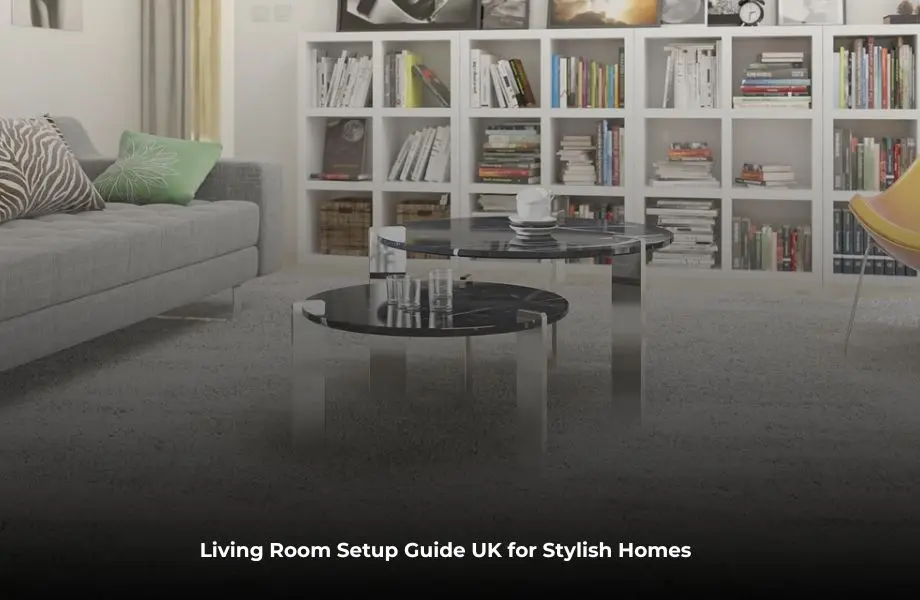

One rainy evening in Manchester, a young couple pushed their sofa against the wall for the fifth time in a month, hoping the room would finally “feel right.” The television looked awkward, the lighting felt cold, and somehow the space never became the cosy retreat they imagined after long workdays. That little frustration is something many homeowners across Britain understand. A living room is more than just furniture and paint colours. It is where family movie nights happen, where guests gather over tea, and where quiet Sunday mornings begin. This living room setup guide UK is designed to help you create a space that feels stylish, practical, and truly personal. Whether you live in a compact London flat or a countryside family home, the right setup can completely change how your home feels every day.
Understanding How Your Living Room Is Really Used
Many people begin decorating by buying furniture first, but the smartest living room setups often begin with a simple question: how do you actually live in the space? A family in Birmingham may need a room that handles toys, homework, and movie nights, while a young professional in London might want a minimalist area perfect for relaxing after work.
Think about your daily habits before moving furniture or choosing colours. Do you entertain guests often? Do you need extra storage? Is the television the main focus, or do you prefer conversation-friendly seating? These small details shape the entire layout.
According to House & Garden’s living room design ideas, multifunctional living rooms are becoming increasingly popular in modern British homes, especially as smaller spaces need smarter layouts.
When homeowners understand their lifestyle first, decisions become easier. Suddenly, that oversized coffee table or bulky armchair no longer feels necessary. Instead, every piece has a purpose. A comfortable living room setup is not about copying trends from magazines. It is about creating a room that quietly supports your everyday life without making the space feel crowded or stressful.
Choosing the Right Layout for British Homes
Walk into many UK homes and you will quickly notice one common challenge: awkward room shapes. Victorian terraces, narrow flats, and compact new-builds often leave homeowners struggling to arrange furniture properly. A thoughtful layout can completely transform even the smallest room.
One homeowner in Leeds discovered this after removing a second side table that blocked natural movement through the room. Suddenly, the space felt open, brighter, and calmer without spending a single pound on renovations.
For narrow spaces, positioning the sofa along the longest wall often creates balance. In open-plan homes, rugs and lighting can help define different zones naturally. If your room feels cramped, floating furniture slightly away from walls can surprisingly make the space feel larger.
As reported by The Living House, long and narrow living rooms benefit from zoning techniques that visually break the space into more functional areas.
Small living room layout ideas do not need expensive redesigns. Sometimes, the smartest living room furniture arrangement simply allows people to move comfortably, relax naturally, and enjoy the room without constantly adjusting furniture every weekend.
Creating a Cosy Atmosphere with Lighting
A beautifully designed room can still feel cold if the lighting is wrong. Many British homes rely heavily on one central ceiling light, but that often creates harsh shadows and removes warmth from the space. The difference between a showroom and a cosy home usually comes down to layered lighting.
Imagine coming home on a dark winter evening. A soft floor lamp glows beside the sofa, a warm table lamp lights the reading corner, and subtle wall lighting creates depth around the room. That atmosphere instantly feels comforting.
Modern living room ideas UK homeowners love often include layered lighting using floor lamps, wall lights, and dimmable bulbs. Warm white lighting works particularly well in British interiors because it creates softness during darker months.
You can also explore these living room lighting ideas around your sofa for inspiration on creating a warmer setup.
According to Sharps, lighting plays a major role in how spacious and welcoming a living room feels.
Good lighting is not only practical. It quietly shapes mood, comfort, and even how colours appear throughout the room.
Finding Furniture That Fits Without Overcrowding
Many homeowners make the same mistake after moving into a new house: they buy furniture that looked perfect in a showroom but overwhelms the actual room at home. British living rooms are often more compact than expected, so scale matters more than trends.
A couple in Bristol realised this after replacing a bulky corner sofa with a slimmer modern design. The room suddenly felt twice as large, even though they added more seating overall.
Compact living room furniture works best when each item serves a purpose. Storage ottomans, slim coffee tables, and raised-leg sofas help create visual space. Modern sofa ideas UK homeowners prefer today often focus on clean lines, neutral fabrics, and flexible seating arrangements.
According to Barker and Stonehouse, choosing furniture proportional to the room size is one of the most effective ways to improve layout and comfort.
In apartment living room setup designs, multifunctional furniture becomes especially valuable. A stylish bench with hidden storage or nesting tables can make daily life far easier without sacrificing style. The best rooms rarely contain the most furniture. They simply use the right pieces wisely.
Using Colour Schemes That Feel Timeless
Colour changes how a room feels emotionally. Soft neutrals create calmness, earthy greens bring warmth, and muted blues often make a living room feel peaceful after busy days. In many UK homes, natural light shifts constantly because of the weather, so choosing the right colours becomes even more important.
One homeowner in Edinburgh painted her dark beige walls a soft warm white and added olive green cushions. The entire room instantly felt brighter, fresher, and more relaxing without replacing any furniture.
Living room colour schemes UK homeowners increasingly prefer include warm neutrals, sage green, terracotta, and soft greys. These tones work beautifully with both traditional and contemporary living room design UK styles.
You can also explore these inspiring living room colour ideas UK to discover combinations that work well in British homes.
As reported by House & Garden, natural and earthy palettes remain among the strongest interior trends across UK homes in 2026.
Choosing timeless colours does not mean avoiding personality. It simply means building a foundation that continues feeling stylish long after short-lived trends disappear.
Adding Personality Through Décor and Accessories
The most memorable living rooms rarely look perfect in a showroom sense. Instead, they feel personal. A framed travel photo, an old bookshelf, or a textured throw blanket often tells more about a home than expensive designer furniture ever could.
A family in York transformed their minimalist living room by adding handmade ceramics collected during holidays and vintage books inherited from grandparents. Suddenly, the room felt warm and lived-in rather than staged.
Living room accessories UK homeowners love today include textured cushions, layered rugs, oversized mirrors, indoor plants, and soft linen curtains. These details soften the room and create emotional comfort.
Modern British homes interior trends also increasingly focus on mixing old and new pieces together rather than buying matching furniture sets.
According to House & Garden, layered textures and meaningful decorative items help create more inviting and authentic interiors.
Stylish living room décor should feel collected naturally over time. The goal is not perfection. It is creating a room where people instantly feel comfortable the moment they walk through the door.
Making Small Living Rooms Feel Bigger
Small living rooms can feel surprisingly luxurious when designed thoughtfully. In fact, many London flats prove that limited space often encourages smarter creativity. The challenge is learning how to avoid visual clutter while keeping the room functional.
A young renter in Camden transformed her tiny flat simply by replacing heavy curtains with sheer linen panels and adding a large mirror opposite the window. The room suddenly reflected more light and felt dramatically more open.
Small flat living room ideas often focus on light colours, multifunctional furniture, and vertical storage. Floating shelves, slim TV units, and raised-leg sofas create more visible floor space, which helps rooms feel larger.
You may also find inspiration in these tiny house interior ideas UK that work beautifully for compact spaces.
According to Sharps, mirrors and carefully planned storage are among the most effective ways to maximise smaller living areas.
Minimalist living room UK designs work especially well in compact homes because they reduce visual stress and help the space feel calm rather than crowded.
Designing a Family-Friendly Living Room
A stylish room should still survive real life. Families with children, pets, or regular visitors need spaces that feel welcoming without becoming stressful to maintain. The best family living room ideas balance beauty with practicality.
One mother in Liverpool stopped worrying constantly about cream sofas after switching to washable fabric covers and adding durable storage baskets for toys. Her living room finally became a place for relaxing instead of constant cleaning.
Living room storage solutions are essential in busy homes. Hidden storage benches, built-in shelving, and multifunctional cabinets help keep everyday clutter manageable without sacrificing style.
Open plan living room ideas also continue growing in popularity because they allow families to stay connected while cooking, relaxing, or helping children with homework.
As reported by Barker and Stonehouse, flexible layouts and practical seating arrangements are becoming increasingly important in modern family homes.
A comfortable living room setup should support daily life naturally. Children should feel welcome to play, guests should feel relaxed, and homeowners should never feel afraid to actually use their own furniture.
Creating Relaxing Corners Within the Living Room
Sometimes, the most loved spot in a living room is not the sofa or television area. It is the quiet corner beside the window where someone drinks coffee every morning or reads after work. These small personal spaces add emotional comfort to the entire home.
A retired teacher in Bath transformed an unused corner with a cosy armchair, warm lamp, and small bookshelf. That simple setup quickly became her favourite place during rainy afternoons.
Living room styling tips often focus heavily on the main seating area, but smaller zones matter too. Reading corners, plant displays, or even compact workspaces can make the room feel more functional and peaceful.
You can explore these beautiful living room reading corner ideas for inspiration.
According to House & Garden, creating layered and flexible spaces helps living rooms feel more comfortable and adaptable throughout the day.
Luxury living room setup UK trends now focus less on expensive furniture and more on creating emotional comfort through thoughtful layouts, textures, and personal touches.
Bringing Everything Together for a Balanced Space
The most successful living rooms rarely happen overnight. They evolve slowly as homeowners learn what feels comfortable, practical, and meaningful. A rug gets added during winter, artwork changes over time, and furniture shifts slightly as routines change.
One homeowner in Surrey admitted her favourite part of decorating was realising she did not need perfection. Once she stopped chasing trends and focused on comfort, the room finally began feeling like home.
This living room setup guide UK is not about copying one perfect style. It is about understanding your space, your routines, and the atmosphere you want to create every day. Whether you love contemporary living room design UK trends or prefer cosy traditional interiors, thoughtful choices always matter more than expensive ones.
When lighting feels warm, furniture fits naturally, and décor reflects your personality, a living room becomes more than just another room. It becomes the heart of the home where memories quietly grow over time.
Author Bio – DailyLifestyleGuide UK
DailyLifestyleGuide UK shares practical home inspiration, interior design ideas, and modern lifestyle tips tailored for British homes. From cosy living room transformations to smart storage solutions, the platform focuses on helping readers create stylish, comfortable, and functional spaces that truly feel like home.
Disclaimer
This article is intended for informational and inspirational purposes only. Design trends, furniture prices, and home improvement recommendations may change over time. Readers should always consider their personal space requirements, budget, and professional advice before making major interior design or renovation decisions.
Frequently Asked Questions
What is the best layout for a small living room in the UK?
The best small living room layout usually keeps furniture proportional to the space while allowing easy movement. Slim sofas, floating shelves, and light colour schemes help smaller UK living rooms feel more open and comfortable.
How much does a living room makeover cost in the UK?
A basic living room makeover in the UK can cost between £500 and £3,000 depending on furniture, paint, lighting, and décor choices. Simple changes like lighting upgrades and rearranging furniture can improve the room without major expenses.
Is minimalist living room design popular in UK homes?
Yes, minimalist living room UK styles remain highly popular because they create calm, clutter-free spaces. Many homeowners prefer clean lines, neutral colours, and multifunctional furniture to maximise comfort and practicality.
Why does my living room feel smaller than it is?
Heavy furniture, dark colours, poor lighting, and clutter can make living rooms feel smaller. Using mirrors, lighter tones, and better furniture spacing often helps create a more spacious atmosphere.
What colours work best for cosy living room setups?
Warm neutrals, soft greens, earthy terracotta tones, and muted blues work beautifully for cosy living room setups. These colours create warmth while still feeling timeless and stylish in British homes.
How can I make my living room look more expensive?
Layered lighting, textured fabrics, quality curtains, and thoughtful accessories can instantly elevate a living room. A balanced layout and clutter-free design often make a bigger impact than expensive furniture alone.