

If a conservatory is unusable for half the year, blinds are almost always the cheapest route to fixing it. Not side blinds, which most people fit first, but roof blinds, which most people leave until last because they cost more.
That order is backwards. Most of the heat and nearly all of the glare in a British conservatory comes through the roof, and until that is dealt with the room will still be too hot in July and too cold in January.
Why Roof Blinds Come First
The roof of a conservatory faces the sky, which means it collects sun from first light to last and radiates heat straight back out on a clear night. The side glazing only faces one or two directions and is often partly shaded by fences, walls and planting.
Fitting side blinds alone gives you privacy and a modest reduction in glare. Fitting roof blinds changes the temperature of the room.
For the whole picture see our conservatory ideas guide.
Pleated and Cellular Blinds
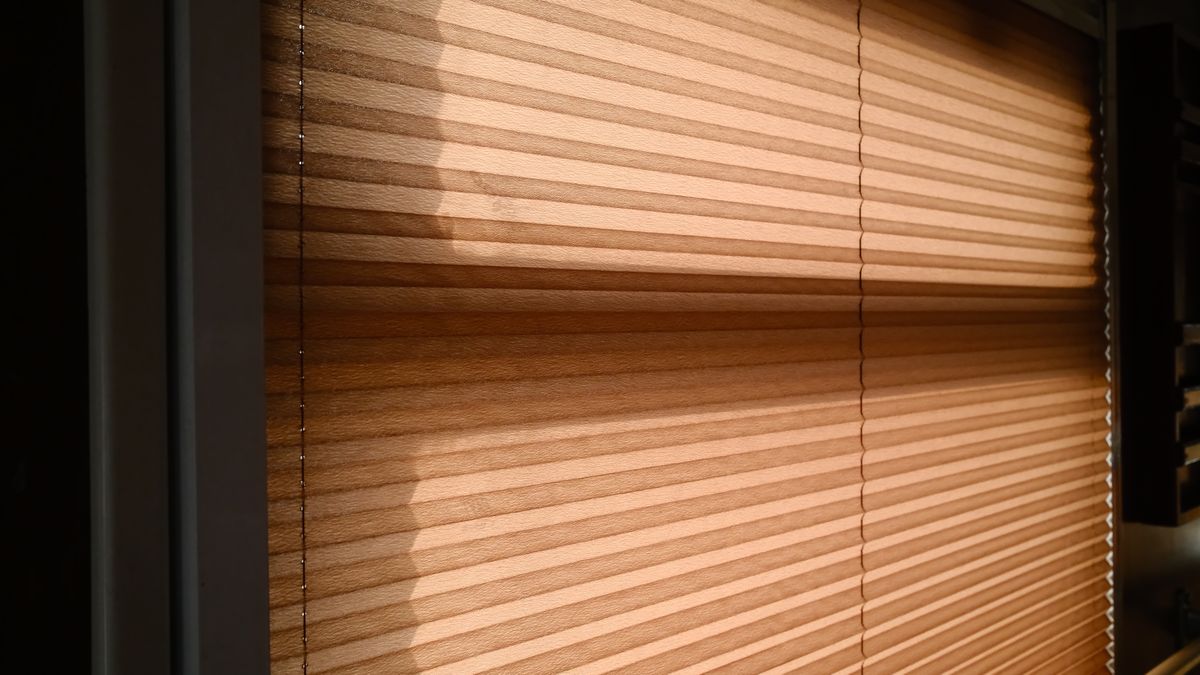
Pleated blinds are the standard conservatory choice because they fold flat, follow angled roof pitches, and are light enough to work on overhead runners.
Cellular, sometimes called honeycomb, blinds are the version worth paying for. The fabric forms closed cells that trap a layer of air, and that trapped air insulates in both directions: it slows heat coming in during summer and slows it escaping in winter.
Many are available with a reflective or metallised backing, which bounces solar heat back out through the glass before it enters the room. In a south-facing conservatory that backing does most of the work.
Other Blind Types and Where They Fit
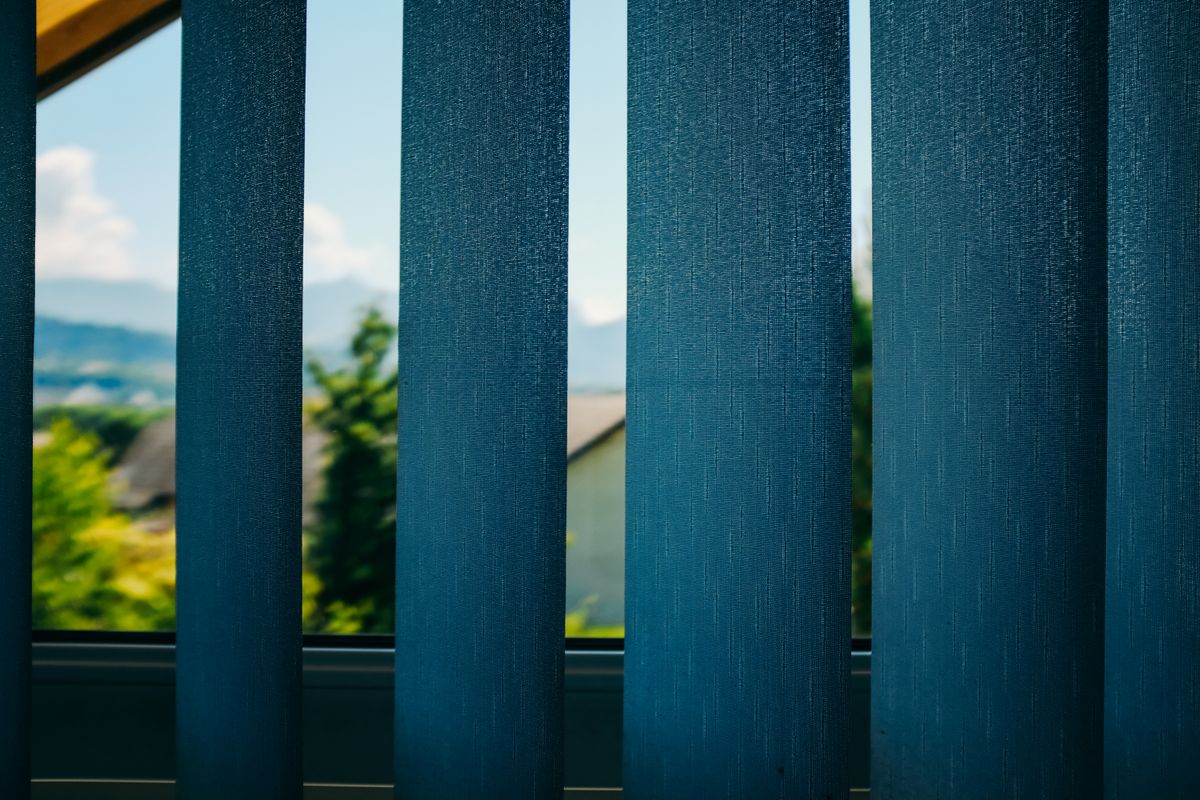
- Vertical blinds are cheap and suit tall side glazing, though they do little for heat and can rattle in a draught.
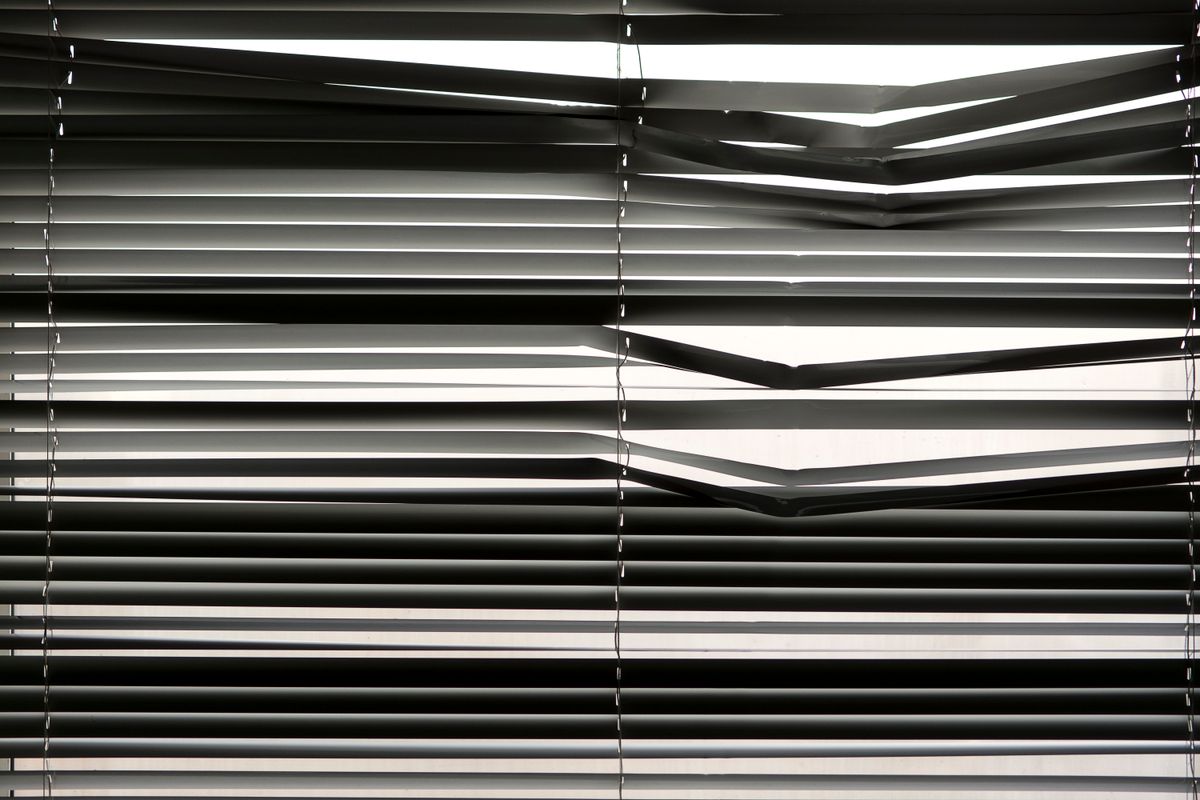
- Venetians, particularly in aluminium or faux wood, give the finest control over glare because you can angle the slats rather than choosing between open and closed.
- Roller blinds are simple and inexpensive on side windows and generally impractical on a sloping roof.
- Perfect-fit blinds clip into the glazing bead without drilling the frames, which suits uPVC and rented properties.
- Sail shades and fabric drapes soften a roof and look lovely, but offer far less thermal control than a fitted blind.
Glare, Which Is a Separate Problem From Heat
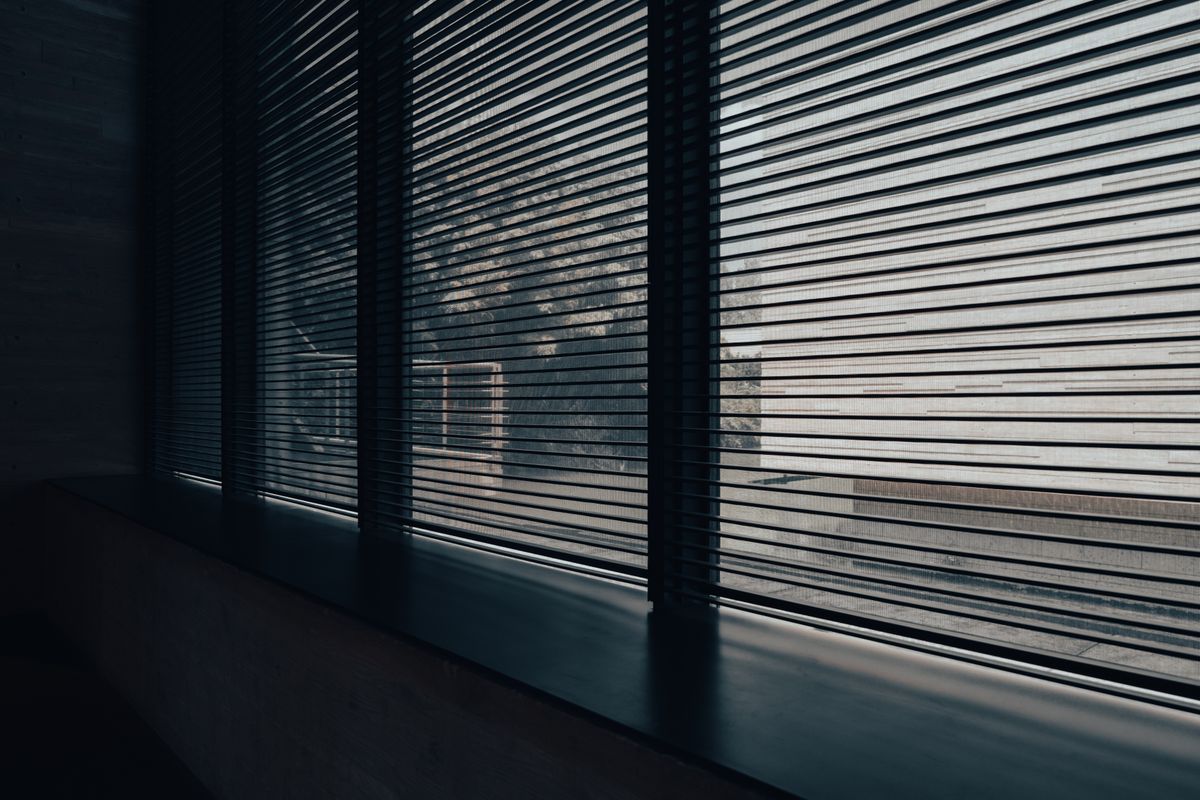
Heat and glare travel together but are not the same complaint. A conservatory can be a comfortable temperature and still be impossible to work or watch television in.
Glare is about direction, so the fix is control rather than blockage. Venetian slats angled upward bounce light onto the ceiling and let you keep the view. Pleated blinds with a partial-opening track let you cover just the section of roof the sun is crossing.
If the conservatory is used as an office, treat glare as the first requirement and temperature second, because a screen becomes unusable long before a room becomes too warm.
Blinds in Winter
This is the half people forget. Blinds are bought to keep summer heat out, and then left open all winter when they would be doing the most good.
Closing roof and side blinds at dusk traps a layer of air against the glass and measurably slows heat loss, in the same way curtains do in the rest of the house. In a room that is losing warmth through every surface, that costs nothing and makes a real difference.
If the habit is hard to keep, motorised blinds on a timer or a smart plug will do it for you, and this is the strongest argument for motorising them.
Fitting, Measuring and Cost
Conservatory blinds are almost always made to measure, because roof pitches, pane sizes and glazing bar spacings vary between every installation.
Roof blinds cost more than side blinds, sometimes considerably, because each one is bespoke to a pane and needs runners to hold it against gravity. That is why quotes vary so much: the number of panes matters more than the floor area.
Measure and count the panes before asking for quotes, and check whether the quote includes fitting. As with any made-to-measure product, make sure each quote covers the same scope before comparing prices.
Fabric, Colour and Maintenance

Pale fabrics reflect more heat and show less fading; darker fabrics control glare better and absorb more warmth. A reflective backing lets you have a darker room-facing colour without the heat penalty.
Blackout fabric is rarely right in a conservatory. The point of the room is daylight, and a full blackout makes it feel like a cupboard on a grey day.
For maintenance, dust pleated blinds with a soft brush rather than a damp cloth, which marks the fabric. Check the manufacturer guidance before cleaning anything with a reflective backing.
Motorised Blinds and Whether They Are Worth It
Roof blinds sit above head height, often across a pitch, and reaching them means a pole or a ladder. That is precisely why so many conservatory blinds end up permanently open or permanently closed.
Motorising them removes the friction, and in a conservatory that friction is the whole reason blinds stop being used. A remote, a wall switch or a phone app means the roof actually gets covered on the hot afternoon and uncovered on the dull morning.
The stronger argument is automation. Blinds on a timer that close at dusk in winter and on a sun sensor that closes them at midday in summer do the job nobody remembers to do manually. If you are fitting roof blinds at all, price the motorised version before dismissing it.
Combining Blinds With Other Fixes
Blinds are the best single intervention in a conservatory, and they work far better alongside two or three cheap ones.
- Solar control film on existing glazing cuts heat gain and costs a fraction of new glass, though it also cuts light year-round.
- High-level ventilation, whether a roof vent or an opening top window, lets hot air escape. Blinds slow heat coming in; ventilation removes the heat already there.
- Draught-proofing around frames and the threshold makes winter blind-closing far more effective.
- An external awning or sail stops solar heat before it reaches the glass at all, which is more effective than anything fitted inside.
- Planting a tree or tall shrub to the south west shades the afternoon sun in summer and lets it through once the leaves drop.
Together these cost less than replacing a roof and get most of the way to the same result.
Measuring and Common Fitting Mistakes
Made-to-measure means the measurements are your responsibility unless the supplier surveys, so it is worth knowing where people go wrong.
Measure every pane individually rather than assuming they match. Conservatory roofs are rarely perfectly symmetrical, and a blind cut for the wrong pane cannot be adjusted. Note which measurement belongs to which pane and take photographs with the numbers written on tape.
Check what the blind will foul when it is open as well as closed: roof vents, trickle vents, handles and the arc of any opening window. And confirm whether the fitting is into the glazing bar or the frame, because that decides whether you need a supplier who works with your specific conservatory system.
If any of that feels uncertain, pay for the survey. On roof blinds it is usually a small proportion of the total and it moves the risk onto the supplier.
Final Thoughts
Fit the roof before the sides, choose cellular over plain pleated if the budget allows, and get a reflective backing on anything facing south.
Then remember to close them in January as well as July. Blinds are the only thing in a conservatory that improves both the hottest and the coldest week of the year.
Frequently Asked Questions
Do conservatory roof blinds really work?
Yes. Most heat and glare enter through the roof, so roof blinds change the room’s temperature in a way side blinds alone cannot.
What are the best blinds for a conservatory?
Cellular or honeycomb pleated blinds. The trapped air in the cells insulates both ways, and a reflective backing bounces solar heat back out.
Do blinds help a conservatory in winter?
Yes, if you close them. Closing roof and side blinds at dusk traps air against the glass and slows heat loss, much like curtains elsewhere in the house.
Why are conservatory blinds so expensive?
They are made to measure per pane and roof blinds need runners to hold them against gravity, so cost tracks the number of panes rather than floor area.
Should conservatory blinds be light or dark?
Pale fabric reflects more heat and fades less; darker fabric controls glare better. A reflective backing lets you have a darker inside face either way.
Can I fit blinds without drilling uPVC frames?
Perfect-fit blinds clip into the glazing bead without screws, which suits uPVC and rented properties.
Disclaimer
This article is for general information only. Product specifications and building regulations vary by property and change over time. Check current guidance and manufacturer instructions before making changes.