


You wipe the window every morning and think nothing of it. Then one October you move the bed away from the wall and there it is: a grey-black bloom in the corner, behind the headboard, where nobody ever looks. Almost everyone searching how to stop mould in bedroom UK homes get has already reached that moment. The good news is that bedroom mould is usually one specific, fixable problem. The better news, if you rent, is that it may not be your job to fix it at all.
| Most common cause | Condensation: indoor moisture meeting a cold surface |
| The four types of damp | Condensation, penetrating, rising and traumatic |
| Why bedrooms | We breathe in them for eight hours, then close the door |
| Most at risk | Asthma, COPD and other lung conditions, children, older people |
| The official line | Blaming damp on tenant ‘lifestyle choices’ is unreasonable |
| Social housing | Damp and mould must be investigated within 10 working days |
| Private renting | Not covered by Awaab’s Law, but landlords are still responsible |
First, Work Out Which Damp You Have
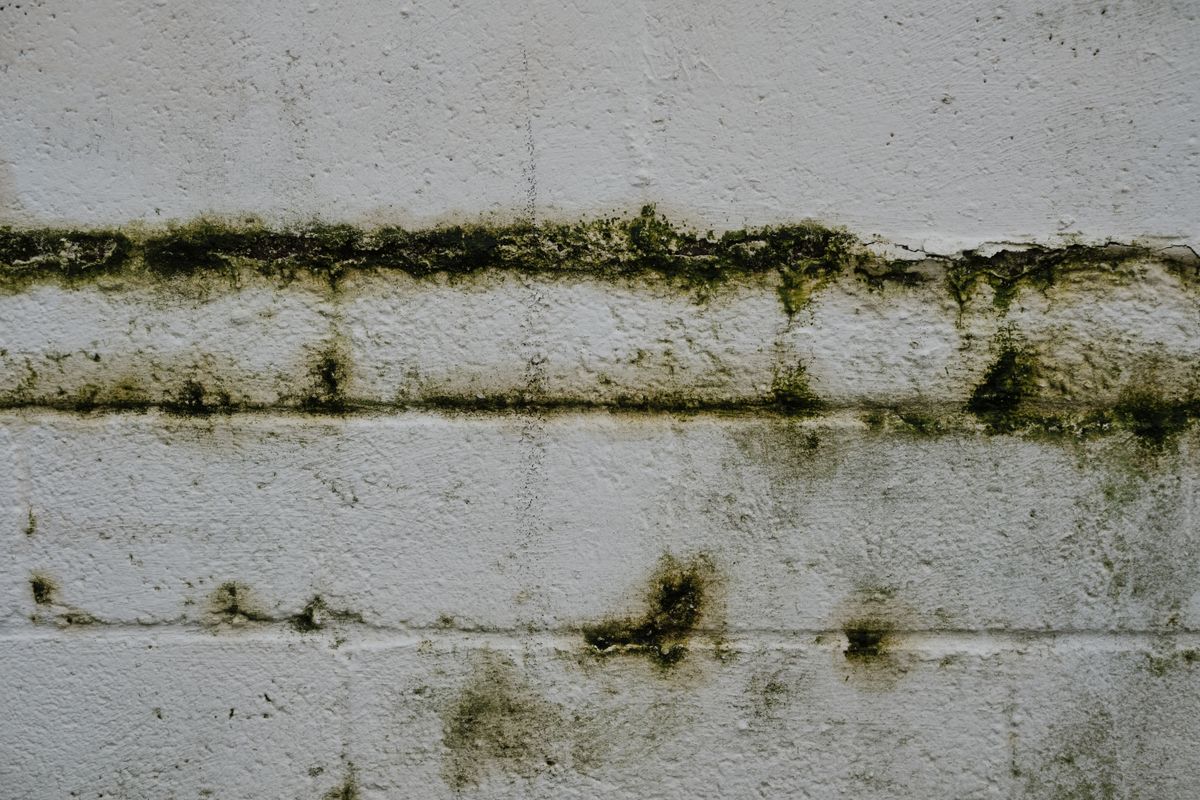
First, Work Out Which Damp You Have
Image source: pexels.com
This matters more than any product you could buy, because the four kinds need completely different fixes. Government guidance splits them clearly. Condensation damp is moisture generated inside the home cooling and condensing onto colder parts of the building. Penetrating damp is water getting in from outside through a defect, such as a cracked render or a blocked gutter. Rising damp is moisture from the ground travelling up through the structure. Traumatic damp comes from leaks: waste and heating pipes, an overflowing bath, a burst pipe. If your mould appears in cold corners and behind furniture and the windows stream every morning, it is almost certainly condensation.
Why Bedrooms Get It Worse Than Anywhere Else

Why Bedrooms Get It Worse Than Anywhere Else
Image source: pexels.com
A bedroom is a near-perfect condensation trap and most people never think about why. You spend eight unbroken hours in it breathing out moisture, usually with the door shut and the heating off overnight. The room cools, the air cannot hold what it is carrying, and the water drops out onto the coldest surfaces it can find: the window, the outside wall, the corner where two external walls meet. Then a wardrobe or a headboard sits flat against that wall, stopping air moving across it, and mould takes hold in the one spot nobody sees for months. The pattern is so consistent it is almost diagnostic.
It Is Not Your Lifestyle, and That Is Official
Almost every commercial page on this subject tells you the problem is how you live: you dry washing indoors, you do not open windows enough, you shower too long. Government guidance is unusually blunt about that framing, stating that it is absolutely clear that it is totally unreasonable to blame damp and mould in the home on lifestyle choices. It also accepts plainly that it is unavoidable that everyday tasks such as cooking, bathing, washing and drying laundry will produce indoor moisture. Living in your home is not a fault. If a building cannot cope with someone breathing and washing in it, the building has the problem, not the person.
The Health Side, Stated Honestly
This is worth taking seriously rather than shrugging at. Official guidance says damp and mould predominantly affect the airways and lungs, and that the respiratory effects can cause serious illness and, in the most severe cases, death. The groups at greater risk are people with a pre-existing condition such as allergies, asthma, COPD, cystic fibrosis, other lung diseases or cardiovascular disease, along with children, older people, pregnant women and anyone immunocompromised. If someone in the house has a persistent cough or worsening asthma and there is mould in the bedroom, those two facts belong in the same conversation with a GP.
Heat the Room, Even a Little

Heat the Room, Even a Little
Image source: pexels.com
The instinct in an expensive winter is to turn the bedroom radiator off completely, and it is the single change most likely to make mould worse. Cold surfaces are what moisture condenses onto, so a room that never warms up gives the water somewhere to land every single night. A low, steady background temperature does far more than blasting the heating for an hour before bed, because it keeps the wall surfaces above the point where condensation forms. Government guidance stops short of naming a temperature and instead says homes should be adequately heated, which is a fair reflection of how much it varies between buildings.
Ventilate Properly, Not Just Occasionally
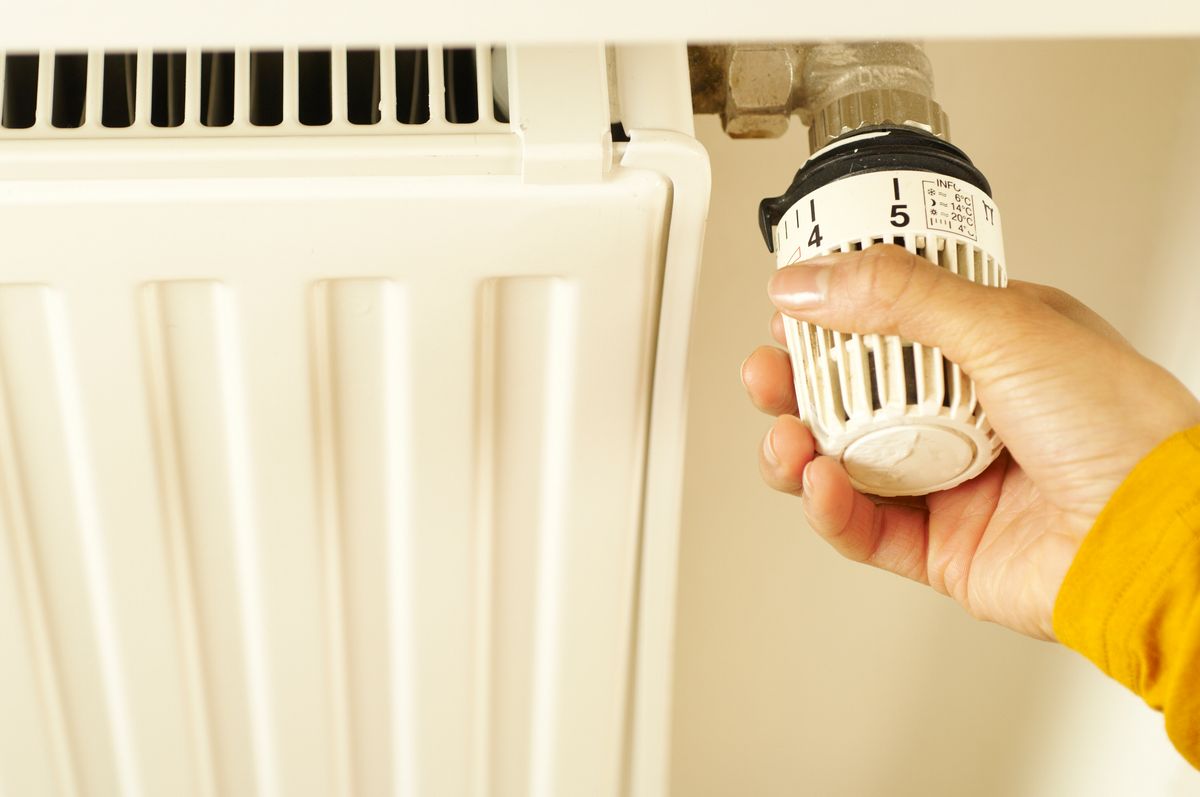
Ventilate Properly, Not Just Occasionally
Image source: pexels.com
Ventilation is the other half, and the trick is little and often rather than one dramatic airing. Open the bedroom window on the smallest setting for a while each morning so the night’s moisture leaves rather than settling. Leave trickle vents open if the windows have them, because they were fitted for exactly this and most people close them in October and forget. Use the extractor fan properly in the bathroom and leave it running after a shower, since bathroom steam migrates straight into bedrooms through open doors. If your ensuite opens directly off the bedroom, that door matters more than the window does.
Move the Furniture off the Wall
This one costs nothing and fixes a surprising number of cases. Mould needs still air, and a wardrobe pushed flat against a cold external wall creates a pocket where nothing moves and the surface stays several degrees colder than the rest of the room. Pull large furniture a few centimetres clear so air can circulate behind it. Do not stuff wardrobes so full that air cannot move inside them either. Where possible, keep the biggest pieces against internal walls and leave the external ones clearer. In a small room that is not always possible, which is where thoughtful winter bedroom layout earns its keep.
Dehumidifiers: Useful, but Not a Cure

Dehumidifiers: Useful, but Not a Cure
Image source: pexels.com
A dehumidifier genuinely helps with condensation, and in a bedroom that streams with water every morning it can transform things within a week. Be clear about what it is doing, though. It removes moisture from the air; it does not warm cold walls, fix a leaking gutter or stop rising damp. If the underlying problem is penetrating or traumatic damp, a dehumidifier will run constantly and never win, and all you have bought is a running cost. Use one as part of the answer for condensation, alongside heat and ventilation, and treat it as a sign to investigate further rather than a solution on its own.
Cleaning Existing Mould Safely

Cleaning Existing Mould Safely
Image source: pexels.com
Removing what is already there is the easy part, provided you are sensible about it. Ventilate the room while you work, wear gloves, and consider a mask if the patch is large or anyone in the house has a respiratory condition. Wipe rather than brush or vacuum, because disturbing mould dry sends spores into the air you are about to sleep in. Throw the cloth away afterwards rather than putting it in the wash. Air purifiers with a HEPA filter can help with airborne spores afterwards, though they do nothing to stop the mould coming back. That depends entirely on fixing the moisture.
If You Rent Socially, the Law Now Has Deadlines
This is the part almost no guide mentions, and for many readers it matters more than any dehumidifier. Awaab’s Law came into force on 27 October 2025 and applies to social housing, meaning councils and housing associations. Under it, a significant damp and mould hazard must be investigated within 10 working days, and safety work completed within 5 working days of the hazard being identified. Emergency hazards must be investigated and made safe within 24 hours. If the landlord cannot meet those deadlines, they must provide suitable alternative accommodation at no cost to you. Report it in writing and keep the date.
If You Rent Privately, the Position Is Different
It is important to be straight about this rather than encouraging. Awaab’s Law does not currently cover private renting, shared ownership, homeless accommodation or supported housing, and although the rules are intended to be extended to the private rented sector, that is not expected in the near future. Phase 2 of the law arrives in October 2026 and Phase 3 in October 2027, both widening the hazards covered rather than the tenures. What has not changed is that landlords remain legally responsible for addressing damp and mould whatever its type, so report it in writing, photograph it, and keep every reply.
When It Is Not Condensation at All
Some cases will not respond to heat, ventilation or a dehumidifier, and it is worth recognising that early rather than spending another winter wiping walls. Mould in a single patch that is damp to the touch year-round, a tide mark low down on a wall, staining that appears after heavy rain, or a musty smell with no visible growth all point away from condensation. Those suggest penetrating, rising or traumatic damp, which are building defects and need someone qualified to look at the structure. Official guidance is explicit that assessment should come from appropriately qualified professionals, not from guesswork. Getting that assessment is also what turns a disagreement with a landlord into a documented building defect, which is a far stronger position to be in.
Final Thoughts
Bedroom mould looks like a cleaning problem and is almost always a temperature and moisture problem. Work out which damp you have, keep a little warmth in the room overnight, ventilate every morning, pull the wardrobe off the cold wall, and use a dehumidifier as help rather than as the answer. And if you rent, put it in writing today, because stopping mould in a bedroom is often your landlord’s legal job rather than yours.
Frequently Asked Questions
What causes mould in a bedroom?
Usually condensation: moisture from breathing and daily life settling on cold walls and windows overnight. Leaks and rising damp cause the rest.
Does a dehumidifier stop bedroom mould?
It helps with condensation by removing airborne moisture, but it will not warm cold walls or fix a leak. Use it alongside heating and ventilation.
Should I sleep in a room with mould?
Ideally not, especially with asthma or another lung condition. Damp and mould mainly affect the airways and lungs, so speak to a GP about symptoms.
Is bedroom mould the tenant’s fault?
No. Government guidance states it is totally unreasonable to blame damp and mould on lifestyle choices, and landlords remain responsible for addressing it.
How quickly must a social landlord deal with mould?
Under Awaab’s Law, investigate within 10 working days and complete safety work within 5 working days of identifying the hazard. Emergencies, 24 hours.
Does Awaab’s Law cover private renters?
Not currently. It applies to social housing only. Extension to the private rented sector is intended but not expected in the near future.
Disclaimer
This article is for general information only and is not medical or legal advice. If damp or mould is affecting anyone’s health, speak to a GP. Housing law and tenants’ rights differ across England, Scotland, Wales and Northern Ireland, and the rules described here reflect the position in England as of September 2026. For advice on your own situation, contact your council’s housing team or a housing advice service such as Shelter or Citizens Advice.