
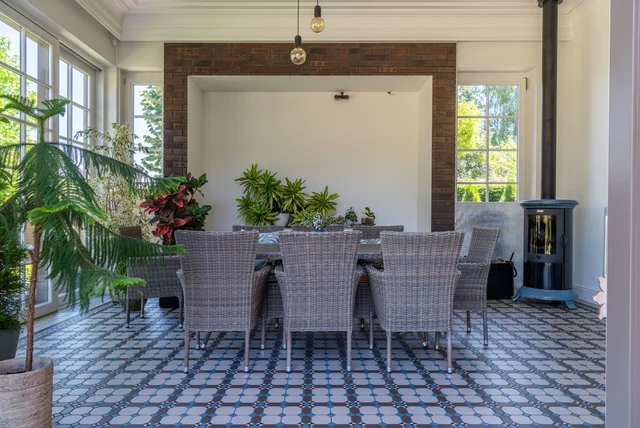

The floor of a conservatory has a harder job than any other floor in the house. It takes direct sunlight for hours a day, muddy boots straight from the garden, a temperature range no other room sees, and in winter it is the surface that makes the room feel cold before anything else does.
Choose it for those conditions rather than for how it looks in a showroom and the room becomes usable. Choose it for looks alone and you will be replacing it in five years.
Start With How the Room Will Be Used
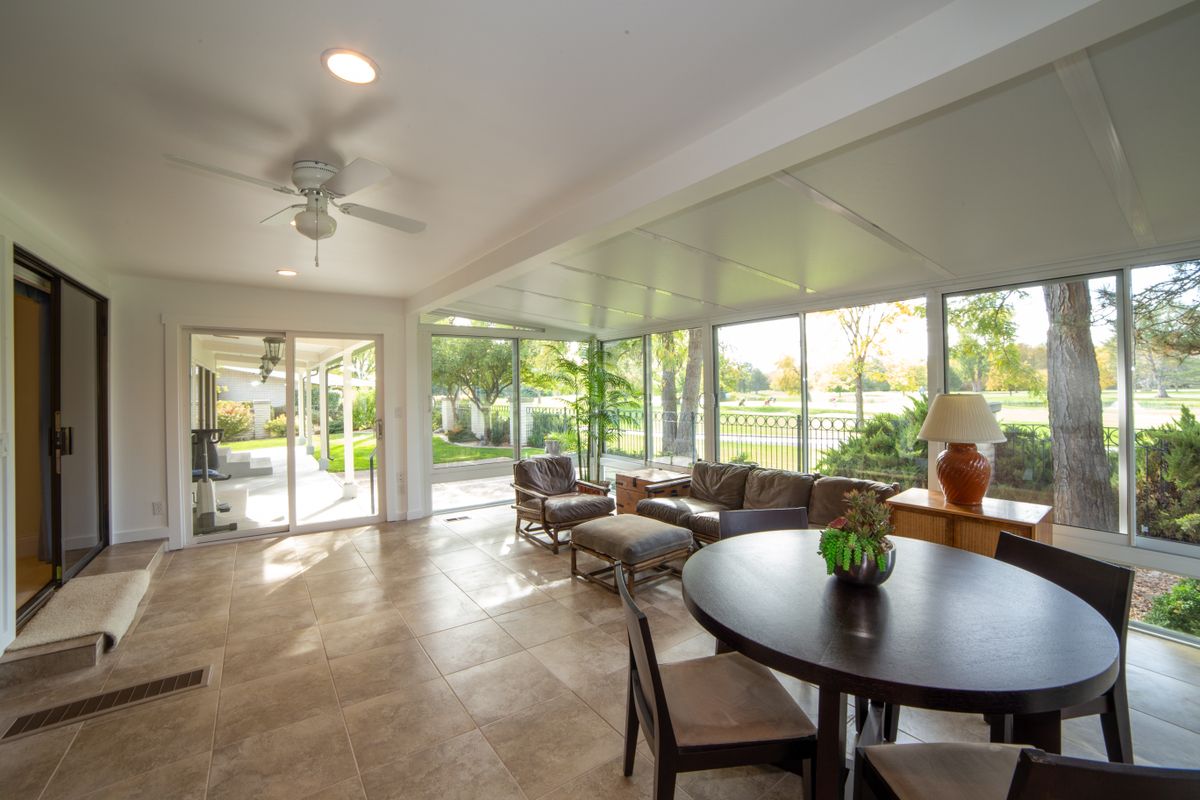
Flooring is the most disruptive thing to change later, so it is worth matching it to the actual use rather than the hoped-for one.
A conservatory that opens onto the garden and gets used as a back door needs something that shrugs off grit and water. A conservatory used as a sitting room in winter needs something that is not painful underfoot in socks. Those two requirements pull in opposite directions, which is why underfloor heating under a hard floor is such a common answer.
The full room guide is our conservatory ideas for UK homes.
Tile and Stone
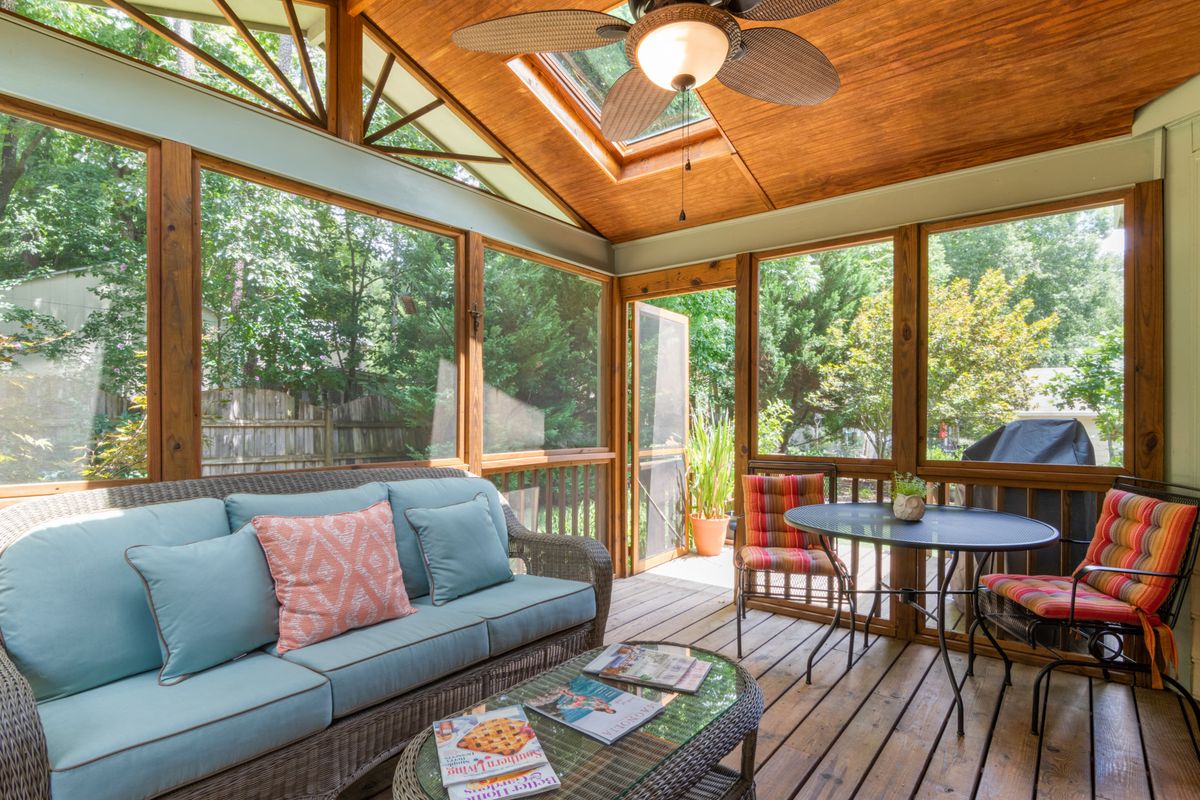
Porcelain tile is the default conservatory floor in the UK and deserves to be. It is unaffected by sunlight, waterproof, effectively impossible to scratch with garden grit, and it is the best possible partner for underfloor heating because it conducts heat well and holds it.
Natural stone gives the same durability with more character and needs sealing, which is an ongoing job rather than a one-off. Both are cold without heating beneath them, and both are unforgiving if you drop a glass.
If you are tiling, choose a rectified porcelain with a slip rating suitable for a floor that will get wet. A high-gloss tile in a glass room throws glare and becomes genuinely slippery with rain tracked in from the garden.
Luxury Vinyl Tile
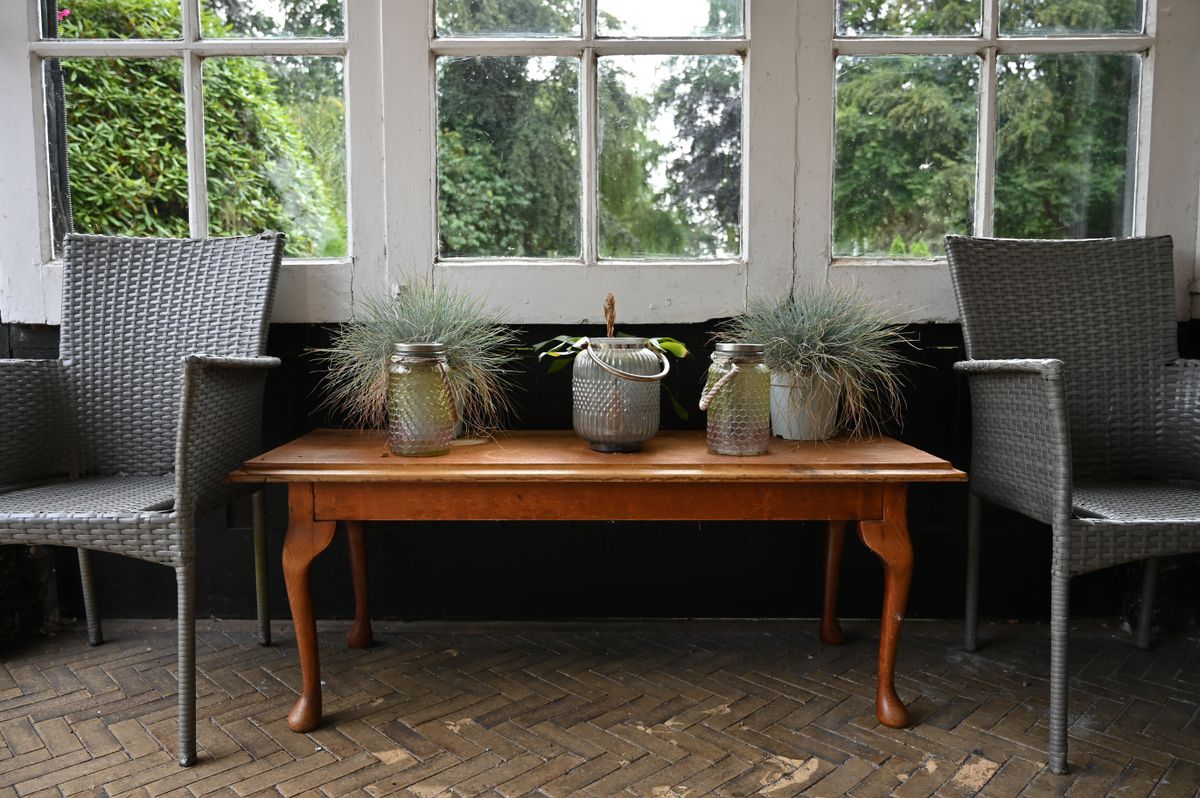
LVT has become the most popular conservatory floor for good reasons. It is warmer underfoot than tile, quieter, cheaper, waterproof, and dimensionally stable across the temperature swings that ruin other floors.
The catch is sunlight. Some vinyls soften or discolour where the sun tracks across the same strip every afternoon, and the join lines can lift if the adhesive is not rated for the temperature. Check the manufacturer’s guidance for conservatories specifically, not just for general domestic use.
Choose a click-fit or fully bonded system according to what the maker specifies. Loose-lay in a room that heats to thirty degrees is asking for movement at the edges.
Engineered Wood and Why Not Solid
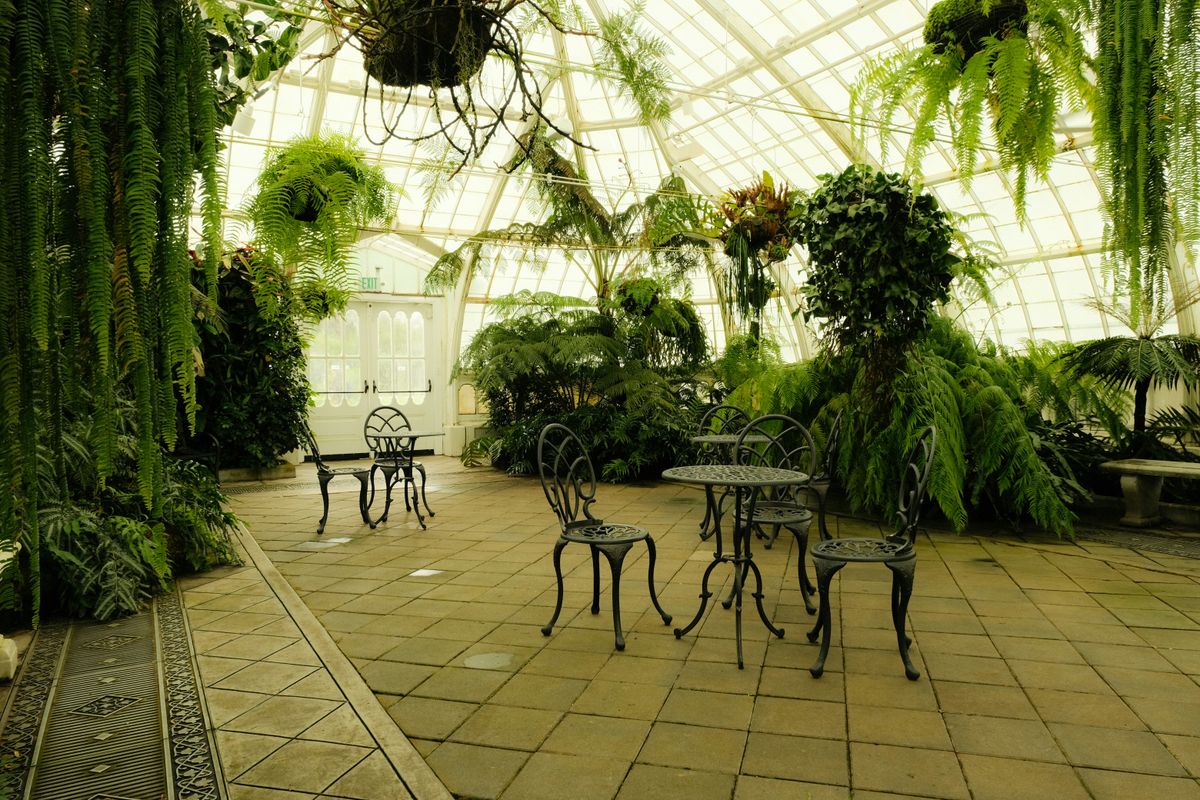
Solid timber is the wrong floor for a conservatory. It moves with humidity, and a conservatory swings from damp in January to bone dry in August. Boards gap in summer and cup in winter, and no amount of acclimatisation prevents it.
Engineered board is built in layers running in alternating directions, which is exactly the construction that resists that movement. It gives the look and the warmth of timber with a fraction of the seasonal drama.
Even so, keep it out of the wettest doorway if the conservatory is the route in from the garden, and expect some fading where the sun falls consistently. A rug moved occasionally prevents a permanent pale patch.
Carpet, and Why It Rarely Works
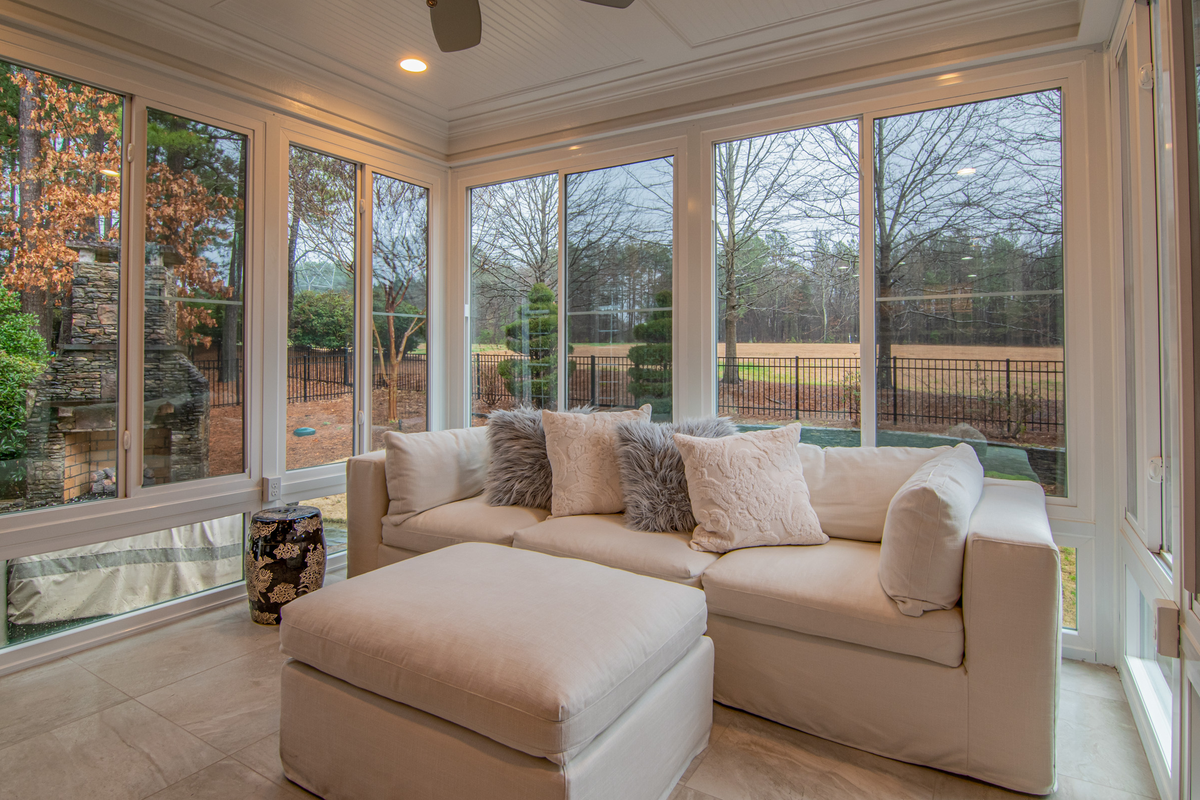
Carpet is warm, quiet and completely at odds with everything else a conservatory does.
It holds damp from garden traffic, it fades faster than any other floor covering in direct sun, and in an unheated conservatory it can develop a musty smell over winter that is very hard to remove. If someone wants softness, a washable rug over a hard floor gives it without the problems.
The exception is a conservatory that has been fully converted with a solid roof, proper insulation and heating, at which point it is behaving like a normal room and can be floored like one.
Underfloor Heating Changes the Calculation
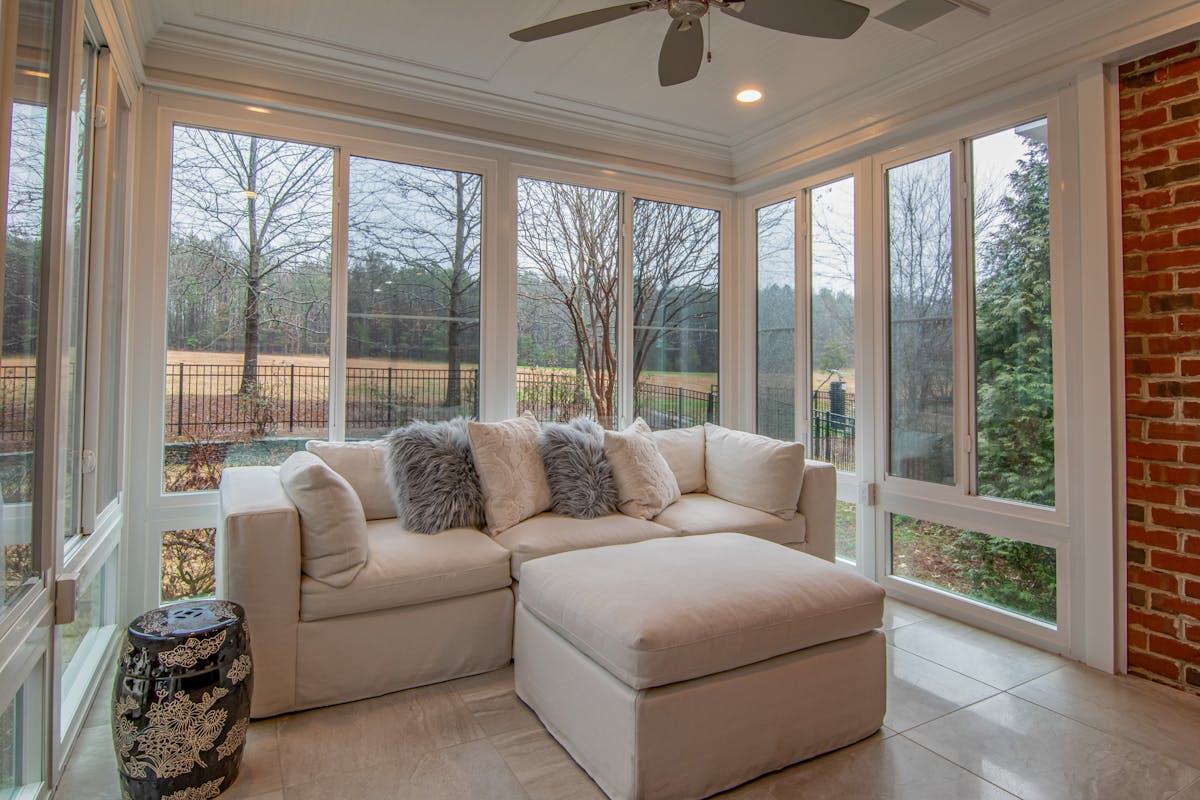
This is the single decision that most affects how a conservatory feels in winter, and it is far cheaper to do while the floor is up.
Electric underfloor mat systems are the usual retrofit because they are thin and do not raise the floor level much. They pair best with tile and stone, which conduct heat well, and work under LVT and engineered wood provided the product is rated for it and the temperature limit is respected.
Because many conservatories are built under an exemption that requires independent heating controls, an electric floor with its own thermostat is often the neatest solution rather than a compromise.
Sunlight, Fading and the Line You Will Notice
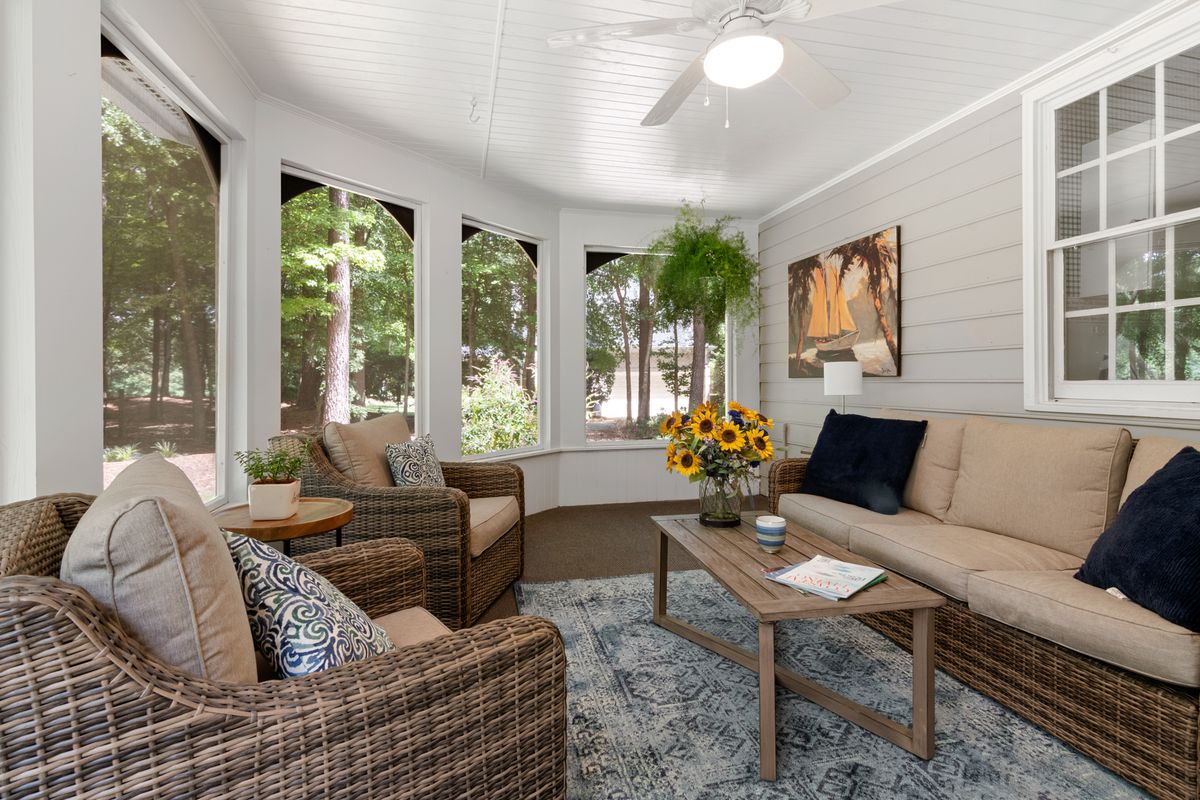
Every conservatory floor fades where the sun falls, and the problem is not the fading itself but the line between faded and unfaded.
The practical defences are simple. Choose a product rated for direct sunlight and, where possible, a mid-tone or textured finish rather than a flat dark one, because contrast is what makes a fade line visible. Move rugs and furniture occasionally so the shading changes. Fit roof blinds, which reduce the hours of direct sun the floor sees at all.
If you are laying a floor that continues from an adjoining room, keep a couple of spare boxes. Matching a five-year-old faded floor from stock is not possible.
Damp, Thresholds and the Garden Door
Conservatories usually have a door straight onto the garden, which makes the threshold the hardest-working half metre of floor in the house.
- Use a proper threshold strip rated for the floor type rather than a generic trim, so water cannot run under the covering.
- Put a doormat inside and out. Grit is what wears a floor, and most of it is stopped by a mat.
- Check the damp-proof detail at the base of the conservatory before laying anything moisture-sensitive. Older builds sometimes have none.
- Where the floor meets the house, decide whether you want a continuous run, which makes both rooms feel bigger, or a deliberate change, which reads as two rooms.
Cost, and Where It Actually Goes
As with most flooring, the covering is often the smaller half of the bill.
Preparation is where conservatory floors get expensive. Old conservatories were frequently laid on a slab that is not level, not insulated and occasionally not properly damp-proofed. Levelling compound, insulation boards and a new damp-proof membrane can cost as much as the tiles.
Get three quotes and check each one states the same preparation, not just the same floor covering. A quote that assumes the existing base is sound is not comparable with one that includes levelling it.
Looking After It
- Sweep or vacuum grit before mopping. Grit is abrasive and mopping grinds it into the surface.
- Use cleaners suited to the material. Acidic cleaners damage natural stone; aggressive detergents dull vinyl.
- Reseal natural stone on the manufacturer’s schedule, not when it looks tired.
- Wipe standing water under plant pots. It marks grout, stains timber and lifts vinyl edges.
- Put felt pads under furniture legs, particularly metal ones, which mark hard floors badly when dragged.
Final Thoughts
Porcelain tile with electric underfloor heating is the most reliable conservatory floor in a British house. LVT is the best value if you want warmth underfoot without heating, and engineered timber is the right compromise if you want the look of wood.
Whatever you choose, check it is rated for direct sunlight and spend the money on the preparation. That is the part you cannot redo later.
Frequently Asked Questions
What is the best flooring for a conservatory?
Porcelain tile with underfloor heating is the most durable and the best partner for heat. LVT is warmer underfoot and cheaper, and engineered wood suits a timber look.
Can I put solid wood flooring in a conservatory?
It is not advisable. Solid boards gap in summer and cup in winter with the humidity swings. Engineered board resists that movement far better.
Will conservatory flooring fade in the sun?
Most will to some degree. Choose a product rated for direct sunlight, prefer mid-tone or textured finishes, and move rugs occasionally to avoid a hard fade line.
Is carpet suitable for a conservatory?
Rarely. It holds garden damp, fades fast and can smell musty over an unheated winter. A washable rug over a hard floor gives the warmth without the problems.
Can I put underfloor heating in a conservatory?
Yes, and electric mat systems are the usual retrofit. They also suit the independent heating controls many conservatories need under their exemption.
Should conservatory flooring match the next room?
Running the same floor through makes both rooms feel larger. A deliberate change reads as two separate rooms, which suits a conservatory used for a different purpose.
Disclaimer
This article is for general information only. Product specifications and building regulations vary by property and change over time. Check current guidance and manufacturer instructions before making changes.