
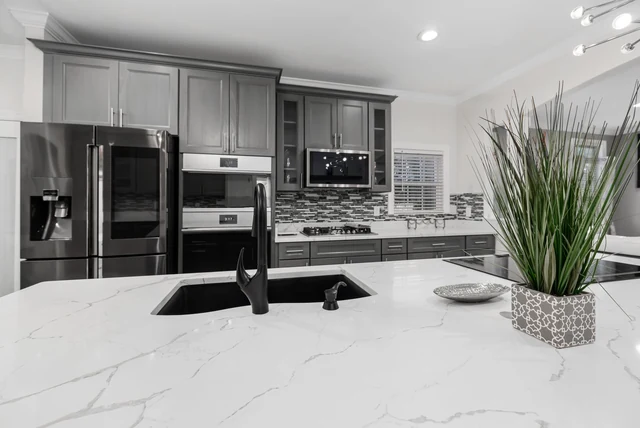

Every kitchen showroom in Britain will tell you both are excellent, which is true and completely useless when you have to pick one. The quartz vs granite worktops UK debate is not really about which material is better. It is about which set of compromises you are happier living with, because each one is genuinely better than the other at some things and genuinely worse at others. Once you know which of those things matter in your kitchen, the decision usually makes itself.
| What quartz is | Engineered: ground quartz bound with resin and pigment |
|---|---|
| What granite is | Natural stone, quarried and cut into slabs |
| Sealing | Quartz needs none; granite is porous and needs periodic sealing |
| Heat | Granite handles heat better; quartz resin can scorch |
| Stains | Quartz wins, because it is non-porous |
| Pattern | Quartz is consistent; granite varies slab to slab |
| Sunlight | Strong direct sun can fade quartz over time; granite is unaffected |
One Is Grown, One Is Made
One Is Grown, One Is Made
Image source: pexels.com
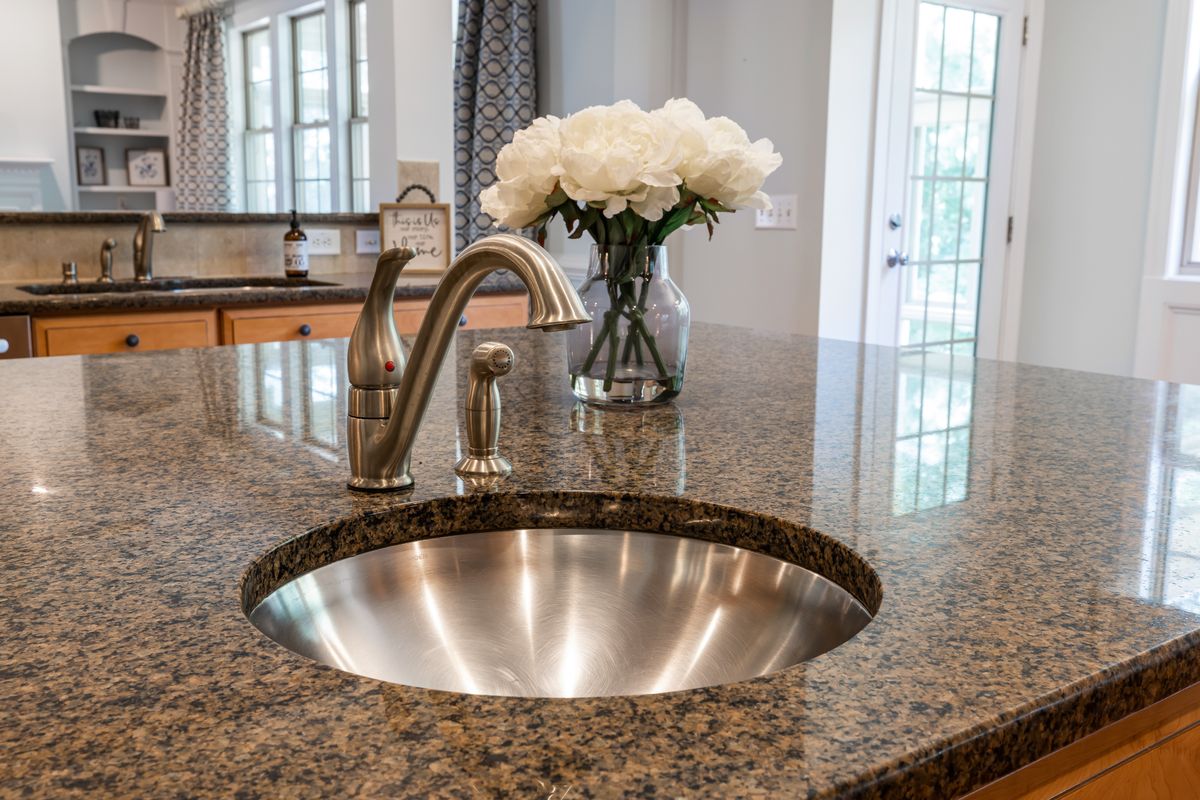
This single difference explains almost everything else. Granite is a natural stone cut out of the ground, so every slab carries its own pattern, its own colouring and its own small imperfections. Quartz is manufactured, made from ground natural quartz bound together with resin and pigment, which means the colour and pattern are decided in a factory rather than by geology. Neither is a cheap imitation of the other; they are different products that happen to end up in the same place. But the resin in quartz and the porosity of granite are the root of every practical difference below, so it is worth holding on to.
Granite Means You Never See the Same Worktop Twice
Granite Means You Never See the Same Worktop Twice
Image source: pexels.com
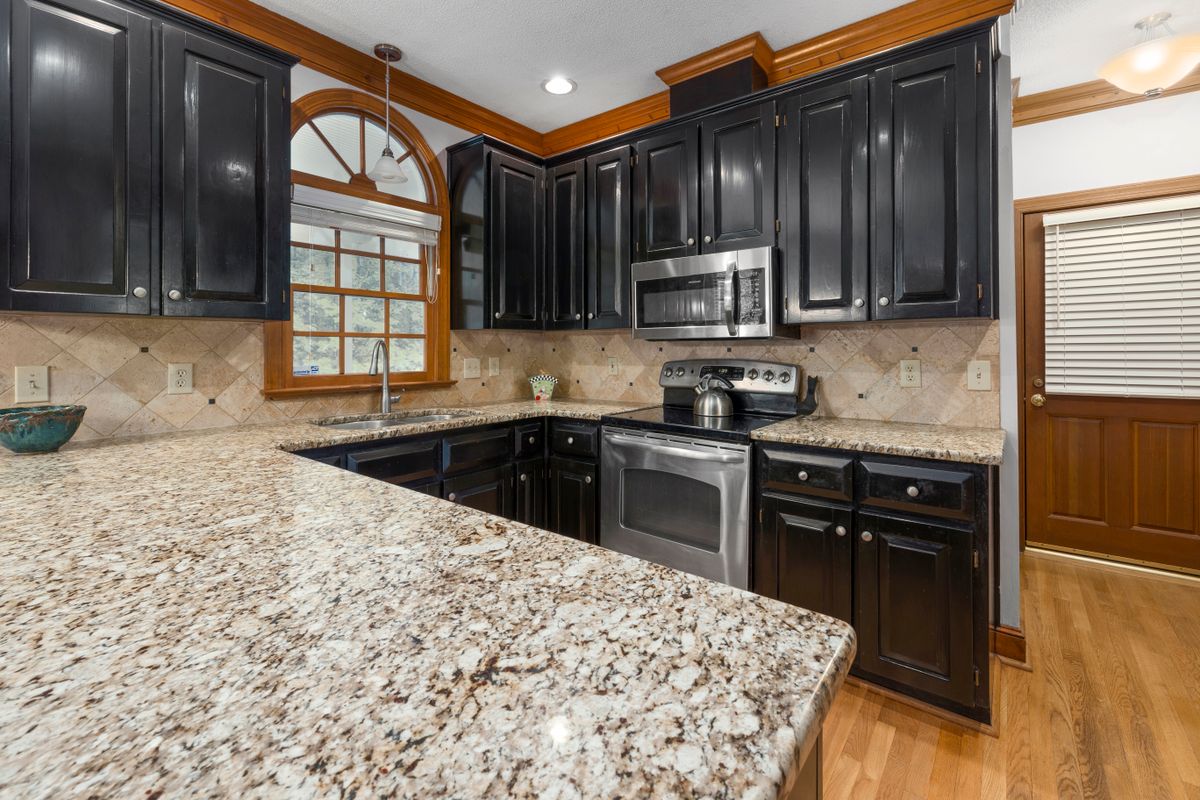
If you like the idea that nobody else has your kitchen, granite is the answer. Every slab is different, and the movement, veining and flecking are genuinely one-off. The catch is the flip side of the same coin: you should choose granite from the actual slab, not from a small sample, because a 100mm square tells you very little about how a stone behaves across three metres of worktop. Dramatic veining that looks striking in a sample can be overwhelming across a whole kitchen, and a busy granite fights a busy floor or splashback. Ask the fabricator to let you see and reserve the specific slab.
Quartz Means You Get Exactly What You Chose
Quartz Means You Get Exactly What You Chose
Image source: pexels.com
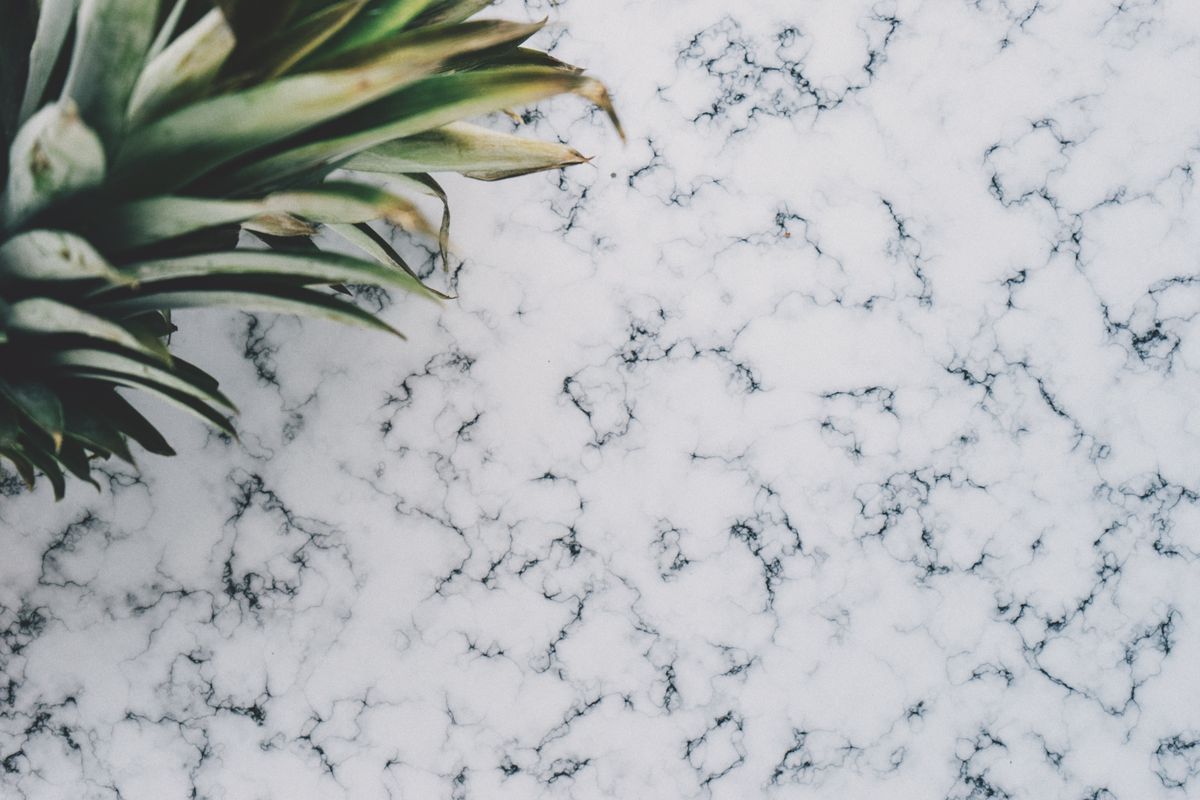
Consistency is quartz’s real selling point and it matters more than people expect. If you are running worktops around three walls and an island, matching runs and joins look far cleaner in a manufactured material. It is also why quartz dominates the white-with-grey-veining look that so many British kitchens want: achieving that in natural stone means marble, which is soft and stains, or a very expensive granite. With quartz you pick a sample and the finished kitchen looks like the sample. For anyone who finds choosing stressful, that predictability is worth a great deal on its own.
Sealing: The Ongoing Job Only One of Them Has
Sealing: The Ongoing Job Only One of Them Has
Image source: pexels.com
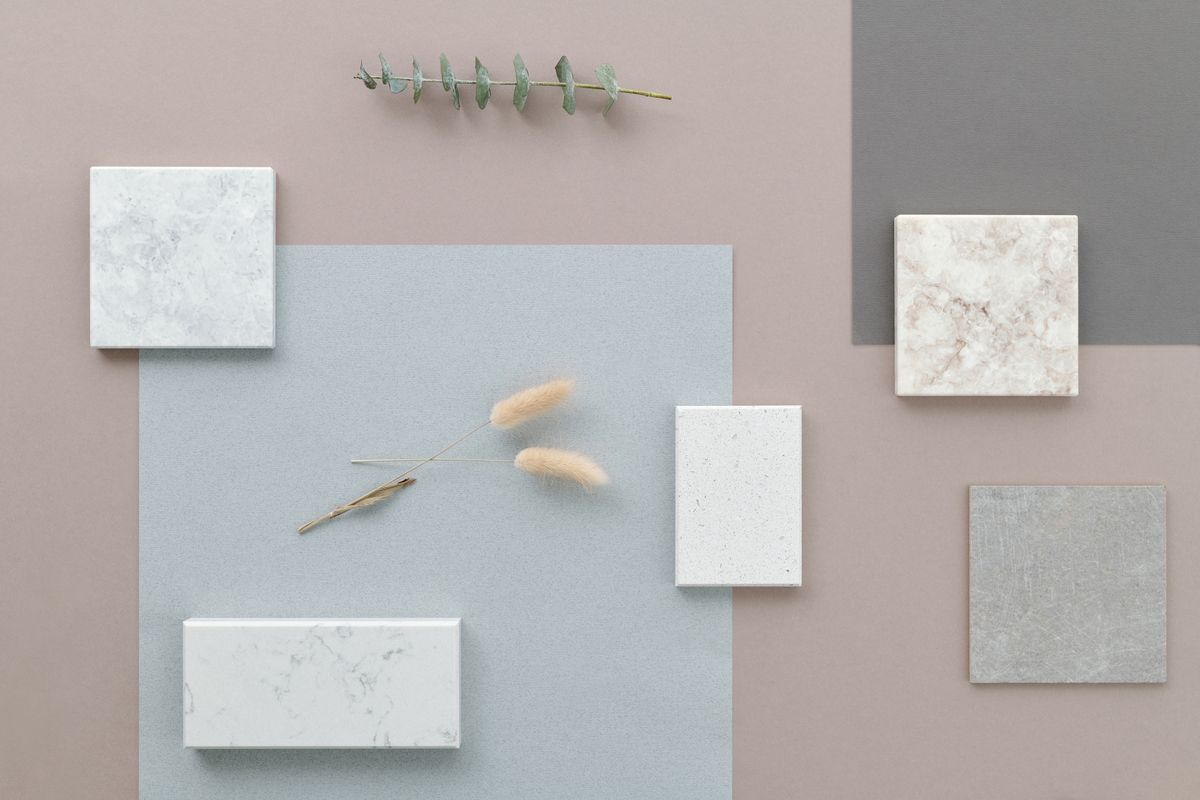
Granite is porous. Not dramatically so, but enough that it needs sealing, and then resealing periodically for as long as you own it. How often depends on the stone and how hard the kitchen works, and a well-sealed granite is perfectly practical, but it is a maintenance task that exists. Quartz is non-porous and needs no sealing at all, ever. If you know yourself well enough to know that you will never reseal anything, that is not a small point. It is the single most common reason people who have owned both end up choosing quartz the second time.
Stains and Spills in a Real Kitchen
Stains and Spills in a Real Kitchen
Image source: pexels.com
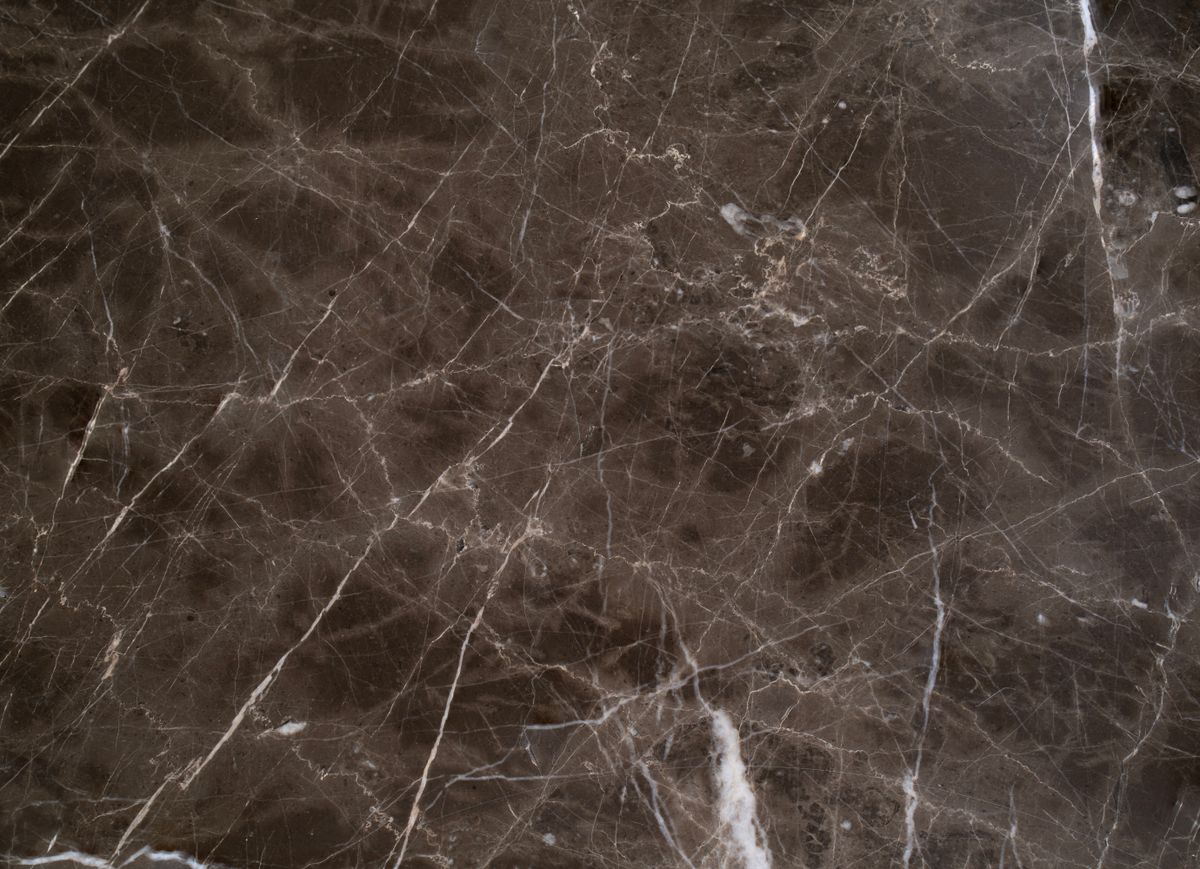
Non-porous beats porous here, and quartz is the more forgiving surface for red wine, turmeric, coffee, oil and everything else a family kitchen actually spills. An unsealed or under-sealed granite can take a mark from something acidic left sitting overnight. A properly sealed one is fine, which brings you back to the sealing question. Neither material should be treated as indestructible: wipe spills reasonably promptly on both, avoid harsh or abrasive cleaners, and use a board rather than cutting on the surface. Both will look better in ten years for the small amount of care.
Heat Is Where Granite Wins Outright
Heat Is Where Granite Wins Outright
Image source: pexels.com
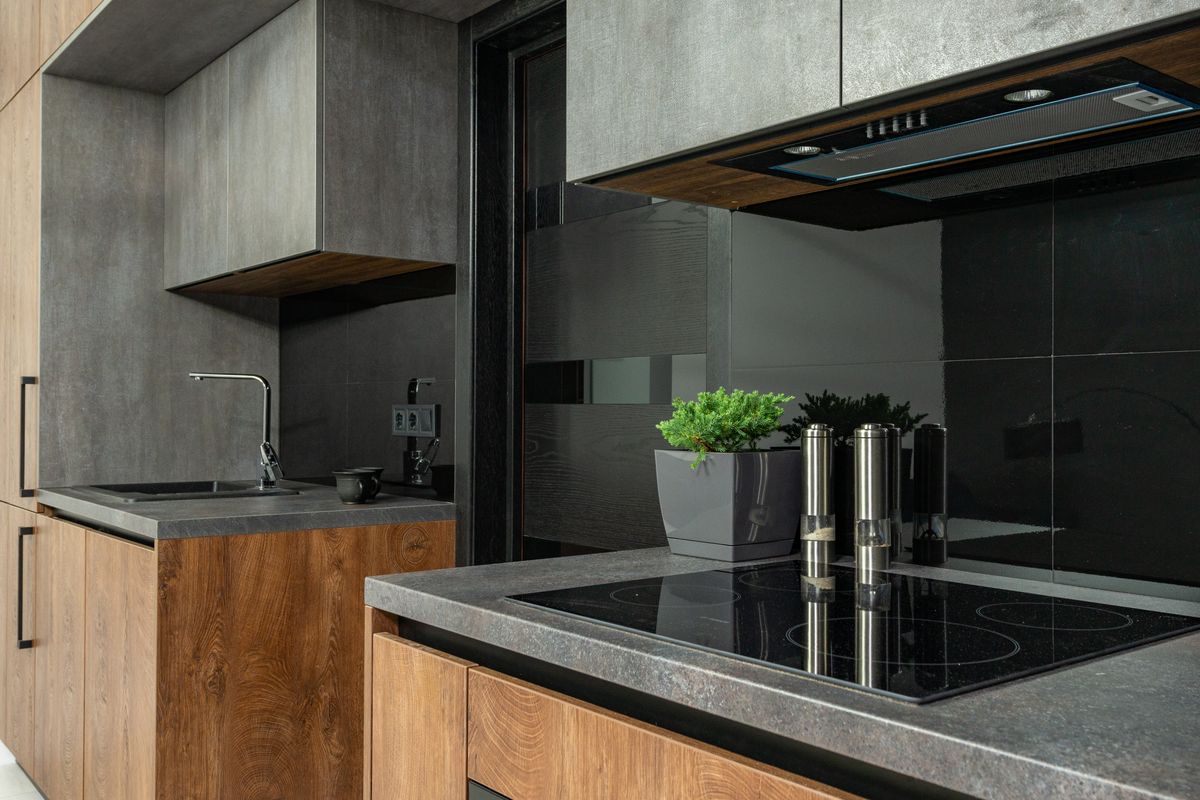
This is the clearest advantage either material has. Granite is stone and copes with heat well. Quartz contains resin, and resin can scorch, discolour or in bad cases crack when something very hot sits directly on it. Manufacturers are explicit that hot pans should go on a trivet, not straight onto quartz. In practice most people manage this without thinking, but if your household is the sort where a roasting tin comes out of the oven and lands wherever there is space, granite is the more forgiving choice next to the hob. A tiled splashback behind the hob helps either way.
The Sunlight Problem Nobody Mentions
Strong, sustained direct sunlight can fade or discolour quartz over time, because the pigments and resin are not natural stone. Granite is unaffected. In most British kitchens this is a non-issue, but it becomes a real consideration in a south-facing kitchen with large glazing, a garden room extension, a conservatory, or an island sitting under a big rooflight. If that describes your kitchen, ask the supplier directly about UV performance for the specific product, and treat granite as the safer default. It is the one common British scenario where the usual quartz recommendation quietly stops applying.
Edges, Chips and Repairs
Both materials are hard and both can chip, most often on an exposed edge or around a cut-out for a sink or hob. Granite chips tend to be repairable by a specialist and the natural pattern helps disguise the repair. Quartz repairs can be harder to hide precisely because the pattern is uniform, so a filled chip has nothing to blend into. Neither is a reason to choose one over the other, but it is an argument for a softer edge profile rather than a sharp square one in a busy family kitchen, and for taking care during installation, which is when most damage actually happens.
Which Suits Which Kitchen
A rough rule that holds up well: quartz suits kitchens that want a specific, controlled look and low maintenance, particularly pale schemes and long uninterrupted runs. Granite suits kitchens where the worktop is meant to be a feature in its own right, where there is real heat traffic, or where strong sunlight is a factor. If you want warmth rather than stone, our guide to solid wood worktop care covers the third option and what it asks of you. Quartz sits especially well with the current pale and warm-neutral cabinet colours, while granite has an easier time with darker schemes such as anthracite kitchen ideas, where a natural stone gives depth the flat colours cannot.
Finishes and Thickness
Both come in polished and honed finishes, and the choice changes the room more than people expect. Polished reflects light and makes a smaller kitchen brighter, but it shows fingerprints and smears, especially in dark colours. Honed and matt finishes look softer and more contemporary and hide marks better, though they can show oil more readily. On thickness, a slimmer profile reads modern and a chunkier one reads traditional or more substantial; the material itself is usually not the limiting factor. Look at samples in your own kitchen light rather than under showroom spotlights, which flatter everything.
How to Actually Decide
Answer four questions honestly. Will you reseal a worktop every so often, or will you not? Does your kitchen get strong direct sun? Do hot pans get put down carelessly? Do you want a pattern you chose exactly, or one nature chose? If sealing sounds like something you will forget and the kitchen is not a sun trap, quartz. If the kitchen is sunny, hot pans are a way of life, or you want a worktop that is genuinely unique, granite. Then plan the rest of the kitchen around it, including kitchen storage, because a beautiful worktop covered in clutter is wasted either way.
Final Thoughts
There is no winner here, only a better fit. Quartz gives you consistency, no sealing and excellent stain resistance, at the cost of heat sensitivity and a caution about strong sunlight. Granite gives you a genuinely unique surface and better heat tolerance, at the cost of periodic sealing and slab-to-slab variation you have to choose in person. Decide which of those trade-offs you would rather live with, and view samples in your own kitchen before committing.
Frequently Asked Questions
Is quartz or granite better for a UK kitchen?
Neither is better overall. Quartz suits low-maintenance, consistent schemes; granite suits sunny kitchens, heavy heat use and one-off natural patterns.
Does quartz need sealing?
No. Quartz is non-porous and never needs sealing. Granite is porous and needs sealing, then resealing periodically for as long as you own it.
Can you put a hot pan on a quartz worktop?
You should not. The resin in quartz can scorch or discolour. Granite copes with heat better, but a trivet is sensible on both.
Does quartz fade in sunlight?
Strong, sustained direct sunlight can fade quartz over time. In a very sunny kitchen or under a large rooflight, granite is the safer choice.
Which is easier to keep clean?
Quartz, because it is non-porous and resists staining without sealing. Both dislike abrasive cleaners and should not be used as a chopping board.
Should I choose granite from a sample?
No. Granite varies slab to slab, so choose and reserve the actual slab. A small sample cannot show how the pattern reads across a whole worktop.
Disclaimer
This article is for general information only. Product specifications, warranties and care instructions vary between manufacturers, so always follow the guidance supplied with your specific worktop and confirm details with your fabricator before ordering.