
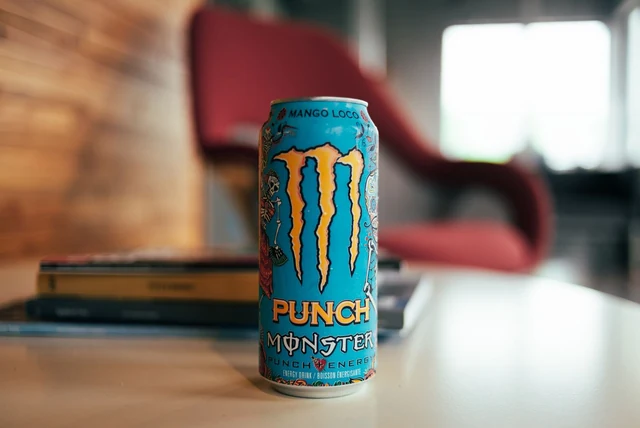

Most people who ask how much caffeine is in a Monster are not really asking for a number. They are asking whether one can is a lot, whether two is too many, and whether they should be worried. The Monster energy caffeine content question has a short answer and a longer one, and the longer one is the useful part, because a figure on its own tells you almost nothing until you put it next to the official guidance and the rules that are about to change in England.
| UK can size | 500ml, the standard across most of the range |
|---|---|
| Caffeine per can | 160mg |
| Caffeine per 100ml | 32mg, which is 320mg per litre |
| High-caffeine threshold | 150mg per litre, above which a warning label is required |
| EFSA daily guidance | Up to 400mg a day is not a safety concern for most adults |
| EFSA single dose | Up to 200mg at once is not a safety concern for most adults |
| England under-16 ban | Intended April 2027, subject to Parliamentary approval |
The Short Answer: 160mg a Can
The Short Answer: 160mg a Can
Image source: pexels.com
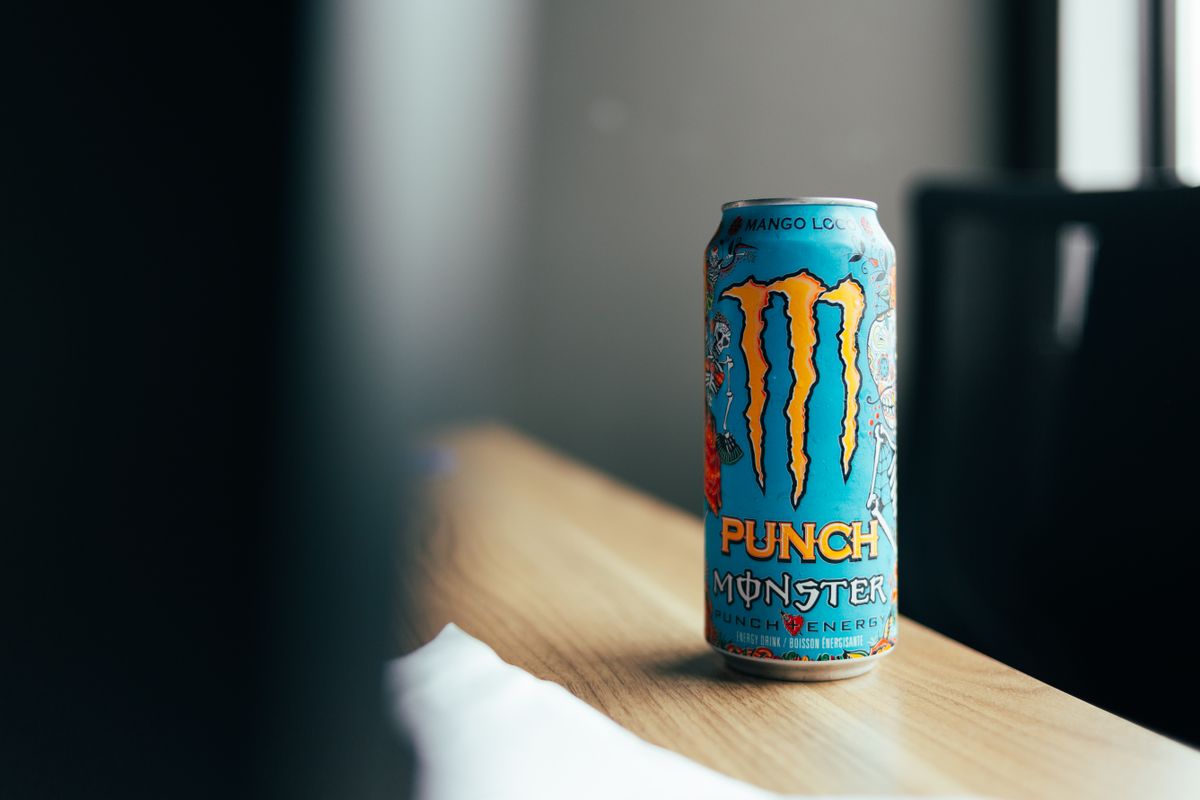
A standard 500ml can of Monster Energy sold in the UK contains 160mg of caffeine. That works out at 32mg per 100ml, or 320mg per litre. The same 160mg figure applies to the 16 fl oz cans sold in the United States, which is a useful thing to know if you have seen an American figure quoted online and wondered whether it applied here. The can size differs between markets to fit local food legislation, but the caffeine per can has been held at the same level. If you only remember one number from this article, 160mg is the one.
Why the Per-Litre Figure Matters More
Why the Per-Litre Figure Matters More
Image source: pexels.com
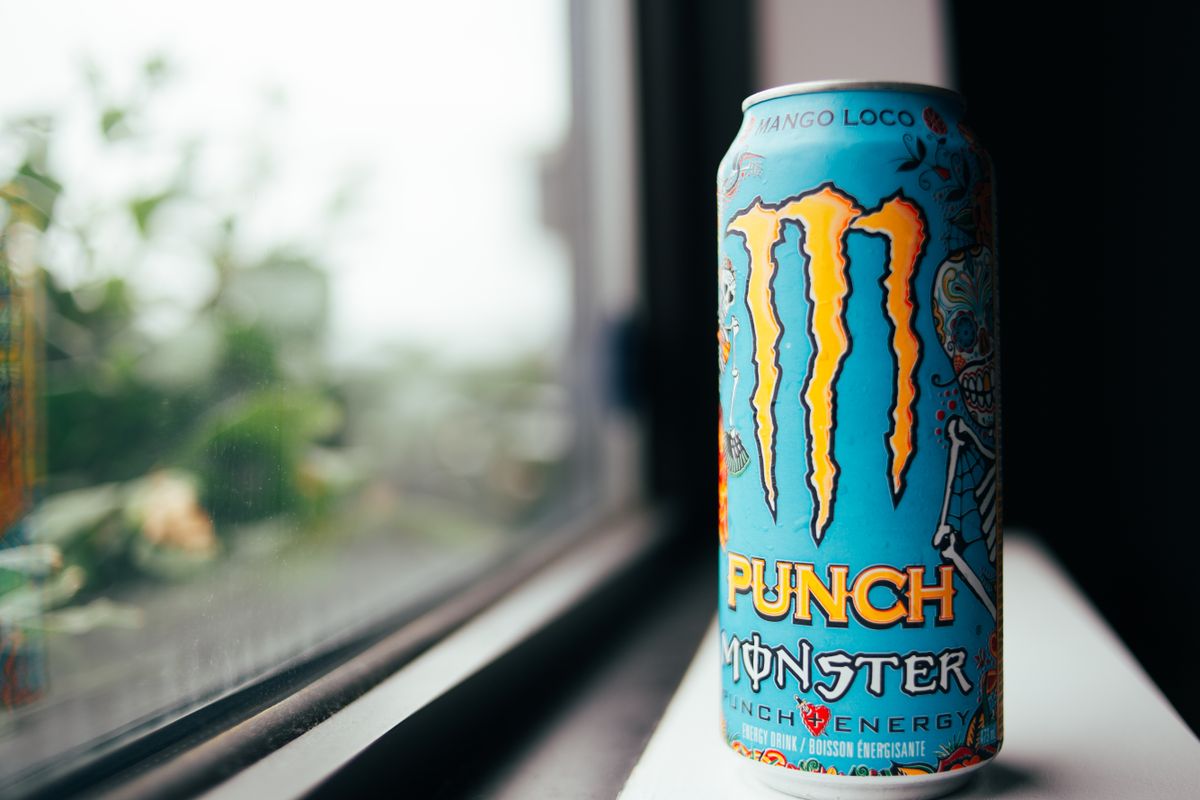
The 320mg per litre number is the one that actually determines how Monster is labelled and, before long, who is allowed to buy it. UK labelling guidance says that any soft drink other than tea or coffee containing more than 150mg of caffeine per litre has to carry a warning stating that it is high in caffeine and not recommended for children. Monster sits at more than double that threshold. That is why the warning is on the can, and it is why energy drinks keep appearing in policy discussions in a way that a cup of coffee does not, despite coffee often containing a comparable amount per serving.
How It Compares With Official Guidance
How It Compares With Official Guidance
Image source: pexels.com
The European Food Safety Authority has assessed caffeine and concluded that intakes up to 400mg a day, and single doses up to 200mg, do not raise safety concerns for most healthy adults. Set against that, one 500ml Monster at 160mg sits below the single-dose figure and represents about 40% of the daily one. Two cans in a day comes to 320mg, which is still under the daily figure but leaves very little room for the coffee, tea and cola most people also drink without counting. Two cans drunk close together exceeds the 200mg single-dose guidance, which is the part people tend not to think about.
Children and Adolescents Are a Different Calculation
Children and Adolescents Are a Different Calculation
Image source: pexels.com
EFSA’s guidance for children and adolescents is not a fixed number but 3mg per kilogram of body weight a day. That changes the picture sharply. For a young person weighing 50kg, the guidance works out at around 150mg for the entire day, which a single 500ml can already exceeds. This is the arithmetic behind the warning label and behind the policy attention, rather than anything specific to the brand. The same calculation applies to every high-caffeine energy drink on the shelf, and it is the reason retailers moved on this voluntarily years before the law caught up. Caffeinated alcoholic drinks such as Dragon Soop attract the same scrutiny for the same reason.
The Under-16 Ban Coming to England
The Under-16 Ban Coming to England
Image source: pexels.com
The UK government confirmed in July 2026 that it will ban the sale of high-caffeine energy drinks to under-16s in England. The ban covers drinks other than tea or coffee containing more than 150mg of caffeine per litre, which includes Monster. It applies across all retail settings, including shops, vending machines and online, with business-to-business sales excluded, and retailers who breach it face fines of up to £2,500. It is intended to come into force in April 2027, subject to Parliamentary approval, and enforcement will sit with local authorities. Government estimates put the number of children in England drinking high-caffeine energy drinks daily at around 100,000.
Does the Caffeine Change Between Flavours?
Does the Caffeine Change Between Flavours?
Image source: pexels.com
This is where it pays to read the can rather than trust a number you found online. Most 500ml Monster variants sold in the UK sit at or very close to the same 160mg, but the range is large, it changes over time, and the figures quoted by different retailers for the same product are not always consistent. Zero Sugar, Ultra and the Juiced flavours all carry their own labelling. The sugar content varies far more dramatically between variants than the caffeine does, which surprises people who assume the zero-sugar versions are lighter across the board. Check the panel on the can you are actually holding.
Caffeine Is Not the Only Thing in the Can
Energy drinks are usually discussed purely in terms of caffeine, but the standard green Monster is also a high-sugar drink, and for most people that is the more significant everyday consideration. The zero-sugar variants remove that part while keeping the caffeine broadly the same. Taurine, B vitamins and various plant extracts also appear on the ingredients list. None of that changes the caffeine arithmetic above, but it does mean that swapping to a zero-sugar version addresses one issue and leaves the other exactly where it was.
How Long It Stays With You
Caffeine does not leave the body quickly, and this is the practical detail that matters most for anyone drinking a can in the afternoon. Caffeine has a half-life of several hours in most adults, meaning a meaningful proportion of the 160mg is still circulating long after the drink itself is finished. EFSA notes that single doses as small as 100mg can increase the time it takes to fall asleep and reduce sleep duration in some people, particularly when taken close to bedtime. A 500ml Monster is well over that. If you drink one after mid-afternoon and sleep badly, the two things are not unrelated.
Reading the Label Properly
UK cans carry the caffeine figure per 100ml rather than per can, which is the single most common source of confusion. Seeing 32mg on the panel makes the drink look modest until you remember the can holds five of those portions. Multiply the per-100ml figure by five for a 500ml can and by 2.5 for a 250ml one. The high caffeine warning will also be printed near the ingredients, along with the statement that it is not recommended for children or pregnant women. Doing that multiplication once is a habit worth acquiring, because it applies to every energy drink on the shelf.
Who Should Be More Careful
Official guidance identifies groups for whom the general adult figures do not apply. EFSA advises that habitual intake up to 200mg a day does not raise concerns for pregnant women, which is half the general adult figure and less than two cans. Children and adolescents fall under the body-weight calculation described above. People who are sensitive to caffeine, who have existing heart conditions, or who take medication that interacts with stimulants should be guided by a healthcare professional rather than by a general article. Caffeine tolerance also varies a great deal between individuals for reasons that have nothing to do with body size.
Putting the Number in Context
160mg in a 500ml can is a genuinely significant amount of caffeine, but it is not an extreme one by the standards of what adults routinely drink. The reason energy drinks attract more attention than coffee is not that the dose is wildly higher; it is that they are cold, sweet, sold in large single-serve cans, easy to drink quickly, and historically available to anyone of any age. Those four things together, rather than the caffeine figure alone, are what the labelling rules and the coming age restriction are responding to. For a look at how the brand’s packaging shapes that perception, our Monster glass bottle guide covers the format side of the story.
Final Thoughts
A 500ml Monster Energy can sold in the UK contains 160mg of caffeine, or 32mg per 100ml. That is below EFSA’s 200mg single-dose guidance for adults and around 40% of its 400mg daily figure, but well above what the body-weight guidance allows for a teenager, which is why the warning label exists and why England intends to restrict sales to under-16s from April 2027. Check the can, do the multiplication, and count the coffee you drank as well.
Frequently Asked Questions
How much caffeine is in a 500ml can of Monster Energy?
160mg, which works out at 32mg per 100ml. This is the standard UK can size and the figure applies across most of the core range.
Is 160mg of caffeine a lot?
For a healthy adult it sits below EFSA’s 200mg single-dose guidance and is about 40% of the 400mg daily figure. For a teenager it is already over the daily guidance.
Why does Monster carry a high caffeine warning?
UK labelling requires a warning on soft drinks with more than 150mg of caffeine per litre. Monster contains 320mg per litre, more than double that threshold.
Are energy drinks being banned for under-16s in the UK?
England confirmed a ban in July 2026 on selling drinks over 150mg of caffeine per litre to under-16s, intended for April 2027 subject to Parliamentary approval.
Does Monster Zero Sugar have less caffeine?
Removing the sugar does not generally reduce the caffeine. Variants differ and figures change, so check the panel on the can you are holding.
How much caffeine is safe in a day?
EFSA says up to 400mg a day and 200mg in one dose is not a safety concern for most healthy adults. Pregnant women are advised up to 200mg a day.
Disclaimer
This article is for general information only and is not medical advice. Caffeine content and product formulations change over time, so always check the label on the can you have bought. If you have a health condition, are pregnant, or are unsure about your caffeine intake, speak to a qualified healthcare professional.