
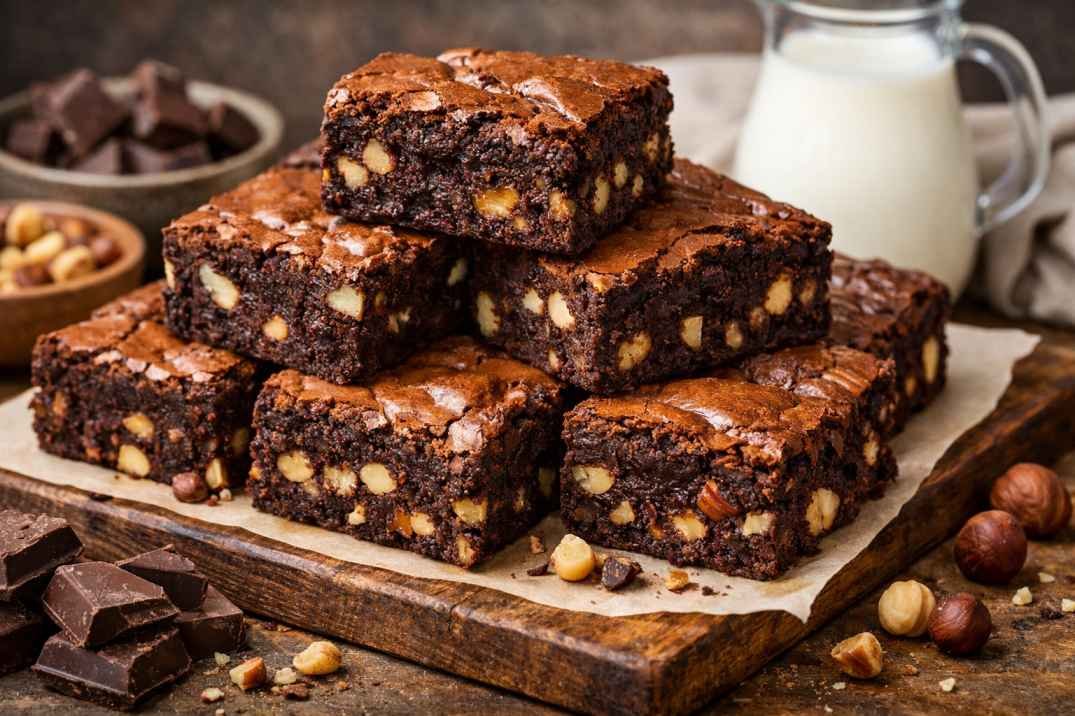

Have you ever walked into your kitchen craving something sweet, only to be greeted by the comforting aroma of chocolate baking in the oven? There’s something truly special about chocolate brownies—they have the power to turn even the dullest afternoon into a moment of warmth and joy. This classic chocolate brownie recipe captures that feeling perfectly, combining rich dark chocolate, creamy butter, and a balanced blend of sugar and flour to create a soft, fudgy texture that melts effortlessly in your mouth. Whether you are baking for family, friends, or simply treating yourself, these brownies deliver consistent comfort. Each step, from melting chocolate gently to folding in eggs with care, feels like part of a simple but rewarding process. Baking at home becomes more than just cooking—it becomes an experience. No matter the occasion, these brownies bring a sense of indulgence and satisfaction with every bite.
Mastering the Art of Perfect Brownies: Key Techniques
Every baker has experienced the frustration of brownies turning out too dry, overly cakey, or unevenly baked. The key to avoiding these issues lies in understanding the finer details of the process rather than relying on complex tools. Baking brownies is like following a rhythm—gentle melting, careful mixing, and controlled baking. Overmixing introduces too much air, which results in a cake-like texture instead of a dense, fudgy crumb. Patience during baking ensures the edges set properly while the centre remains soft. The type of sugar you choose also influences the final texture—golden caster sugar adds subtle caramel notes, while granulated sugar creates a slightly firmer bite.
Choosing the Right Chocolate and Melting It to Perfection
Chocolate plays the most important role in determining the flavour of your brownies. Choosing a high-quality dark chocolate with around 70–75% cocoa solids ensures a deep, rich taste without becoming overly bitter. Chocolate with lower cocoa content may taste too sweet, while very high percentages can overpower the balance. Melting chocolate slowly using a bain-marie helps maintain its smooth texture and prevents it from burning or seizing. According to Nestlé, gentle heat allows chocolate and butter to blend evenly, creating a silky mixture that bakes consistently. Watching chocolate transform into a glossy liquid is one of the most satisfying parts of baking and sets the foundation for perfectly rich brownies.
Butter, Fat Balance and Creating the Perfect Texture
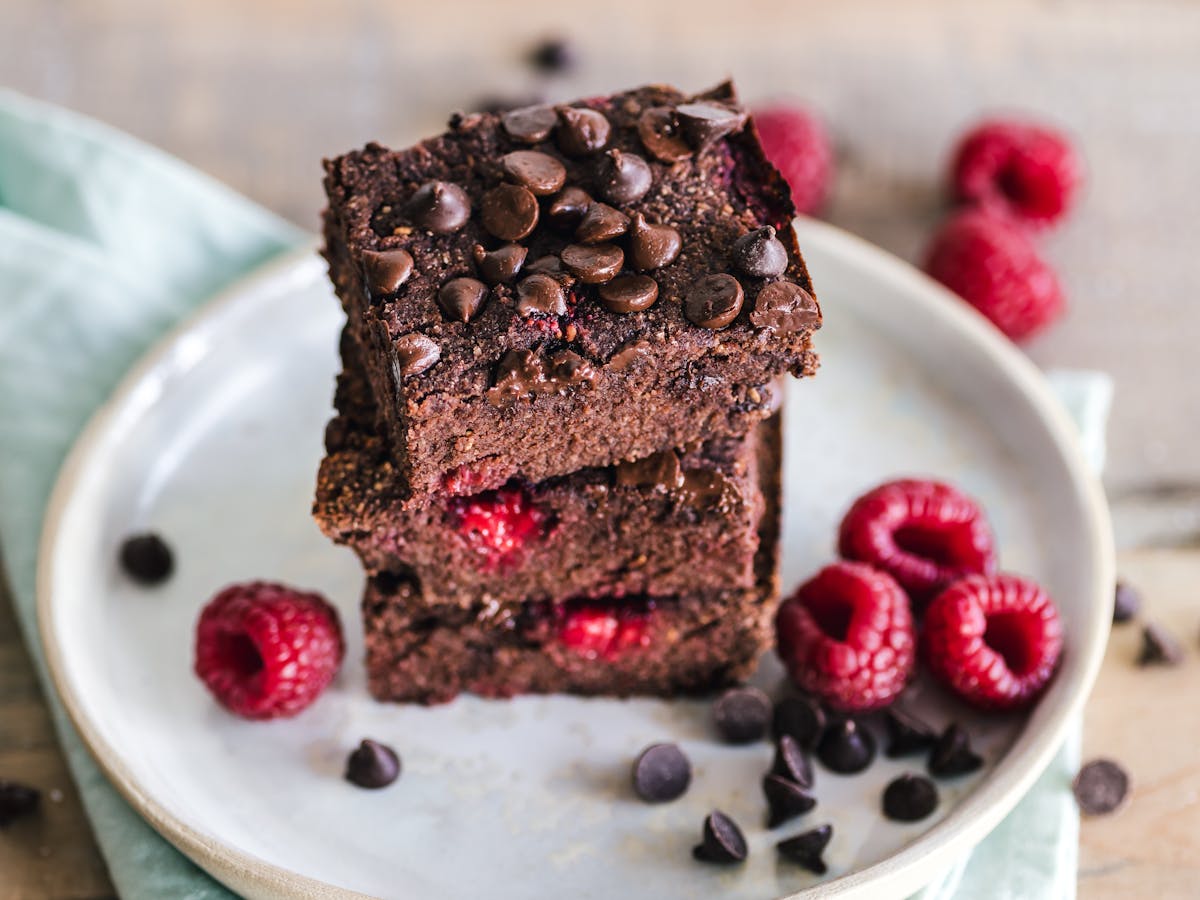
Image source: pinterest.com
Butter is essential not only for flavour but also for texture. When combined with melted chocolate, it creates a rich and glossy base. Unlike oil, butter solidifies as it cools, giving brownies structure with a soft, fudgy centre. Allowing brownies to rest or chill after baking helps the fats settle, improving both texture and slice quality. As highlighted by Food NDTV, small details like resting time can significantly enhance the final result. The outcome is a perfect balance—firm edges with a soft, indulgent centre.
The Role of Sugar in Brownie Texture
Sugar does more than sweeten brownies—it directly influences their texture. Golden caster sugar produces a softer, more fudgy interior with light caramel undertones, while granulated sugar results in a slightly firmer, chewier bite. These small variations allow you to customise your brownies without changing the core recipe. For more dessert inspiration, you can explore blackberry cheesecake or chocolate delice for equally indulgent treats.
Eggs and Controlled Mixing: Avoiding the Cakey Trap
Eggs provide structure, but the way they are mixed makes a huge difference. Adding eggs one at a time and folding gently helps maintain a dense texture. Overmixing can introduce too much air, resulting in a lighter, cake-like brownie. According to Allrecipes, controlled mixing is essential for achieving that classic fudgy consistency. A smooth, glossy batter without bubbles is the goal for perfect brownies.
Flour, Raising Agents, and Structural Restraint
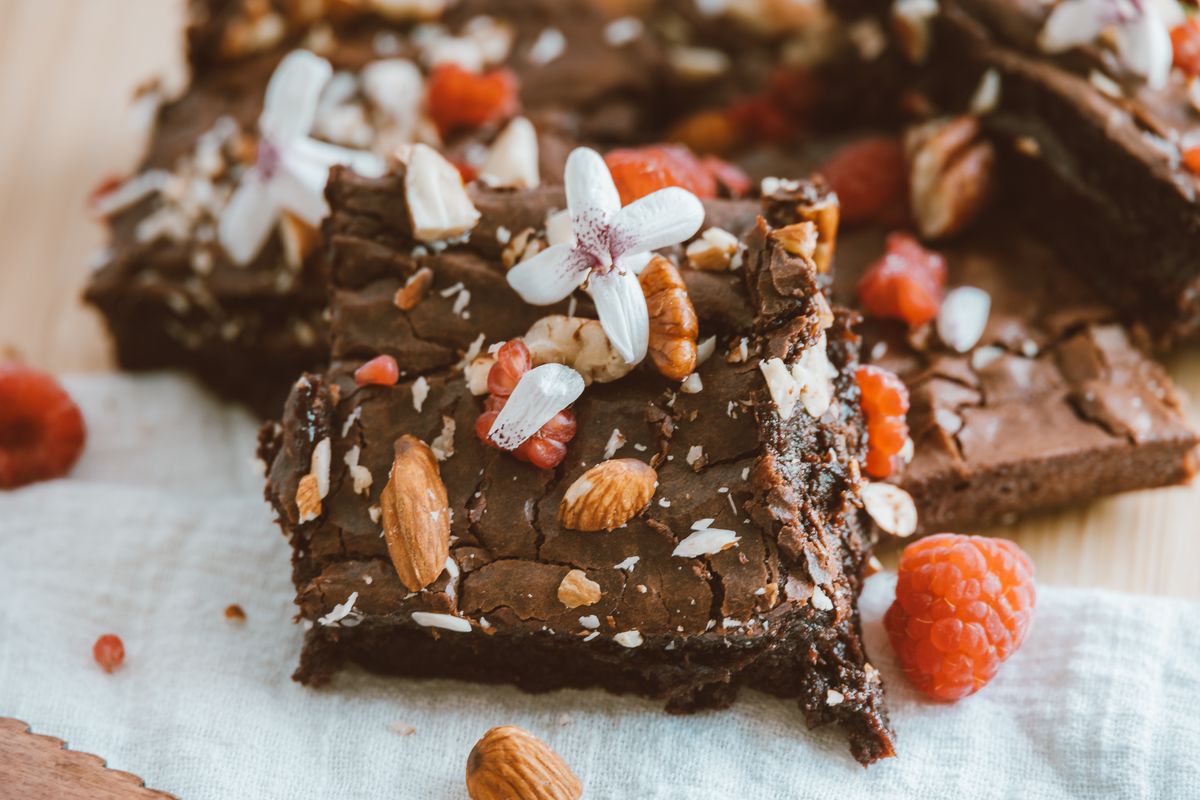
Image source: pinterest.com
Flour should be used carefully in brownie recipes. Its role is to provide structure, not to create a cake-like rise. A small amount ensures the brownie holds together while remaining dense. Too much flour or raising agent can result in a dry or crumbly texture. This careful balance is similar to recipes like jam roly poly, where structure is key to success.
Nuts as a Functional Ingredient
Nuts add both flavour and texture to brownies. Lightly toasted walnuts, pecans, or hazelnuts provide a satisfying crunch that contrasts with the soft interior. Proper toasting enhances their flavour while preventing bitterness. This balance is also important in recipes like lime cheesecake, where texture plays a major role.
Equipment, Tin Size, and Preparation
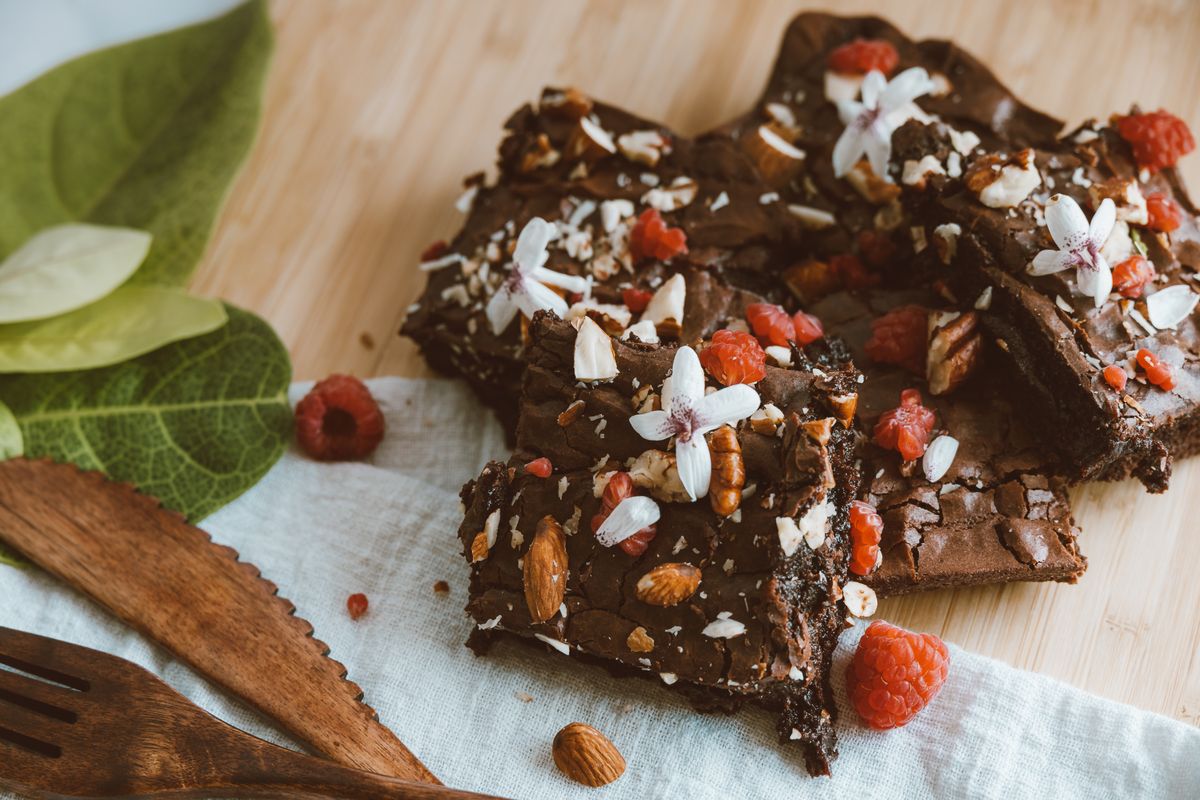
Image source: pinterest.com
Brownies require minimal equipment, which makes them ideal for home baking. A saucepan, bowl, spatula, whisk, and lined tin are all you need. Tin size affects thickness and baking time, so choosing the right one ensures even results. Keeping the process simple also makes baking more enjoyable and approachable.
Method Overview for Fudgy Chocolate Brownies
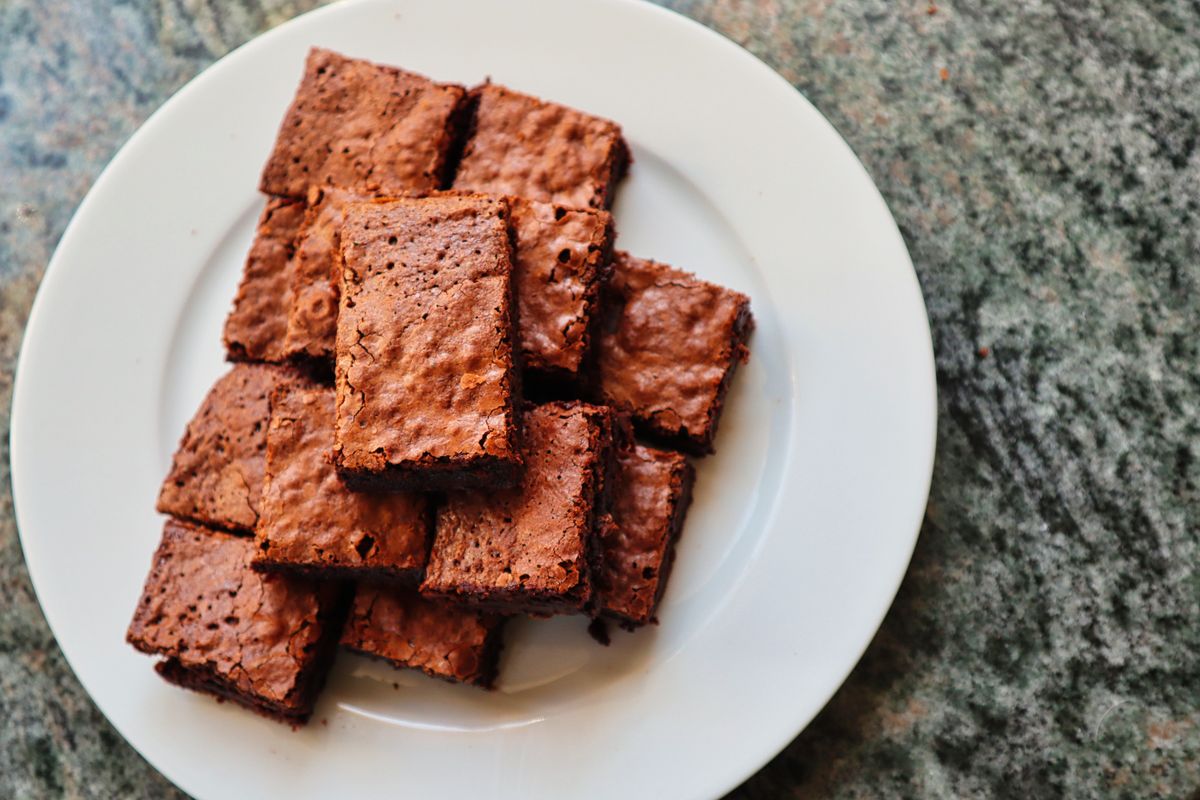
Image source: pinterest.com
Melt chocolate and butter gently, stir in sugar, add eggs carefully, and fold in dry ingredients. Bake until edges are set and the centre remains slightly soft. This method ensures consistent results every time. You can also explore ice cream cone cupcakes for another fun baking idea.
Baking, Cooling, and Texture Adjustments
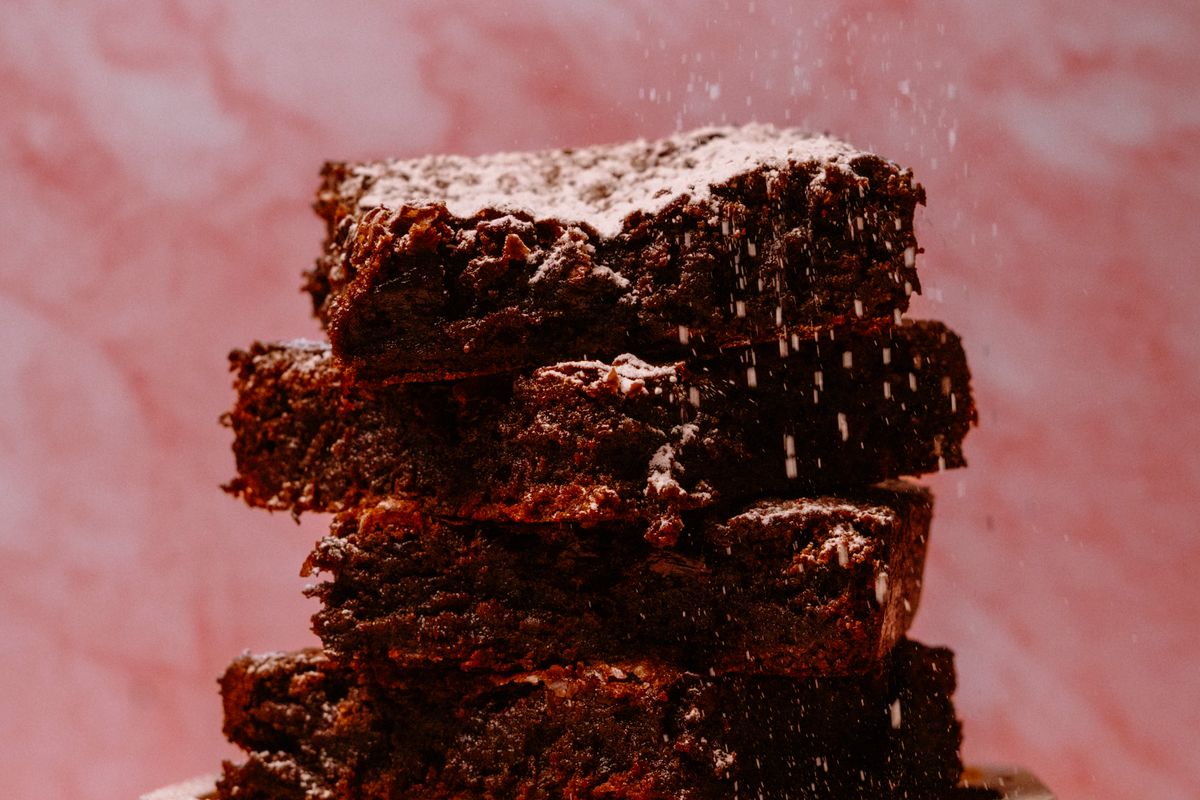
Image source: pinterest.com
Check brownies by touch rather than using a skewer. A slightly soft centre indicates a fudgy texture. Let them cool completely for best results. Adjust baking time depending on your preferred texture.
Serving, Storage, and Pairing Ideas
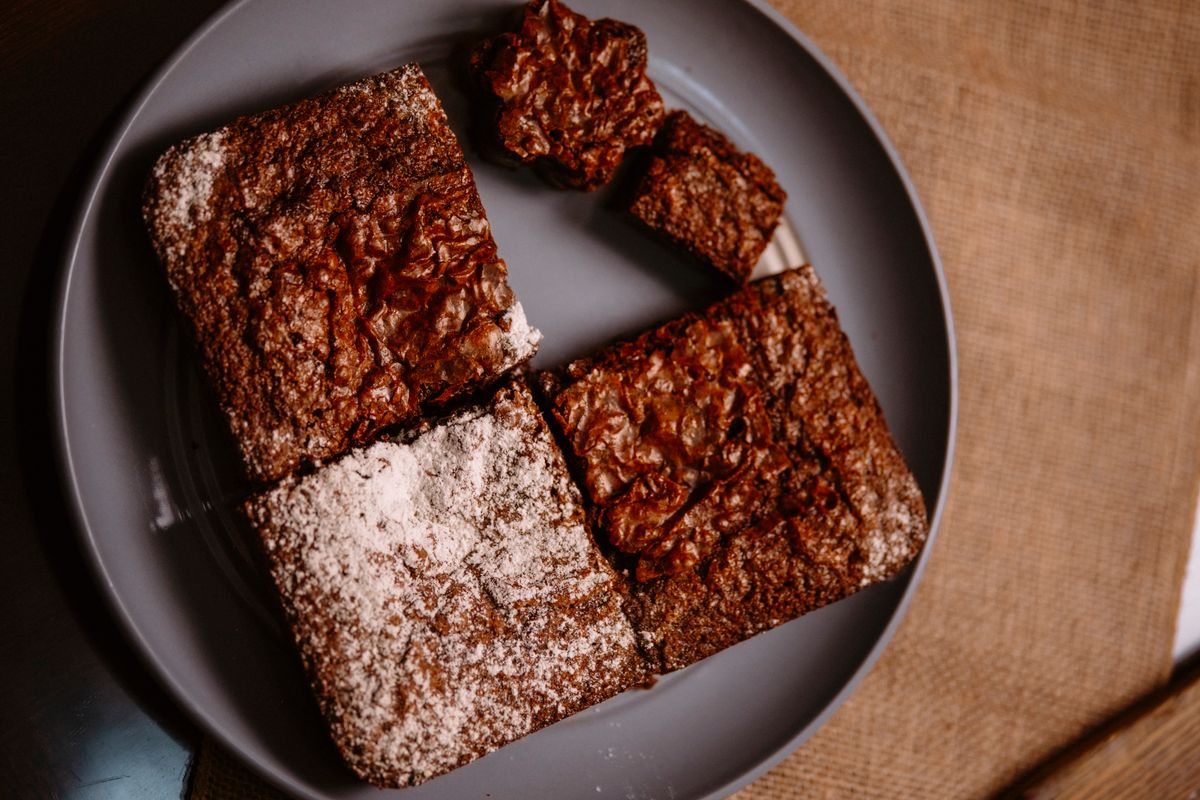
Image source: pinterest.com
Serve brownies warm with ice cream or enjoy them with coffee. Store in an airtight container or freeze for later. Pairing with desserts like chocolate delice creates a rich dessert experience.
Conclusion
This classic chocolate brownie recipe proves that great baking is not about complexity, but about understanding simple techniques and using quality ingredients. From selecting the right chocolate to controlling how you mix the batter, each step plays an important role in creating that perfect fudgy texture. The balance of butter, sugar, eggs, and flour works together to deliver brownies that are rich, soft in the centre, and slightly firm at the edges.
Perfect for celebrations, family gatherings, or quiet evenings at home, these brownies bring warmth and indulgence to any occasion. Once you master the technique, you can confidently adapt and experiment with flavours while still achieving that signature dense and fudgy texture. If you are looking for a timeless dessert that never fails to impress, this chocolate brownie recipe is one you will return to again and again.
Author Bio
The Daily Lifestyle Guide editorial team is a group of passionate writers and home cooking enthusiasts dedicated to creating easy-to-follow, reliable, and enjoyable recipes for everyday readers. Our focus is on simple cooking methods, practical kitchen tips, and approachable baking ideas that anyone can recreate at home with confidence.
From classic desserts to modern treats, our goal is to inspire readers to enjoy the process of cooking as much as the final result. We aim to bring warmth, creativity, and reliability to every recipe we publish, helping readers create delicious moments worth sharing.
Disclaimer
This article is intended for general informational and educational purposes only. The recipe, techniques, and baking guidance shared here are based on commonly used cooking practices and may vary depending on ingredients, kitchen equipment, oven performance, and individual baking methods.
This content does not replace professional culinary advice or nutrition guidance. Any external links included in this article are provided for reference purposes only, and we are not responsible for the accuracy, availability, or content of third-party websites.
Frequently Asked Questions
1. Can I make these brownies without eggs?
Yes, eggless brownies can be made using yogurt, milk, or flaxseed as substitutes. These alternatives help maintain moisture while keeping the brownies soft and rich.
2. How long should I bake brownies for a fudgy center?
Bake brownies at around 170°C (160°C fan) for 25–30 minutes. Removing them slightly early helps maintain a soft, fudgy centre as they continue to set while cooling.
3. Can I add nuts or chocolate chips to brownies?
Yes, walnuts, pecans, hazelnuts, or chocolate chips can be added for extra texture and flavour without changing the base recipe.
4. Why do brownies sometimes turn cakey instead of fudgy?
This usually happens due to overmixing the batter or adding too much flour. Careful mixing and correct ingredient balance are key to achieving a dense, fudgy texture.
5. How do I know when brownies are done baking?
Brownies are ready when the edges are set and the centre is slightly soft but not liquid. They will continue to firm up as they cool.
6. How should I store brownies?
Store brownies in an airtight container at room temperature for up to 3 days or refrigerate for up to 5 days to maintain freshness.
7. Can I make brownies ahead of time?
Yes, brownies can be made 1–2 days in advance and stored in an airtight container. This actually enhances their flavour and fudgy texture over time.