

Order a beer in a British curry house and you will almost certainly be offered one of two things. Cobra and Kingfisher have spent decades competing for the same table, to the point where most people have a loyalty without ever having compared them properly. The cobra vs kingfisher question is more interesting than it first looks, because the two beers are less similar than their shared shelf position suggests, and one of them is not quite what most drinkers assume.
| Cobra ABV | 4.5% in bottle, 4.3% on draught |
|---|---|
| Kingfisher ABV | 4.8% |
| Who owns Cobra | Molson Coors, which took a controlling interest in 2011 |
| Who owns Kingfisher | United Breweries, Bangalore |
| Where Cobra is brewed | Mostly Molson Coors’ Burton-on-Trent brewery |
| Where UK Kingfisher is brewed | Under licence in Aylesford, Kent |
| Both are | Pale lagers built to sit alongside spiced food |
Neither Is as Indian as You Think
Neither Is as Indian as You Think
Image source: pexels.com
Start here, because it surprises most people. Cobra was created for the British curry-house market and the majority of it is brewed at Molson Coors’ brewery in Burton-on-Trent, in Staffordshire. Kingfisher is a genuine Indian brand, owned by United Breweries of Bangalore, but the version sold in UK shops and restaurants is brewed under licence in Aylesford, in Kent. So the choice in front of you is not really Indian beer versus British beer. Both are lagers made in England, designed for the same purpose, and the honest comparison is about what is in the glass rather than where it comes from.
The Strength Difference Is Real
The Strength Difference Is Real
Image source: pexels.com
Kingfisher is 4.8% ABV. Cobra is 4.5% in the bottle and 4.3% on draught. That gap sounds trivial written down and is noticeable in practice, particularly because these beers are usually drunk over a long meal rather than quickly. Three large Kingfishers is a meaningfully different evening from three Cobras, and the draught version of Cobra is the lightest option of the lot. If you are eating out and driving later, or simply want to stay comfortable through four courses, this is the single most practical difference between the two and the one most worth knowing.
Bottle Sizes Change the Comparison
Bottle Sizes Change the Comparison
Image source: pexels.com
This is where people accidentally drink more than they intended. Kingfisher is commonly sold in large 650ml bottles as well as 330ml, and the big bottle is the one that lands on restaurant tables to be shared. Cobra is likewise known for its large sharing bottles. The result is that comparing them by bottle rather than by measure is misleading: a large bottle of the stronger beer is a considerably bigger drink than a standard bottle of the lighter one. If you are comparing honestly, compare per pint or per 330ml, not per bottle on the table.
Taste: Smoothness Against Crispness
Taste: Smoothness Against Crispness
Image source: pexels.com
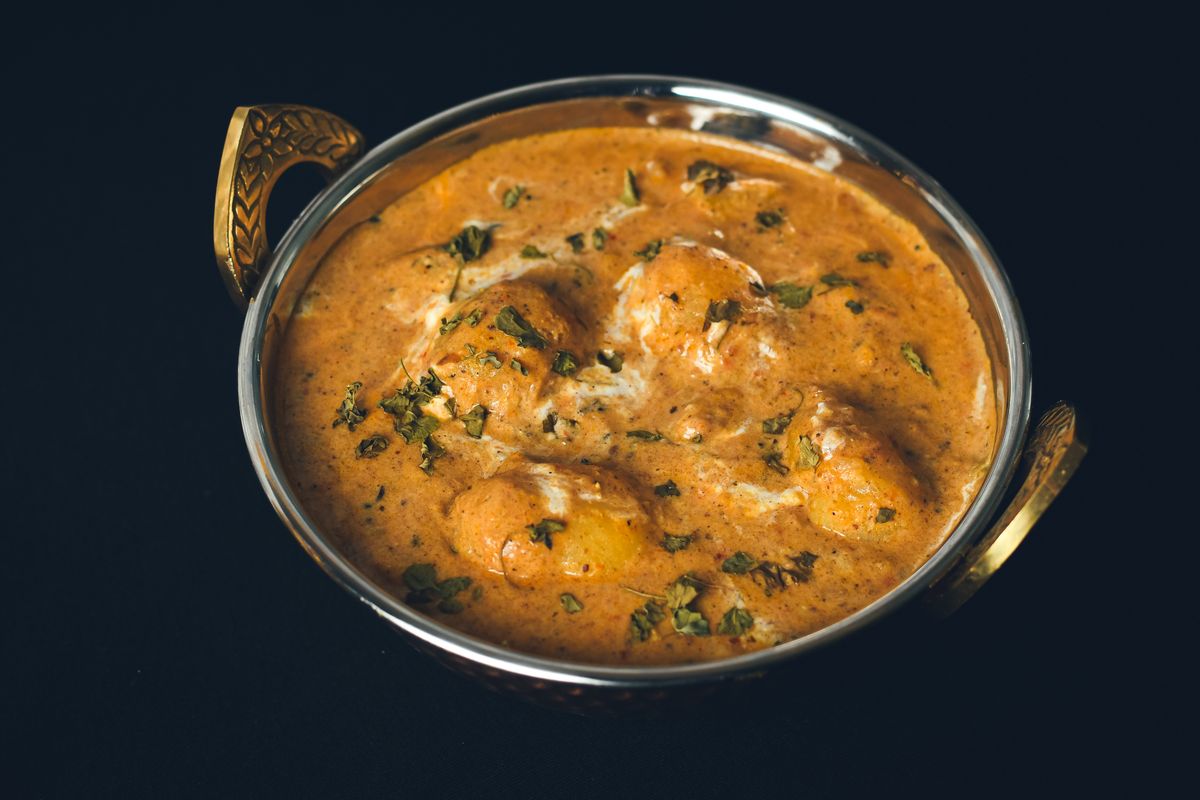
Cobra’s whole positioning has always been smoothness. It is built to be less gassy than a standard lager, on the reasoning that heavy carbonation fills you up and fights against a long spiced meal. Whether you notice depends on how much attention you pay, but it does drink softer and it does sit more easily alongside a heavy curry. Kingfisher goes the other way and leans crisp and clean, using Saaz hops for a light bitterness with a faintly earthy, herbal edge. It is the more refreshing of the two and the more conventional lager. Neither is complex, and neither is trying to be.
Which One Actually Suits a Curry

Which One Actually Suits a Curry
Image source: pexels.com
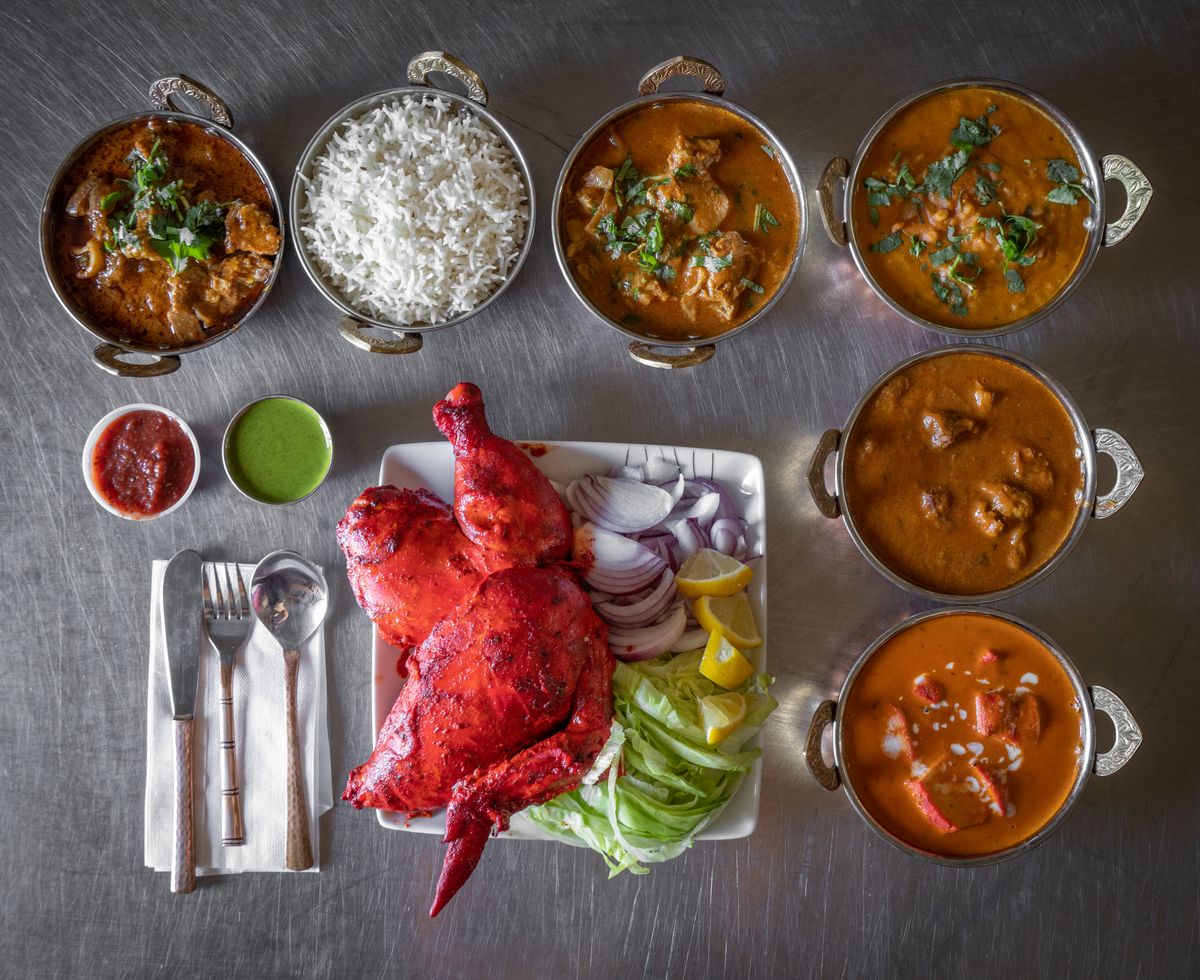
It depends on the curry, which is a more useful answer than picking a winner. With something rich and heavy, a korma, a passanda, a lot of cream and ghee, Cobra’s lower carbonation and softer body work in its favour, because you can keep drinking it without feeling bloated. With something hot and sharp, a vindaloo, a jalfrezi, anything with real chilli heat, Kingfisher’s crispness and cold bite do more to reset your palate between mouthfuls. If you are ordering for a table with a mix of dishes, Kingfisher is the slightly safer single choice, purely because refreshing beats smooth when heat is involved.
Availability in the UK
Availability in the UK
Image source: pexels.com
Both are easy to find, but not equally. Cobra has very broad supermarket distribution and a strong presence in restaurants, helped considerably by Molson Coors’ route to market since 2011. Kingfisher is stocked by the major supermarkets and is close to ubiquitous in Indian restaurants, where its association with the cuisine does a lot of work. In practice the deciding factor in a restaurant is usually simply which one that restaurant carries, since many carry only one. For a comparison of another British-brewed lager’s bottle formats, our Camden Hells guide covers the same ground for a craft-leaning lager.
Draught Versus Bottle
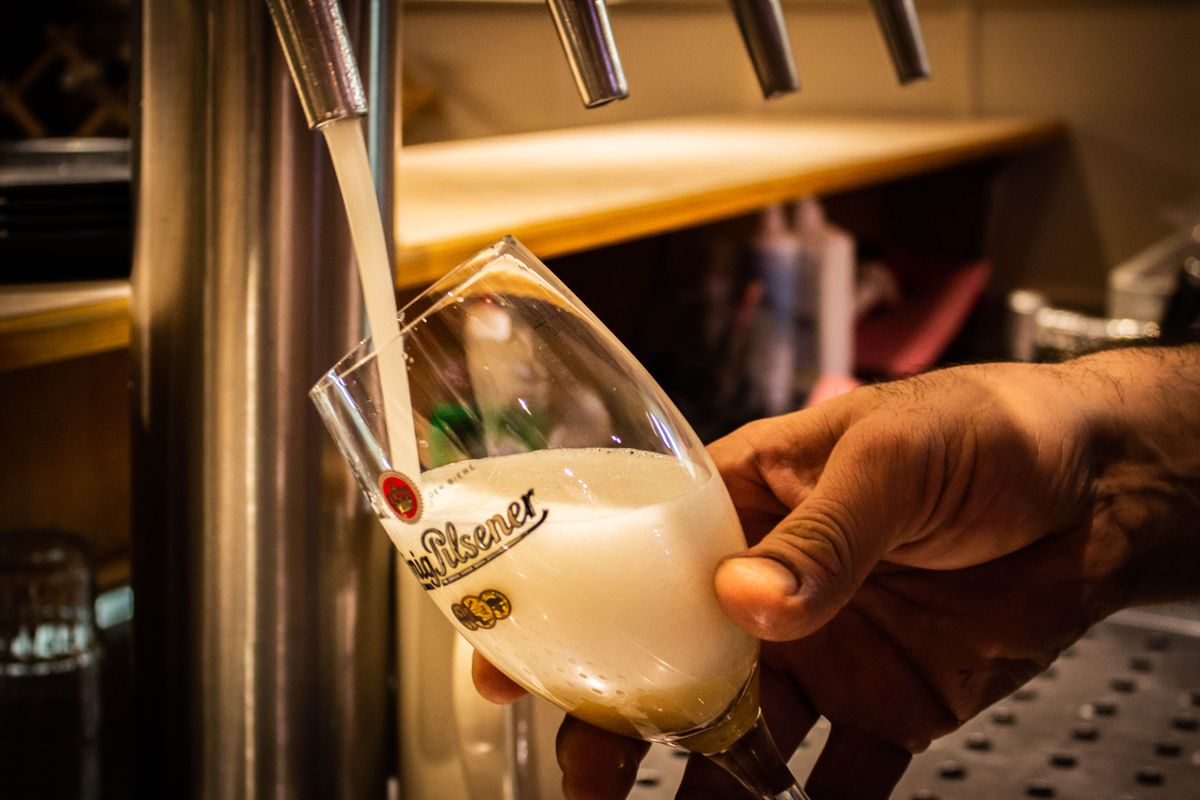
Worth checking before you order. Cobra on draught is 4.3%, lower than the 4.5% bottle, so the two are not interchangeable if strength matters to you. Draught generally tastes fresher and colder when the line is well kept, which suits both beers, since neither has much to hide behind. Bottles are more consistent, which is why they dominate in restaurants where a beer line might not turn over quickly enough. If you are in a busy pub, draught is usually the better pour. If you are in a small restaurant, the bottle is the safer bet.
Price and Value
Prices move constantly and vary enormously between a supermarket multipack and a restaurant table, so any figure quoted here would be wrong within months. The useful point is structural rather than numerical: judge value per volume and per unit of alcohol rather than per bottle, because the large-format bottles both brands favour make direct price comparison misleading. Supermarket multipacks of either are dramatically cheaper than restaurant prices, which is true of every beer and worth remembering when a round arrives.
Which Should You Buy for Home?
For a curry night at home, buy on the basis of what you are cooking and who is drinking. Kingfisher if the food is hot and you want something crisp and cold. Cobra if the food is rich and the evening is long, or if anyone at the table finds standard lager too fizzy. If you genuinely cannot decide, buy a few of each and settle it properly over one meal, which is the only test that actually matters. The difference between them is real but small enough that personal preference will beat any general recommendation, including this one.
Serving Them Properly
Both are pale lagers and both are best served genuinely cold, around three to five degrees, in a clean glass rather than from the bottle. Drinking from the bottle keeps the beer colder for longer but loses most of the aroma, which matters more than you would expect even in a simple lager. Pour at an angle, then straighten to build a small head. Do not over-chill to the point of numbness, which is a common mistake with beers served alongside spicy food, because a beer that is too cold stops tasting of anything at all.
The Honest Verdict
Kingfisher is the stronger, crisper, more conventional lager and the better all rounder with a mixed or spicy table. Cobra is the smoother, less gassy, lower strength option and the more comfortable choice across a long, rich meal. If forced to name one for most people in most situations, Kingfisher edges it on versatility. But this is a genuinely close comparison between two beers doing similar jobs competently, and anyone with a settled preference has no reason to change it. For a different UK bottle comparison, our Cobra bottle guide covers that brand’s design and history in more depth.
Final Thoughts
Kingfisher is 4.8%, crisper and better against real chilli heat. Cobra is 4.5% in bottle and 4.3% on draught, smoother and less gassy, which suits a long rich meal. Both are lagers brewed in England for the same table, so the choice comes down to the food in front of you and how long the evening is. Compare them per measure rather than per bottle, and serve both properly cold in a glass.
Frequently Asked Questions
What is the ABV of Cobra and Kingfisher?
Kingfisher is 4.8%. Cobra is 4.5% in the bottle and 4.3% on draught, making draught Cobra the lightest of the three.
Is Cobra beer actually Indian?
The brand was created for the British curry-house market and the majority of it is brewed at Molson Coors’ Burton-on-Trent brewery in Staffordshire.
Is Kingfisher brewed in the UK?
The UK version is brewed under licence in Aylesford, Kent. The brand itself is owned by United Breweries of Bangalore.
Which is better with a curry?
Kingfisher’s crispness suits hot, sharp dishes. Cobra’s smoother, less gassy body suits rich creamy curries and longer meals.
Which is stronger, Cobra or Kingfisher?
Kingfisher, at 4.8% against Cobra’s 4.5% in bottle. Over a long meal with large sharing bottles, that gap adds up.
Why is Cobra described as less gassy?
It is brewed to carry lower carbonation than a standard lager, on the basis that heavy fizz fills you up and works against a long spiced meal.
Disclaimer
This article is for general information only. Alcohol strengths, formats and brewing arrangements change over time, so always check the label on the product you are buying. Alcohol is sold only to over-18s in the UK. Please drink responsibly.